




On February 18, 2001, Dale Earnhardt Sr. lost his life in a freak accident at Turn 4 of the Daytona International Speedway that sent shockwaves through the motorsport community.
At the time, Earnhardt Sr. was racing the No. 3 Chevrolet for Richard Childress Racing, but it was Dale Earnhardt Incorporated (DEI), the team he'd founded alongside his wife Teresa, that dominated the day with Michael Waltrip taking his very first victory after 15 years at the top level of American stock car racing, and Earnhardt Sr.'s son, Dale Jr., followed close behind in second. It should have been a day of triumph. Instead, it was the darkest day in NASCAR Cup Series history.
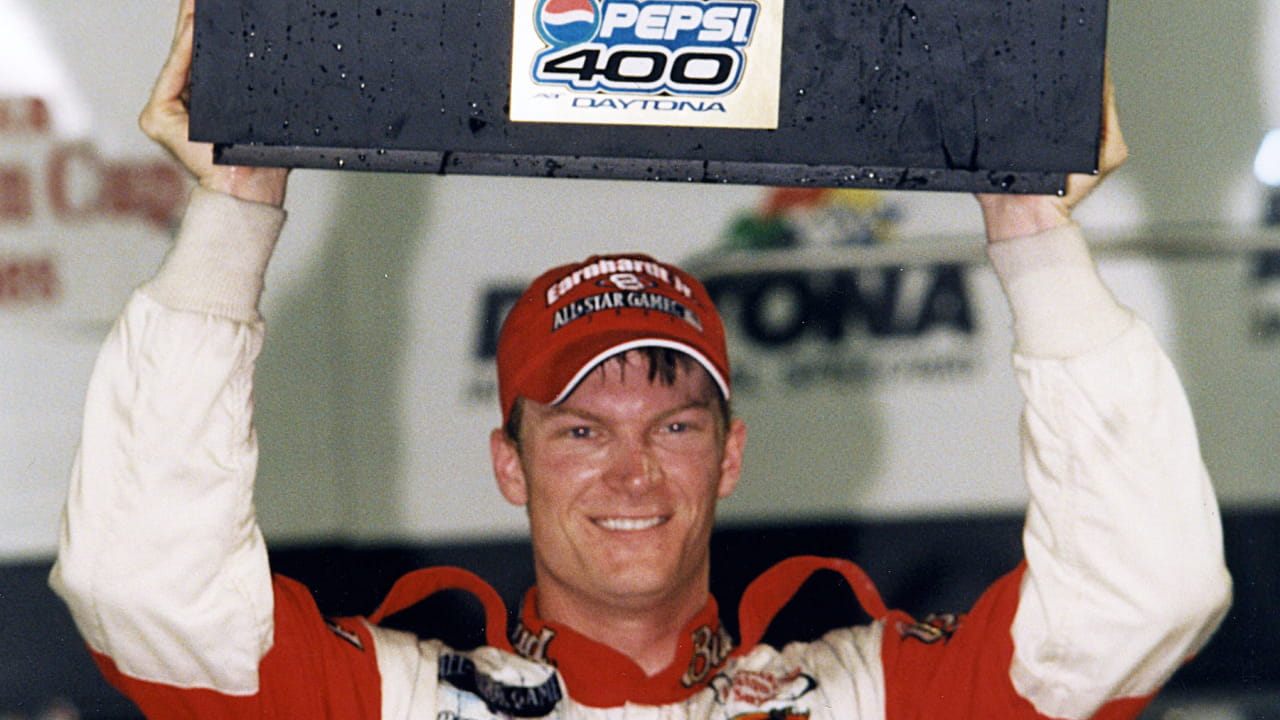
Just five months later, the specter of the late Earnhardt Sr. hovered over the NASCAR field as it made its way back to Daytona for the first time since his passing for the 2001 running of the Pepsi 400. The crew that made up DEI knew this race would define the future of the team, but by the time the green flag fell they still didn’t know how.
Twenty-five years later, as the Cup Series returns for the Coke Zero Sugar 400, the true significance is clear.


Dale Earnhardt Sr.: The Rock for a Family 200+ Strong
For the employees who comprised DEI in 2001, Dale Earnhardt Sr. was more than just their boss. For many, he was a personal friend. For some, he was kin. For others, he was a seven-time NASCAR champion, a legend who had given them a shot in the industry. No matter what he was, he was indisputably the anchor that had united the team, and in an instant he was gone.
Earnhardt died on February 18. Come the 25th, the NASCAR Cup Series would take the green flag yet again at Rockingham Speedway. In the interim, the team would need to return to its state-of-the-art race shop in North Carolina and begin preparing for the next event as if its very foundation hadn't just been ripped from beneath it. Over 200 employees at DEI relied on the future function and success of the team. They had to continue.
“I miss my father. I've cried for him,” Junior said in a press conference on the Friday ahead of that Rockingham event, voice thick with tears. “Our main focus is to progress with the vision my father had with Dale Earnhardt Incorporated to the best of our ability. That's really all I have to say.”
The Show Must Go On
The NASCAR Cup Series had carried on in the wake of Earnhardt Sr.'s loss, because the demands of the schedule really offered no opportunity to stop and reflect on the immensity of what happened. DEI racer Steve Park snatched victory at Rockingham, which provided the team with momentum to build on. But things were infinitely more difficult for Dale Earnhardt Jr., who soldiered on throughout that early part of the season looking lost.
For Junior, the prospect of returning to Daytona carried with it a burden of grief. Speaking candidly on Amazon Prime's Earnhardt docuseries, Junior admitted that he needed an opportunity to face the track on his own terms before turning up to race. He needed to see Daytona — to reckon with it — away from the gaze of the Cup garage.
The weekend before the 2001 Pepsi 400 was an off weekend for the Cup Series. Junior loaded a Chevy Suburban with friends and made the trek to the Speedway, intent on setting foot on the track that had claimed his father's life. When they arrived at the track, they found the gates open. They were able to drive onto the front stretch without issue; as they neared the end of the back straight, a security guard who had come to stop them recognized the man behind the wheel of the Suburban and let him continue to Turn 4.
“I don't know exactly where daddy hit the wall. I don't know exactly where his car came to rest,” Junior recalled in Earnhardt. “But I came to that general area, and I got out… I walked off by myself and stood around a little bit and looked around and didn't even really think. I was just there.
“I wanted, I think, to see how I would feel. Would I get emotional? Would it be too much? Would it feel too heavy? Would I have a problem with it? I didn't know.”
What he felt instead was freedom.
“I decided then and there that I wasn't gonna hold anything against the track,” he remembered, “and if anything, Daytona was even more special because it's where dad had passed away.”
Transforming Grief Into Fuel
It was a track his father had loved, respected, and conquered after years of desperate efforts at success. Junior couldn't hate the track that had given his family so much, even if it had been the place where his father lost his life. If anything, he wanted to succeed at Daytona more than anywhere else.
The DEI team wanted that success, too, and they were busy preparing for the race. Ty Norris, the team's executive vice president, scheduled a meeting before leaving for the track where he told the crew, “You guys stay focused. You know what you have to do and why we have to do it.” The 2001 Pepsi 400 had been circled on their calendar for months. Michael Waltrip remembered that he arrived at Daytona ready to “get revenge on this place for what had happened in February.” Mechanics, crew chiefs, sponsors, drivers, and executives at every level of the team understood that this track was sure to bring up emotions, but that beyond all else, there was a job to do.
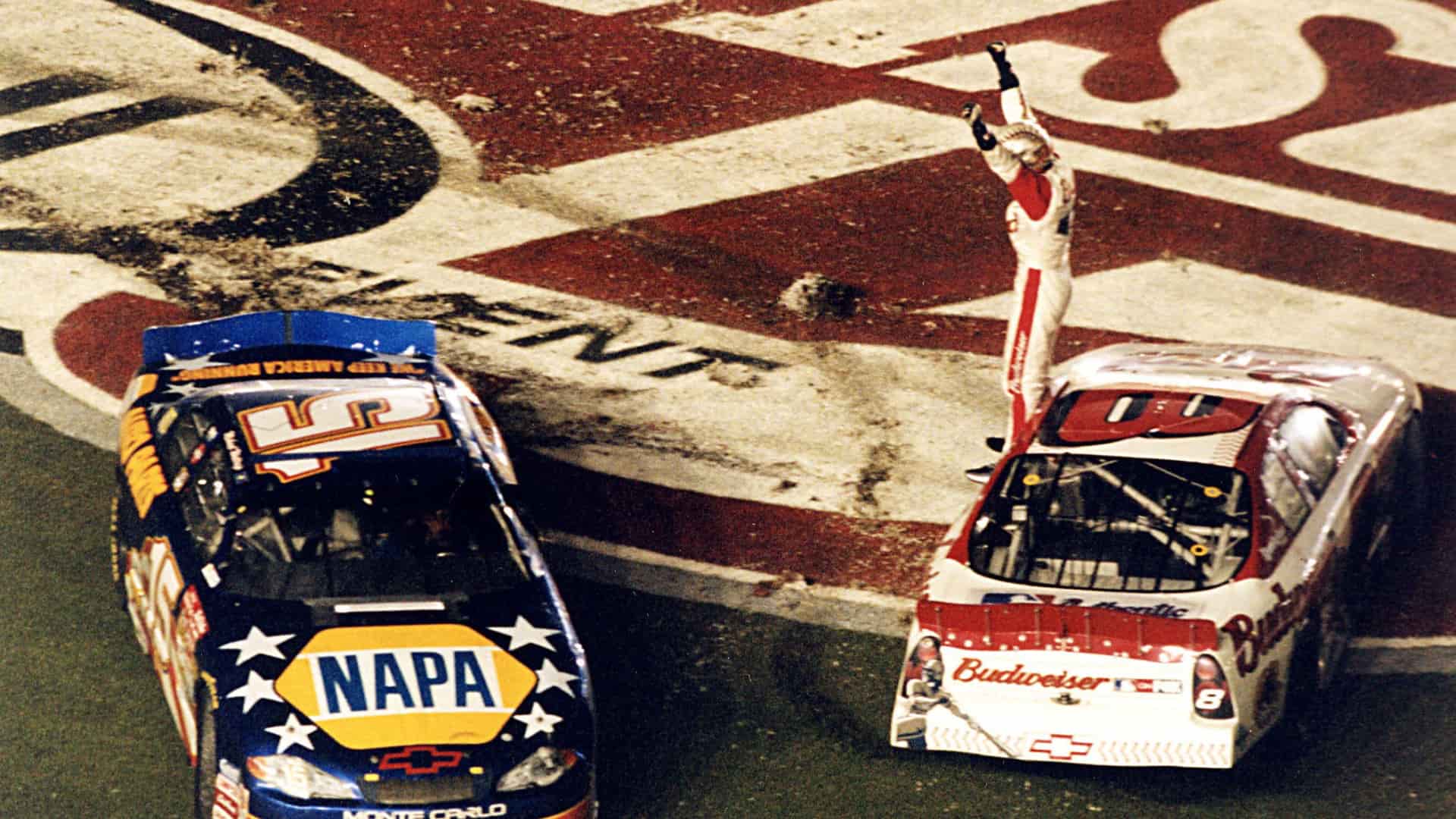
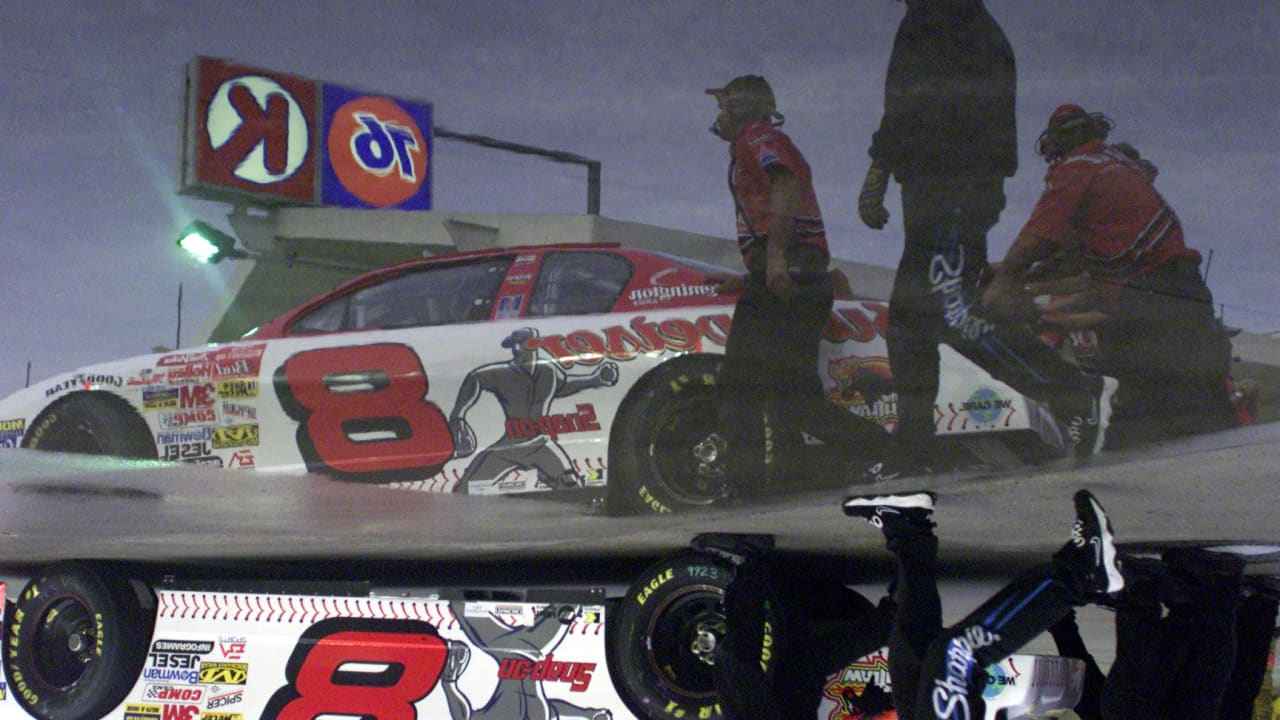
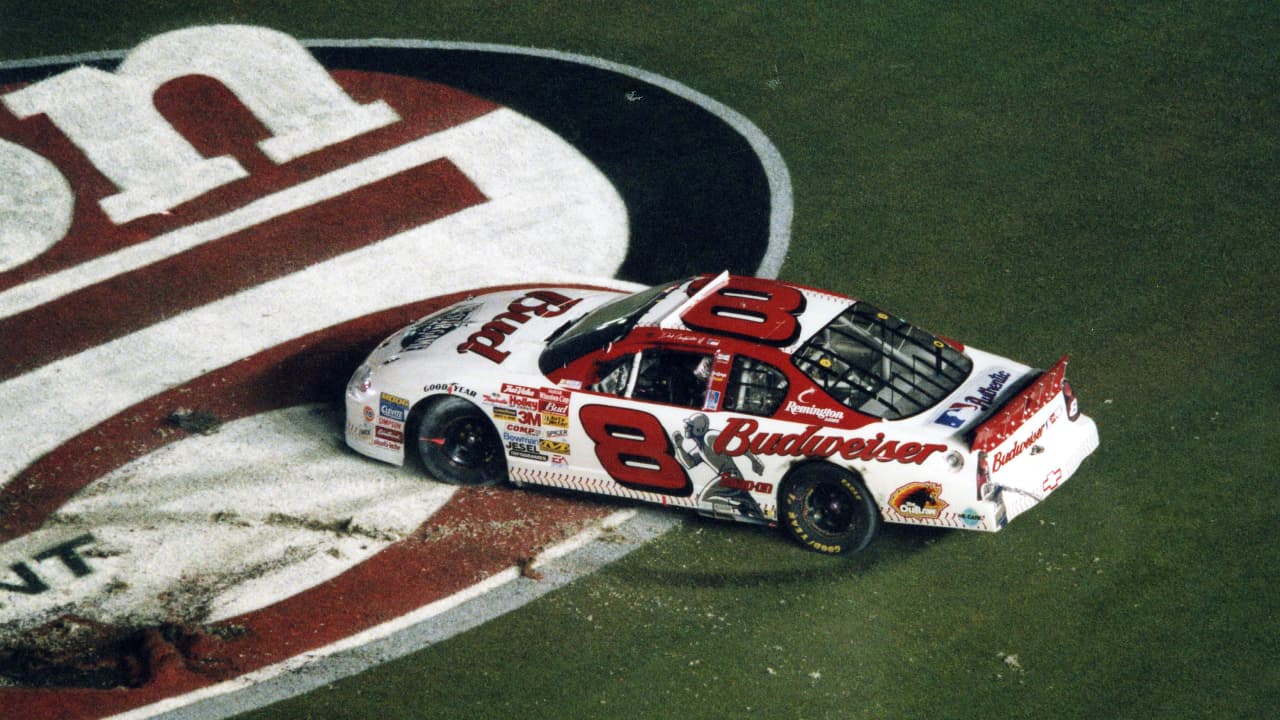
The noise stopped for Dale Earnhardt Jr. when he finally climbed into the car in 13th. His No. 8 DEI Chevrolet had speed, and by Lap 27 of the race, he'd worked his way up to a lead he only relinquished for fuel and tires. Then, in the middle of pit stops and with 18 laps to go, 10 cars were involved in a wreck in Turn 4. A driver named Johnny Benson Jr. took the lead on the restart, but the race was yellow-flagged soon after for oil on the track. With six laps to go, the Pepsi 400 restarted for the final time. With a little help from Waltrip, Earnhardt Jr. took the lead. The DEI cars finished nose-to-tail in reverse order of their February finish.
Time—and a Win—Heals All Wounds
Earnhardt Jr. had never let himself dream that he'd come to Daytona and win. What he knew he'd need, more than anything, was to get behind the wheel and free himself of distractions. It was only at the halfway point of the race that he dared think he could win.
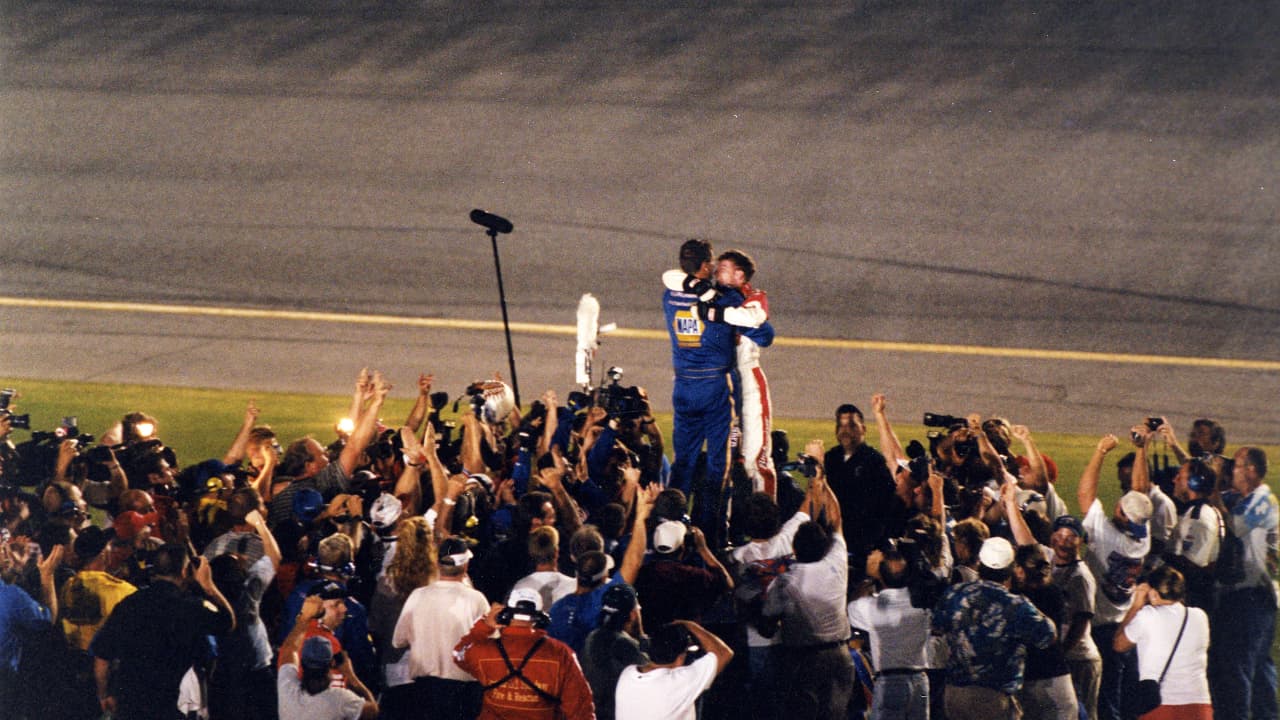
“In that last run,” Waltrip remembered, “I think Junior went from sixth to first, and I think I went all the way from 26th all the way to second. I’d never driven any better. I never made any moves like I made that day — as many of them in a row that worked — and I found myself right on his bumper as we were coming to the checkers.”
“That was a big stepping stone in the company,” Junior's crew chief at DEI, Tony Eury Jr., recalled to Fox Sports on the tenth anniversary of that win. Eury, whose family had been friends with the Earnhardts for three generations, described the loss of the team's founder as feeling “like the car had been ripped out from under you.” Victory turned the tables.
“To come back here and take a swing at Daytona, it was a pretty big feeling,” he said. “Like, they took something from us, now we had taken something back for them.”
Dale Jr., though, won't take all the credit.
“A lot of things happened, not just my win,” he told Fox Sports. “I don’t want to put my win on a pedestal among all the great things that a lot of people did that would have brought a little closure to the situation.
“If my win was a part of it, it definitely helped me. I think it helped some people in my family. My dad’s sisters and brothers had mentioned that it was a really neat moment for them.”
Looking Back to Move Forward
This year marks 25 years since NASCAR lost Dale Earnhardt Sr., and the arrival of that difficult anniversary has brought with it plenty of opportunities to reflect on the seven-time champion’s legacy and impact on American motorsports. It’s also a reminder of what it takes for those in the sport who experience tragedy to move forward.
Dale Earnhardt Jr.'s Pepsi 400 win at the track that claimed his father’s life couldn’t erase the pain. It couldn't make DEI whole again. It couldn’t bring Earnhardt Sr. back.
But it could provide a way forward, reminding a heartbroken Dale Jr., the DEI family, and the fanbase to let go and celebrate the legacy.
For all those who grieved, that freedom was a bigger victory than the race itself.
.jpg)



.png)
.png)