

The modern Las Vegas Grand Prix may be one of Formula 1’s youngest races, but F1 racing in Sin City actually has a rich history that goes back unexpectedly far, to the early 1980s. From a World Champion vomiting in his helmet on his way to the title to Carlos Sainz’s drain cover paranoia and a circuit design that began as an outline of a hand, here are three facts about the Las Vegas Grand Prix that every racing fan needs to know.


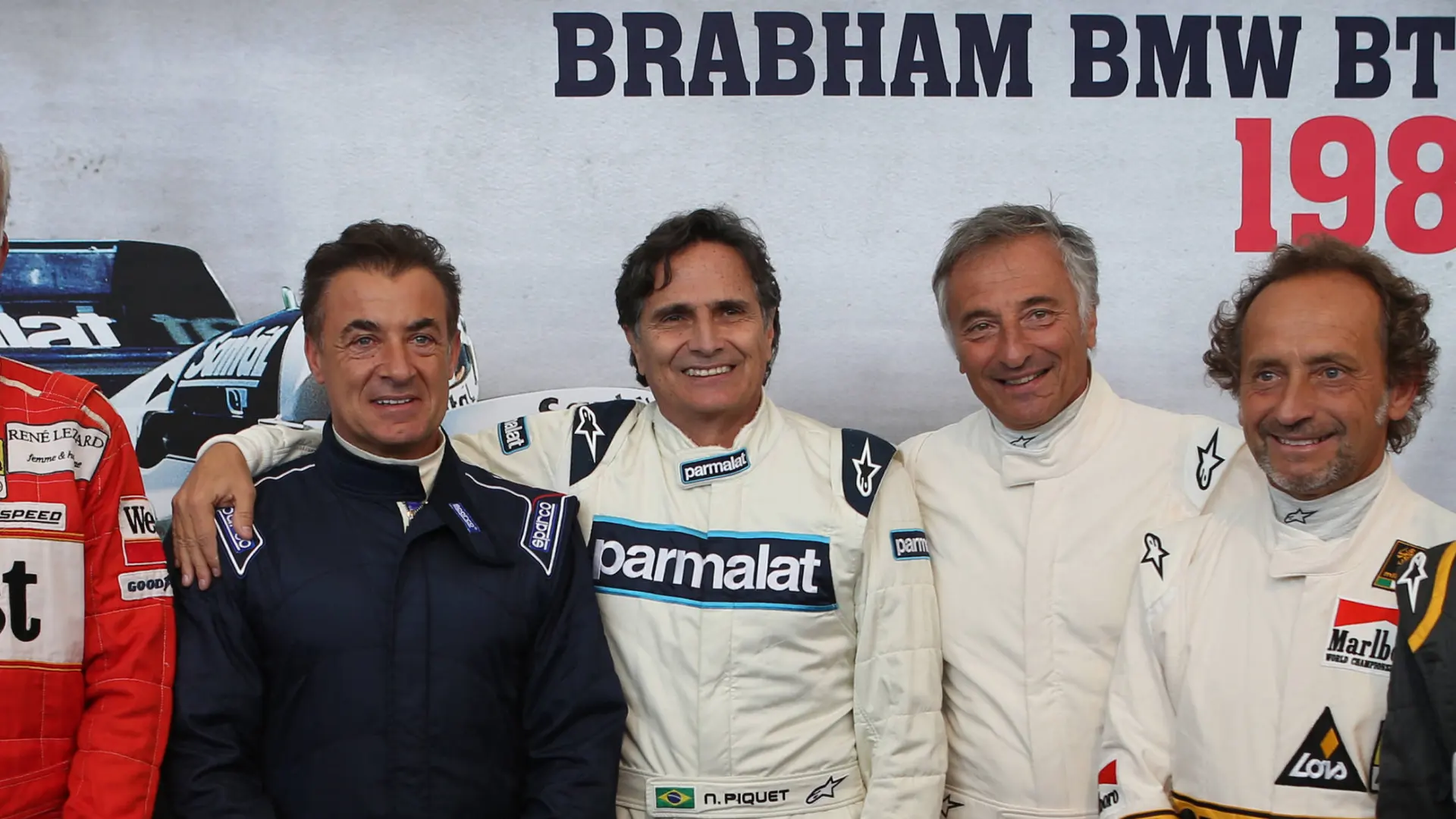
Vomit and back pain couldn’t stop Nelson Piquet’s Drivers’ title run
The 2023 iteration may have been the first ‘Las Vegas’ Grand Prix, but it wasn’t the first time F1 raced in Las Vegas. In fact, the very first Grand Prix to be held in Paradise, Nevada was the 1981 Caesars Palace Grand Prix.
Being the final stop on that year’s F1 calendar, Las Vegas’s F1 debut also meant it was the Drivers’ Championship decider, and it featured a fight to the finish worthy of the city dubbed “The Entertainment Capital of the World”. Nelson Piquet, who was driving for Brabham, came into the weekend with 48 points, just one point behind then-championship leader, Carlos Reutemann of Williams.
The weekend started off rough, with Piquet suffering extreme back pain during the first day’s practice sessions, requiring an hour and a half of treatment to alleviate. He then qualified behind Reutemann, putting him in jeopardy of missing out on the title.
Fortunately, Piquet was able to get ahead of the Williams driver during the race itself, ultimately earning enough points to win the Championship outright, but not without cost.
“When 33 laps to go were signaled I nearly died,” he said. “By then my head was going out of the car at the bends. I was almost finished... my back and right shoulder were in agony."
The heat of the day and the pain he was already feeling over the course of the weekend were a brutal combination, and after the race Piquet told the media that he had even vomited in his helmet while driving. Nonetheless he persevered to win the biggest trophy of them all, taking his first of three Drivers’ titles that he would earn over the span of his career.
The track that gave Carlos Sainz drain cover paranoia
In 2023, the Las Vegas Grand Prix debuted with a spark… literally.
Like all city tracks, the Las Vegas Strip Circuit comes with environmental hazards that dedicated circuits may not have to contend with, such as particularly uneven surfaces and obstacles like manhole and drain covers which need to be sealed.
As it turned out, the latter was the source of much trouble for Ferrari in 2023 when, during the first practice of the weekend, Carlos Sainz ran over a loose drain cover, leaving a trail of sparks behind him and causing significant damage to the floor, and a sizeable hole in the survival cell of Sainz’s car. The incident resulted in the session being red-flagged and ending after just 8 minutes of running time, and the second practice session being delayed by over two hours.
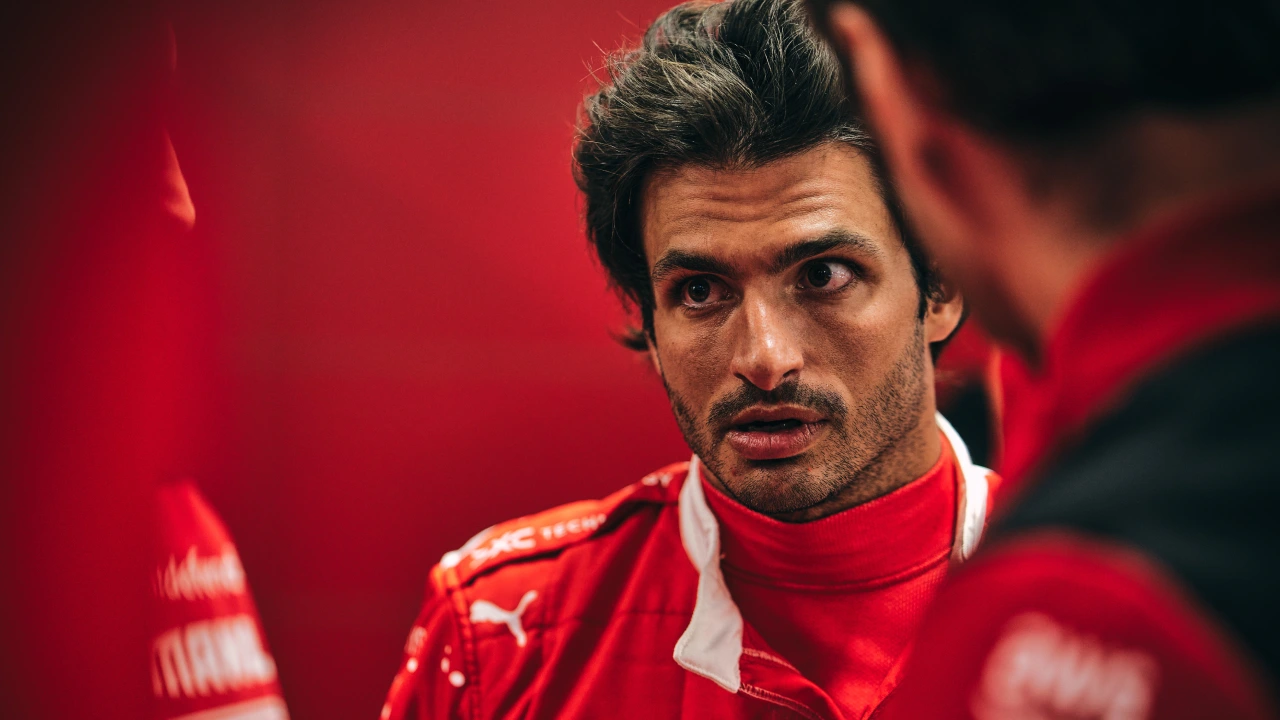
2024 was thankfully kinder to Sainz, as he finished third in the race. That’s not to say the previous year didn’t leave him a bit on edge. After the race he said, “I was looking at every manhole during that race, avoiding them this time.”
Yet even with all the bad press, road hazards remain an issue at this track. Last year, during the 2025 Las Vegas Grand Prix, the red flag was waved not once but twice over a safety concern with a cover around Turn 17. Will the roads pose a threat again this year? Only time will tell for sure, so place your bets.
The track that started as a drawing of a hand in a coffee shop
Sometimes you get hit with an idea so great that you have to write it down immediately. Thankfully today many of us have a phone handy and can just open up a notes app and get started, but that was not the case back in the late ‘70s and early ‘80s, when oftentimes people had to make do with what they had around them. This is how Bernie Ecclestone and Caesars Palace executive Bill Weinberger wound up with a rough sketch of a race track for the 1981 Caesars Palace Grand Prix.
While they had initially hoped to run the track along the Las Vegas Strip, bureaucracy would keep this from becoming a reality (until 2023, that is). Instead, the track would have to be confined to a rather small area mostly comprising land owned by Caesars Palace itself.
“[Ecclestone] and I were sitting in the coffee shop at Caesars Palace trying to put this deal together,” recalled Weinberger ahead of the opening of the 2023 Las Vegas Grand Prix, “and he said how in the world are we going to fit a 2.5-mile track onto the space you got.
"I had my hand on the placemat and said how about this? I literally traced my hand around on the placemat. I said do you think we have enough space this way? He said it's an awful lot of turns, maybe only a few fingers."
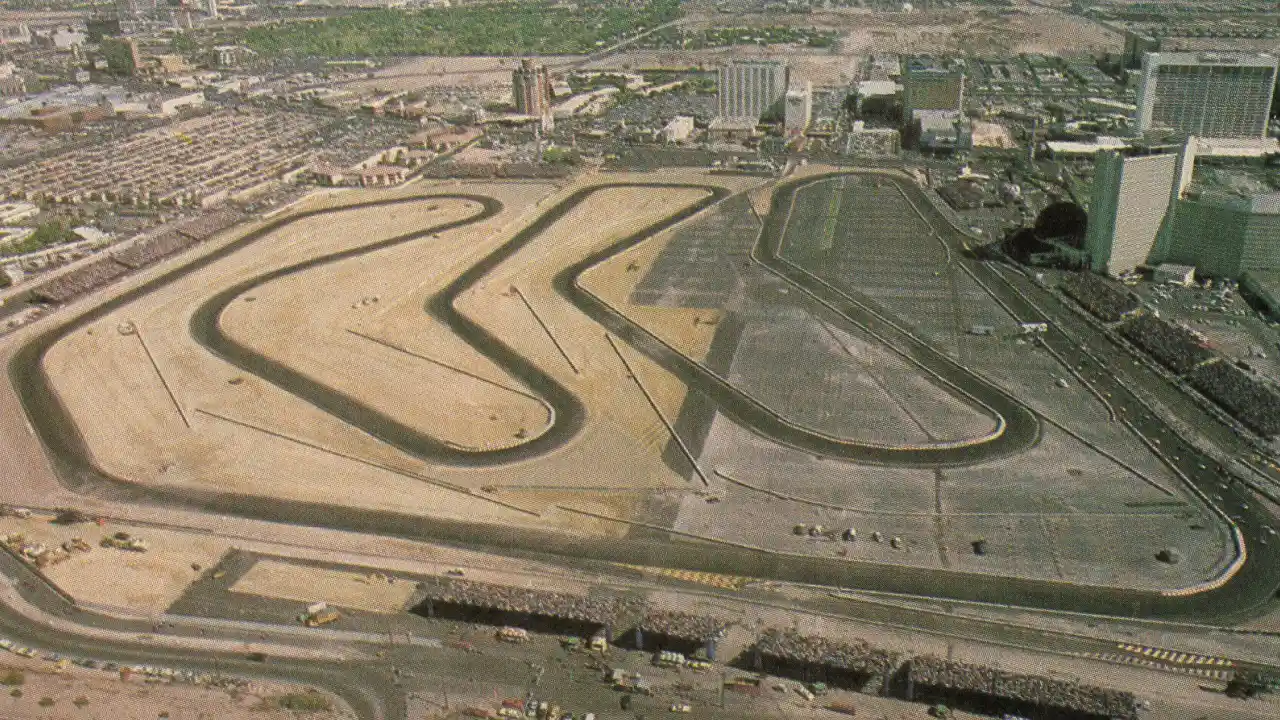
And indeed, looking at a map of the original Caesars Palace Street Circuit, it really does resemble three fingers of a hand. The track was used only twice in F1 (1981 and 1982) and was shut down just a few years later, in 1984. Nonetheless, the results of that drawing in a coffee shop remain a part of motorsports history forever.
Want more surprising facts about this year’s F1 drivers and circuits? Sign up for our newsletter for a bonus fact about the Las Vegas Grand Prix, and be sure to check out our other Speed Reads:
- The Bet That Put Daniel Ricciardo in Dale Earnhardt’s Car, and More US GP Facts You Didn’t Know
- When Senna Could Barely Lift His Trophy, and More Brazilian GP Facts You Didn’t Know
Photo of the Caesars Palace Street Circuit sourced and cropped from Yoyodu10 via Wikimedia Commons under the Creative Commons Attribution-ShareAlike 4.0 International license.