

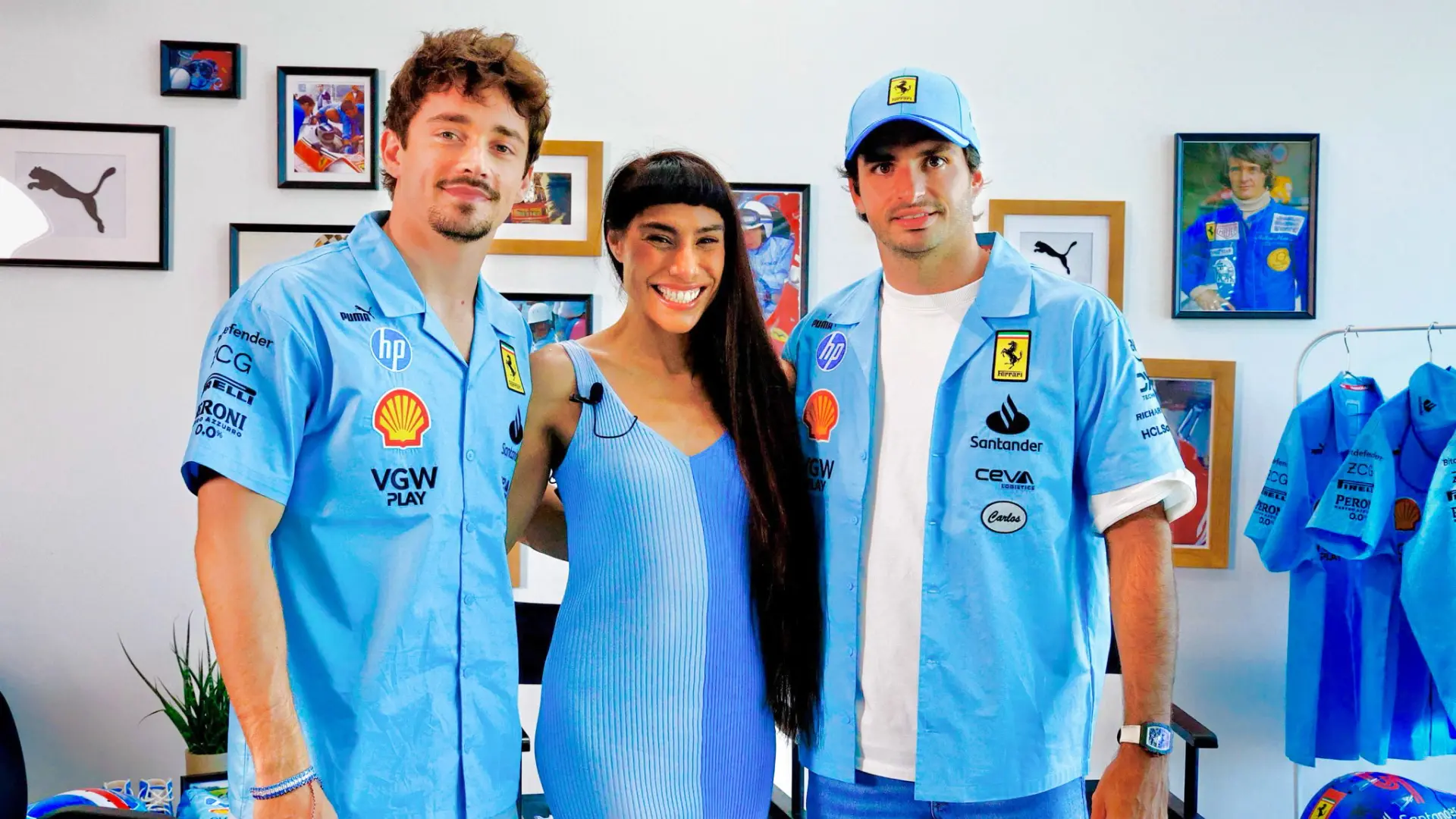


When her father helped her into a red helmet and firesuit to set faster lap times in the church parking lot, young Mandy Curi had no idea that those moments would lead to her interviewing some of racing’s most iconic drivers.
Mandy’s love for motorsports started early, fueled by a racing-obsessed dad who made his passion his family’s passion. When her father’s passing drew her back to Formula 1, it quickly snowballed from tweets into a radio gig, a podcast, and her first media credentials.
But getting her foot in the door was just step one. Then came years of hard work, from raising her hand in the media center and asking the right questions, to finding her voice and getting comfortable on and off camera. Over time, Mandy proved through her work that her authentic voice belongs in the paddock.
Now, as a motorsport journalist and presenter for RACER, she’s bringing a fresh, engaging energy to the sport. So, how does someone go from running go-kart laps in a church parking lot to holding the mic as motorsports' most influential names answer her questions?
Keep reading to find out!
Position: Motorsport Journalist and Presenter at RACER.
Day to Day: I mainly do outreach and interview research on days I’m at home, and at the track I do pre-interview prep, driver interviews, and post-interview evaluations.


Mandy’s Start
What was the first moment you discovered racing?
Growing up, I always told people racing is in my blood, because my dad was obsessed with racing. He would take us to IndyCar races, or NASCAR, or whatever race he could possibly take us to. At that time, I think F1 was just not on the radar, but we would watch F1 together.
He bought us the coolest go-kart. It's the famous 1989 Miller High Life Porsche. It was a prototype car and it won the 24 Hours of Daytona that year. He got us a go-kart version of it, and my dad would suit us up. I had a red firesuit, a red helmet, had the gloves, and it was me, my older brother and my two younger brothers. The funny thing was, when we would go to see him, because my parents were divorced, he would always make us set lap times in our go-kart in the church parking lot. This is Virginia, this is the dead summer, and I remember just thinking, dad, I just want to go to the pool. I just want to go to the pool with my friends. My dad was like, no, you need to practice your lap times.
It's so funny because I would do anything in this world right now to practice those lap times with him.
At that time, I just didn't realize how cool my dad was. He made his passion our passion. Then as I grew older, I still loved it. I think when you grow older, you find other things, and my route was a little bit different. I moved to New York and I became a reality TV producer, and I loved it and that was great. Then I got a call that changed everything. My father was diagnosed with cancer, and it just was the right timing. It seemed like time to leave New York and then come back.
The thing with it is, when you grow up with memories like that, of racing and things like that, no matter how far you veer off, it never leaves your heart. So, at the time, my father was really sick and I remember when he was really sick one of the last conversations I had with him, he said, “I want you to always remember me before I die”, and I just kind of thought like; well, duh, dad, we're always going to remember you, you're my father. But what I didn't realize was that, at that time, racing started coming back into my world, as in I missed it.
What was the first step you took to launch your career in racing?
Because I missed my dad so much, I started just watching F1 again and watching racing, and I started tweeting about it, and funny enough, this local radio station in Texas said, “Hey, you seem to know what you're talking about. Would you like to do our show with us?” Sure. Why not?
Then because I missed my dad so much, it was like I felt close to him again.
That turned into a podcast, which got me my first credentials at Texas Motor Speedway for IndyCar. 2019 was my first race as media, which then got me into motorsport. I wanted to take it a little bit more seriously, so I started with the motorsport journalist route. I wanted to write, and I wanted to be a proper journalist.
I went with this publication, MotorLat. Then the guys at Motorsport Network saw me, and I made friends and I made connections with them. They liked me, brought me in, and then it's like full circle here at RACER.
So, I always like to tell people, follow your passion. Follow it by all means. I was just literally tweeting with people about racing stuff, and somehow it caught the attention of someone, which led to something, which led to something else, which now, here we are.
How did you build your credibility once you were in the room?
I remember it was 2019, and there was an IndyCar media day at the Hilton in downtown Austin, because this was the one time they raced at the Circuit of the Americas (COTA).
I remember being in the media center there. I remember seeing Marshall Pruett, remember seeing David Malsher-Lopez, and I thought, these guys are amazing. These guys are legends. I was in awe of them. Then I said, if I'm going to be taken seriously, which I wanted to do, now's your time. So, I started raising my hand and asking the drivers questions. I started asking the questions. I had questions in my mind, had a bunch, and I remember being so nervous. Not necessarily to talk to the drivers, but I was so nervous because people like Marshall were there. People like Jenna Fryer. These amazing journalists that I've always looked up to, and it's like, I didn't want to look stupid. And that was my biggest fear. I just didn’t want to ask a stupid question, I don't want to look stupid. But I would raise my hand and ask.
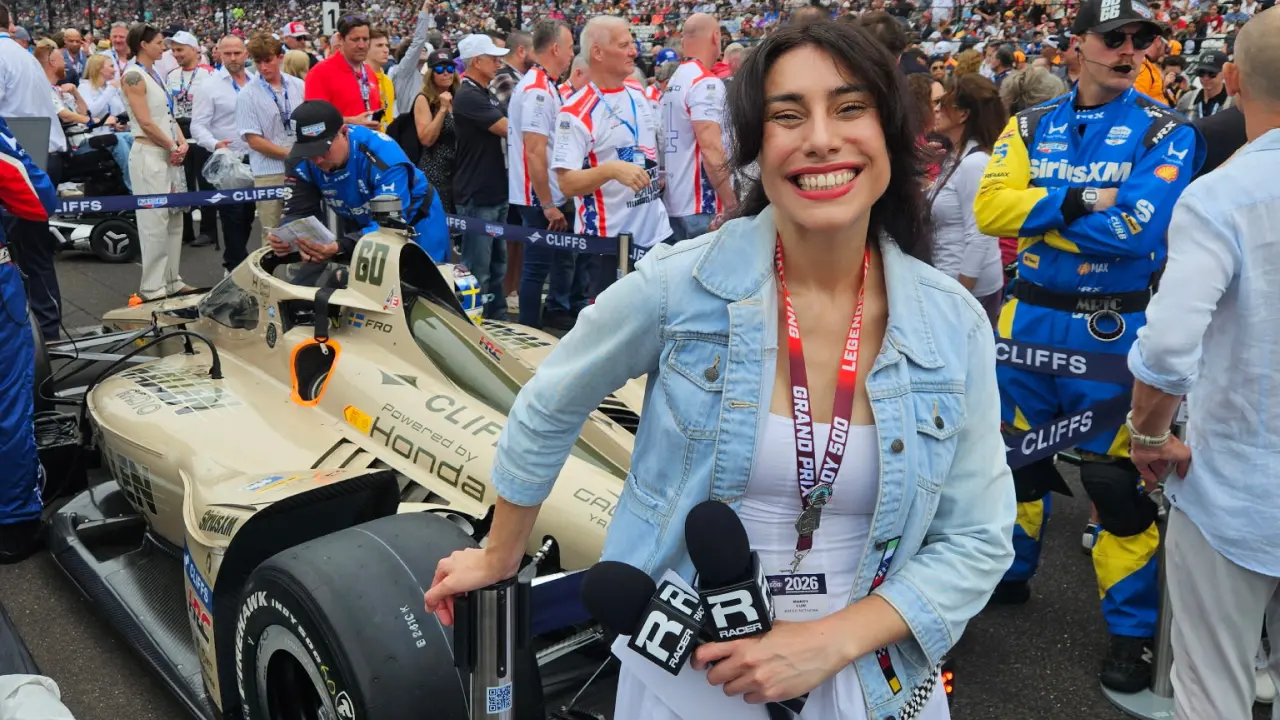
Funny enough, David Malsher-Lopez came up to me after we had a break and he said, “Who do you work for? You've got really good questions.” I remember that being a defining moment to where I was like this is what I want to do. It took someone like him to convince me of that.
Mandy’s Current Role
What’s your current role and what does a standard day look like?
I’m a motorsport journalist and presenter.
My day to day when I'm at home is usually either trying to set up meetings or trying to do outreach. It's a lot of that kind of stuff. Sometimes I'll spend a day just looking at stats, just to try and see where the driver’s at this year. Or sometimes I'll look at different races and look at the history. And this is how I prepare for interviews, just because I want to be knowledgeable, but I don't want to be too stats, too facts-heavy. I don’t want it to be too technical either. Because it's never been my kind of vibe. My vibe has always been a little bit more creative.
Then when you're at the track, it's different. At the track, I try not to do too many interviews in a row, only because I want to give every single interview all my energy and attention span. It's okay to do like two to three, but if I have like seven or eight, I'd like to space them out because you don't want to overwhelm yourself.
I'll be there reviewing my questions, making sure that they're good and making sure that I like the flow of it, making sure I'm not forgetting anything. Then the videographer that I work with will show up, we have a brief meeting where we talk about what's going on. I try to, beforehand, look at the location where we're at first, just to make sure we have lights. You know all about that. Making sure your lights are set up and up making sure everything's going to work.
Then what I usually do is, once it's uploaded, I'll rewatch the interview, and then I will take notes, and I'm like, this is a good clip, this can be turned into a good clip. I send it back to RACER, and then they will turn it into a social media clip or they will put it on YouTube. Then we do it again, and we do it again the next day.
And it's really funny, because I thought about calling myself a content creator, but Marshall Pruett, as I was leaving IMS this year, said, “Mandy, you're a motorsport journalist. You're not a content creator.” And I just thought that was hilarious.
Because of my background in writing and being official media, I don't want to lose that title, because I worked so hard to get there. And the presenter part—I like to say presenter because I do fun content sometimes, and I have sponsors that do like to work with me, and we come up with fun interviews and fun ways to mix motorsports and the human side of the drivers. And that's always been kind of my thing that I've always wanted to do, and that's what I'm doing.
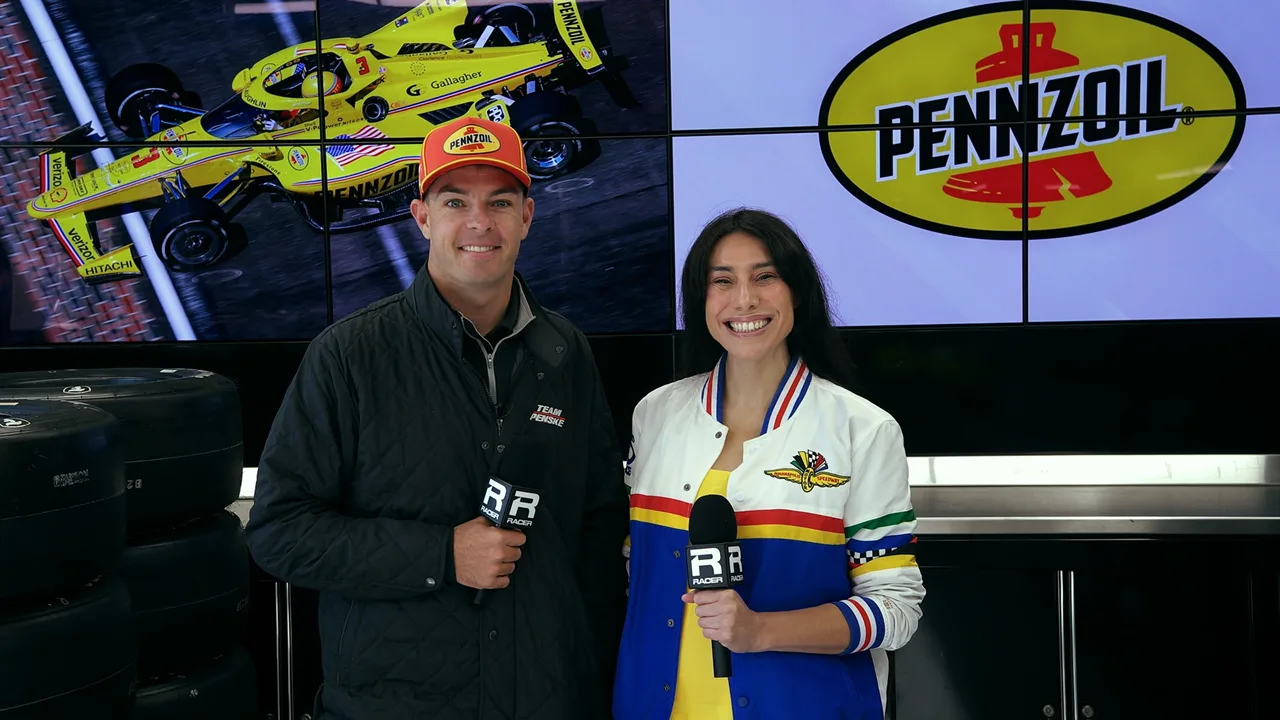
If you look at some of the work I did a little bit recently, like the one with Scott McLaughlin and Pennzoil, I had a fun little kind of game there, where I quizzed him about the history of Pennzoil. So, it's still motorsports history, just done in a fun way, in an engaging way. Motorsports doesn't have to be boring.
What are the most rewarding and the most challenging parts of your role?
Rewarding
I think the most rewarding part is what I'm doing here with you, honestly. Having people like you tell me I'm an inspiration. Having people support you, and you realize all that hard work, all those times you wanted to give up, are worth it. Because I'm here now with you and you're interviewing me about my journey.
But also, getting close to the action like my father never could. My aunt told me, “You're living out your dad's dreams, and we're all watching you.” That's the most rewarding part. Also, the fun side of that is my stepdad, who raised me, not really a big motorsports fan, but he is such a big motorsports fan now, and he's always told me how proud he is of me. He’s always building me up, and it's like he has done for me what my dad couldn't do.
Challenging
Dealing with all the hate on social media. I hate it so much. I actually was talking to one of my colleagues at the Indy 500, and I was having a night, because on the interview I did with Conor [Daly], someone was like, “Oh my gosh. RACER do better. She doesn't know what she's talking about to say Conor is the best driver.” And I never said Conor was the best driver. You didn't even listen. You didn't even watch what I was saying. You just saw a girl and you got triggered. So, it's just nasty comments. It doesn't bother me. I mean, if that's what you're going to say to me to knock me down, I'm like, whatever. But it took a while to get there, honestly, because I did. It gets to you. You start looking in the mirror and you start hating your features that they're talking about. You start questioning yourself. Am I even good? Should I be doing this?
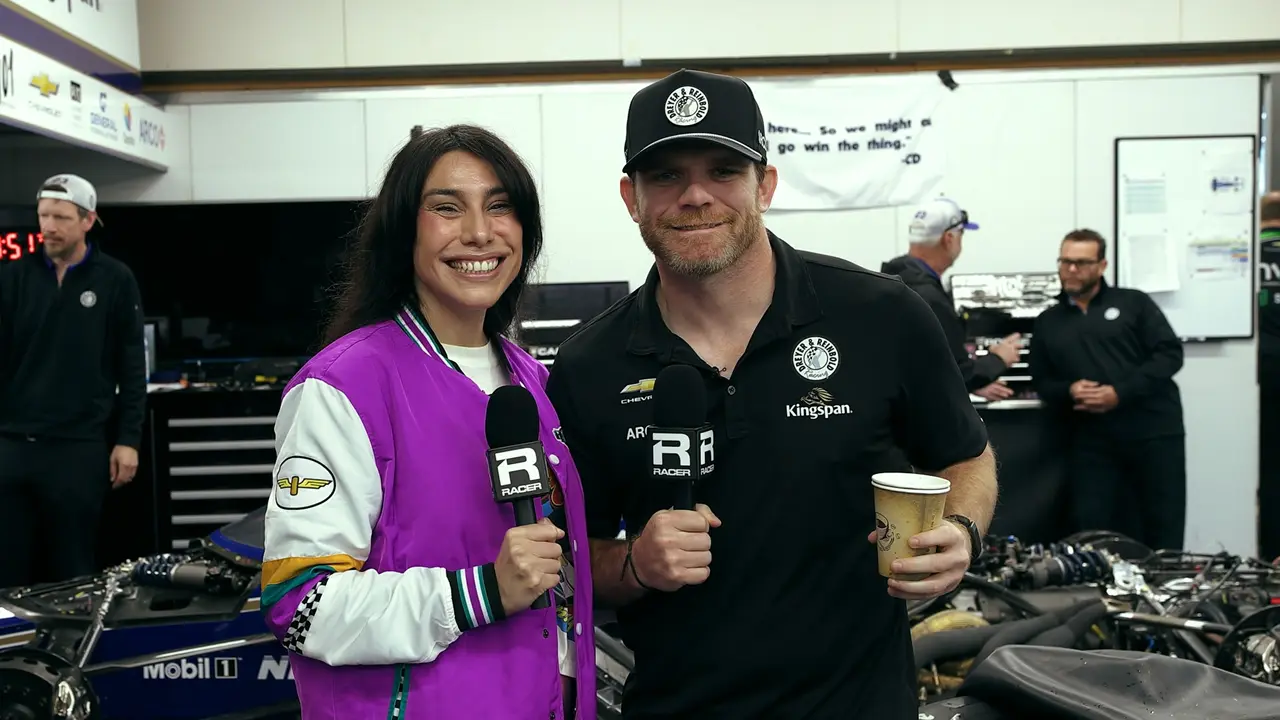
So, the hate on social media, because that's a big transition to go from I'm writing behind the scenes to here I am, front and center. You're exposing yourself and you're vulnerable and you really have to have thick skin. I stopped reading the comments.
What are the top 3 qualities that have helped you succeed in your role?
People skills
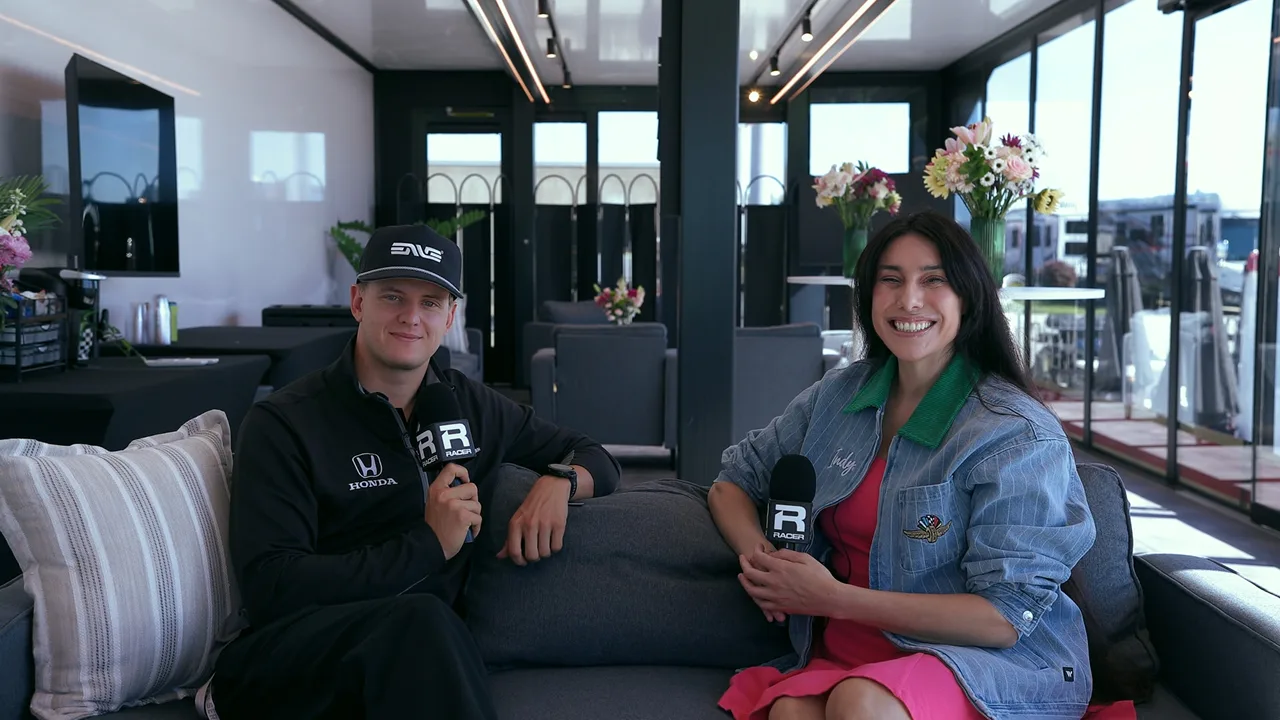
I would say my people skills are probably number one. For me, it works. I don't want to be insensitive to people who are introverts, but for my role, I mean, if you're interviewing people and interviewing drivers, you have to have a personality, you have to be a little extroverted.
Passion
When you're passionate about something, you're going to put your all into it. I mean, if you have just a normal job that you hate, that you're just using to pay rent, you're not going to give that your all, right? You're going to do what you have to do to get the job done to make ends meet. But when you are following your passion, something really beautiful happens, where you lean into it. You can let your guard down a little bit and be a little vulnerable or just put yourself out there, but when you are passionate, you go for more. So, like I said, passion is the key.
Journalistic experience
Starting out as a motorsport journalist has been really good, and that's something, probably, that people can kind of relate to. Sometimes you evolve into things, but at the core of who I was, I was writing features or writing news pieces. And I think that when you have that as a foundation, it makes being a presenter that much easier. The quality of work is going to be better.
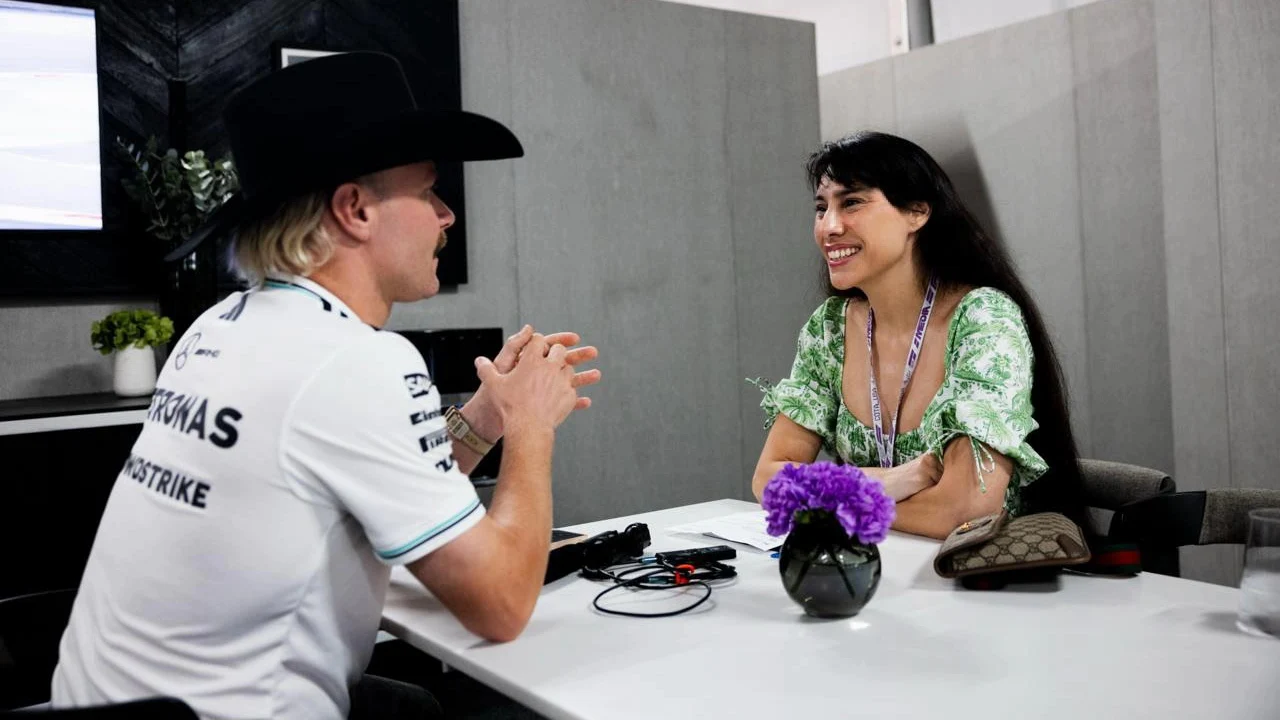
Times have changed now, thank goodness, and people can be content creators, people can be influencers, and I think that's great. Now, you don't have to go that route, but I think for me, that's what I wanted. I wanted to be taken seriously, and I wanted that background, so it was important for me. I think it paid off.
Mandy’s Advice
If you could go back and give advice to your younger self, what would that be?
Be kind to yourself. I still try to be kind to myself. I'm my harshest critic. I will always be that way, and I'm still learning, trying to get better at that. I remember when I first came into IndyCar, it was not all unicorns and everything was great. I got bullied right off the bat, not by people like Marshall, or David, or journalists like that, but some of the legacy journalists didn't like me. They didn't like that I was different, and I was different. I had my father in me. I have my father in me. I'm excited to talk to drivers, I show enthusiasm because I love what I'm doing, and now I think it's more accepted, but at that time it wasn't.
Not only am I going to be a motorsport journalist, I'm going to be a serious one, and I tried to be a little bit more serious, and I found myself… I know it's hard to imagine me not being me, but I would scale my personality back, tremendously, and just try to be more robotic and more of this and that, and it never worked, and it never worked because I wasn't being true to myself, and it never worked because it came off as the opposite of what I wanted. Now you're trying to be someone you’re not, so you're a little bit more trying too hard. So, when you're not yourself, it shows. So, whatever it is, just embrace yourself, embrace your personality.
Fun Closing
What has been your most memorable moment working in motorsports?
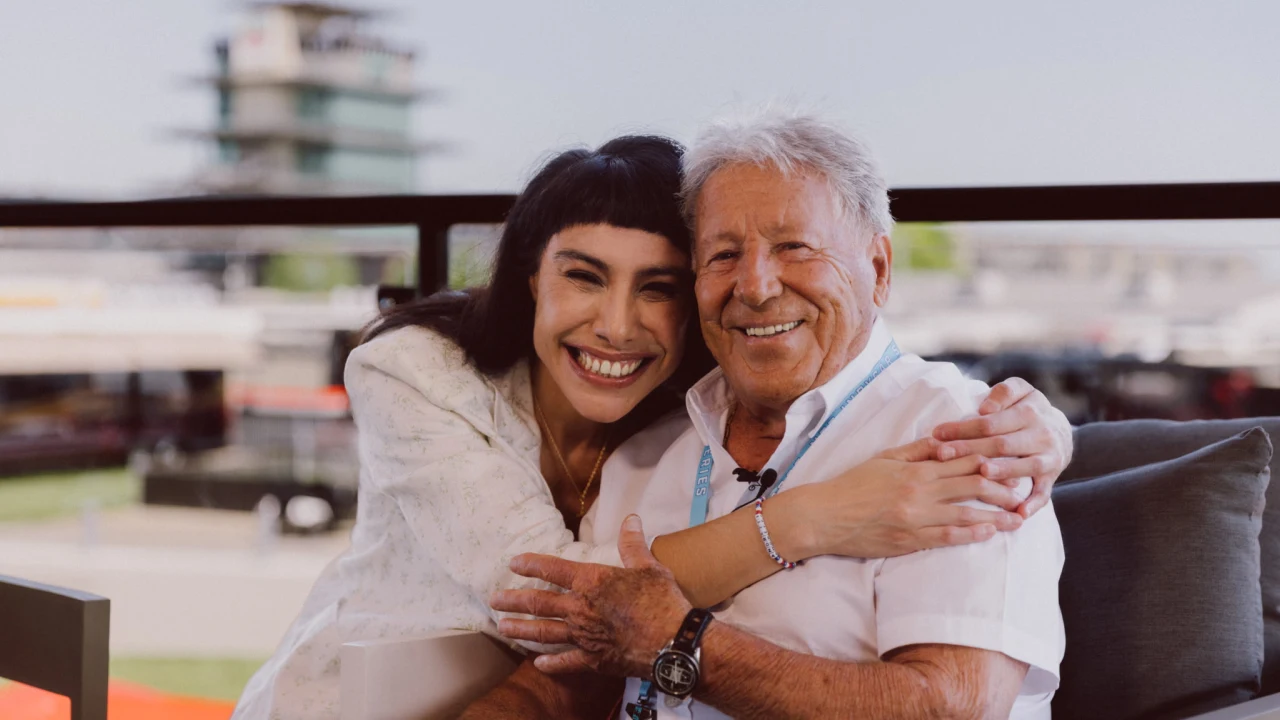
I kind of have two. One is the Mario Andretti interview I did. Just him remembering me, with my dad, my dad taking me to races, and he remembered me and told me I have the same energy that I had as a little girl. It's great that he remembers me.
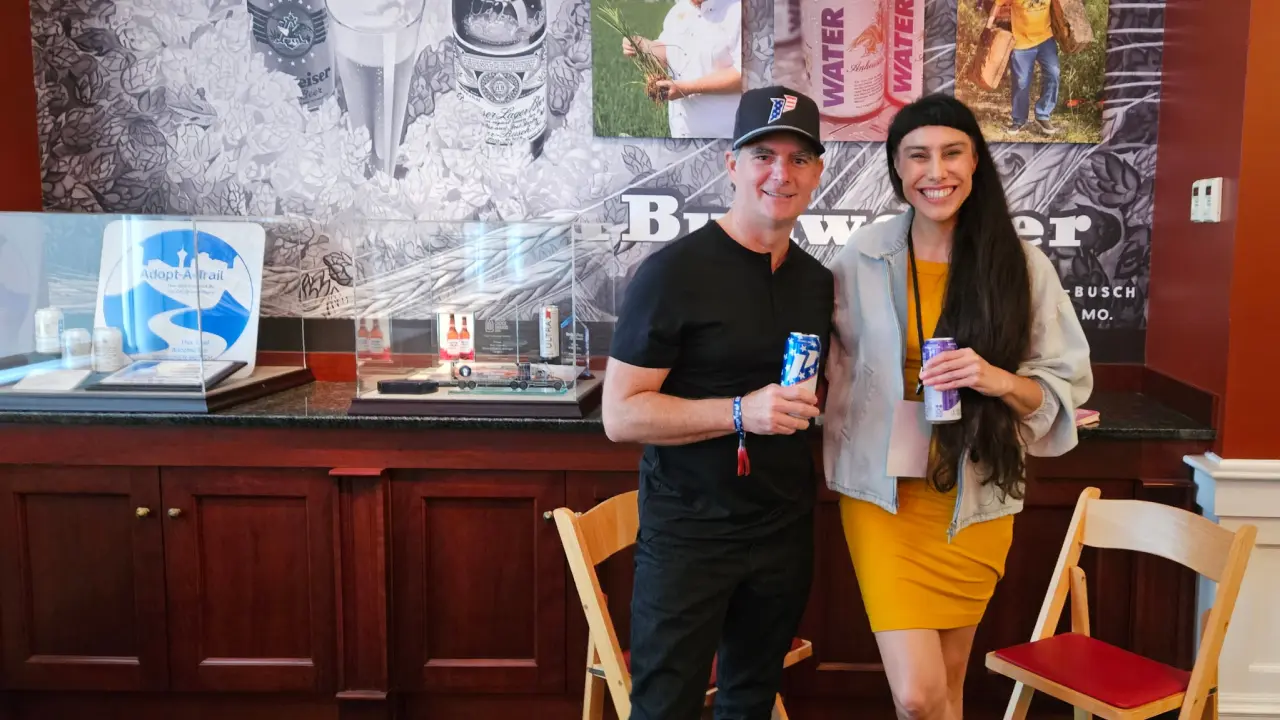
The second was last year when I interviewed Jeff Gordon for Road & Track Magazine. That was really pivotal, and I'll tell you why, because the Motorsport.com stuff happened. To be honest, though, here's the thing, when you work with a publication for a while, their identity kind of becomes your identity and your voice, things like that. So, I was very much… I mean, I had a good voice, it's just that I hadn't found my voice yet, if that makes any sense.
And I remember a colleague of mine, Mark Hughes, he's a fantastic legendary F1 writer. I remember him always saying, “You need to focus more on features. Your news stuff is fine, is good, but you need to start putting your personality into your work and finding your voice.” And that stuck with me.
So, I interviewed Jeff Gordon, and I thought, this is my perfect chance to just… I'm just going to be myself. I did my interview with him, and for the first time, I was so proud of that Road & Track feature that I did with him, because you could tell I wrote it, that it came from me. I put my spin on it, but I completely felt comfortable to where I finally let the guard down. I could honestly say this piece was all me. I poured my heart into it. You can see my personality in it, and that was a huge deal. That was a huge deal, because that was the precursor to me doing this, what I'm doing now, presenting. It’s me putting my personality out there into my interviews. Because if I hadn't taken that step with Road & Track, I might not have felt comfortable doing what I'm doing now.
Do you have a dream race to work or a dream driver to interview?
Definitely working on my Triple Crown. I've done Monaco. I've done the Indy 500. I want to do Le Mans. That's something on my list. That's something I really want to do.
In terms of interviews, like having one-on-one time with people, I would honestly say two of my favorite current F1 drivers have always been Max [Verstappen] and Lewis [Hamilton], both of them equally, which is strange, I know.
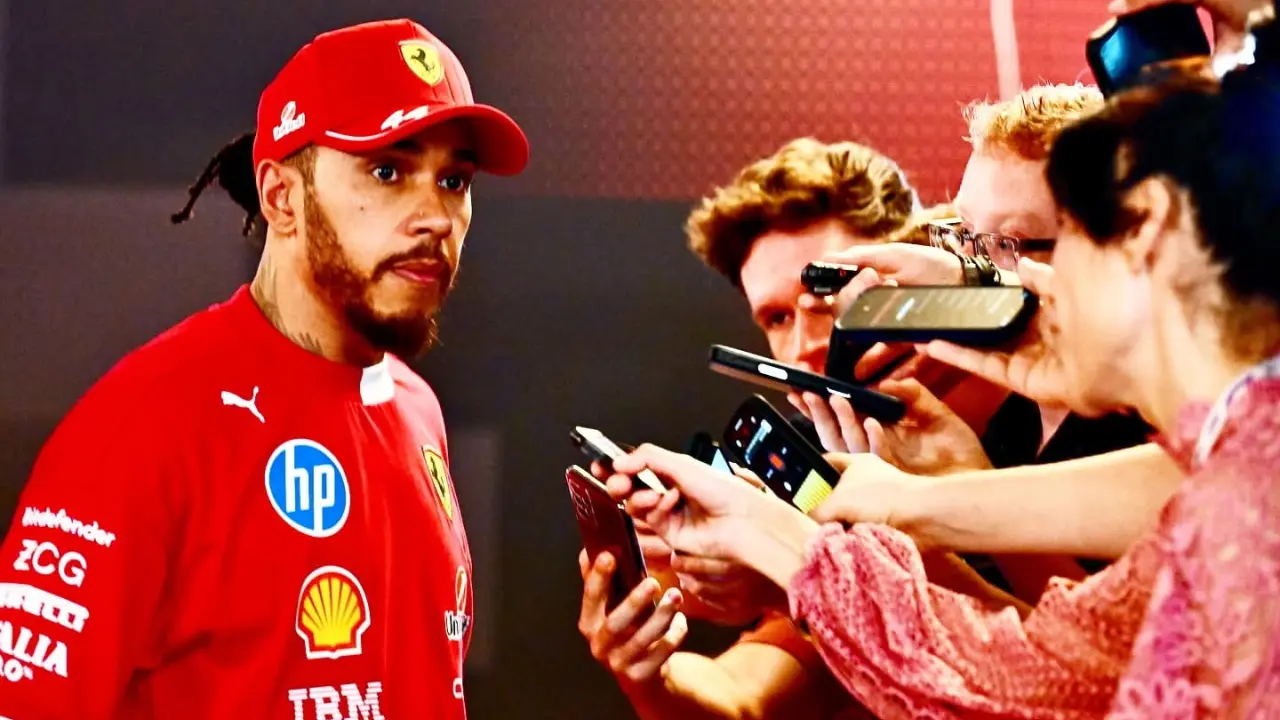
They both have done so much for F1, when you look at it, competition-wise and stuff like that. If I could get any time with either of those two, I think I would be on cloud nine forever.
Want to learn more about other professionals across motorsport series? Then check out all of our Fast Lane interviews, or jump right into one of these:

%20(1).jpg)
.webp)
.png)
.png)