

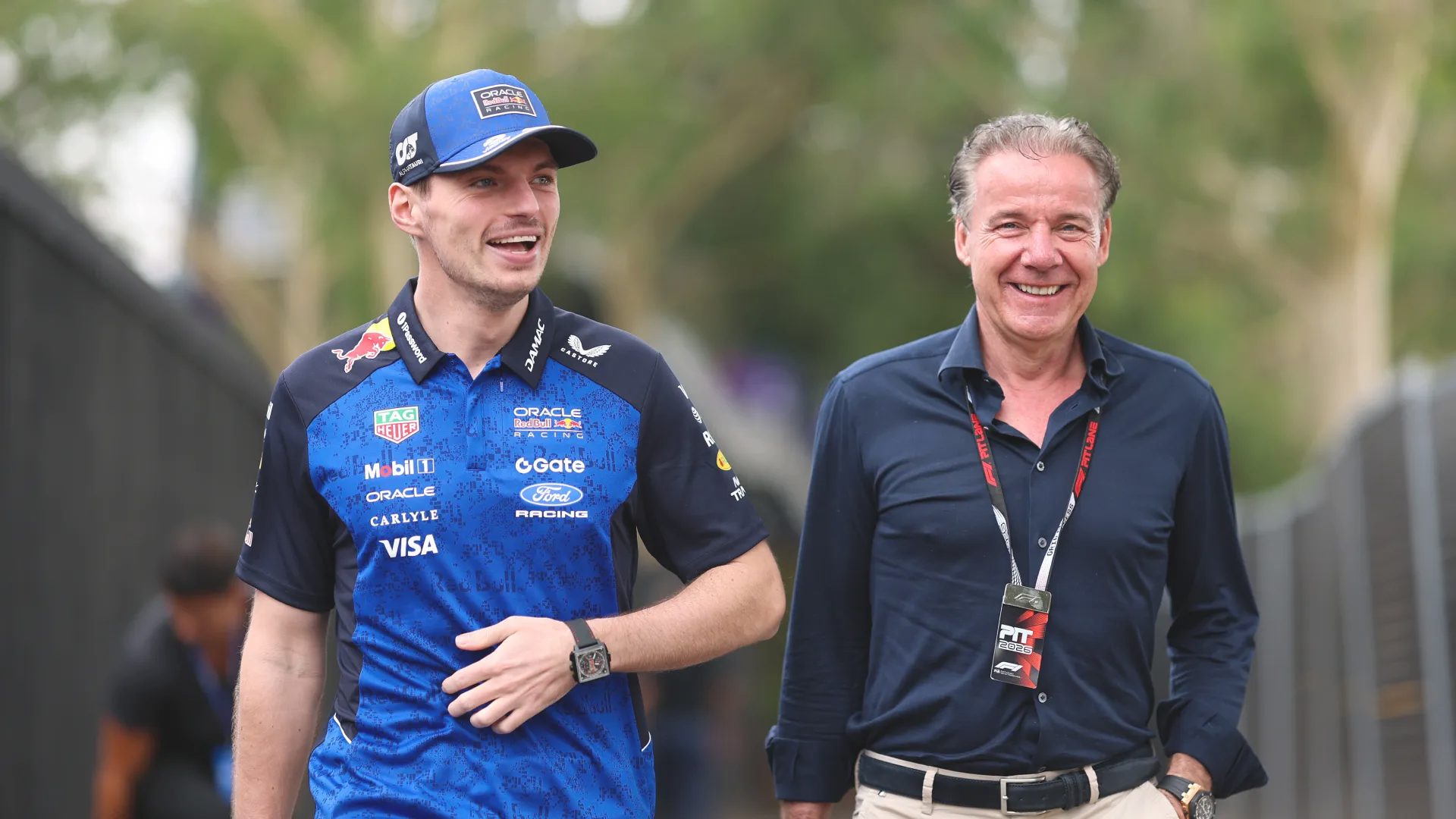


The responsibilities of a Formula 1 driver don’t simply start on the Friday of a race weekend and end when they reach the checkered flag on Sunday. From training to be in peak performance shape to juggling sponsorship deals and media duties, the work can often seem impossible for just one person to handle. And that’s because it is.
This is where driver managers come into the picture. But what does managing the career of an F1 driver actually entail? In this article we are answering that question in full detail by taking a look at what F1 driver managers do, why drivers rely on them so heavily, and who manages the grid today.


Behind every driver is a different management setup
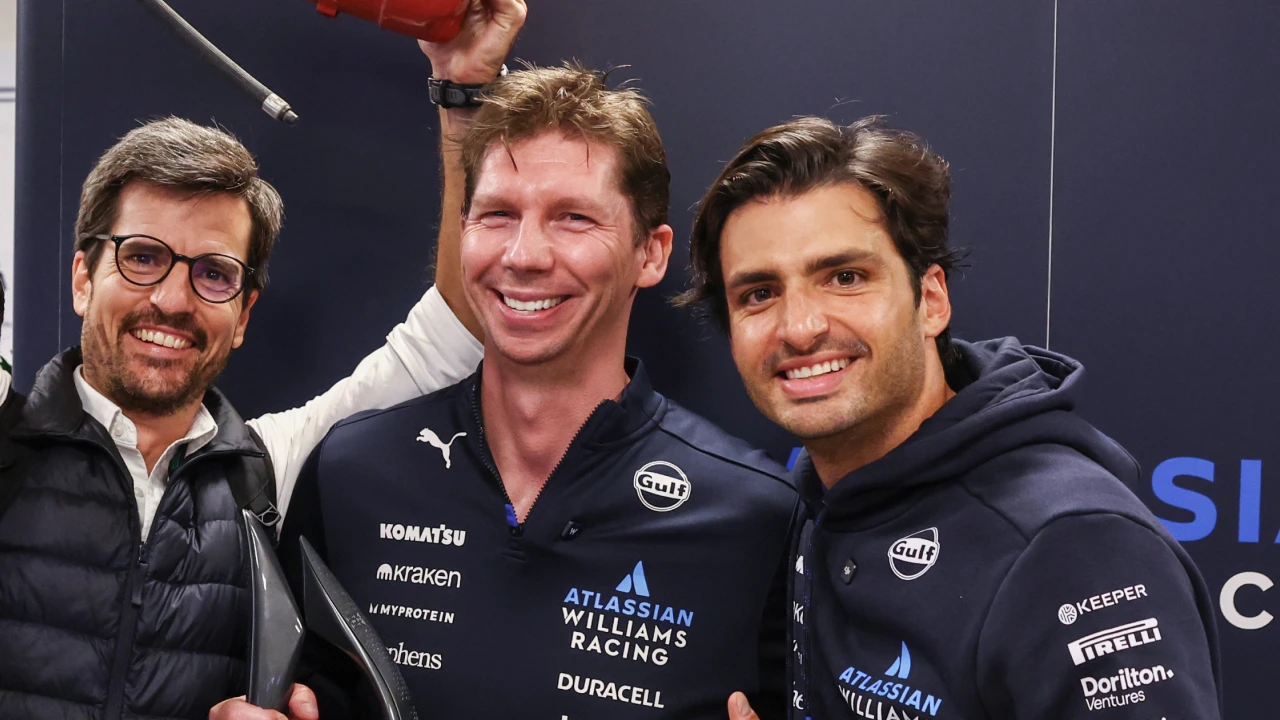
Driver management can take several different forms. Some members of the grid are aided by one person, like Carlos Sainz, who is managed by his cousin Carlos Oñoro, or Charles Leclerc, who has been working with Nicholas Todt since he was 14 years old.
Others work with a team of individuals from a dedicated company, such Lando Norris who works with Mark Berryman and Fraser Sheader of ADD Management, and Oliver Bearman who is affiliated with WH Driver Management.
But regardless of what the structure looks like, the role remains largely the same.
As Haas newcomer Rafael Camara’s manager, Enrico Zanarini, said in a recent interview with Motorsport, “In our world, you live alongside the drivers every single day.”
So what do F1 driver managers do?
The short answer to that question is: everything except taking the wheel.
“Other than driving the car, I'm more or less involved in nearly every aspect of the driver's life!” said Oñoro, in a conversation with F1 during the summer of 2026.
The long answer is that managers oversee almost all of what happens outside the cockpit of an F1 car, allowing drivers to focus as much of their energy as possible on the racing.
“My role covers personal stuff like taxes, finances, lawyers – everything that Carlos needs away from the track – and on track,” continued Oñoro, “there’s the relationship with the team, contracts, sponsorships and just traveling around with him.”
While every driver’s relationship with their management will be tailored to their specific needs, there are several services that are most commonly offered. Here is a quick breakdown of what they are:
Career development: One of the biggest responsibilities managers have is to help drivers make informed, strategic decisions that will help them reach their career goals. This includes picking the right feeder or junior series to participate in, evaluating team and sponsorship opportunities, and helping with long-term career planning.
Contract negotiations: This is usually at the top of everyone’s minds when they think of managers, as they are the ones who communicate with sponsors and team representatives, and who advocate for a driver’s best interests during contract negotiations.
Driver development: Driver development, including physical training, nutrition, mental and psychological coaching, and so on, is a major part of the job, whether it’s a single manager connecting his driver to the right people or a management company with experts working directly under their roof.
Public relations (PR) services: This entails everything from media training and social media management to arranging on- and off-track event appearances, activations and so on.
Who are the managers of today’s F1 grid?
All 22 drivers on the current F1 grid have their own personal management team. Whether it is one person they have been working with closely or an entire company, here’s who’s working behind the scenes so that drivers can focus on doing their best on and off the track.