


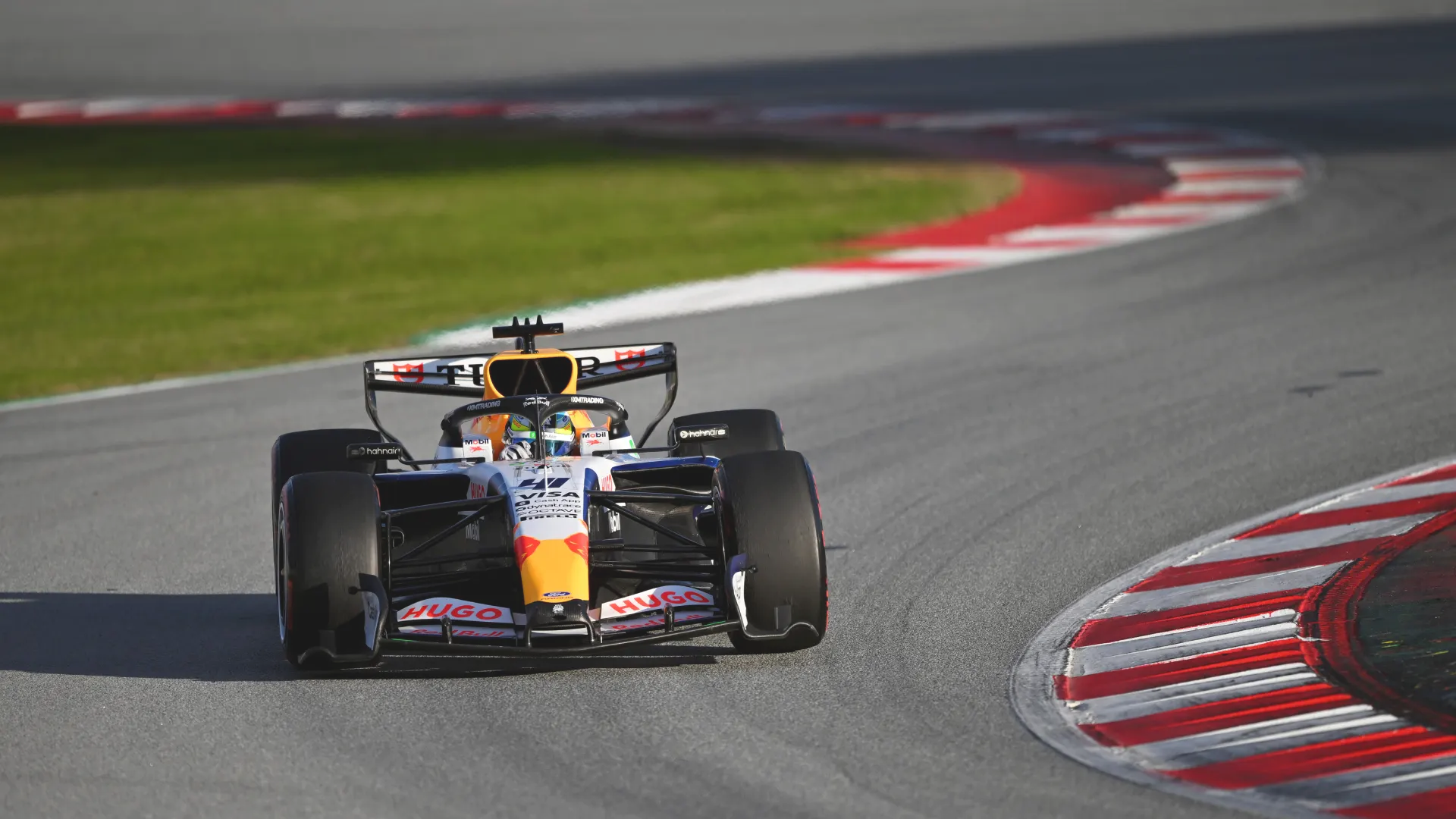


.png)
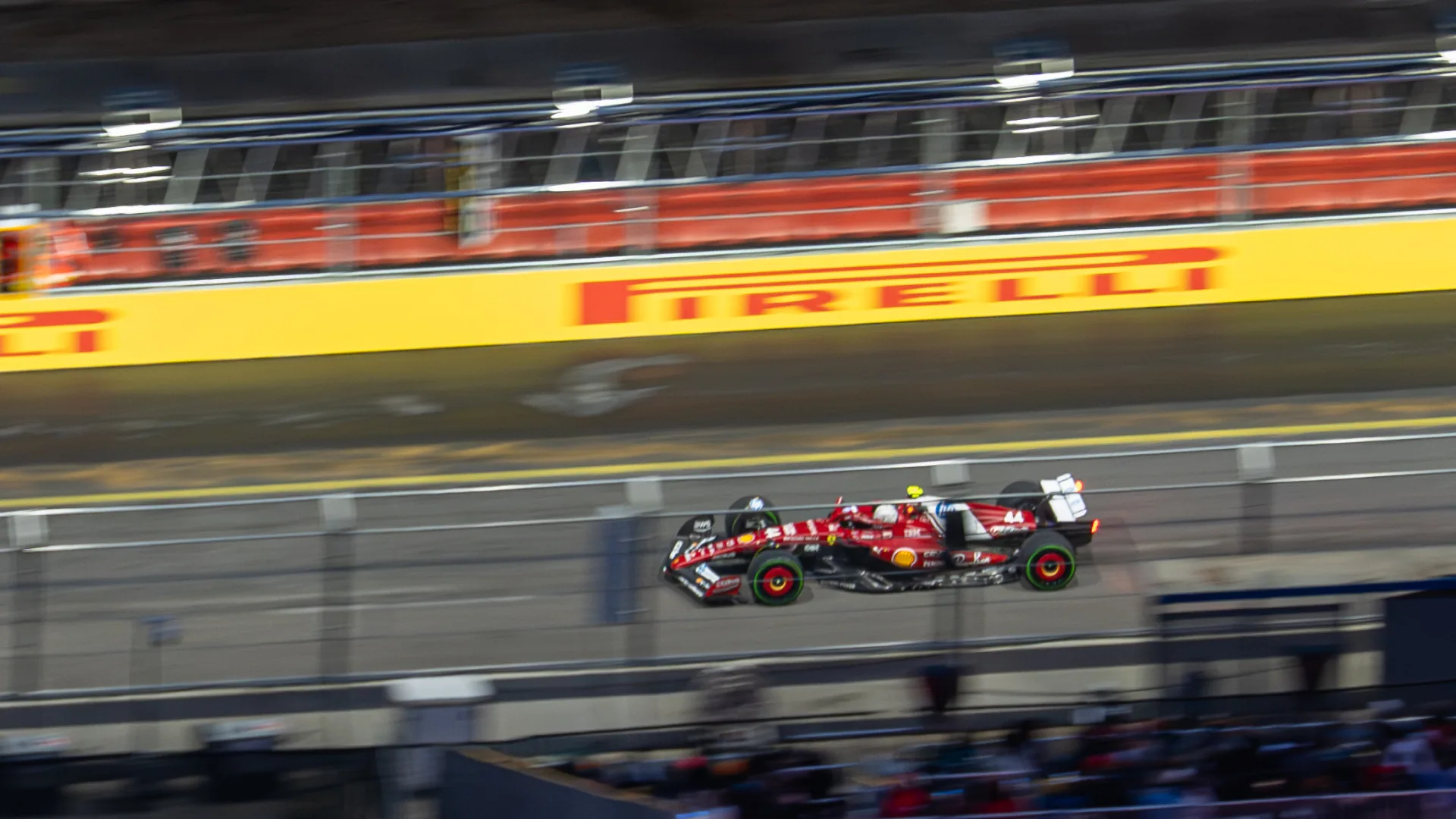
Just like a regular person needs a driver’s license before they get behind the wheel, Formula 1 drivers need a specific type of license, called a Super License, before they zoom down a straight at nearly 200 mph (300 km/h).
But what exactly is a Super License, why do some cost over $1M to maintain, and how does a driver get one? We’ve got all the details for you below!
What is a Super License?
A Super License is a specific type of competition driver’s license given by the Fédération Internationale de l'Automobile (FIA), which allows the holder to compete in the F1 World Championship.
Initially introduced in the 1990s, its purpose is to make sure that those in F1 have entered the sport based on both safety and merit. The process of getting this license requires drivers to demonstrate that they have the skills, knowledge and experience it takes to not just handle something as complex as an F1 car, but to do it well and to do it with as little risk as possible.
With that, you might be wondering how exactly someone gets their F1 Super License.
How does an F1 driver get an F1 Super License in the first place?
The FIA has outlined the exact specifications for a Super License in Article 13 of the International Sporting Code, but to make things a bit more digestible, we’ve broken down the five main requirements for you here:
1. Drivers must hold a current FIA International Grade A license:
The FIA gives out many different types of licenses, and among them are the International licenses that allow drivers to participate in various levels of international racing series.
To qualify for a Super License, one must first already hold a Grade A international license, which is the highest grade available. It has its own set of rules and requirements that must be met, enabling the holder to drive single seater and prototype cars (think all the Formula series, IndyCar and so on).
2. Drivers must be 18 years of age or older
In 2016, the FIA introduced an age minimum of 18 years for anyone hoping to get a Super License. This was done following Max Verstappen’s debut in 2015 as the youngest F1 driver in the history of the sport, when he was just 17.
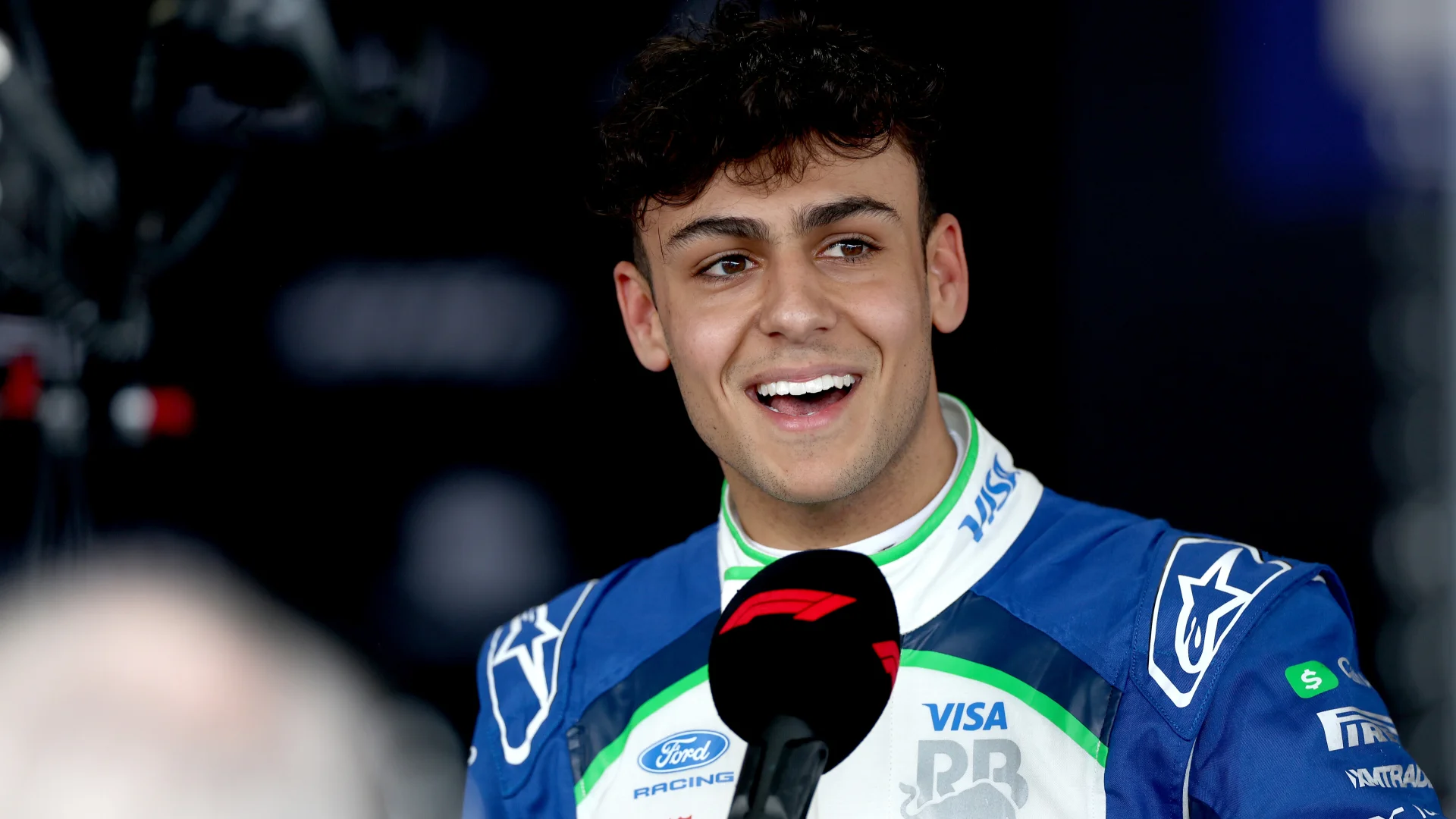
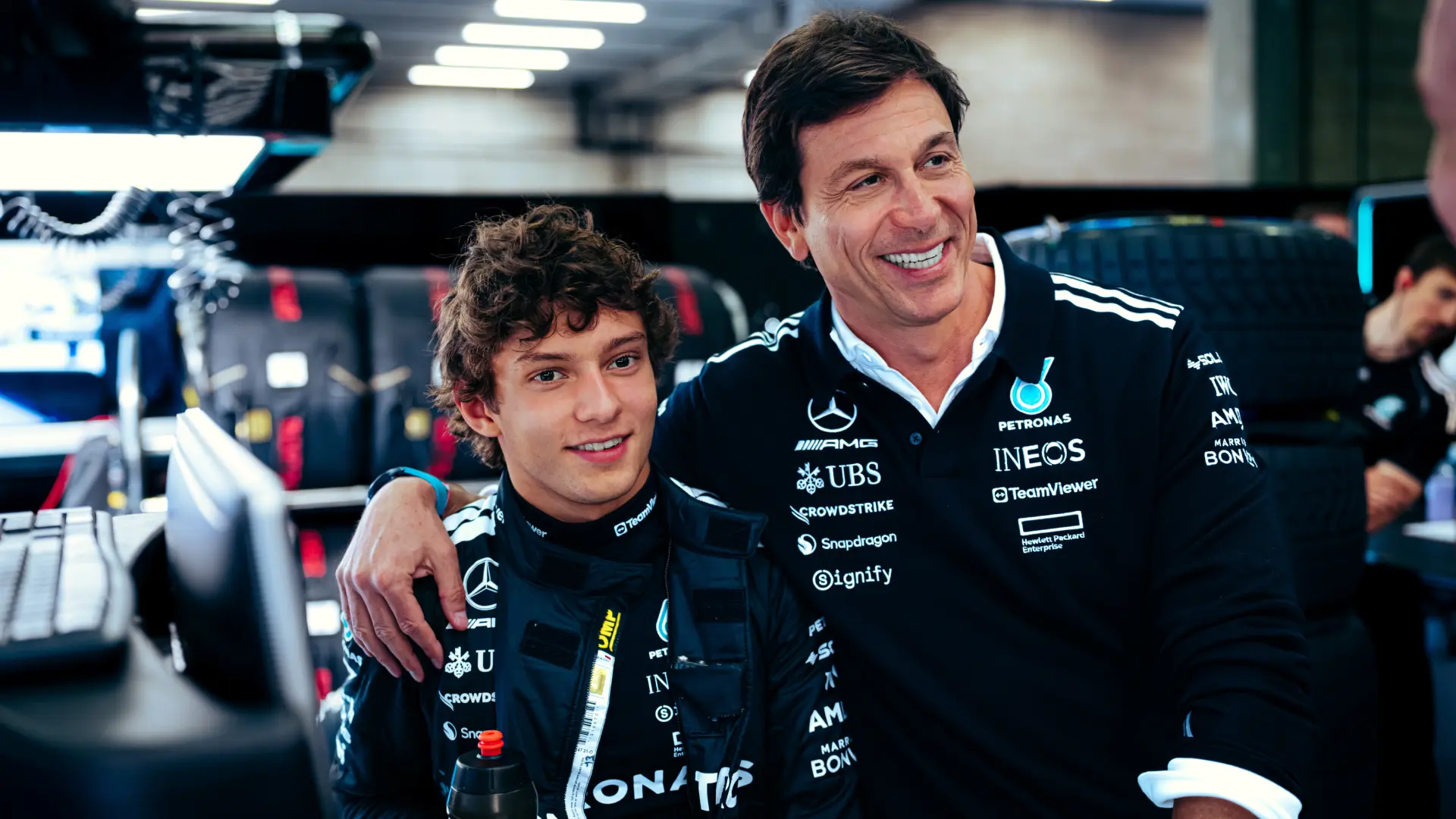
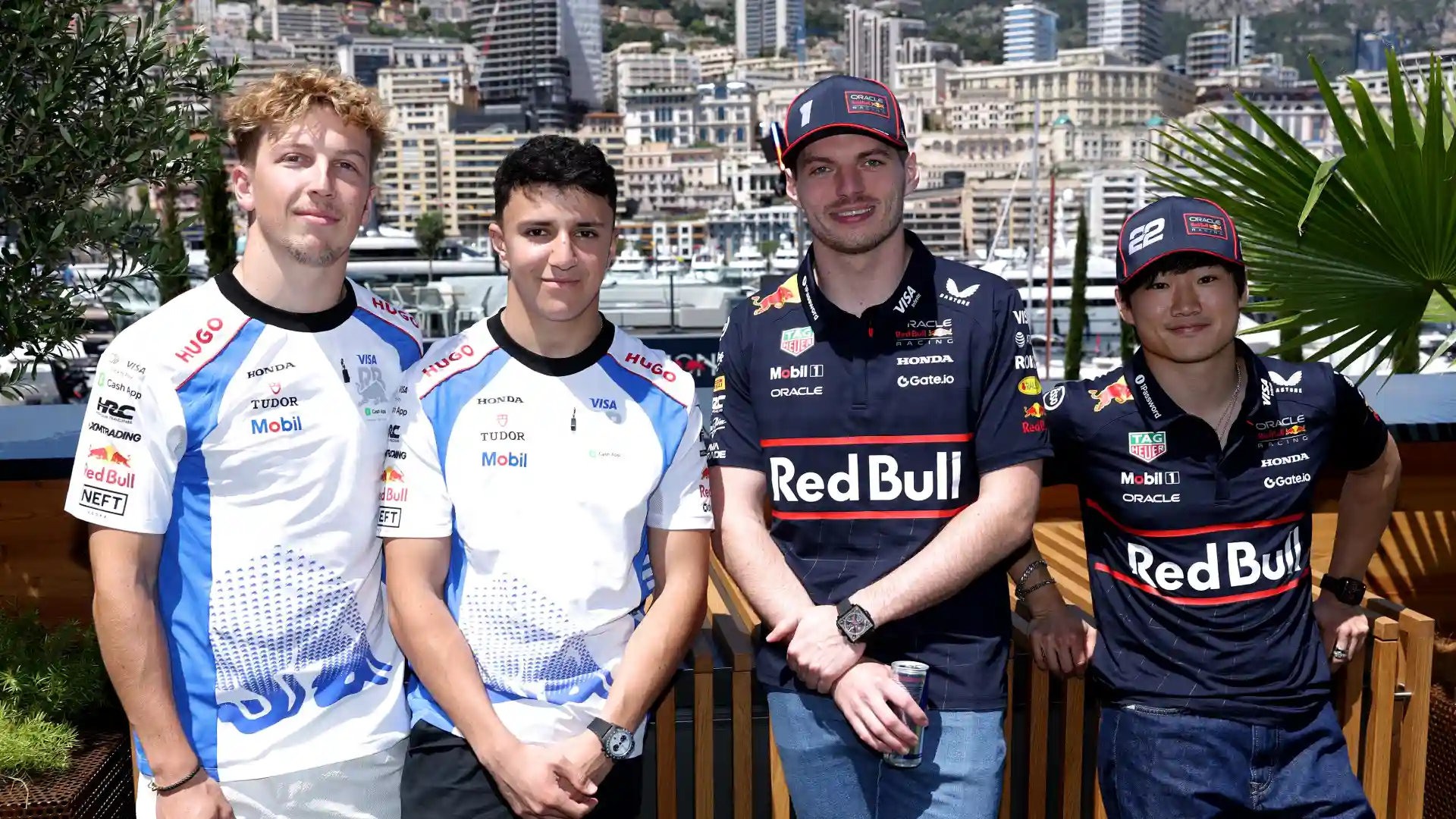
That said, these rules did relax a little bit as of 2024, and drivers who are 17 years old and “outstanding ability and maturity in single-seater formula car competition” can get a Super License at the discretion of the FIA. Kimi Antonelli obtained his Super License in this way for the 2025 season, as did 2026 Racing Bulls rookie Arvid Lindblad ahead of this year’s season.

3. Drivers must pass a theory test
Like a regular driver’s license, the FIA Super License comes with a theory component too. Drivers must show that they understand the technical and safety aspects of F1 by answering questions about the FIA’s current International Sporting Code and of the F1 Sporting Regulations. Of note, this test is only required the first time that a driver applies for a Super License.
4. Drivers must have previous experience in a single seater
The first time someone applies for a Super License, they have to have competed in two single seater championship seasons from a list of series recognized by the FIA. This could be two seasons in one series, or one season in two different series. More specifically, they have to have completed at least 80% of each season they raced in.
5. Drivers must have 40+ Super License points
To qualify for a Super License, drivers must have accumulated at least 40 Super License points by competing in racing series recognized by the FIA. The list of applicable series is quite long, and includes Formula 2, Formula 3, Formula E, Super Formula, IndyCar, FIA WEC (Hypercar only), the NASCAR Cup, and more.
These 40 points need to be earned across a three year period. This can be in the three calendar years before a driver submits their Super License application, or in the two years before as well as the year of the application.
How do drivers earn Super License points?
Simply competing in one or more of the racing series that contribute Super License points is not enough. Drivers must rank high enough within a given championship to earn those points.
Points are accumulated on a rolling three-year basis, and typically, the more advanced the championship, the deeper into the field points are awarded. For example, only first and second place finishers in the Junior Category of the FIA Karting Continental Championships are awarded points (two and one points, respectively). Meanwhile the entire top 10 in the likes of F2 and IndyCar will earn points towards a Super License. Winning IndyCar, or coming in first, second or third place in F2 will get you the full 40 points needed for a Super License.
Colton Herta, who is currently a reserve for Cadillac with the hopes of becoming a full-time F1 driver in the near future, is sitting at 35 points for the time being. All 35 came from his previous three years in IndyCar, where he placed 10th in 2023 (one point), second in 2024 (30 points) and seventh in 2025 (four points). The one point he earned in 2023 will expire this year, meaning that he needs to score at least 6 points in 2026–by placing 8th or higher in F2, for example–if he wants to get his Super License and join the F1 grid in 2027.
Here is just a subset of series and Super License points a driver can earn based on their performance:
Are there other types of Super Licenses?
A standard Super License is not the only one that an F1 hopeful can get. Younger drivers looking to show their potential in free practice can get a Free Practice Only Super License. This was introduced in 2019 as a way to facilitate a path for teams to assess their junior program drivers and give them some experience behind the wheel of an F1 car. Think Dino Beganovic for Ferrari or Alex Dunne for McLaren.
The Free Practice Only Super License comes with its own requirements, which are similar to but slightly more relaxed than those for the standard Super License. For example, while they still need a Grade A International License and be 18 years of age or older, holders of a Free Practice Only Super License do not need to have 40 Super License points. Instead, they need to have accumulated 25 points or more over a three year period, or competed in at least six rounds of an F2 Championship.
How and why do drivers renew an F1 Super License?
Once they have a Super License, drivers have to renew it every year in order to keep racing in F1. Thankfully, the renewal process is much easier than the initial application process, and is most often handled by the driver’s team.
To renew their current Super License, F1 drivers need to have driven at least 100 km in Free Practices over the previous 3 years. Given that the average F1 race is 300 km, this requirement is easily achievable by most F1 drivers over a single race weekend or two. Alternatively, if the last time they were issued a Super License was over three years ago, a driver can still be given a renewal at the discretion of the FIA, if they have “recently and consistently demonstrated outstanding ability in single-seater formula cars.”
The only other thing required is for the driver’s F1 team to certify that they have briefed the driver on the most important points of the current International Sporting Code and F1 Sporting Regulations. This is in place of the test that first-time applicants must do, and ensures that all drivers stay up to date on the rules, regulations and safety precautions of their sport.

How much does it cost to get a Super License?
The final thing to cover when it comes to the F1 Super License is the cost because, indeed, getting and renewing this license is not free. Thankfully for the drivers, teams will usually cover these fees, as they can get quite hefty.
The flat fee for a Super License for 2026 is €11,842 (about $14,060 USD). This is the fee that drivers who haven’t accumulated any points in the previous season, like Franco Colapinto, rookie Lindblad, and returning vets Sergio Perez and Valtteri Bottas, are expected to pay.
But additional fees await those who have scored points in 2025. Specifically, they are required to pay €2,392 ($2,840) per point. This means that, with his 423 points, current Drivers World Championship, Lando Norris will be getting a final bill of about €1,023,658 ($1,215,290) for his Super License. Verstappen’s 421 points will net him €1,018,874 ($1,209,610), while Oscar Piastri is due €999,562 ($1,186,680) after he scored 410.
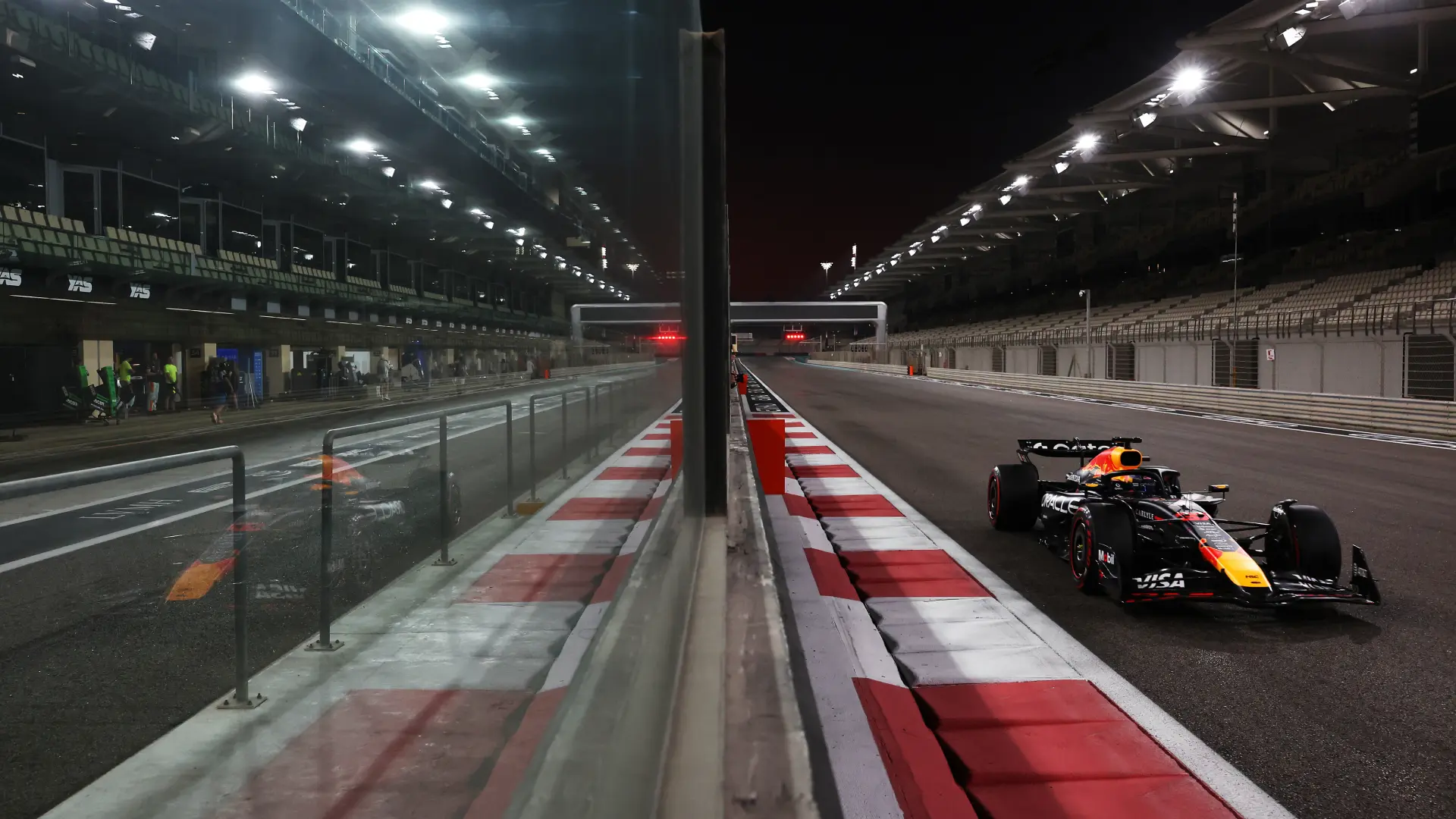
Cover image via Red Bull Media Pool.








.webp)

.webp)





.webp)














.webp)









.png)
.png)