


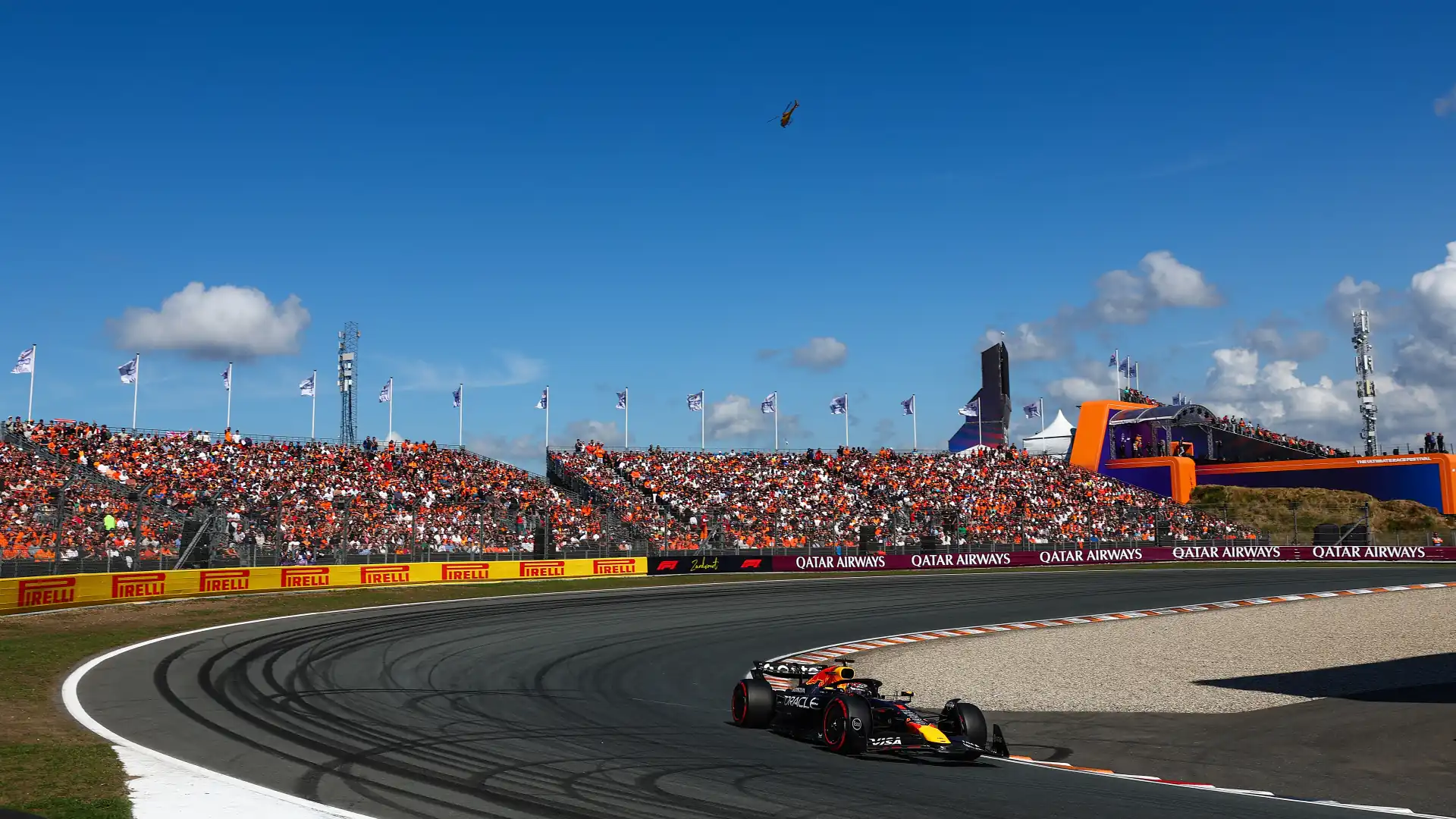

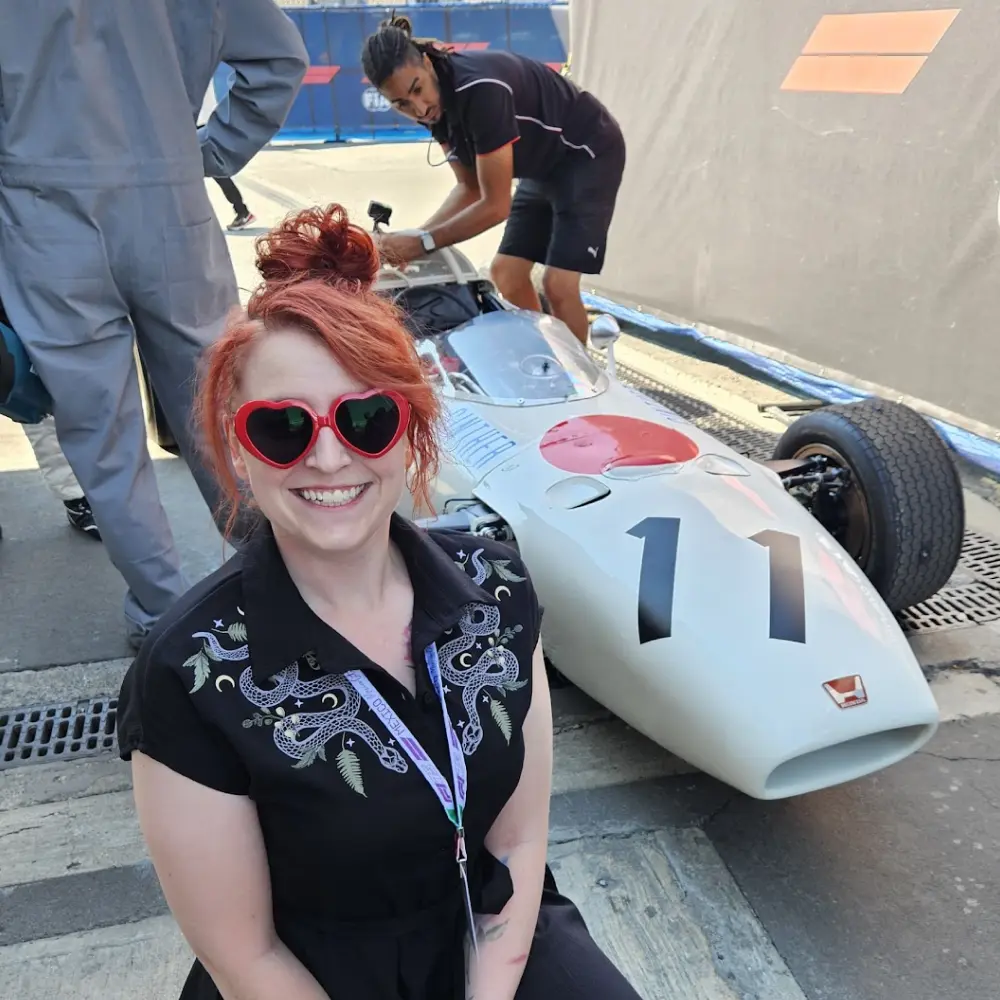

For decades, motorsport fans have flocked to the coastal sand dunes of a little town called Zandvoort in the Netherlands, which has played host to the Dutch Grand Prix since 1952 — and thanks to its longevity, this is a track positively packed with references to its own rich history.


Now, it's worth noting that the Circuit Zandvoort we know today is not the original circuit used when the Dutch Grand Prix first joined the Formula 1 calendar in 1952. Almost all of Zandvoort's layouts have clocked in at around 2.6 miles, but those original layouts featured far more flat-out corners and straights when compared to the twistier sections that have been added since the 1980s. That's because the track was initially composed of public roads.
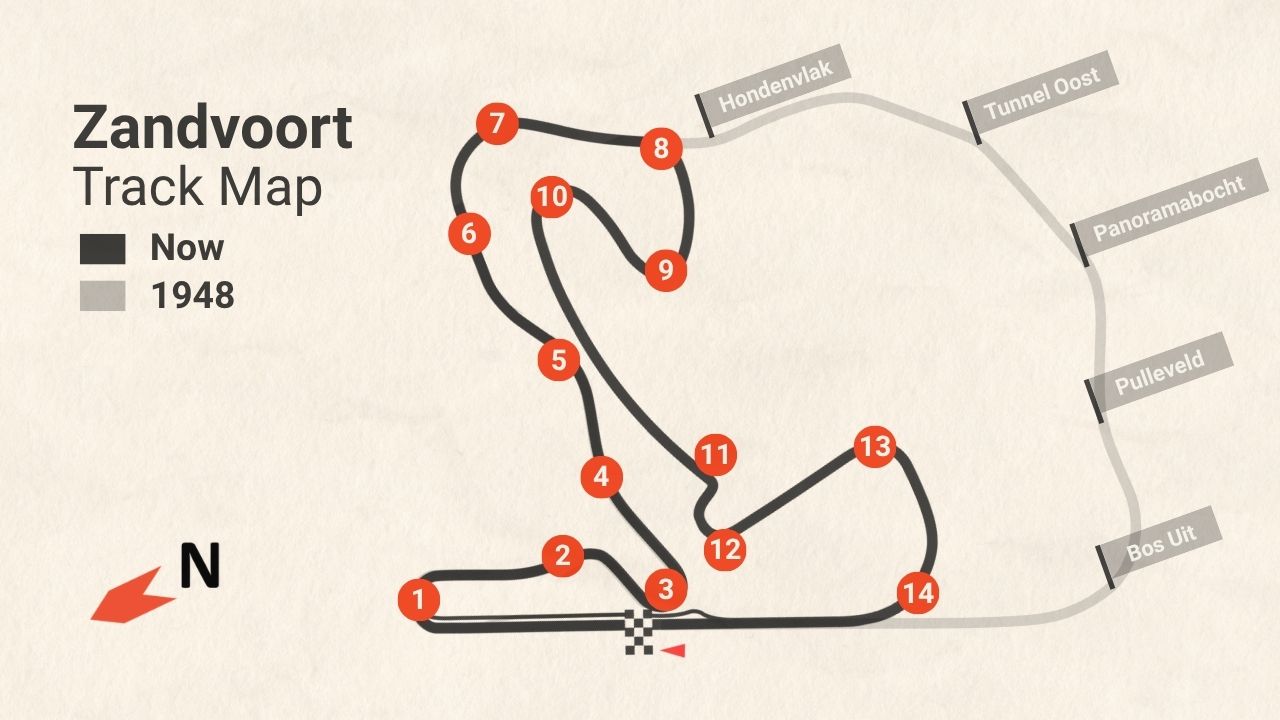
Thanks to those more modern changes, many of Zandvoort's corners have only recently been named, and that means the names have been chosen with intention. Almost every corner hearkens back to some element of Dutch racing history, and I’m going to take you on a tour of that history today.
But before we begin, here's a little Dutch tip: You'll see the word ‘bocht’ a lot in this article, either tacked onto another word or separated out as a word of its own. That's because ‘bocht’ means ‘bend’ in Dutch.
Turn 1: Tarzanbocht
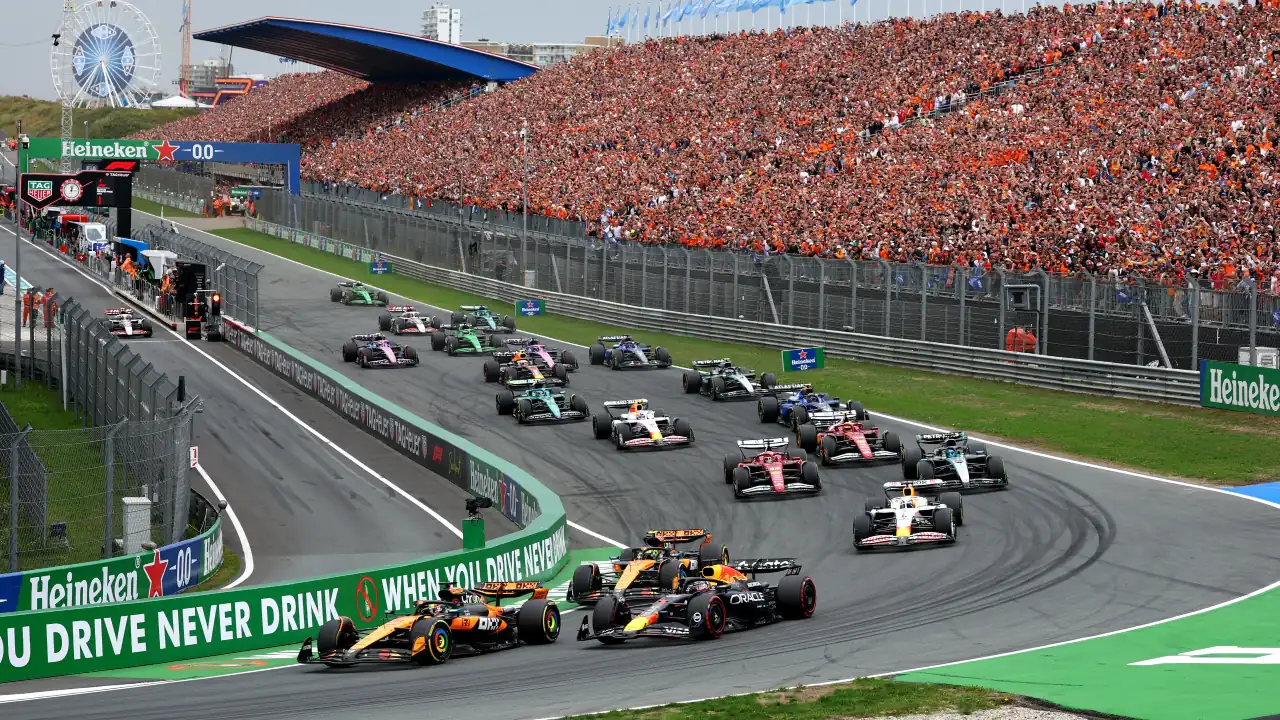
Let’s start our trek through history from the start line of Circuit Zandvoort. On race day, 22 Formula 1 cars will careen toward the tricky, banked, 180-degree first corner known as Tarzanbocht. This corner is nice and wide, which means during that mad first-lap dash, you'll see drivers taking multiple different racing lines in an effort to gain track position early on.
As legend has it, this hairpin corner — which has remained exactly the same through every single layout evolution — allegedly would have carved through the vegetable garden of a man nicknamed Tarzan whose property butted up against the track back when it was first founded. Tarzan would only give up his garden if that first corner were named after him.
Is that true? Well, as with plenty of colorful stories in motorsport history, I have no clue! There have been plenty of other suggestions for how this part of the track got its name. One claims that the piece of machinery used to pave the corner was nicknamed ‘Tarzan,’ while others attribute the name to the fascination with the film Tarzan of the Apes. There's simply no way to know for sure.
Turn 2: Gerlachbocht
From the tight first corner, drivers sweep into a sharp left-right kink complex known as Gerlachbocht.
Throughout its history, Zandvoort has claimed the lives of many racing drivers, and one of them, Wim Gerlach, gave this turn his name.
Nicknamed the “Sporting Doctor,” Gerlach was an early example of the gentleman driver — or, basically, a driver who makes a living through non-racing means but who has the funds to compete. He started rallying in the late 1940s and was soon competing wherever and whenever he could.
Sadly, in June of 1957, Gerlach was killed when he lost control of his Porsche during a touring car race at Zandvoort. While leading his class in a field of over 80 cars, Gerlach skidded into some straw bales that were used as safety fences at the time, and the car went into a roll. The Porsche had no rollbar, and Gerlach was not wearing seatbelts — a recipe for disaster.
The track that Gerlach competed on back in the 1950s looks much different than the Zandvoort of today, but his memory has grown and evolved with the circuit since his death.
Turn 3: Hugenholtzbocht
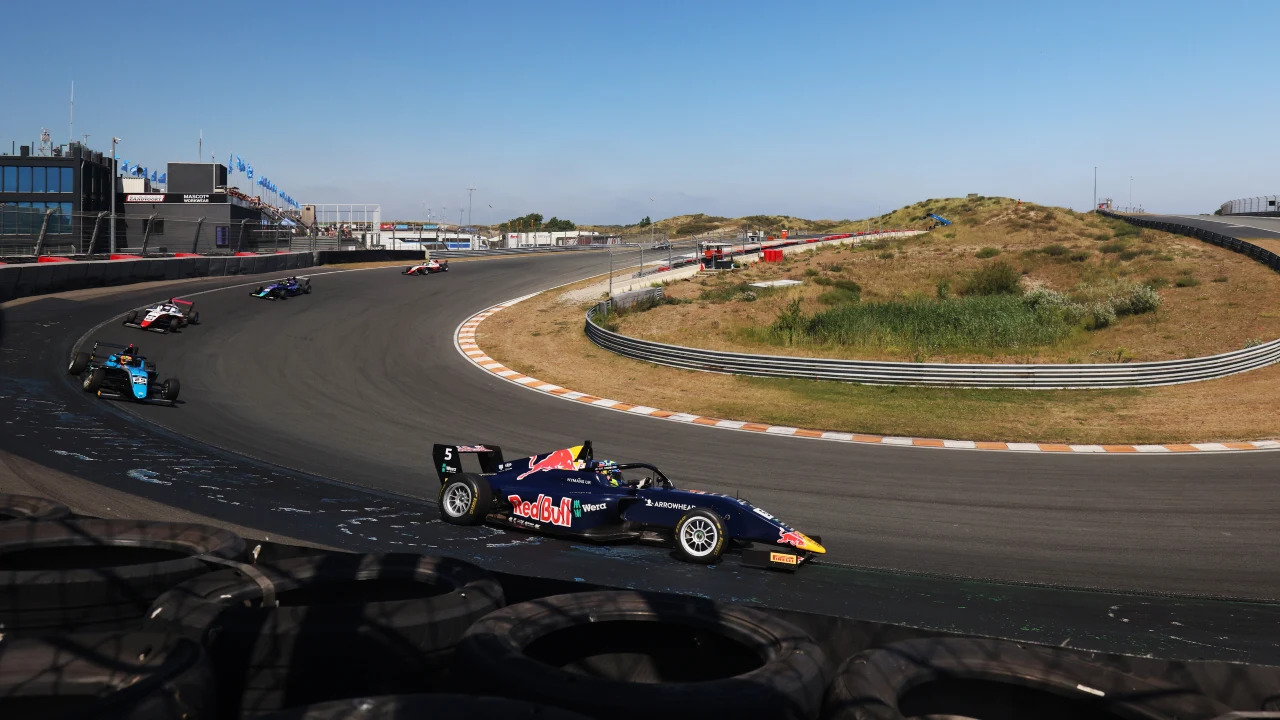
Coming into Turn 3, Hugenholtz, drivers are conquering a sweeping banked turn, encouraging them to commit to a high line in an effort to slingshot into the next bend. On a flat track surface, that high apex would look unnatural, but the banking means you'll get a critical slingshot effect with a line closer to the corner.
This corner is named after a gentleman named Hans Hugenholtz, a Dutch circuit designer turned track director. While many folks credit him with designing Zandvoort itself, that's actually not the case! Zandvoort took most of its layout from the natural flow of local roads, and any circuit-specific additions were made by a British journalist named Sammy Davis.
But Hugenholtz had a major impact on the design of plenty of other prominent tracks, many of which were used for F1: Suzuka in Japan, Zolder and Nivelles in Belgium, Jarama in Spain, and the stadium section of the Hockenheimring all bear Hugenholtz's signature.
That said, Hugenholtz was the founder of the Netherlands’ first racing club and served as Zandvoort's director from 1949 to 1974. He's more than earned naming rights to one of Zandvoort's most exciting corners.
Turn 4: Hunserug
Next, the full field of Formula 1 drivers will curve up a small hill, conquering a turn called the Hunserug. Today, Hunserug is known for its wheel-to-wheel action; drivers come flying off the banked Hugenholtz corner side by side and can remain that way as they conquer the next phase of the circuit.
This is one of the few corners on the track that doesn't feature the ‘bocht’ moniker, but that's because ‘rug’ translates to ‘ridge’ or ‘hill’ in English. The ‘Hunse’ element of Hunserug is named after a gentleman named Cas Hunse, who was longtime chairman of the Royal Dutch Motorcycle Association and one of the men involved in the original planning of Zandvoort's layout.
Turn 5: Slotemakerbocht
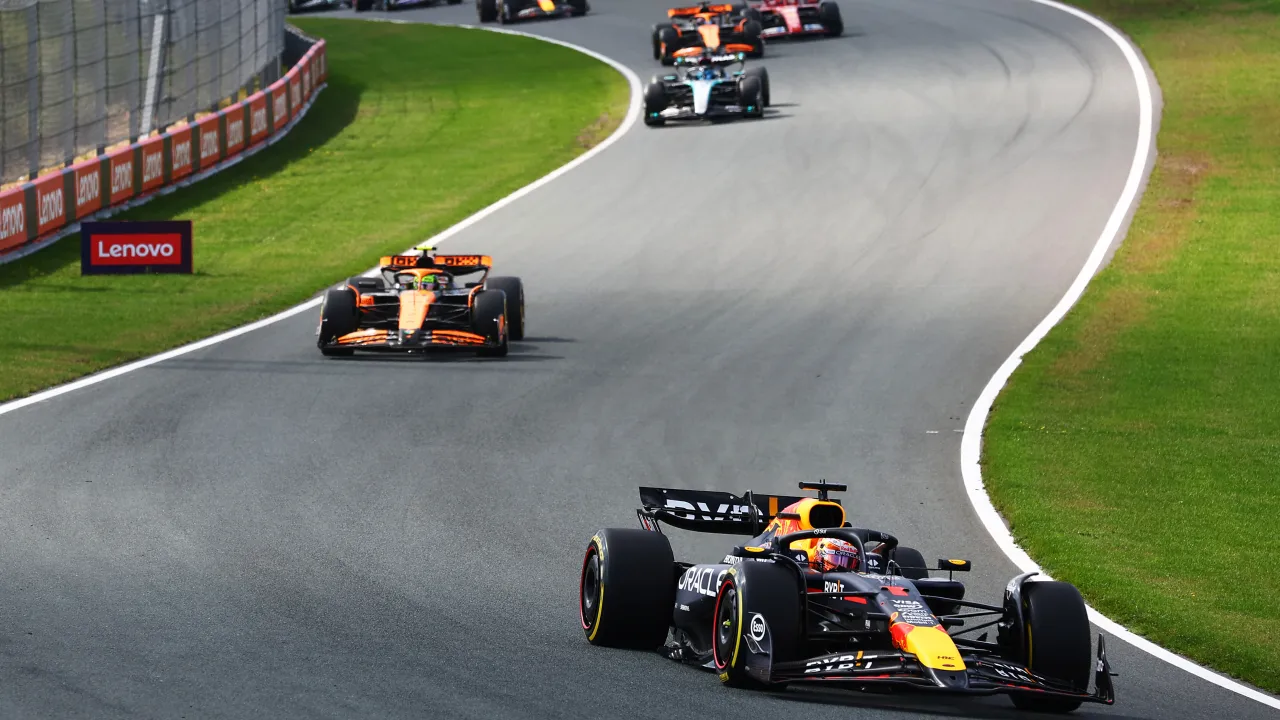
When drivers speed into Hunserug, they're kicking off a portion of Zandvoort defined by the rolling dunes. Turn 5, Slotemakerbocht, is a gentle righthand curve that continues to allow drivers to race alongside one another.
This corner is another that takes its name from a departed racing legend, this one being Rob Slotemaker.
Slotemaker was a Dutch driver born in 1929 whose professional career behind the wheel was characterized more by his Zandvoort-based driving school and his advice for Steve McQueen's Le Mans than for his successes at major racing events. That said, he was still a regular in touring cars, and he was killed during a Trophy of the Dunes race at Zandvoort in 1979 when his car spun on a patch of oil and collided with a car parked near the track.
Many Dutch drivers of the 1950s through ‘70s likely underwent some form of instruction by Slotemaker, making him one of the most quietly influential men in the country's racing history.
Turn 6/7: Scheivlak
From the gentle curve of Turn 5 comes a Turn 6/7 complex known as Sheivlak. This section remains strikingly similar to its layout from the early days of Zandvoort's history: here, drivers crest the top of a dune, crush the brakes, then slope to the right for what is effectively a blind corner lined by barriers and gravel traps.
‘Scheivlak’ is no longer used in modern Dutch, but its origins stem from Old Dutch — a language that phased out of common use back in 1100 AD. It'd be impossible for anyone but a trained specialist to read Old Dutch texts these days, but certain words, particularly those that referred to geographical features, have been preserved today. Scheivlak is one of those words; it means ‘border’ in Old Dutch, and this corner sits at the border between public dunes and the private land of Young Lord Quarles van Ufford.
Turn 8: Mastersbocht
Out of Sheivlak, drivers have a brief moment to breathe on a short straight before carving to the fast right-hand bend known as Mastersbocht.
This is the only named corner of Zandvoort that doesn't have a story behind it! Because this turn was added in a late-1990s circuit upgrade, some have hypothesized that its role in hosting the annual Masters of F3 event gave this corner its name… but no one can say for certain.
Turns 9 and 10
After the Mastersbocht came two unnamed corners. Turn 9 is a right-hander that takes a momentary dip back into the dunes before it curves back into the infield at Turn 10, which comes close to being a narrow hairpin. Some folks today call Turn 10 the ‘Zonder Naam Bocht’ — or, “the corner with no name” — while others remember the bygone era where Turns 9 and 10 were branded corners known as Renaultbocht and Vodafonebocht, respectively.
Turn 11/12: Hans Ernst Bocht
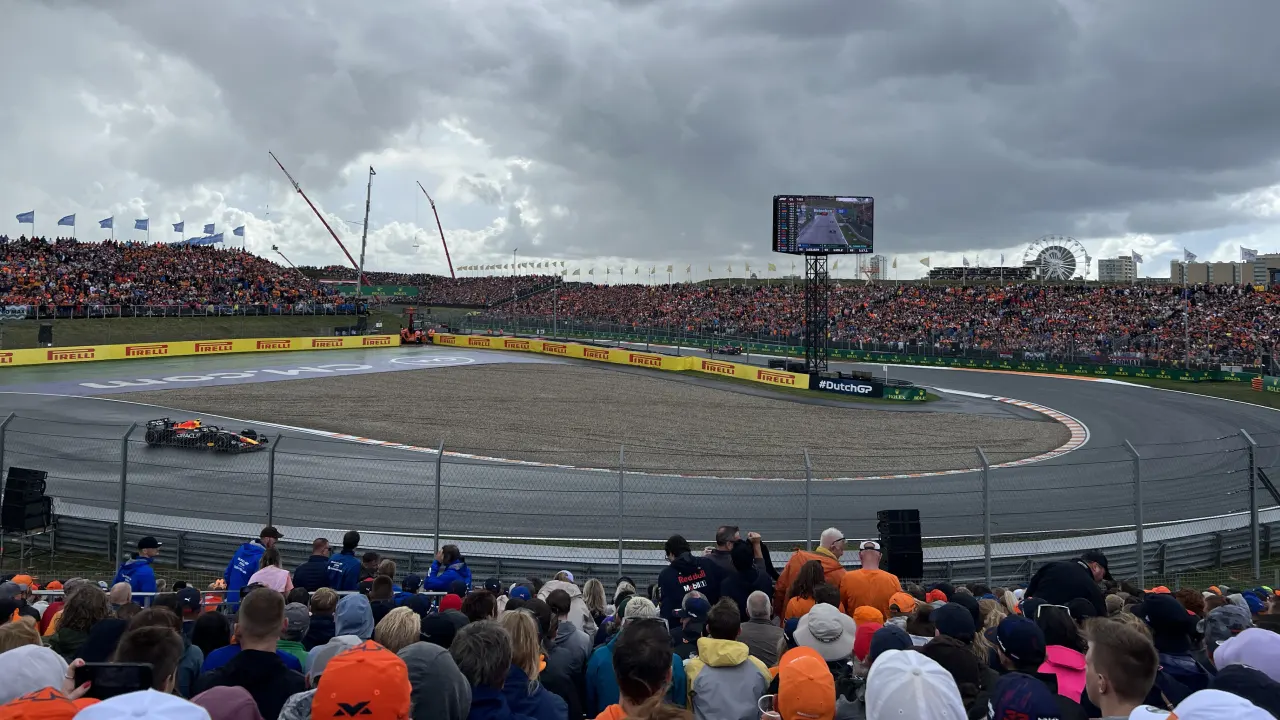
Now drivers enter one of the most technical portions of the track, the Hans Ernst Bocht complex that defines Turns 11 and 12. To enter 11, drivers have to brake hard for a tight 45-degree right-hand corner, which is followed immediately by a 180-degree left.
Hans Ernst is the man responsible for revitalizing Zandvoort's place on the F1 schedule in the modern era. He served as the circuit's director in the 1990s, helping to initiate some of the track's major modern innovations. He also helped pave the way for the track to return to F1's calendar in 2021.
Turn 13: Once Called ‘Kumho’
Coming off the Turn 11/12 complex, drivers enter the unnamed Turn 13 (a corner that used to be called Kumho, after the tire company). This right-hand corner is one of the most critical on the track: take a bad line here, and you'll compromise your entry to the ever-critical final Turn 14.
Turn 14: Arie Luyendykbocht
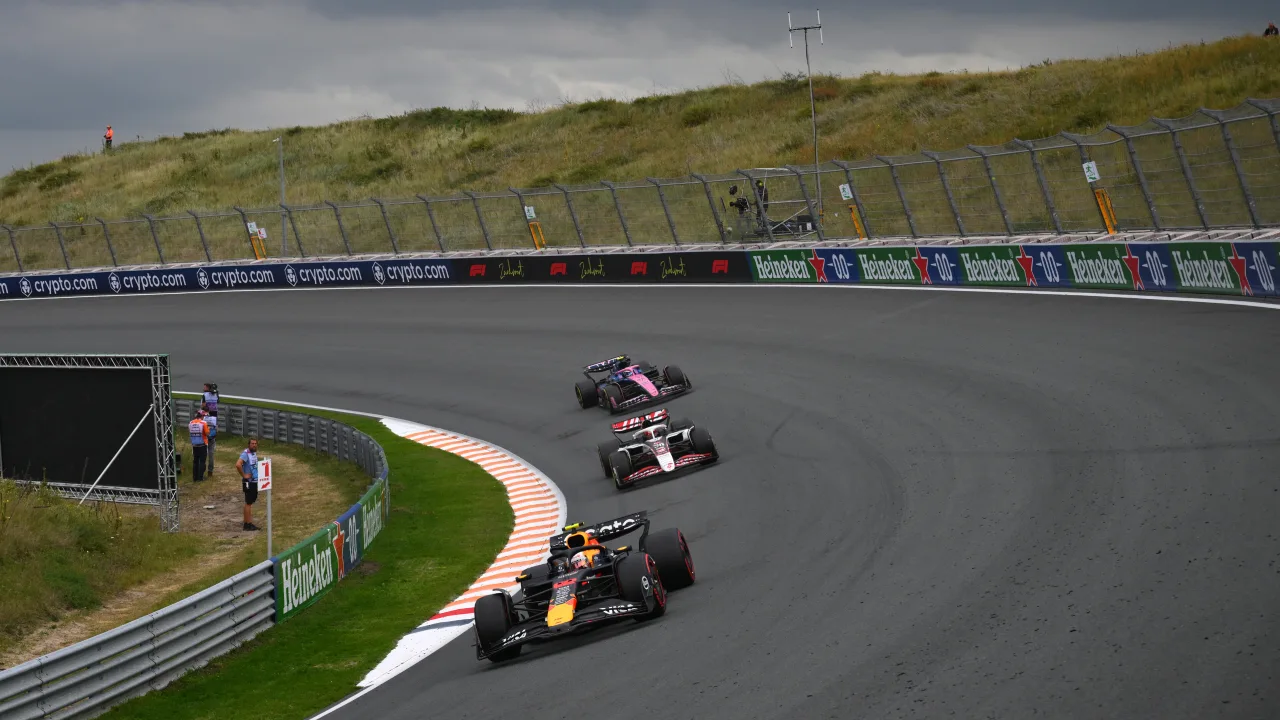
To honor the man for whom this corner is named, Zandvoort's modern organizers added some serious banking — 18 degrees of it, in fact — that allows modern F1 drivers to build up plenty of speed before launching back onto the main straight.
As far as the turn's name goes, well — in the pre-Max Verstappen era, there was a different man who would come to mind when you spoke about great racers from the Netherlands. That man's name is Arie Luyendyk.
“The Flying Dutchman,” as he was known, was prominent in lower open-wheel disciplines in Europe through the late 1970s and early ‘80s, but he really found his footing in America after he moved to the Champ Car series in 1985. That first season, he earned Rookie of the Year honors and locked himself in for a lengthy career that was punctuated by two victories at the iconic Indianapolis 500. Outside of Verstappen and endurance icons like Gijs van Lennep, Luyendyk is easily the most successful Dutch driver in racing history.
Exiting this last corner, drivers roar down the front straight to complete one of the shortest laps on the modern F1 calendar — and set themselves up for yet another lap through history.
%20(1).jpg)

.webp)





.png)
.png)