


.webp)


Formula 1 is headed towards one of its biggest challenges of the year: the Singapore Grand Prix. From the precise corner that allowed for one of the motorsport’s biggest controversies to unfold to the grueling conditions that require specific training from the drivers, here are three stories from the Marian Bay Circuit that every fan needs to know.


Why Piquet Jr. went into the wall at Turn 17 for Crashgate
To this day, the 2008 Singapore Grand Prix remains one of the biggest controversies in the history of motorsports, and perhaps all sports. Known as ‘Crashgate,’ this was the race where Renault driver Nelson Piquet Jr. intentionally crashed his car on Turn 17 to trigger a safety car. This, in turn, created a situation in which his teammate, two-time World Drivers’ Champion Fernando Alonso, could win the race and gain some substantial points for a team that had been struggling for two years and was on the verge of quitting the sport.
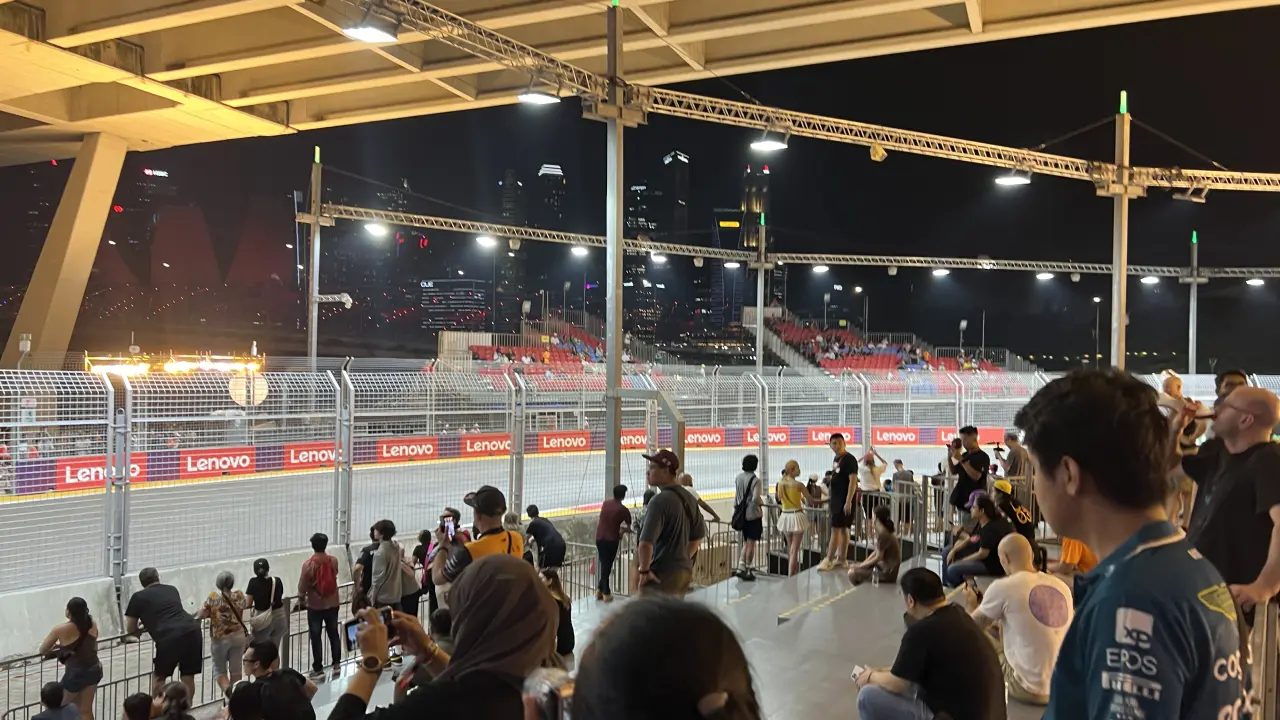
But why Singapore? And why Turn 17?
The answer to the first question is simple. Alonso had a particularly poor performance during the weekend’s Qualifying session, ending fifteenth on the grid. With the quality of their car and the strength of their competition, points would be a difficult task to achieve unless something truly noteworthy happened, and the team took it into their own hands to make sure that was the case. (It should be noted that Alonso was later determined to be unaware of Renault’s intentions for the weekend.)
As for why Turn 17 specifically? Piquet Jr. explained during a statement following the events, “This corner was selected because the specific location of the track did not have any cranes that would allow a damaged car to be swiftly lifted off the track, nor did it have any side entrances to the track, which would allow a Safety Marshal to quickly move the damaged car away from the track.
“Therefore, it was felt that a crash in this specific position would be nearly certain to cause an obstruction on the track which would thus necessitate the deployment of a safety car in order to allow the track to be cleared and to ensure the safe continuation of the race.”
The one race that drivers train for specifically
Singapore presents a challenge unlike any other on the F1 calendar. With intense temperatures that often make the inside of an F1 car’s cockpit reach over 140°F (60°C), and up to 90% humidity (that’s enough to easily make your clothing stick to your skin and the air feel heavy), the heat of the race alone means that this one of the biggest trials of the year for drivers. Drivers can lose close to 9 lbs (about 4 kg) in sweat alone across the race, which typically runs just under two hours, and des[ire F1 cars having integrated drinks systems, their 1.5L capacity just cannot balance out that much fluid loss.
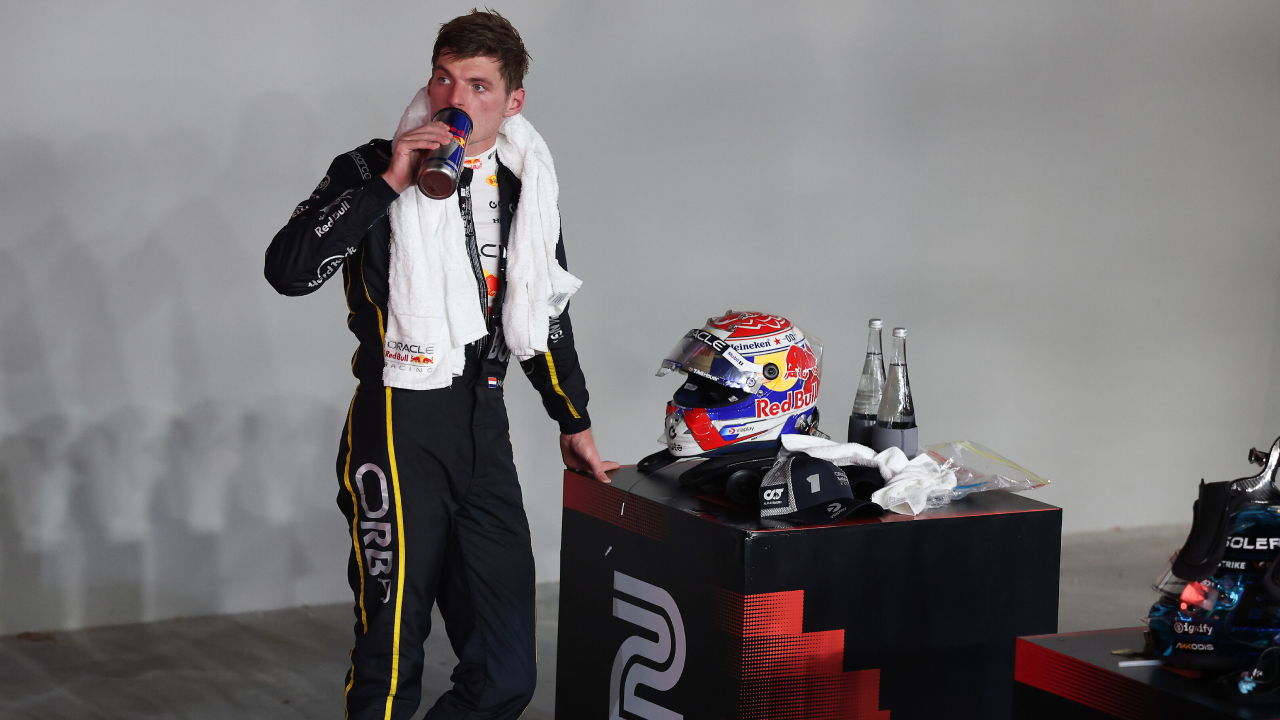
Add to that the uneven surface of a street track and an onslaught of corners that drivers have to weave through, and you’ve got yourself a recipe for the only race of the F1 season that requires special training.
“To keep mentally sharp is the most difficult,” explained Carlos Sainz ahead of the 2022 Singapore Grand Prix. “If you want those last three-tenths of performance, of focus, it’s really mentally challenging to keep them because of how draining it is. And the vibrations of the car, it’s difficult to keep the eyeline [level], and it’s anti-clockwise, so also the neck is sometimes suffering.
“When I’m training in pre-season January and February, I’m thinking about Singapore – I’m not thinking about the first race.”
Indeed, prep for this race starts much earlier than you might at first think. Despite it taking place in the fall, Martin Poole–Nico Hülkenberg’s Human Performance Coach while he was at Haas–explained that training for Singapore typically starts right around the summer break, when drivers are focused on building up their stamina and doing strength and endurance training.
“We do more sessions outside in the heat,” he said, “and try to acclimatize Nico to the discomfort of performing in the heat and humidity as much as possible. It’s the only race that we train specifically for.”
Mark Webber hitches the most expensive ride back to the pit lane
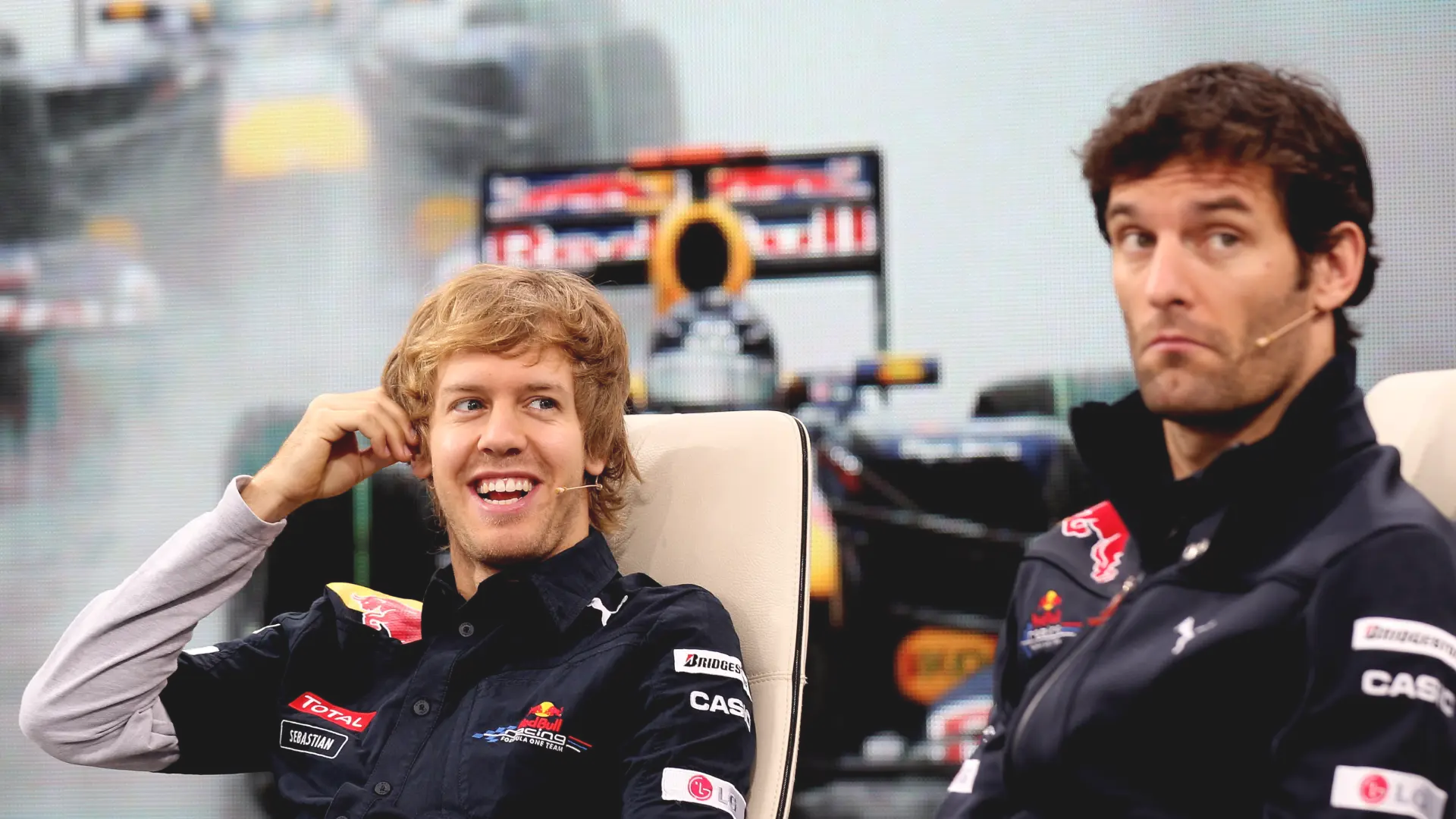
The 2013 Singapore Grand Prix featured a rather outlandish on-track moment, when Mark Webber was given a lift to the finish line by Fernando Alonso.
The engine in Webber’s car failed on the final lap of the race, causing the rear to burst in flames. Webber immediately stopped at the side of the track by Turn 7 and got out of the burning vehicle. This is where most drivers would have left the track via an access gate built into the fences surrounding the area.
But not Webber. He saw Alonso passing by on his Ferrari and flagged him down for a ride. Webber sat on the side-pod of the Ferrari while Alonso–who had already finished the race in P2 and was on a cooldown lap–cruised the two of them through the remaining 16 turns of the circuit.
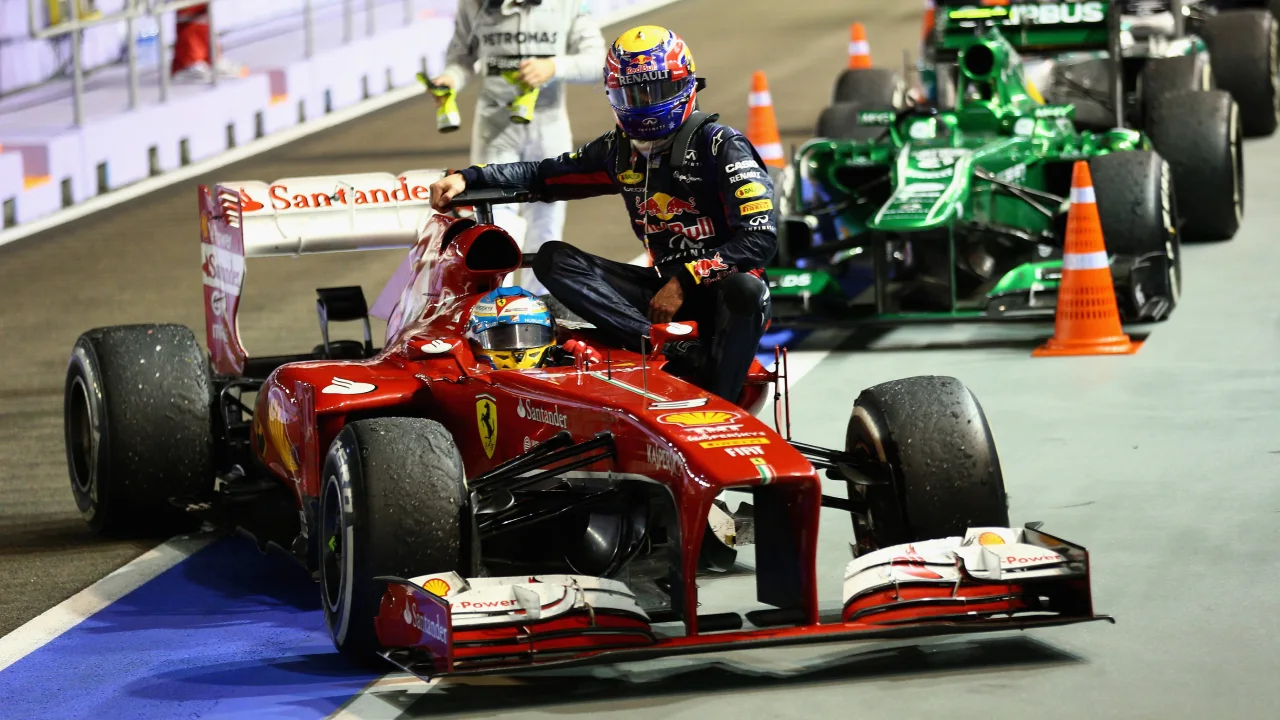
The sight may have been entertaining for the fans, but it ended up costing both drivers. Alonso received a reprimand for driving too slowly, the result of having an extra person to balance on the side of his car. Webber likewise received a reprimand for entering the track unsafely and putting others in danger, with at least three other cars having to take evasive action while he got on Alonso’s car.
With this being his third reprimand of the year, Webber paid an even bigger price, having been given a 10-place grid penalty for the following race in Korea. Needless to say, he surely thought twice before ever hitching another ride on an F1-shaped taxi.
Want more surprising facts about this year’s F1 drivers and race tracks? Sign up for our newsletter for a bonus fact about Singapore, and be sure to check out our other Speed Reads:





.png)
.png)