




Formula 1 feels inevitable in countries like Italy, England, and America. These are places where enterprising engineers have been designing and racing cars for well over a century, and where motorsport has become part of the national culture and industrial landscape.
So why does Formula 1 race in Azerbaijan, a country that—until 2012—had not hosted a major international motorsports race (and still had not hosted F1 until four years later)?
The answer is much more nuanced than a deep-rooted motorsports culture like its European counterparts, nor is it solely about money… although making a little money along the way certainly helps.


The awareness incentive
.jpg)
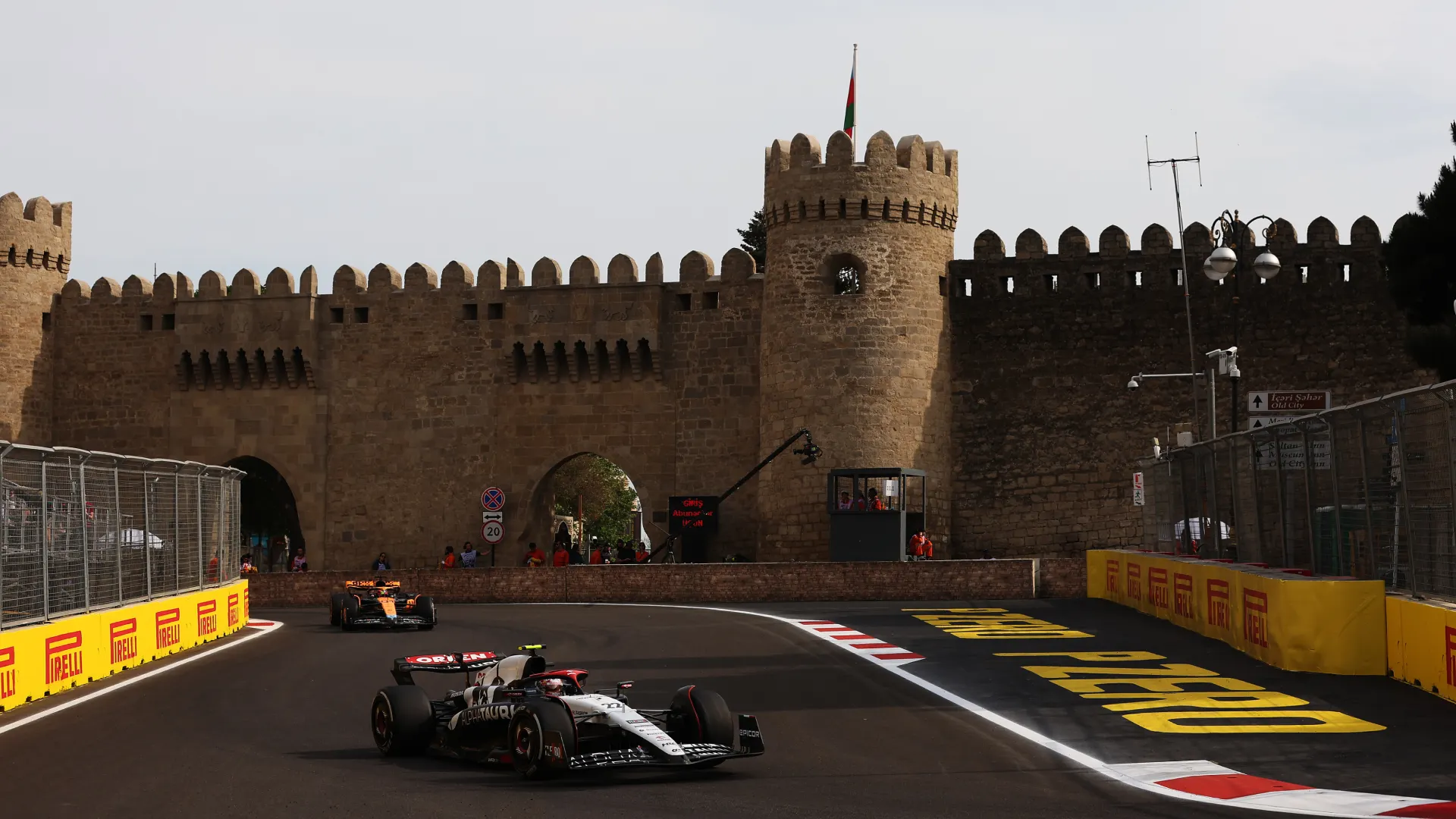
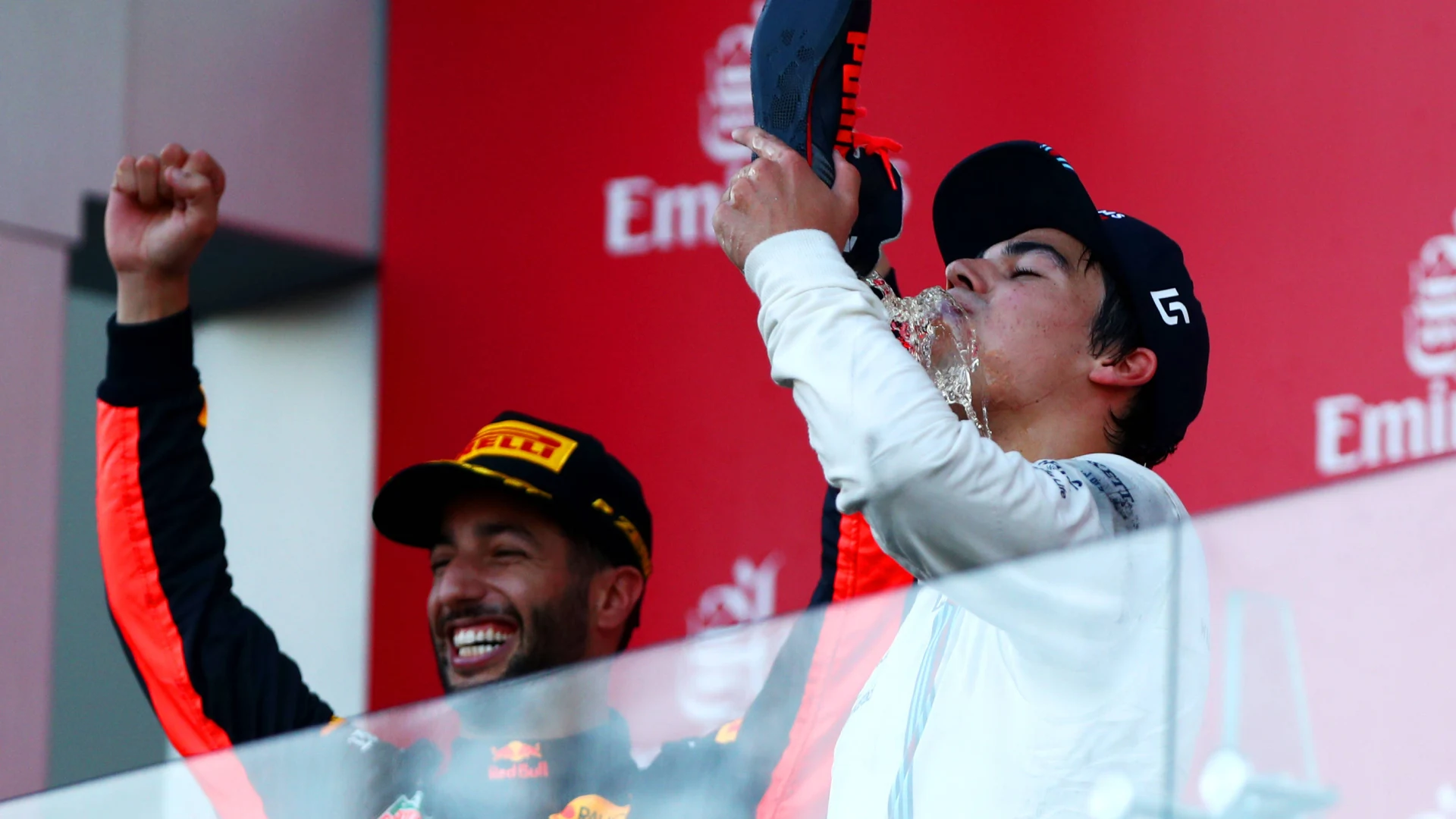
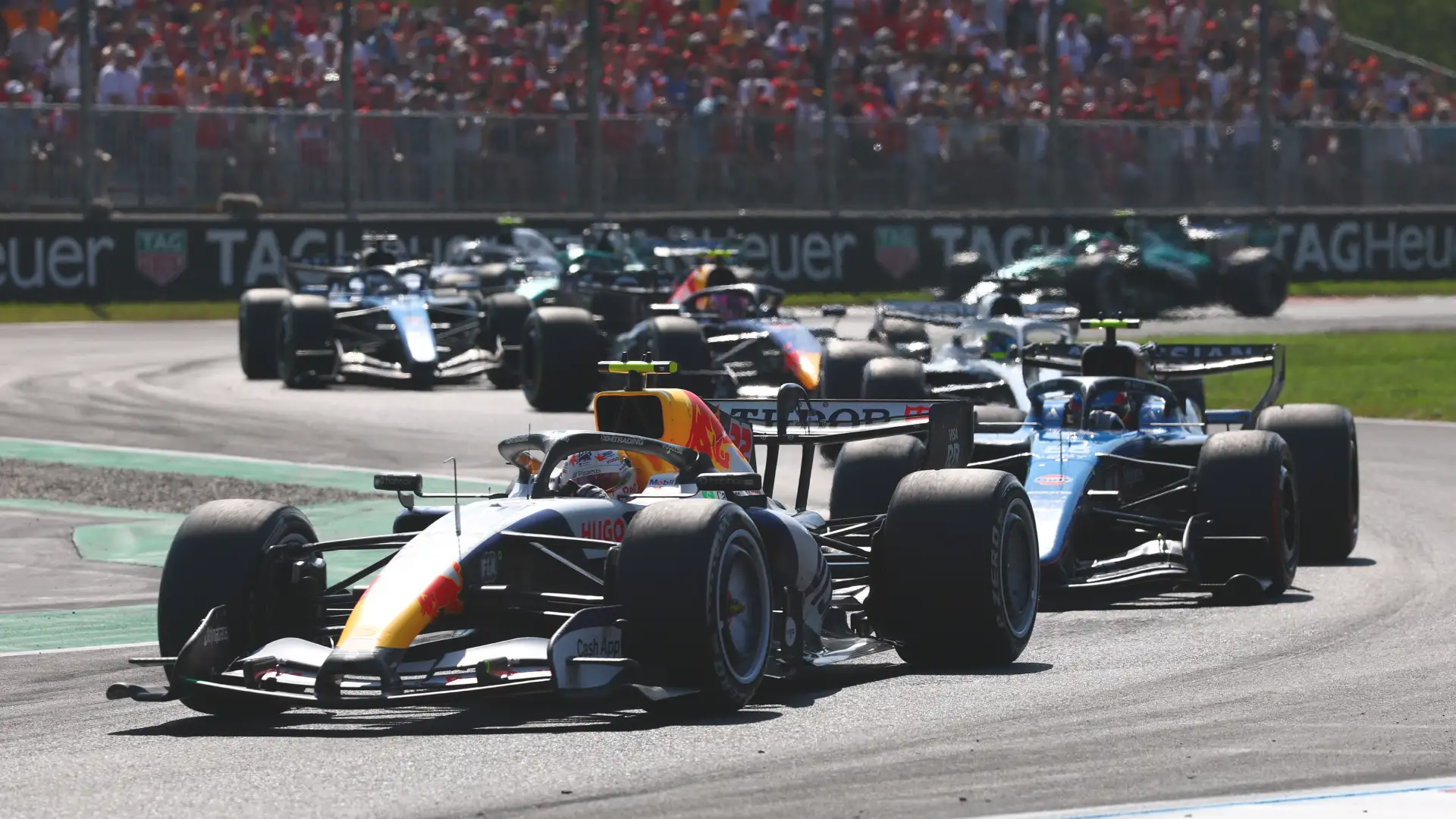
Since the first Azerbaijan Grand Prix was held in Baku back in 2016, fans around the world have seen Azerbaijan while watching cars scream past the medieval walls of the Old City, along the Caspian Sea, and down one of the longest straights on the F1 calendar. The circuit has become one of F1's most recognizable backdrops, and home to many of the sport’s historic moments, including Lance Stroll’s rookie podium.
And while it's impossible to estimate exactly how many people first heard of Azerbaijan because of F1, anecdotally, almost every Western fan I've spoken to about the race admitted that the F1 broadcast was, at least, the first time they actually saw what Baku looked like. Regardless of whether or not those fans could pinpoint Azerbaijan on a map prior to its appearance on the F1 calendar, their mental map of the country relies almost entirely on what they've seen on TV and on social media. This allows race organizers to present a curated version of the country to the rest of the world.
It's worth noting that image curation isn't exclusive to Azerbaijan; the organizers of every Grand Prix make very specific choices about how to present their host nations, and that image element has become ever more critical in an era of global television broadcasts and viral social moments. Silverstone benefits by promoting the role England has played in F1's development, while Miami draws on a 1980s aesthetic to position its Grand Prix as a modern classic. We just tend to notice the F1-specific image curation more when it occurs in countries we aren't as familiar with.
Google Trends can help illustrate some of this growth. Since the Azerbaijan Grand Prix’s announcement in May 2014, Google Trends shows that of the biggest breakout search terms tied to ‘Azerbaijan’ worldwide, four are explicitly related to the race: ‘Azerbaijan GP,’ ‘GP Azerbaijan,’ ‘F1 Azerbaijan,’ and ‘Azerbaijan F1.’ And that’s not just because folks in Azerbaijan are now searching for those terms. Searches related to this race continue to rise in countries like the United States and Australia. For example, the United Kingdom has seen searches for ‘F1 Azerbaijan’ and ‘Azerbaijan F1’ each rise more than 4,000%.
In order to convince people to visit your country, you have to make sure they actually know your country exists. Azerbaijan has been working hard to organize international events in Baku for the past decade and a half, which included hosting the 2012 Eurovision Song Contest and the 2019 UEFA Europa League Final. The big difference with a Grand Prix is the fact that the race takes place every year, which gives millions of F1 fans around the globe a chance to feel like they're ‘getting to know’ Azerbaijan.
The soft power incentive
.jpg)
To put it pretty simply, ‘soft power’ is the ability to persuade people to think a certain way or take a certain action without the use of force. When we talk about a country's soft power, we're usually talking about the ways its culture influences how we think about the nation overall. Here in the United States, for example, Hollywood and the film industry created cultural exports that have influenced how the rest of the world sees America.
But soft power doesn't just have to do with cultural exports. Countries like Qatar have made a point of using sporting events as a way to build positive associations with the region. By hosting the FIFA World Cup, Qatar entered a global conversation and created a little geopolitical leverage for itself because the World Cup is something that unites soccer fans around the world, regardless of their beliefs, heritage, or politics.
With its Grand Prix, Azerbaijan is taking that Qatar-style approach: instead of exporting its culture to the world, it has invited the world to take part in its culture. As it does, Azerbaijan associates itself not just with the global prestige of Formula 1 but also with the automakers, teams, sponsors, and suppliers that make Formula 1 what it is.
From a fan point of view, if we associate a country with F1, we're more likely to think of it as a sophisticated and technologically forward-thinking nation; if we see LVMH and Qatar Airways branding along the track, we're more likely to think of the country as being luxurious. With repeated exposure, the image Azerbaijan presents of itself via sporting events lends Azerbaijan more authority to take part in global political conversations.
The financial incentive
.jpg)
Of course, we have to talk about the fact that Azerbaijan is hoping to make money by hosting a Formula 1 Grand Prix — but the financial impact also resonates well beyond the confines of the race weekend.
Let's start with the economic impact of the Grand Prix on the city of Baku. PricewaterhouseCoopers, a professional services network hired to evaluate the impact of this major event, estimated that F1 had a $277.3 million economic impact on the city during its first two years. A similar PwC study in 2020 raised that total to $506.3 million for the event's first four years.
Now, those figures from PwC take into account both direct and indirect spending, which means it accounts for the money that tourists spent on things like food and lodging as well as the money earned by businesses that supply restaurants and hotels.
But we also need to consider how much Azerbaijan spends. While F1 doesn't publicly disclose the cost of race sanctioning fees, RacingNews365 estimated in 2022 that Baku paid F1 $55 million each year to host a race — and that doesn't take into account the operational costs such as transportation, circuit construction, and more. Report, an independent Azerbaijani news organization, estimated that the 2024 running of the event cost Azerbaijan $98.8 million. Much of that money comes from the state budget, which sets aside funding to host major international events like this one.
Harder to quantify is the economic impact of F1 as it contributes to the overall global image of Baku. How many more international corporations will now work with Azerbaijani businesses? How many more tourists will now head to Baku outside of the Azerbaijan Grand Prix race weekend because F1 put this city on their radar? It's impossible to know for certain, but Azerbaijan's investment in F1 is designed to encourage that kind of enduring economic growth.
The right incentives for the right countries
.jpg)
Taken together, all three incentives explain why Azerbaijan needs Formula 1.
Countries like Italy, England, and Belgium built a motorsport culture long before F1 entered the picture, and they also have countless other ways to tap into each incentive.
For Azerbaijan, everything is much more nascent, so F1 is a fast track solution across all dimensions.
The race makes the country visible to an audience that might otherwise have no reason to look to Baku. Once fans are aware of the country, Azerbaijan can then shape its global perception by using F1 as shorthand to signal its investments in technology, luxury, commerce, and innovation. Then, ideally, that attention and perception translates into tourism, investment, and economic growth that extends well beyond the race weekend.
And by tapping into F1’s international and prestigious brand, Azerbaijan can not only introduce itself to the world, it can also reverse-engineer its own deeply-rooted and culturally significant racing culture.


.webp)
.webp)




.png)
.png)