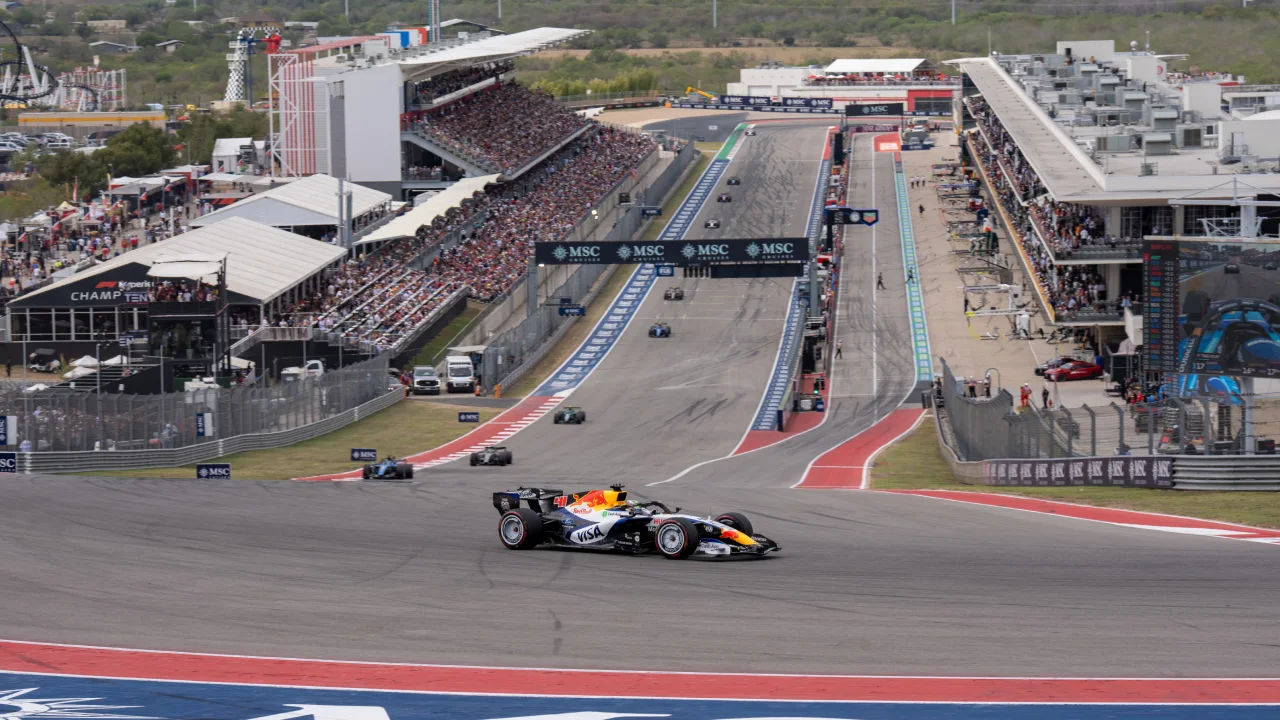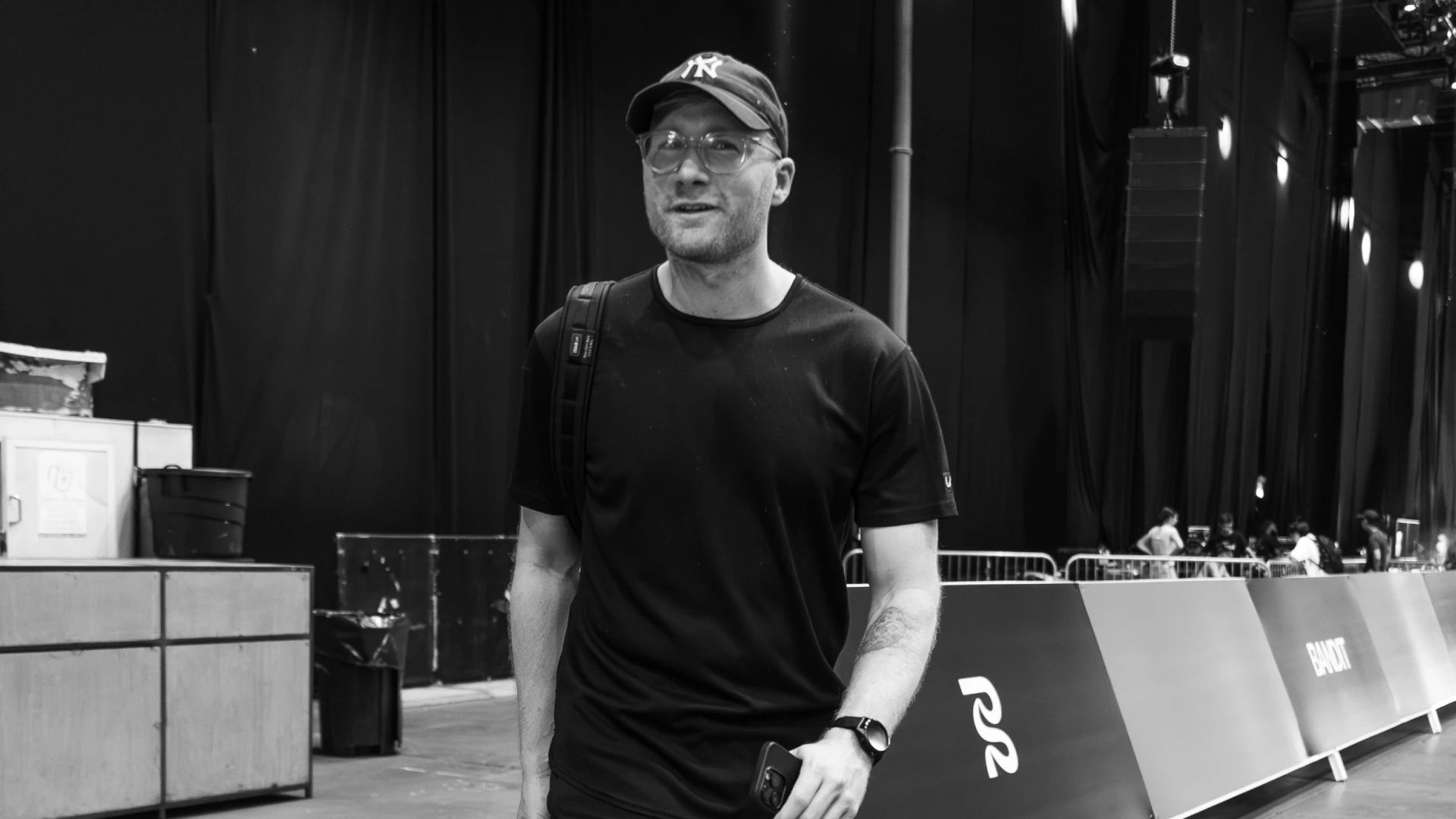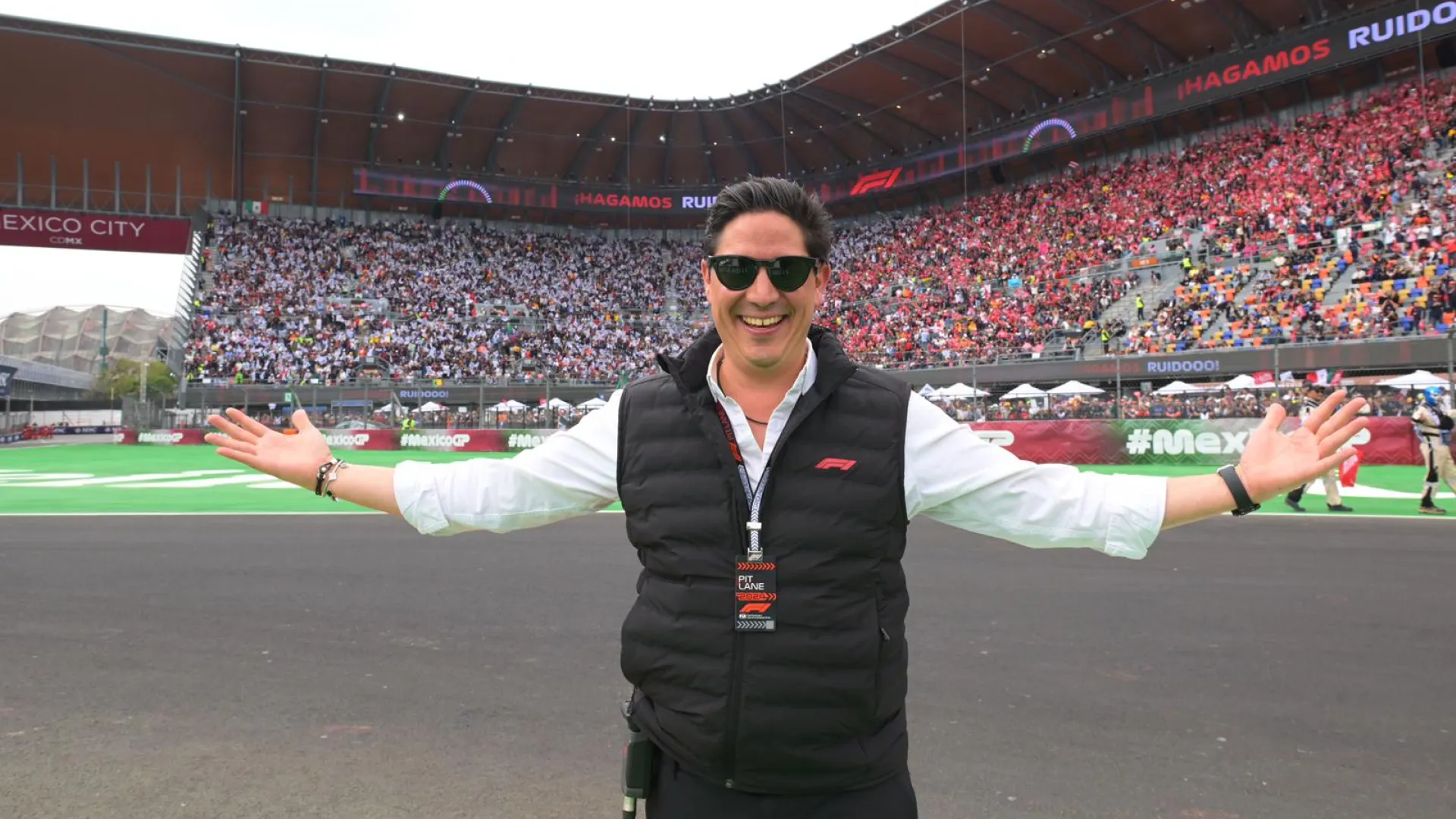


“The drivers are the artists. The track is the stage. There's so little that a promoter can actually do to control or better anything with the stage or the show itself,” Rodrigo Sanchez said to me in a small office in the Circuit of the Americas (COTA) media center, right next to the booths where F1 TV, Sky Sports, and other networks would call the US Grand Prix later in the weekend.
“But anything and everything outside of that stage, it's kinda your world and your responsibility to make it work.” And when you're on “fifteen-hundred acres of land, and the stage is five kilometers long,” that’s a championship-level challenge all its own, especially when 467,000 fans each pay hundreds of dollars or more for the show.


Thankfully for Rodrigo, a grand prix architect of sorts with a deep history bringing modern Formula 1 Grands Prix to life, he’s spent his career conquering that very challenge.
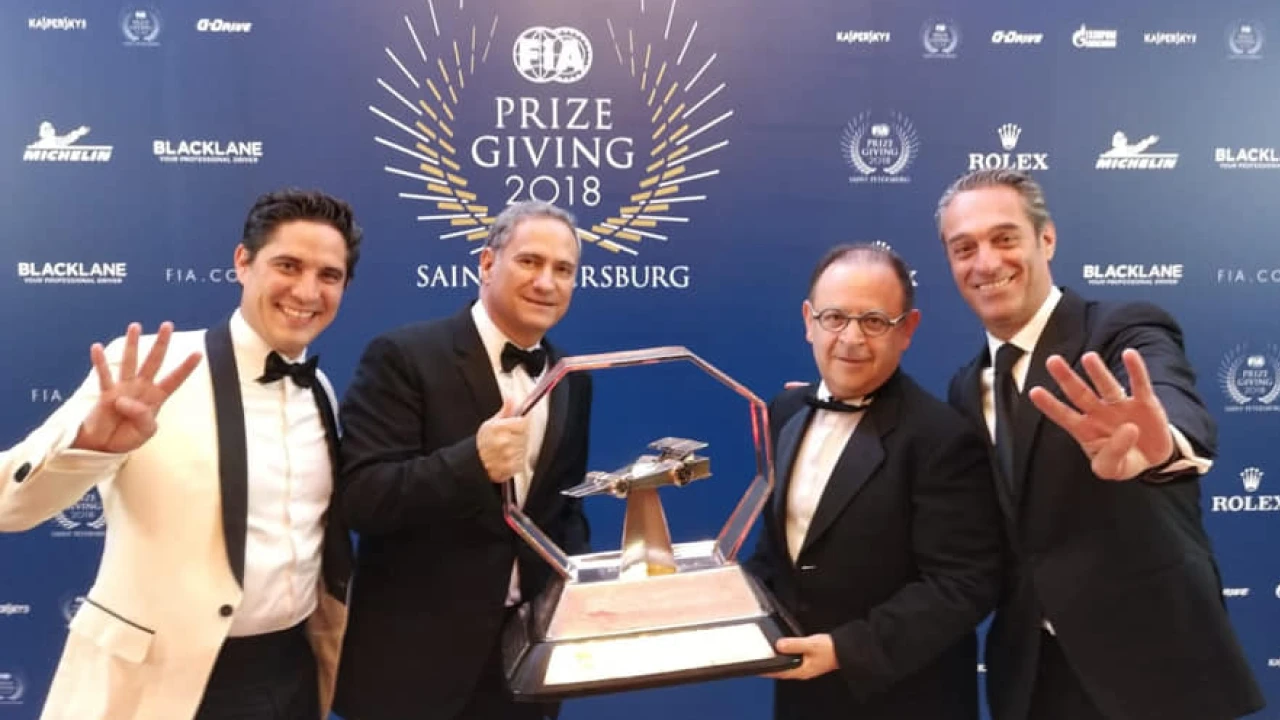
He was instrumental in relaunching the US Grand Prix at its new home—COTA—in 2012, and he then became a critical part of the team doing the same thing when the Mexican Grand Prix returned to the calendar in 2015. That race went on to win F1’s Promoter of the Year award five years in a row (2015-19).
For a man who started picking up trash at races, graduated to learning motorsports marketing from none other than Zak Brown, now CEO of McLaren Racing, and then went on to shape two of the most celebrated F1 races on the calendar, the secrets to building an award-winning Formula 1 grand prix are all in his head. The question was whether he’d share them with me.
It all starts with the details
Rodrigo’s professional career in motorsports started in PowerPoint, just not with a pitch deck. Instead, it started with making a fake copy of a hot pass, the badge needed to make his way into the Championship Auto Racing Teams (CART) paddock when the series raced in Mexico City in 2002.
“I basically made a fake copy of a hot pass. We used to use hot passes back in the day, and I used PowerPoint and I sort of replicated it,” Rodrigo told NASCAR ahead of their race in Mexico City in 2025. His goal was simple: make connections that would lead to a career.
And it worked. Billy Kamphausen, CART’s VP of Logistics, caught young Rodrigo, and, likely impressed by his hustle, offered him the opportunity to come back the next day to volunteer with entry-level work.
“When I started, it was at a very young age because I was still, you know, a bit of a teenager, but it was the best way to access the sport,” Rodrigo told me. When I clarified whether that meant operations was basically labor, he agreed: “Just coming, helping, volunteering, essentially picking up the trash, cleaning. And then you start connecting, you start moving up.”
He continued on the operations side for several years until a NASCAR internship during college led to a role at Just Marketing International (JMI), the agency founded by Zak Brown. When I asked about his transition away from ops—and what he learned from Zak—he smiled.
“That's when I fully understood the power of the marketing in motorsport in general, because it's all based on funding, right? How do you get those dollars to go race? And whether it's that commercial aspect or the marketing that goes around it, that intrigued me. And I just kept on going on that route. It's helped me because I truly understand the operation and how to put a racetrack together and what it needs to run.”
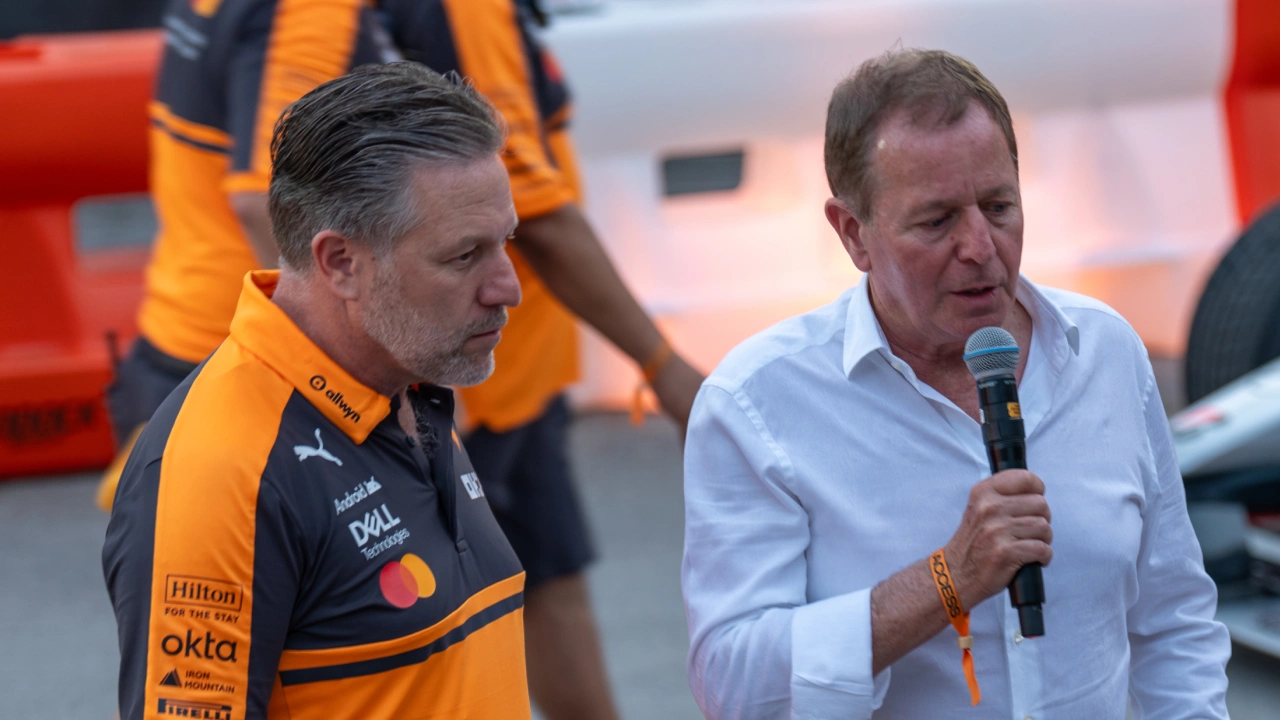
While on the surface JMI rounded out Rodrigo’s view of the motorsports business, the first secret to success he took from it wasn’t specific to motorsports at all. To explain it, he started with JMI’s scale.
“We were doing work with F1, NASCAR, IndyCar, and NHRA. I mean, essentially with humongous accounts in all of the championships. Zak was always super strict in terms of attention to detail. There were protocols for absolutely everything.”
“I even remember that there was a bit of a protocol in terms of a scenario that if you happen to be at McLaren and you were in the elevator and Ron Dennis entered the elevator, depending where you sit in in the org chart, it was like whether you say hi, you don't say anything, or you quit the elevator. Everything was so structured and so—that crazy attention to detail—that for me it was an integral part of my formation. And I've taken that everywhere. I mean, it's events and anything and everything can happen, but the key for events is anticipation and just, just organization. And the better you're prepared for it, the better the outcome will be.”
That got me thinking, if there are so many protocols, there must be a framework or a playbook for how Rodrigo runs a race weekend. He called it less a system and more of a trait: “one of those things that either you kinda have it or you don’t.”
“You know, some people just make it work in general, but some people wanna make sure that even the napkins are perfectly arranged.”
The US Grand Prix: give fans a home where they belong
Less than two years after finishing his JMI stint, Rodrigo was offered a difficult new job: joining the small team—he was roughly employee number five—tasked with relaunching the US Grand Prix at its new home: the yet-to-be-built Circuit of the Americas. Not only was the circuit still under construction in 2011 when he started, he also had to overcome the tarnished reputation of the race’s previous incarnation to deliver a race that could out-live its original 10-year contract.
When I asked what the plan was for year one versus year ten, he started with the circumstance:
“At that point, there was no Formula 1 in the United States, and it honestly looked like a very long shot. When the sport left Indy, I would say it didn’t leave on a high. Many people thought it was sort of like the end of it. Just, you know, the implications of building this place was insane.”
“It was like, how do we bring F1 back to the United States, but we create its permanent home? And that was the vision for it. And I think it still is. You still have two amazing races in the United States, but none of them are permanent circuits. They’re temporary circuits that they build for a period of time and then they’re gone. And here, you can come race the same track that Charles Leclerc drove the weekend before. And it’s open all year long with great weather, in a very centric place within the United States.”
I asked how he sold the vision, especially when trying to market what’s effectively an empty plot of land.
“I think these days people kinda wanna belong, and they wanna have that sense of attachment to whatever it is in life. That integration into culture that I think Formula 1 has done amazingly. So it’s like, how do you create that in a way people will feel proud to wear a t-shirt of your brand? And it’s just creating that fandom.”
It’s an approach he says he brings to every event as a promoter, as if he was hosting company at his home. Just thousands and thousands of guests at once.
“It’s sort of like when you bring someone home, right? You want to put your best face forward. And that’s been my approach on the promoter end. You’re welcoming all these people to your house, so how do you present yourself and the venue in the best possible way?”
By the time the first race weekend came to an end, more than 265,000 people had come home to COTA. Rodrigo would continue his work at the track for two more years, until in late 2014 he made a switch to keep refining the race weekend model with a new set of challenges.
The Mexican Grand Prix: make the race theirs
While Rodrigo was still at COTA, the US Grand Prix served as a pseudo Mexican Grand Prix thanks to Mexican driver Sergio “Checo” Perez, who made his F1 debut in 2011.
“Checo started twenty-eleven, in F1. And we were like the home for the Mexicans for a few years until the Mexican Grand Prix started,” Rodrigo reflected. “I remember perfectly the first and second year here, we had to increase the Spanish speaking staff in the venue because we were receiving thousands of people coming from Mexico to see Checo.”
At one point, COTA even offered a “Checo Grandstand” ticket package for his fans.
Meanwhile, work began under the direction of Carlos Slim Domit to explore reviving the Mexican Grand Prix. As Rodrigo tells it, his work and heritage put him on F1’s radar:
“I’m half Mexican, and obviously when the conversations around the Mexico project started, several people within F1 said, ‘There’s this Mexican kid in Austin that is performing really well and could be a lot of help for you guys.’”
Much like its American counterpart just across its northern border, the Mexican Grand Prix had its own set of challenges to overcome after falling off the F1 calendar following the 1992 iteration. Rodrigo was soon brought on as the CMO and National Press Officer to help tackle them.
“The tone of the press was very negative in terms of going to Mexico,” Rodrigo said of what he was up against.
“In Mexico it was very clear. It was a project of promoting the country, and that was the whole purpose of it. And obviously you have the side of the event and the fans and tickets and all that stuff, but in essence how the project was materialized initially and conceptually was to use Formula 1 to promote Mexico.”
From there, it was all about execution. They brought on the event promoter, OCESA (now majority-owned by Live Nation), and applied the lesson of belonging in a distinctly Mexican way:
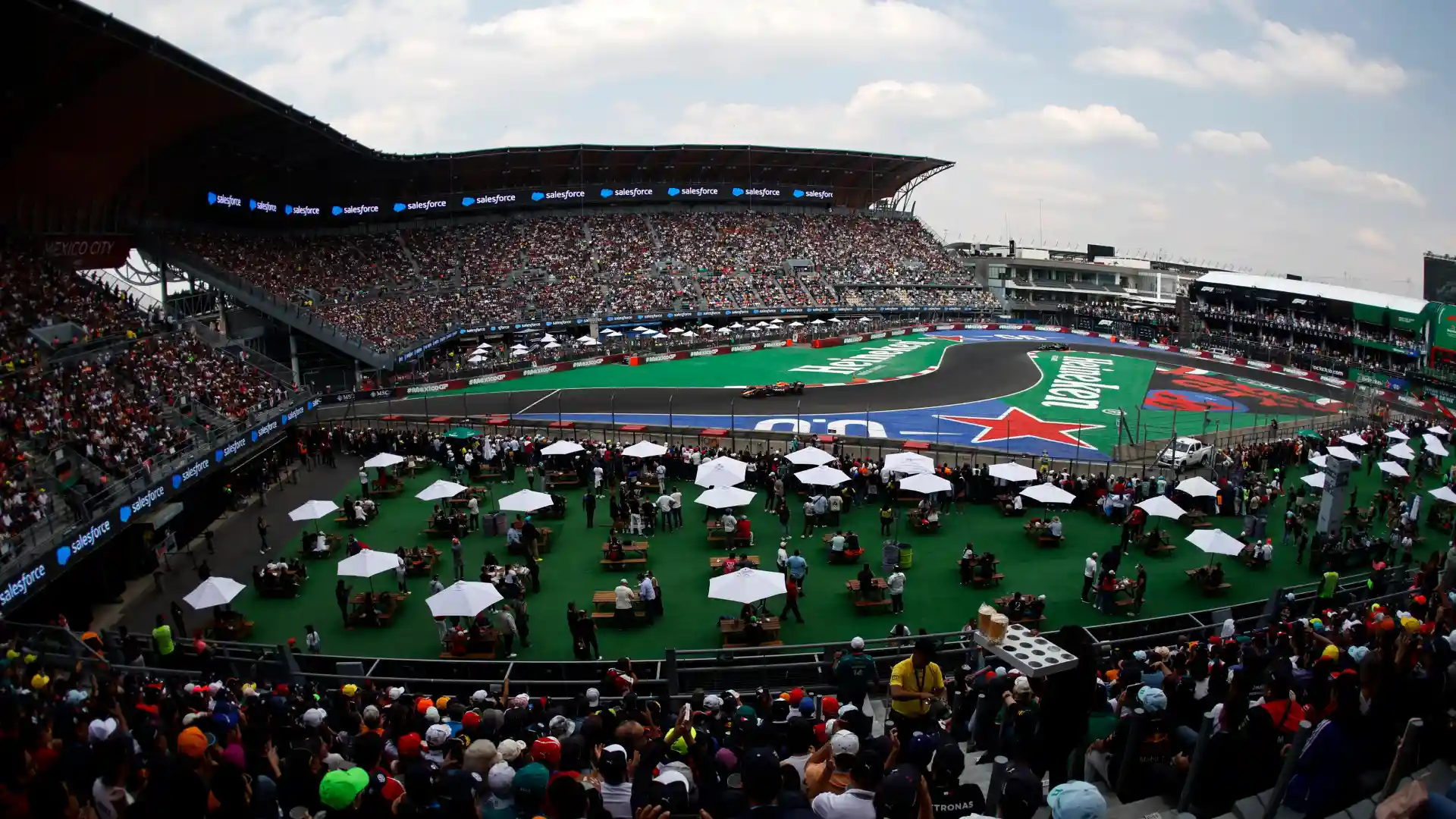
“We created a very Mexican F1. If F1 was Mexican, that's what it would look like in a way. And we started working with the ‘F1ESTA’, which is fiesta, and the best fiesta in the world. And we sort of made it our own, and people got heavily connected with it. And suddenly, you know, there was a huge fandom around it. And obviously Checo was a humongous part of this.”
“But I think culturally we spoke the same language, and people fell in love with it. Both at the national level, because there was that connection, but on the international side they loved it too, because we were essentially showing all the good things of Mexico that you often don't read in the New York Times. Whether it's bringing Day of the Dead or, essentially, how do you make Coco a reality? And we were using Formula 1 to do that in a way.”
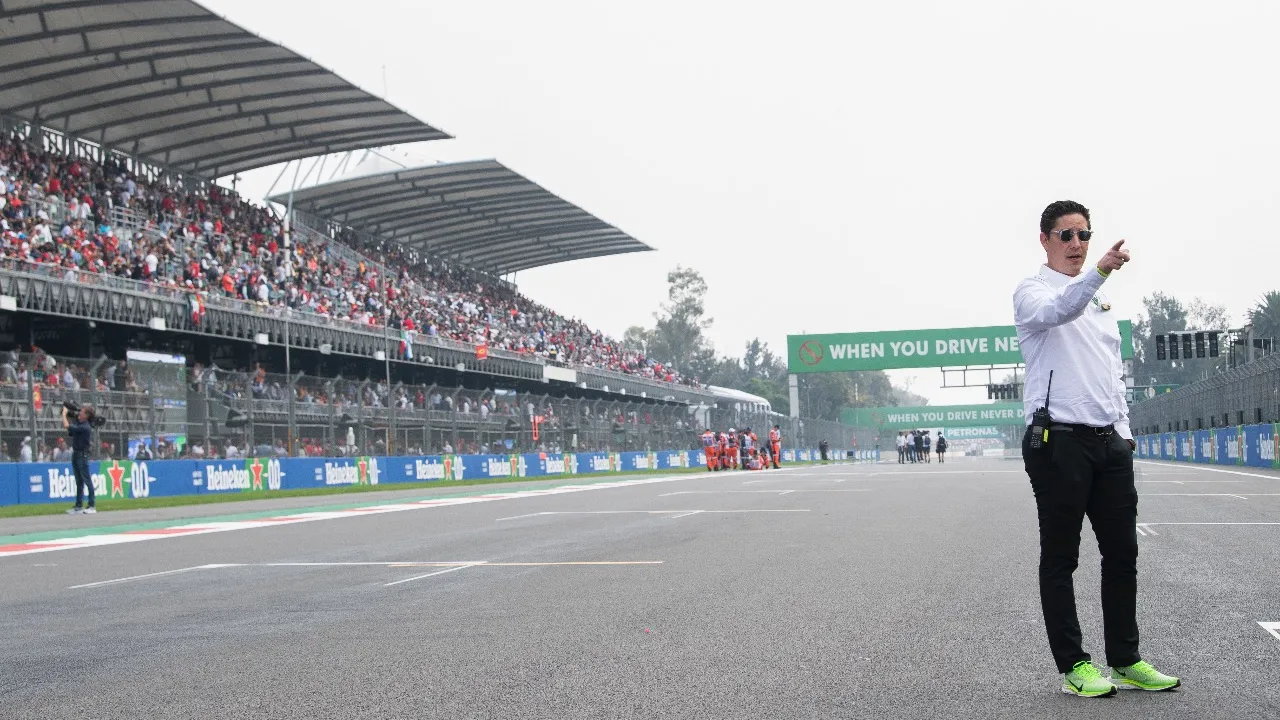
In the years that followed, the Mexican Grand Prix pushed to level up the fan experience, taking inspiration from NBA games to hire eighty people to produce a live “fan TV” feed on screens around the circuit.
And that work paid off. By the end of 2019, the race had won the Promoter of the Year award every year since its return, five straight.
“In Mexico, there's a great sense of belonging of the fans because they say, ‘Our race. This is our race.’ And when we won the five promoter awards—originally it’s the promoter award for Formula 1, but we converted it into the best event. And what makes the best event? The people.” He was quick to give credit to the fans, as if speaking to them directly. “You guys won. You guys are the best fans.”
“And we converted [the race] into a property that everyone started feeling proud of.”
An award-winning combination is bigger than any one star
At this point in our conversation, it was abundantly clear how fixated Rodrigo was on the fan experience. Whatever he could dream up and visualize a path forward for, he’d work to bring it to life.
He knew the ingredients for success—details, belonging, ownership—and had the awards to prove it. But the Mexican Grand Prix had a built-in draw in Checo Perez. I wanted to know when Rodrigo realized the race could thrive without him.
“Essentially, Checo's years off. Because we were a bit unsure, and honestly it was a thought that was in our minds all the time. I mean, for how long are we gonna have Checo as an athlete then? And what's gonna happen once Checo leaves?”
In 2025, a year that Checo sat out from the sport, the Mexican Grand Prix reported a record-breaking economic impact of roughly $1 billion and more than 400,000 attendees.
Rodrigo was matter-of-fact as he discussed the race’s continued success at a time when their star driver wasn’t competing.
“It's just a bit bigger than everything, and people truly love Formula 1. It's sort of like the biggest sporting event in the country every year. The economic impact around it is incredible.”
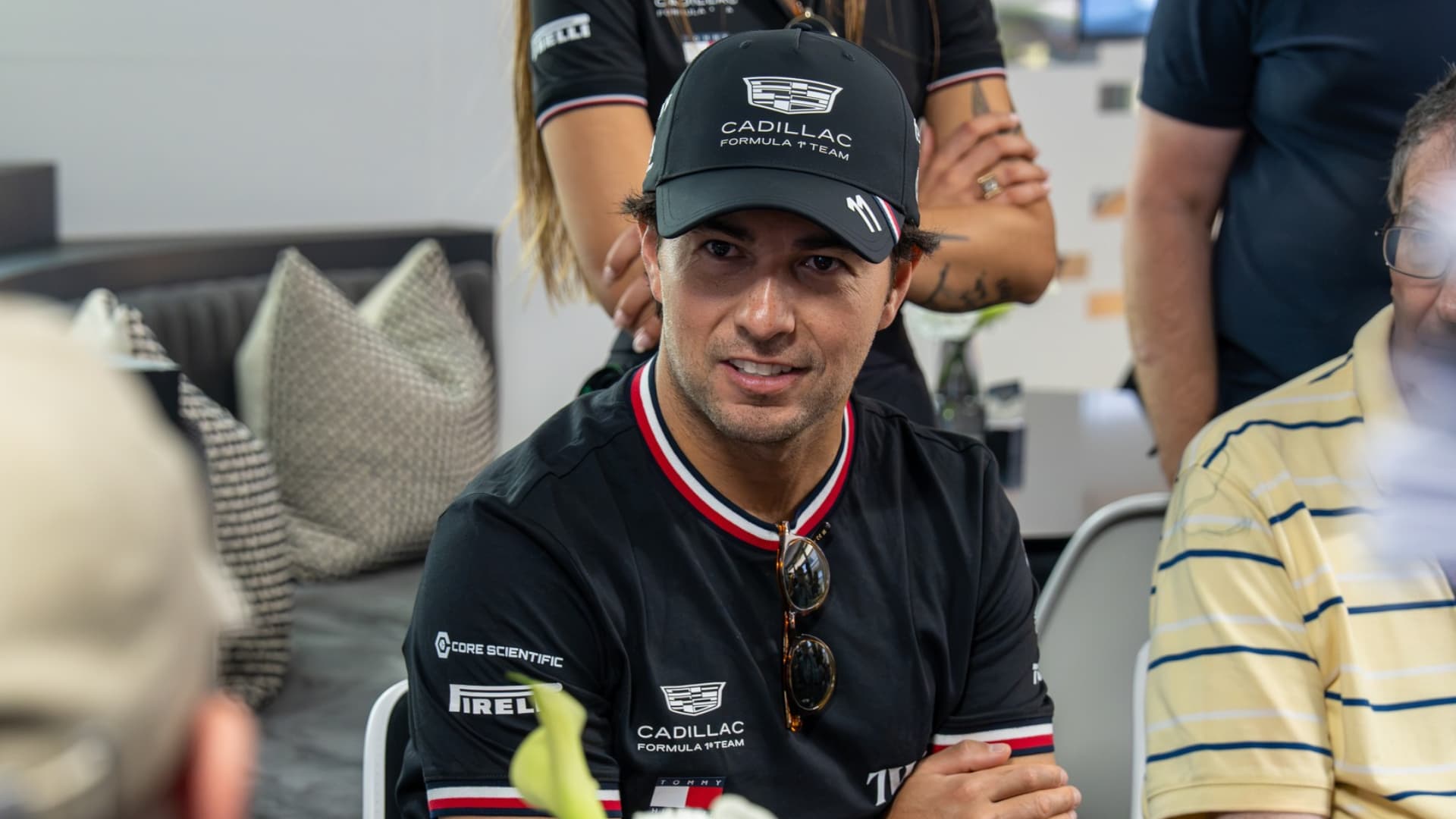
When I asked Checo at COTA what the Mexican Grand Prix’s secret ingredient is, he first credited the organization behind it, then the fans: “I think the Mexican… the organization itself, they have done an incredible job. The fans, you know, they bring a lot of energy, but at the same time they’re super respectful. They’re super nice to all the drivers, to all the teams.”
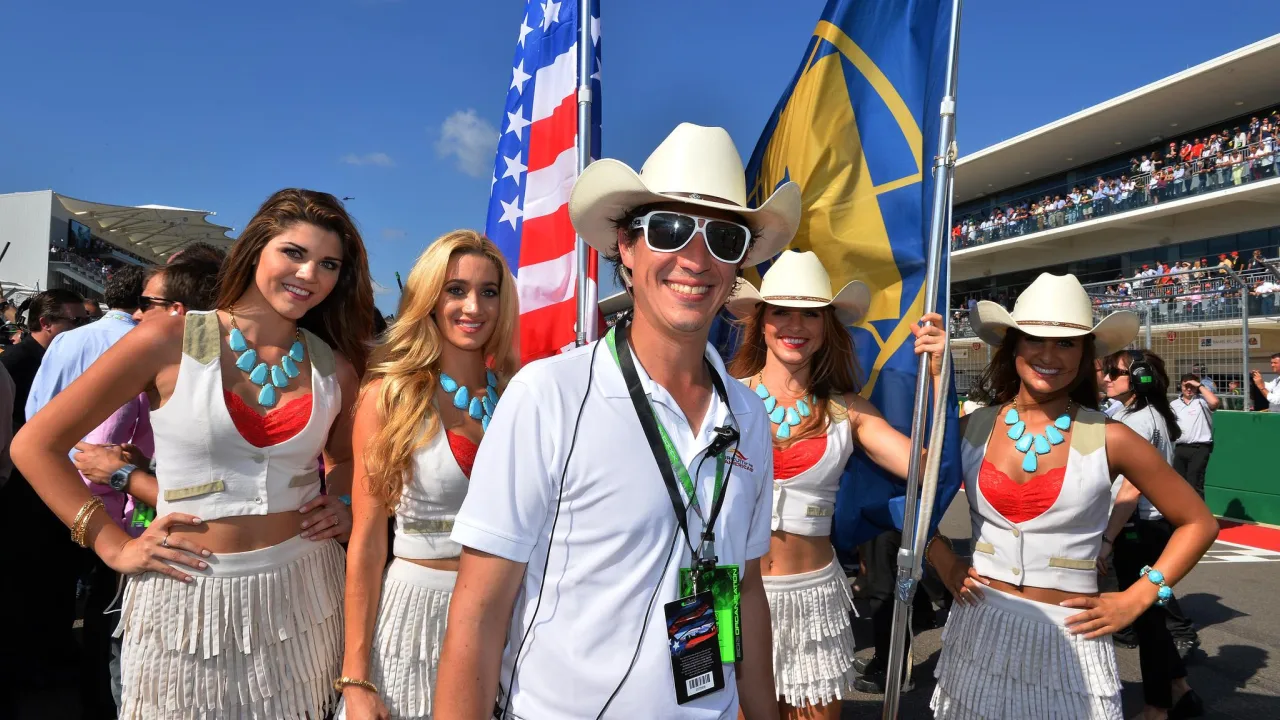
I started off wondering about the secrets to a successful Grand Prix, and whether Rodrigo would share them. He did, and having been to both races, I can see the same recipe working in each. Austin’s weekend has BBQ, longhorns, and a giant cowboy hat, all delivering a distinctly Texan vibe. Mexico City has Day of the Dead, tacos, and fans wearing luchador masks, all cultural elements that locals there are proud of. None of it is accidental. It’s what happens when a promoter pays attention to what the people of a region care about, then has the discipline and forethought to build the weekend around it at scale.
Details, belonging, ownership. Get those right, and the experience feels authentic and fans feel it’s theirs. The stage and the performers do the rest.