

The Mexican Grand Prix is one of the most highly anticipated races on the Formula 1 calendar, and with good reason. It delivers high-speed racing, excellent entertainment, and an atmosphere unlike any other. But beyond just that, this race is steeped in history. From the crowds that got it canceled to one of the most famous overtakes in the sport, here are three facts about the Mexican Grand Prix that every racing fan should know.


When too many fans got the race canceled
A massive amount of demand from F1 fans is usually the cause of a new location being added to the racing calendar, as we have recently seen with Africa set to host a Grand Prix in Rwanda starting in the 2030s.
But in the case of the Mexican Grand Prix, the sheer number of fans coming to the race once had the opposite effect.
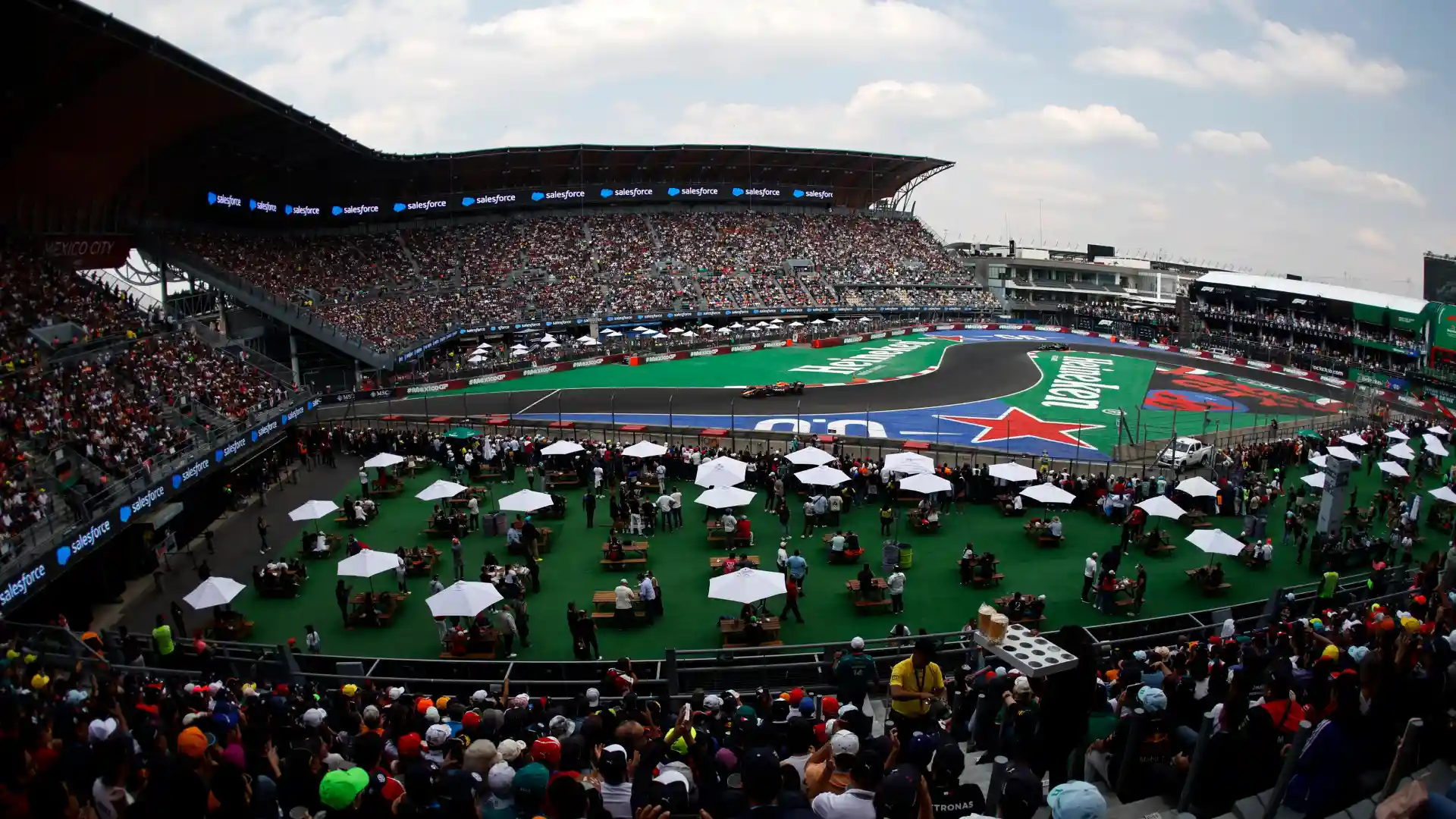
The race had become so popular since it was first introduced in 1962 that, on race day in1970, audience attendance swelled to over 200,000, far more than the Autodromo Hermanos Rodriguez was built to hold, and nearly twice the reported capacity of the modern iteration.
Things became really dangerous when fans started breaking down the safety fencing around the race track to get a better view. Thousands poured onto the banking by the side of the track, with some even daring to sit directly on the Armco barriers while they waited for the race to start. Crews tried to get the crowds to move somewhere safer, and even drivers such as Pedro Rodriguez and Jackie Stewart went around the track pleading with fans, to no avail. The crowds stayed where they were, and, fearing a riot, the race organizers decided to proceed.
Thankfully, no spectators were hurt; however, there was one casualty during the race. About halfway through the event, Stewart struck a stray dog that had made its way onto the track. The dog unfortunately died instantly, with Stewart saying that the impact caused his car to “[veer] violently to the left, towards a bank where spectators were sitting cross-legged a few meters from the tarmac. I only just managed to regain control and prevent my car from ploughing into that area and scything through the crowd.”
The issues with the crowd ultimately caused far too many safety concerns and the race was removed from the 1971 calendar, and did not return again until 1986, when something spectacular happened…
The 68-lap gamble that actually worked
The function of F1 pit stops has evolved dramatically since the first few decades of the sport when they served mostly as emergency stops teams made just to keep their cars running. It wasn’t until the early 1980s when they finally took on a strategic role. By 1986–the year that the Mexican Grand Prix finally came back to the F1 calendar–pit stops had become standard practice, with teams regularly calling their drivers in for fresh rubber to stay as fast as possible.
The important nuance: pit stops were optional. And that’s what makes Gerhard Berger’s maiden win so fascinating.
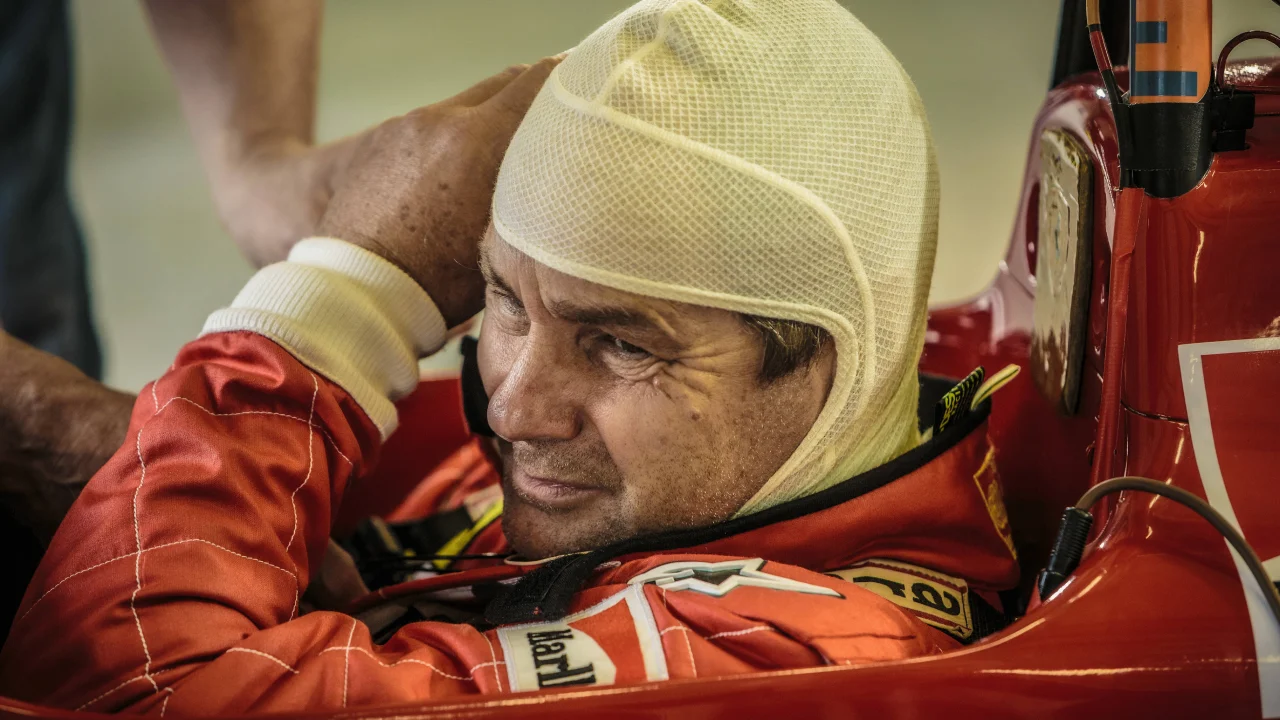
Starting fourth on the grid behind Ayrton Senna, Nelson Piquet and Nigel Mansell, and driving for Benetton, a team that had yet to win a race, Berger wasn’t on anyone’s radar as the driver to beat that day. Yet in an era with multiple F1 tire suppliers, Berger was the only driver of that top four to be on Pirellis instead of Goodyears, a decision that would make all the difference in the long run. As the Pirellis were made of a harder material, they could withstand the heat and rough surface of the race track for much longer than the Goodyears. So when the race started, Benetton was prepared to take the risk and have Berger go on one long, 68-lap stint.
And it worked! Berger nursed his tires from start to finish. He was able to outlast the competition all the way to the checkered flag, gaining valuable track positions while those ahead of him peeled into the pits. In doing so, Berger not only secured his own maiden win, but that of Benetton. This, of course, would not be possible in today’s F1, where drivers are required to stop at least once for a second tire compound. But even back then, pit stops had become such a vital part of race strategy that pulling this off was considered something special.
The overtake so legendary that they named a corner after it
When race tracks name corners after drivers, it is usually as a means of commemorating their success at a particular track or their overall career. But in the case of the Autodromo Hermanos Rodriguez, Turn 17 became known as Mansell not just because of his two wins and four career podiums at the track, but because of a legendary overtake he made past Berger around that corner back during the 1990 Mexican Grand Prix.
In the closing laps of the race, with Berger having taken P2 from Mansell just a few laps before.
"I was so incensed with the way Gerhard passed me down the straight," he said to Jonathan Noble of Autosport. "I thought, 'There was no way you are going to take second place from me!'”
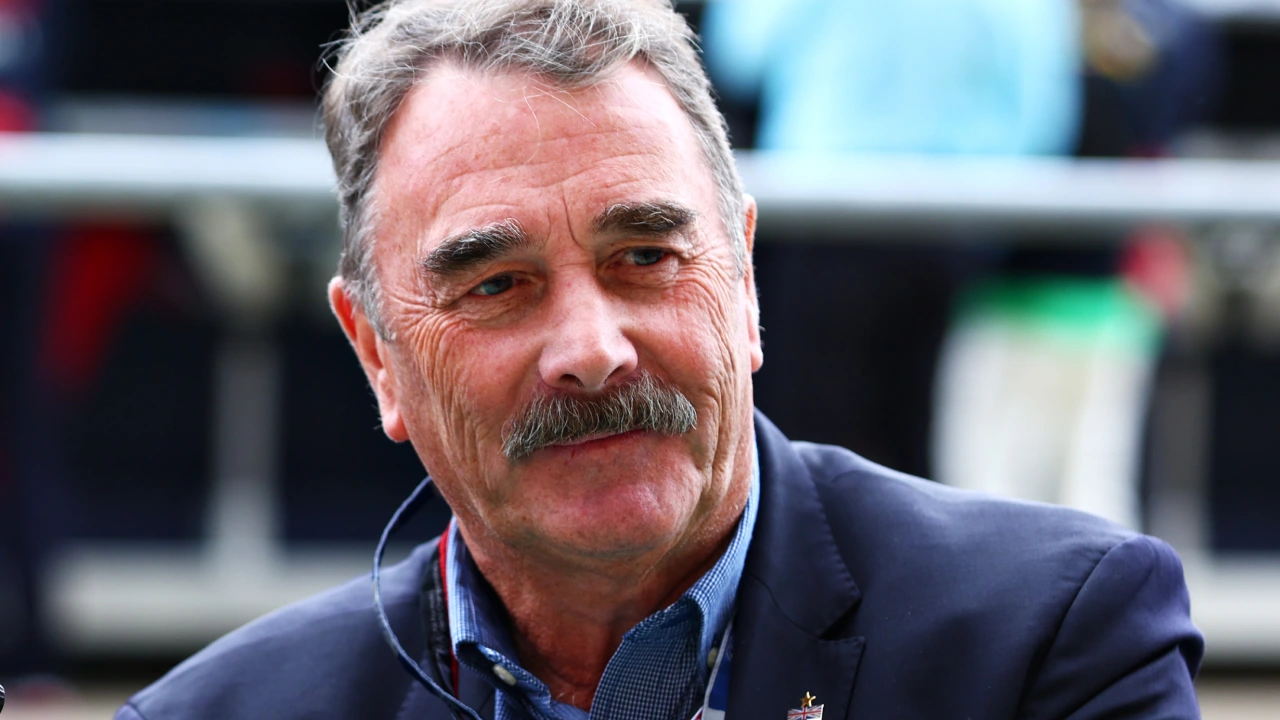
So he bided his time until he saw an opportunity open up. And then he sent it. Not down the inside, as most would, but around the outside of the fiercely quick, banked Turn 17, then known as the Peraltada.
“I’d made my mind up that I was just going to go in there flat, and that’s exactly what I did,” Mansell said of the move shortly after the race. “Fortunately Gerhard lifted!”
Mansell completed the pass and went on to secure his second-place finish. To this day, that maneuver remains one of the most iconic overtakes in the history of F1. It has become so legendary that, when the track was redeveloped and the turn was altered for safety reasons, the organizers of the Mexican Grand Prix renamed it from Peraltada to Mansell, saying they “couldn’t think of a more appropriate section of the 4.3 km track to name after the British racing icon.”
Want more surprising facts about this year’s F1 drivers and race tracks? Sign up for our newsletter for a bonus fact about Mexico, and be sure to check out our other Speed Reads: