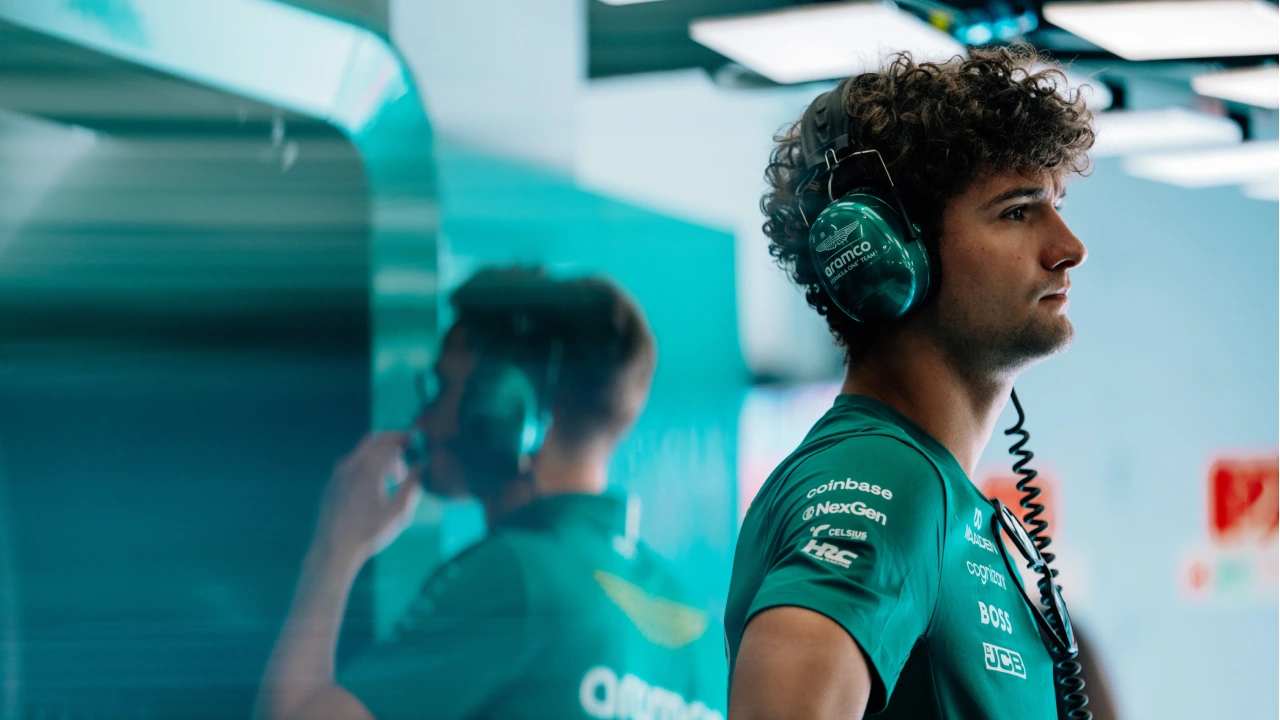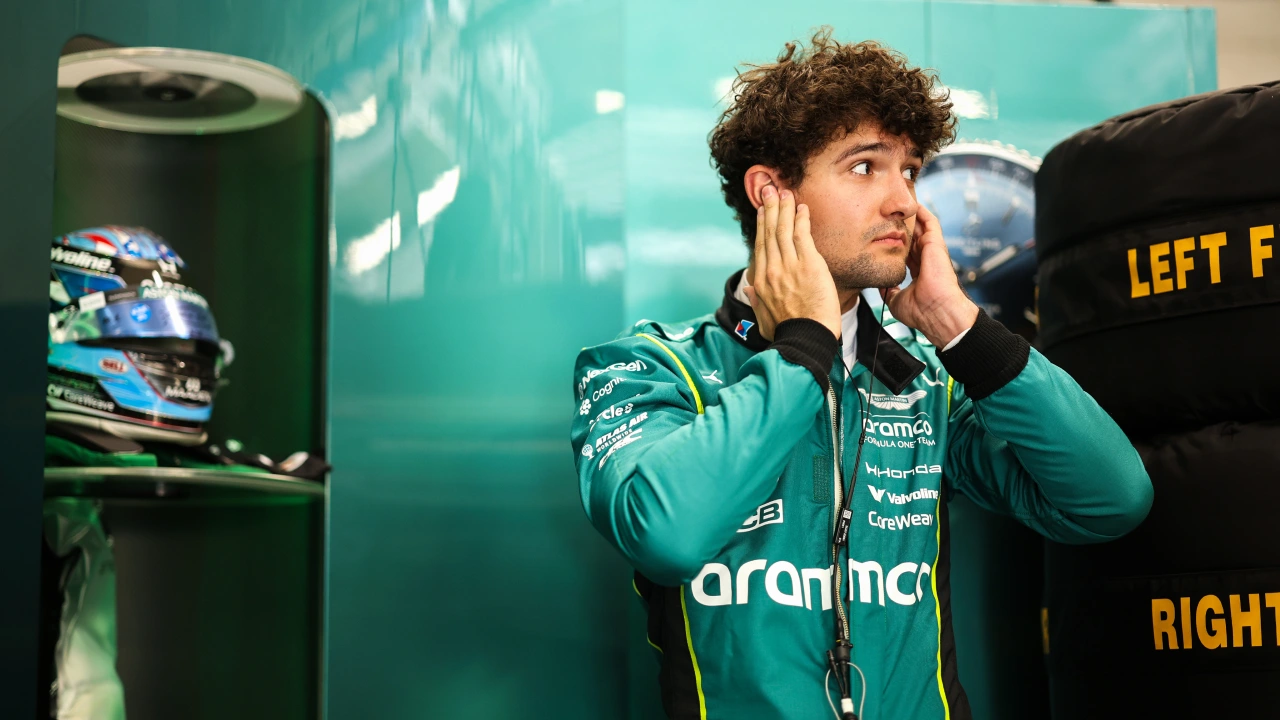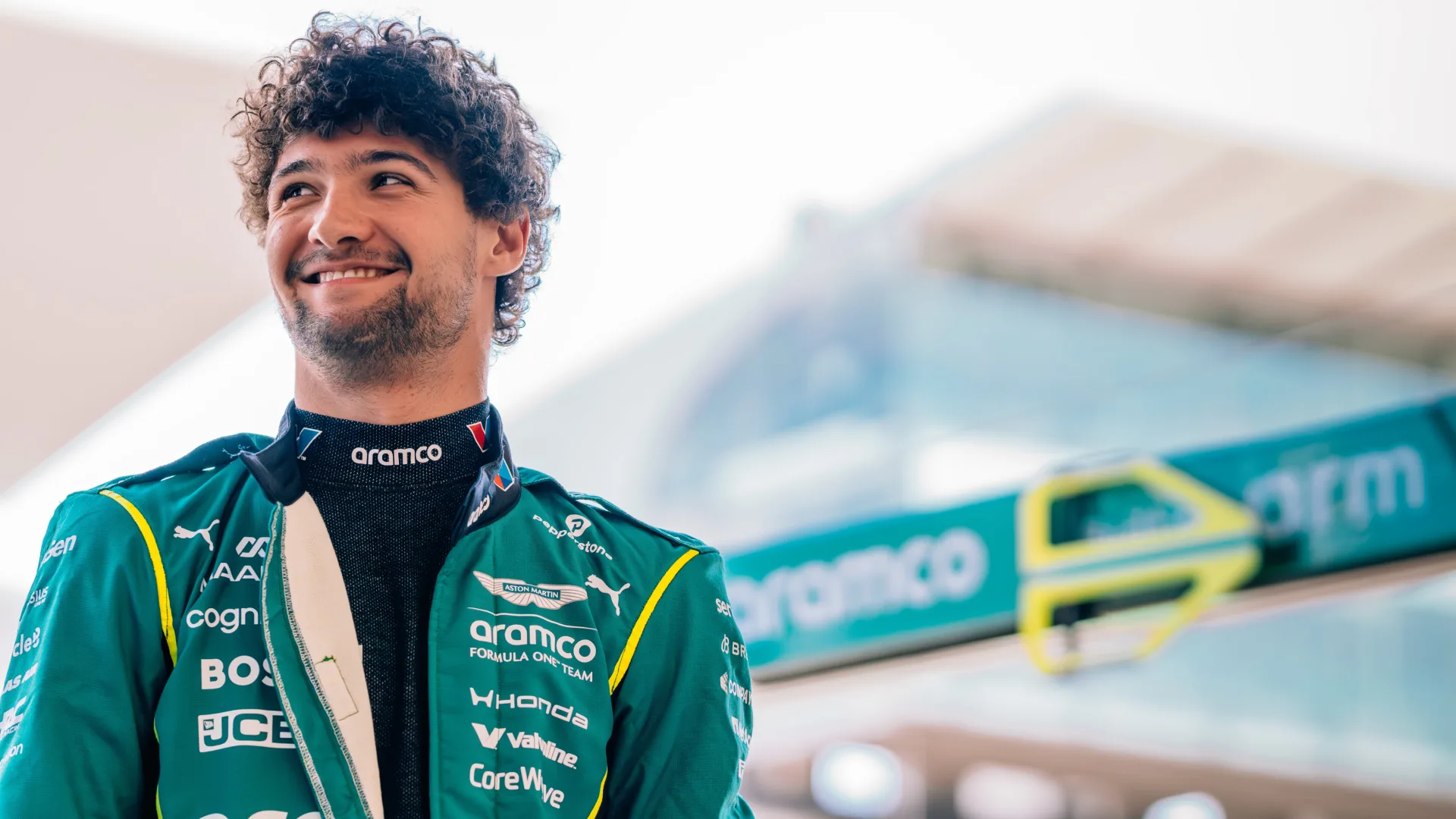


AUSTIN, Texas — When six-year-old Jak Crawford first began racing go-karts every Sunday at a local track in Katy, Texas, the Circuit of the Americas (COTA) had not yet been built. Fifteen years later, the 21-year-old is back in Texas for the US Grand Prix with a team fielding much larger cars: the Aston Martin Formula 1 Team. As the team’s third driver—the reservist who can be called to fill in for one of the team’s two drivers at a moment’s notice—Jak must stay on his toes all weekend while providing input to improve the car, all at a home race with no American driver on the grid.


“Pretty crazy, I definitely wouldn't imagine that,” Jak said to me when I asked how his younger self, who worshipped Joey Logano and Jeff Gordon, would feel about standing in the COTA paddock with a Formula 1 team. His words were hard to hear amid the team personnel and fans rushing by behind us. “I thought it was just a fun thing, like every other sport that I did on the weekend. To turn it into a career, and something that I was good at and love, is really cool.”
“Good” undersells it.
Jak was born in Charlotte, North Carolina, the heart of NASCAR country, and moved to Houston when he was six. His father, Tim, recognized the natural pipeline steering young American talent into domestic series like NASCAR and IndyCar, but Jak broke away from that after racing in Europe.
“I feel like I just got ‘right place, right time,’” Jak said with a smile as he reflected. “I was kind of going down that more, let's say, traditional route of NASCAR or IndyCar, and I'd raced over in Europe a bit. And then I learned about Formula 1 a bit, and I had some attention from some Formula 1 teams and was then able to get signed by the Red Bull Junior Team and that just kind of changed everything. I was able to come to Europe to race—paid for—and everything was very well organized for me.”
He signed with Red Bull in January 2020 and began competing in Formula 4 with Van Amersfoort Racing. By 2021, he was a step closer to F1 with the move to Formula 3, and by 2023 he had made his way to just below the summit: Formula 2.
“A lot of things were still very new to me and I was just starting to understand it all and get used to it,” Jak explained. “It felt like a new category, and [...] I was just having to learn it which I think in some ways definitely helped me because it helped me understand everything better and I was able to understand it and obviously work things out and become a better driver.”
Jak continued to learn and find his footing in Formula 2, finishing his first season with five podiums and 13th place. Just as his momentum in the F2 Championship was building, the path forward shifted and he left the Red Bull junior program.
“Everyone has a different path, but mine has been to be moved up fast and to a different team every year,” Jak said in 2023, as reported by Formula Scout. “In two years, I will be only 20 years old, so we are going to slow it down and work a more thoughtful plan. That is all I can say about our plans at this point in time. Again, I am grateful for Red Bull for four years of support.”
That’s when Aston Martin entered the picture.
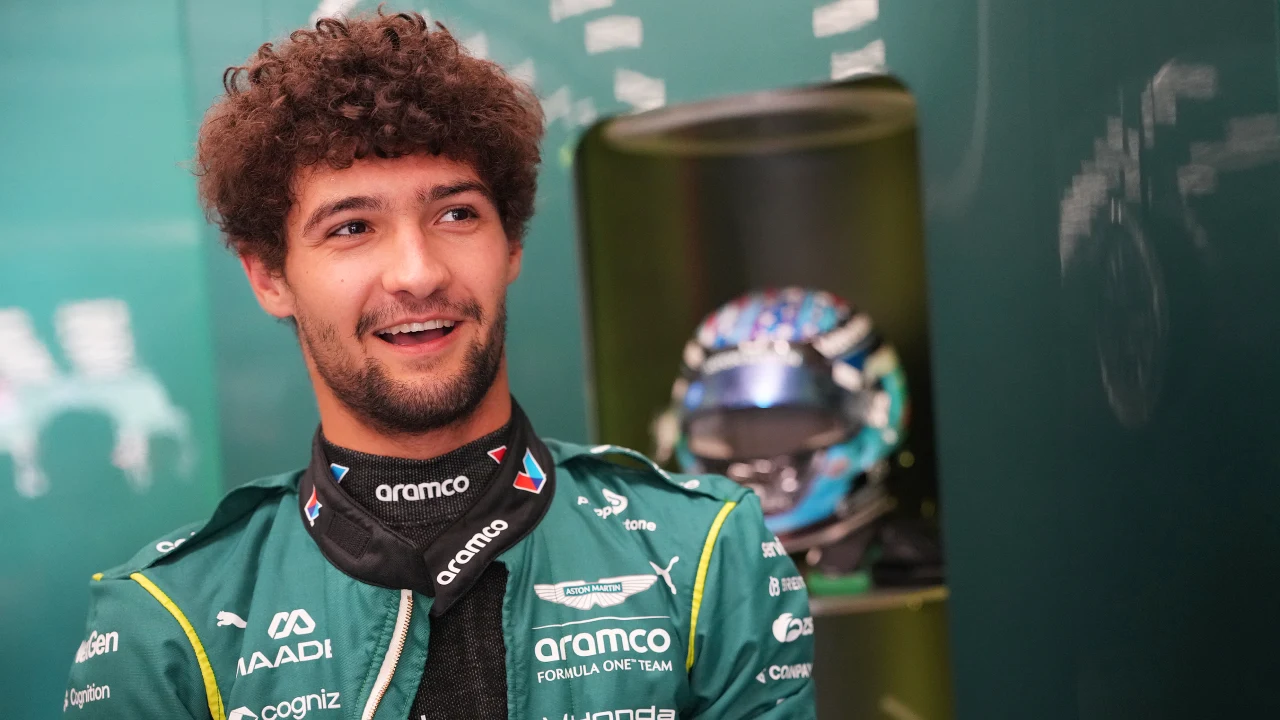
Ahead of the 2024 Formula 2 and Formula 1 seasons, Aston Martin signed Jak for its junior driver development program. More important than simply replacing Red Bull’s support, Aston Martin gave Jak an experience that few drivers ever get: a seat behind the wheel of a Formula 1 car. Just four months later, he was testing the AMR22 at the Red Bull Ring alongside his normal Formula 2 commitments. Whether it was Jak’s confidence, the team’s day-to-day support, or something else, the impact was obvious: the young American finished that year fifth in the championship, and the following year he came in second. By that point he was officially Formula 2’s most decorated US driver, with six wins and 19 podiums.
His performance was enough to impress Aston Martin leadership, and he signed on as the team's Formula 1 reserve driver for 2026.
And that’s where my conversation with Jak picks up: returning home to Texas for the 18th race of his first Formula 1 season. While he isn’t consistently behind the wheel of one of the team’s two cars yet, he is working hard to further its championship ambitions. There are the standard elements—constant physical and mental training, and regular sessions in the team’s simulator back in the UK. And then there’s the part racing spec cars, the standardized cars used in series like Formula 2, never taught him.
When I asked Jak what he picked up from being around teammates Lance Stroll and two-time Formula 1 World Champion Fernando Alonso, he didn’t talk about a particular driving technique. He spoke about shaping the car and the team.
“In Formula 1, it's a lot different than the junior categories where you have a spec car and you can't really change much. In this environment, you're developing a car not only for the current season but for the future. There's a lot of thought about how the car is to drive and how you can change the characteristics of the car, not only for this year but actually more looking at the future. We have this set of regulations for the next three or four years, so it's also about setting up the car and the team for future success.”
And with three outings in an F1 car this season—in Japan, Austria, and Belgium—I was curious whether having a hand in the car’s design gives reserve drivers like Jak more control. Jak agreed, then went further.
“You look for different things when you're out there and you're just trying to improve on the things that, maybe in a spec series, you say that's just part of the car and how it is,” he said. “Whereas here, you have a massive team of people that can help things and change things and really make an influence for the future.”
For a driver who’s back home at a track that hadn’t been built when he started racing, it feels full circle that he’s now helping prepare cars that don’t exist yet. Until the door opens, his job, as he puts it, is to be “as prepared as possible, just in case I would have to drive.”