




Formula 1 returns this week with the second race of a triple-header, and it’s a pretty unique one. The race itself will officially be recorded as the Bahrain Grand Prix, which was originally scheduled to take place April 12th, 2026, but canceled due to the ongoing conflict in the Middle East. Instead, the race will be hosted at the fan-favorite Sepang International Circuit, the past home of the Malaysian Grand Prix. With the last F1 race held on this circuit being in 2017, we thought this would be the perfect opportunity to look back at some of the most intriguing moments that have happened here, from Michael Schumacher conceding a win to one of the most infamous moments between Red Bull teammates.


The day Schumacher sacrificed his own victory for Ferrari’s Championship hopes
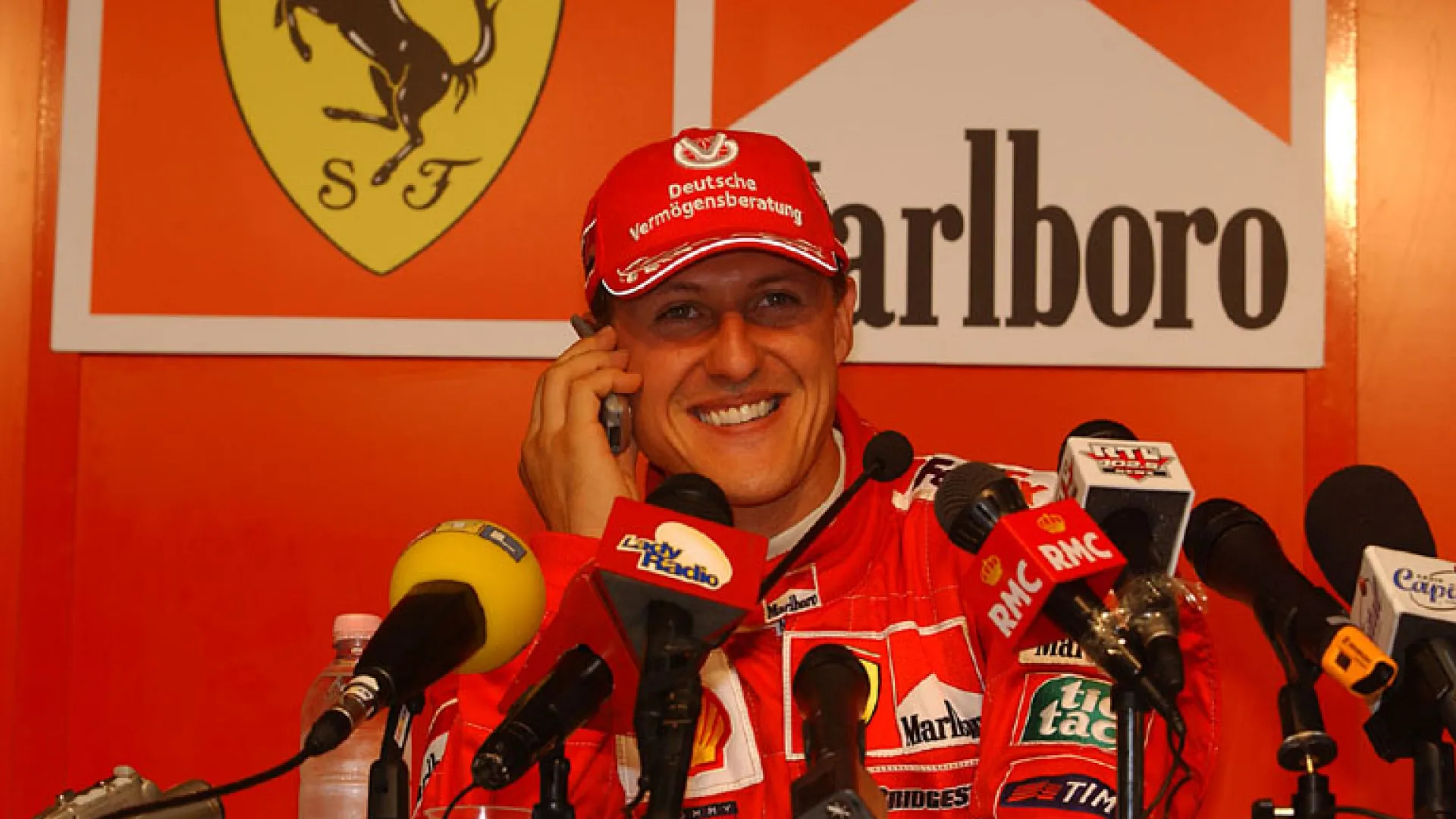
The inaugural Malaysian Grand Prix in 1999 was quite the spectacle. It featured the return of Michael Schumacher, who, three months prior, broke his leg during the opening lap of that year’s British Grand Prix.
Yet despite his hiatus, which spanned six separate Grands Prix, Schumacher returned in top form, claiming pole position during the weekend’s Qualifying session by an astounding 0.947 seconds ahead of his Ferrari teammate, Eddie Irvine, in P2. That pace held true on race day, as Schumacher easily built up a gap of over three seconds between himself and Irvine in just the first two laps.
But then something strange happened. By the fourth lap, Schumacher had slowed down enough for Irvine to catch up, pass him, and take the lead. Schumacher spent the rest of the race in P2, defending Irvine from Mika Häkkinen.
It was an odd move for a driver as ruthless as Schumacher, the man who had seldom played the team game and just two years earlier was disqualified from the entire Championship for intentionally crashing into the Williams of Jacques Villeneuve to secure his own victory.
Having missed over one-third of the season so far, Schumacher was long since out of contention for the Drivers’ Championship and understood that a victory would be just for show. Irvine, however, was still in the fight and Häkkinen was his top competitor. The power was therefore in Schumacher’s hands to ensure that a Ferrari driver had the best chance of winning the Drivers’ title, while maximizing the team’s points in the Constructors’ Championship (which they ultimately went on to win).
On the situation, Schumacher said after the race, “I would prefer to win the race, but it doesn't make sense. There is no point in being glorious and afterwards we don't win the championship. Then we would look stupid."
Where Fernando Alonso dominated with three different teams
Fernando Alonso is one of F1’s greats, and nowhere is this better seen than at the Sepang International Circuit, a place where he has won three separate times. This in and of itself may not seem particularly notable, as plenty of drivers have had repeat wins at particular tracks. What makes Alonso’s wins impressive, however, is that each one came with a different constructor. This is a feat only two other drivers have accomplished at a single track: Juan Manuel Fangio and Alain Prost.
Alonso’s first win in Malaysia came with Renault in 2005. It was just his second win in F1, and his first of the season, making him the first Spaniard in the history of the sport to lead the Drivers’ Championship. Alonso went on to claim his first title that year, ending Schumacher’s five-year reign.
The second was with McLaren in 2007. Alonso had just joined the team, and it only took two races to get his first win for them, showing how quickly he was able to adapt to the new machinery. This kicked off a relatively successful season with McLaren, during which he earned a total of 12 podiums and three wins. Alonso may have finished third overall that year, but he tied second-place finisher Lewis Hamilton with 109 Championship points (Hamilton placed higher overall based on a countback rule in F1 that accounts previous race finishes), and earned just one point less than the year’s Champion Kimi Räikkönen to might it an extremely tight battle.
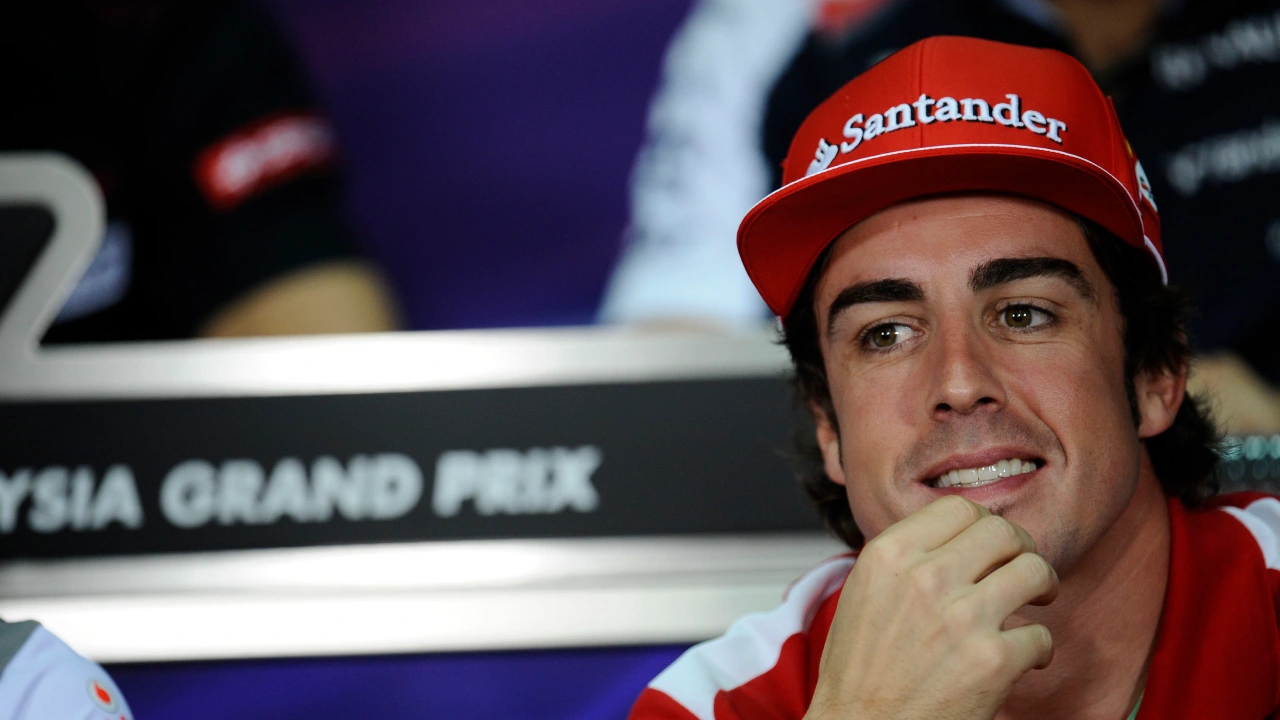
His latest win in Malaysia would come after a bit of a wait. But five years later, in 2012, Alonso scored his first win of the year at Sepang, launching what would be his most successful season with the Scuderia. That year, he lost the Drivers’ Championship to Red Bull’s Sebastian Vettel by just three points, in what was yet another one of the closest title fights in F1 history.During the 2015 Malaysian Grand Prix Drivers’ Press Conference, Alonso reflected on his success in Sepang, saying, “Malaysia has always been a very nice circuit for me in my Formula 1 career. My first pole position was here in 2003, my first podium and then as you said three wins with three different teams give me the possibility always to enjoy this circuit.”
The grudge behind the infamous Webber-Vettel team orders catastrophe
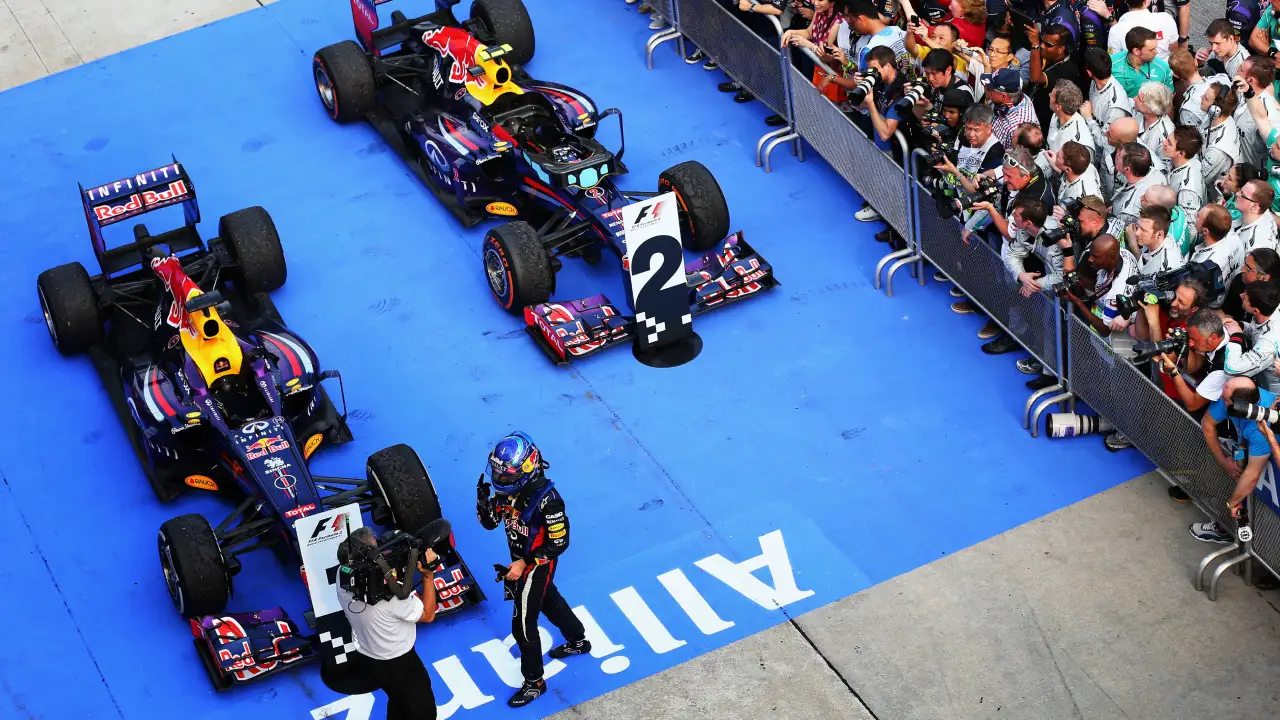
Perhaps the most well-known incident to have occurred during an F1 race in Malaysia is the infamous Multi-21 incident of 2013, involving Vettel and his then-Red Bull teammate, Mark Webber.
Chances are that you are familiar with what happened. The two were given a radio instruction by their pit wall–”Multi-21”–to hold their positions while Webber was leading the race and Vettel was running in second (the numbers in Multi-21 were a reference to their respective driver numbers, 2 and 1, and the order they should finish in). Vettel, however, took things into his own hands and chose to disobey the team directive, overtaking Webber for the win.
But what drove Vettel to so blatantly go against a team directive like that? The story goes back much further than this one race in Malaysia.
“It probably culminated at the end of 2012,” explained former Red Bull Team Principal Christian Horner on a 2018 episode of the Beyond the Grid Podcast, “when Sebastian was fighting Alonso for the championship and Mark squeezed him up against the pit wall at the start of the race in Brazil, in the championship decider, which ultimately resulted in him getting turned round by Bruno Senna. Sebastian was hugely angry about that.
“There was a hangover of that, that led into Malaysia, literally two races later, split by four or five months. You had a situation where you have Mark in the car ahead, Sebastian on new tires in the car behind. The tires were pretty fragile, we’re telling them hold position and Sebastian thought ‘F*** you’.”
Want more surprising facts about this year’s F1 drivers and race tracks? Sign up for our newsletter for a bonus fact about Malaysia’s Sepang International Circuit, and be sure to check out our other Speed Reads:

.webp)



.png)
.png)