


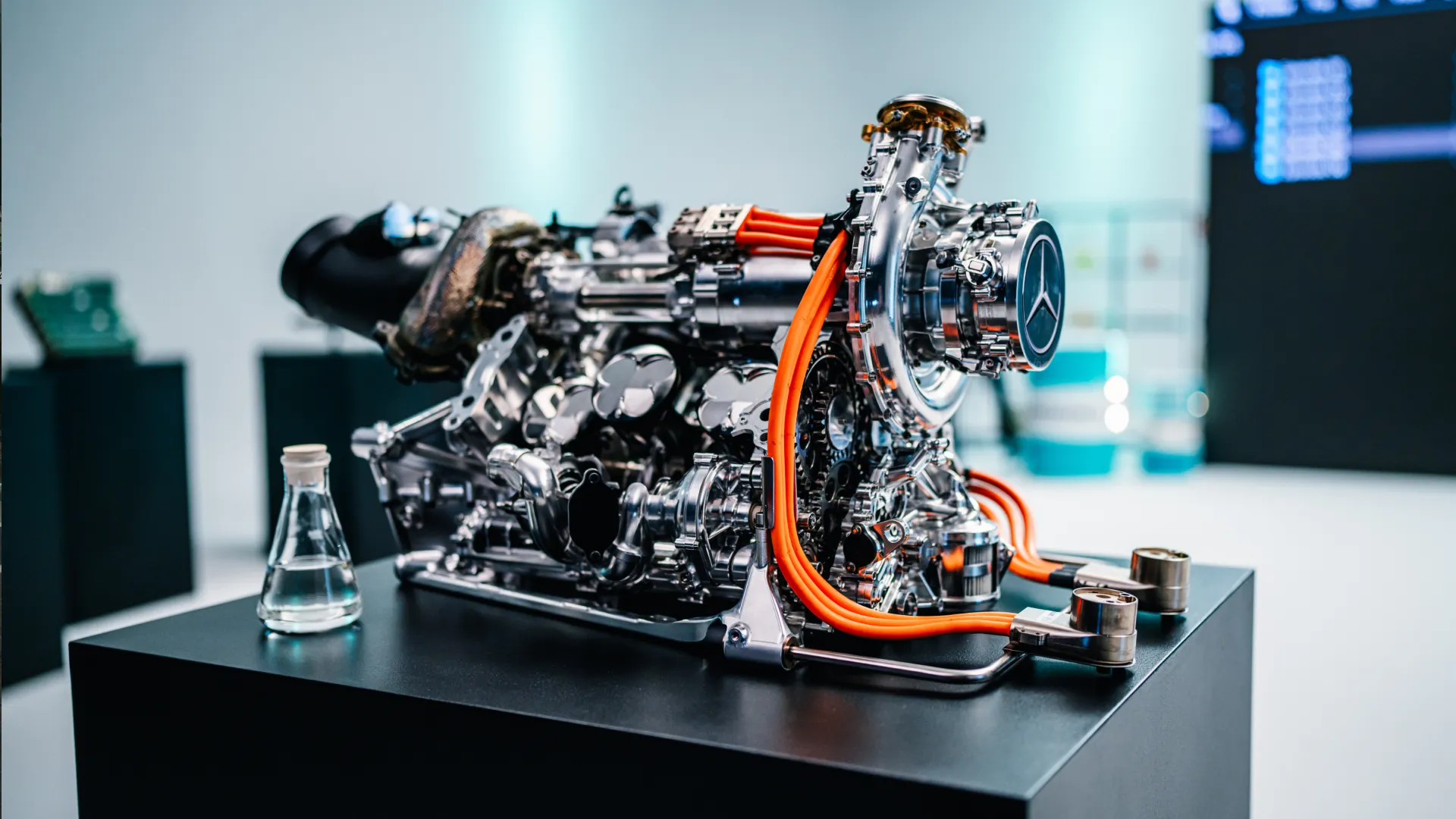


2026 is a year of big changes in Formula 1, from new regulations to the brand new teams and constructors we’ll see.
With all the shifts going on, it can get tricky keeping track of all the changes happening beneath the surface, particularly when it comes to the finer details, like which engines–or “power units” in F1 terms–each team is using. This is why we’ve broken it all down to make you an expert in minutes, laying out everything you need to know about engines, including which teams are manufacturing them and which teams are buying them.


F1 engine basics: Works vs customer teams
When it comes to engines in F1, teams will fall in one of two categories: works or customer.
Works teams are those who build their own engines in-house. They have a power unit development facility, and are able to tailor make their engine and chassis to each other, giving them the freedom to design both exactly how they want.
Customer teams are those who, instead of making their own engines, simply rent one from a works team. This cuts both time and money, as they don’t have to spend these resources on development. It does, however, also mean that they don’t have control over the specifics of the engine, and they have to build their chassis around the power unit, instead of in combination with it.
So which engines are being supplied by works teams, and which customers are they furnishing? The details are all below!
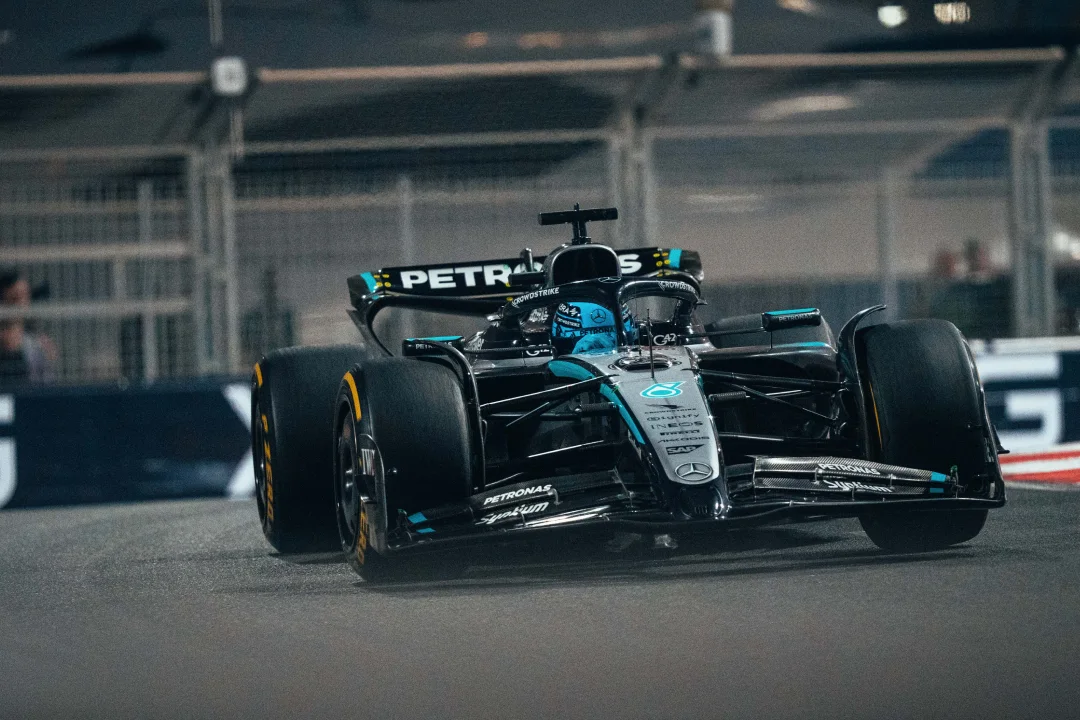
Mercedes-AMG High Performance Powertrain
A powerhouse works team, Mercedes is once again providing a High Performance Powertrain (HPP) engine for itself as well as a myriad of customer teams on the 2026 grid from its engine development facility in Brixworth, England.
The Mercedes HPP is entering its 23rd year of competition in F1, having made its debut powering Sauber’s 1994 challenger. Since then, Mercedes engines have claimed 230 race wins, 12 Constructors Championships, and 12 Drivers’ Championships.
There is high expectation for Mercedes engines in the 2026 season, with many suggesting that their power units will be among if not the most superior of the grid this year. Team Principal, Toto Wolff, however, is hoping to keep expectations tempered for now, at least until testing begins at the Circuit de Barcelona-Catalunya on January 26th.
“It is super difficult to predict,” he said, speaking to the media in mid-December of 2025, “because we set ourselves targets that we are on track to meet, but whether those targets we set were ambitious enough, and whether those targets have been set in the right place in terms of priorities, only the future will show.”
Mercedes customer teams: McLaren, Williams, and Alpine
Aside from itself as a works team, Mercedes also supplies its HPPs to several customer teams on the grid, and will continue to do so in 2026.
Among them is McLaren, who have won the last two Constructors’ Championships all while powered by Mercedes engines. The two have a long-standing history, with Mercedes supplying McLaren from 1995 to 2014, and again from 2021 to the present day.
Williams is another team that has been using Mercedes HPPs for some time now, having first teamed up in 2014. This is the longest standing continuous supplier-customer pairing in present day F1, with an extension to their agreement having been announced in the summer of 2024 that will see them working together through 2030.
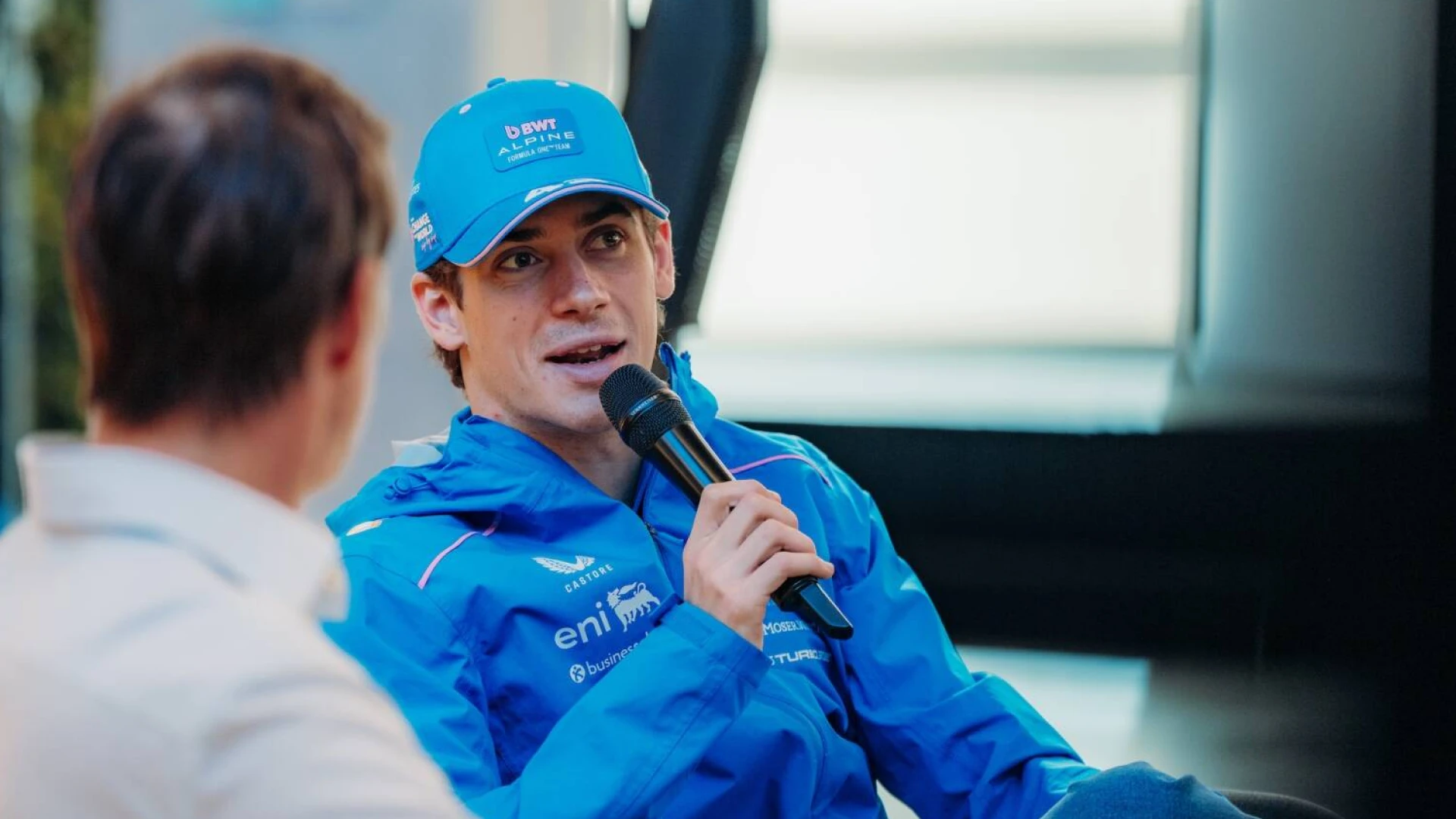
Mercedes is also gaining a new customer this year in Alpine, as Renault prepares to shut down its F1 engine development program. Having originated as a re-brand of the Renault works team in 2021, this will be the first time that Alpine shifts from using its own custom engine to relying on a supplier.
Ferrari power unit
The only team that has been a constant fixture in F1 since the establishment of the sport, Ferrari has a long-standing history of producing engines for itself as well as other teams on the grid. The team holds some of the biggest successes in the sport, including the record for most Constructors’ Championships at 16 in total.
Yet after a winless 2025, and 17 years without a Constructors’ or Drivers’ title to their name, the pressure is on for the Scuderia to do something big this year. And it looks like that is exactly what they are doing.
It was recently reported by it.motorsport.com that Ferrari’s 2026 engine will contain cylinders made of a steel alloy that should allow for more reliability compared to aluminium, the standard material used for these components. This does have to be balanced with the extra weight that a steel alloy would provide, but it could be a sign that the team is going in with an aggressive strategy for their 2026 power units.
Ferrari customer teams: Haas and Cadillac
In addition to its own team, Ferrari will be supplying engines to Haas and Cadillac in 2026 as well.
Haas has been relying on Ferrari power units since its inception in 2016, and has generally kept close ties with the Italian outfit, with both teams holding facilities in Maranello. In the summer of 2024, Haas announced that it had extended its partnership with Ferrari, and will be using their engines through 2028.
Cadillac will likewise be powered by Ferrari in its debut season. The American team is in the process of establishing a works engine development program for itself through its parent company, General Motors, and is expected to make the switch in 2028 or 2029. In the meantime, it will rely on Ferrari engines.
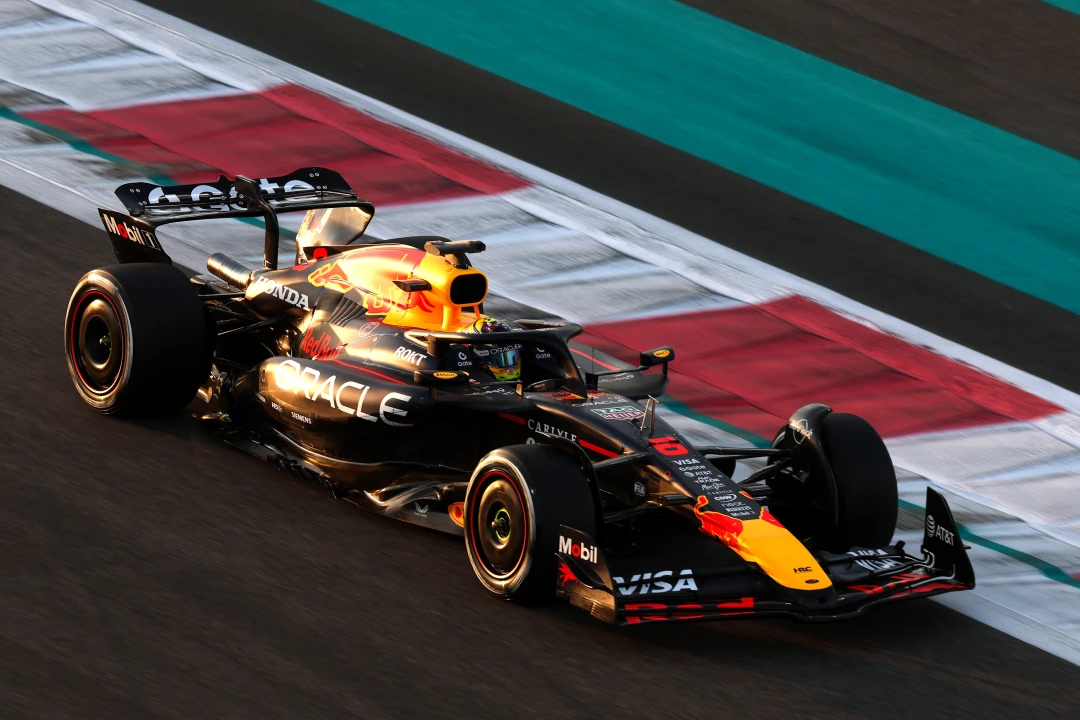
Red Bull Ford Powertrain
The Red Bull organization has had a partnership with Honda to provide engines to its junior team, Racing Bulls, since 2018 and its senior team, Red Bull Racing since 2019. That partnership came to an end last year, marking the conclusion of an incredibly successful era for the organization, during which they claimed two Constructors’ and four Drivers’ Championships.
Moving forward, the Red Bull organization is continuing with their own engine development department, which will produce the power units in-house for both teams under their umbrella. This is being done in partnership with Ford, who makes their return to F1 for the first time in 22 years with the 2026 debut of the Red Bull Ford Powertrain.
Red Bull is keeping a measured outlook on how the engines will perform, with Ford Performance director Mark Rushbrook saying, “There's always some level of nervousness or anticipation anytime there's a new car or engine on track.
“Our computer tools are great for designing; our labs are great for evaluating and developing the hardware, and the calibration that goes with it, so we can simulate a lot in those environments. But until you get it all together on an actual race track, you haven't seen everything. And it's a question of what are you going to see on track that you didn't see in the lab.”
Honda power unit
While Honda’s relationship with Red Bull may have come to an end in 2025, we will still be seeing Honda-powered F1 cars on the 2026 grid, as the manufacturer begins a new chapter with Aston Martin. Aston Martin was previously a Mercedes customer team, relying on their HPPs since 2009, while it was still racing as its predecessor, Force India.
The partnership with Honda was announced back in 2023, and is finally coming to fruition just as Aston Martin prepares for a change in its leadership, with Adrian Newey becoming Team Principal. In addition to his impeccable win record in the sport, Newey is incredibly familiar with Honda as a power unit provider, having been at Red Bull throughout their years of success in partnership with Honda.
On the novel collaboration with Aston Martin, the Japanese manufacturer has said, “2026 marks the start of Honda’s new era in F1, having first entered in 1964. Since then, Honda has established itself as one of the most successful power unit manufacturers in the sport’s history."
Audi power unit
A powerhouse in other motorsports, including rally and endurance racing, Audi is finally making its debut in F1 with their takeover of Stake Kick Sauber. Their purchase of the team goes beyond just rebranding, as Audi will also be producing its own power units, ending the customer relationship that Sauber previously had with Ferrari.
Mattia Binotto, who became Head of the Audi F1 Project after departing from his role as Team Principal at Ferrari, spoke with a realistic outlook on his expectations of the German outfit’s debut year in the sport, saying via Reuters, “I think we need patience. We are still in the building phase. I’m not expecting to have the best engine next year at all, but that’s fine because we know our objectives are set for 2030. We don’t intend to be a surprise next year.”



%20(1).jpg)
.png)
.png)