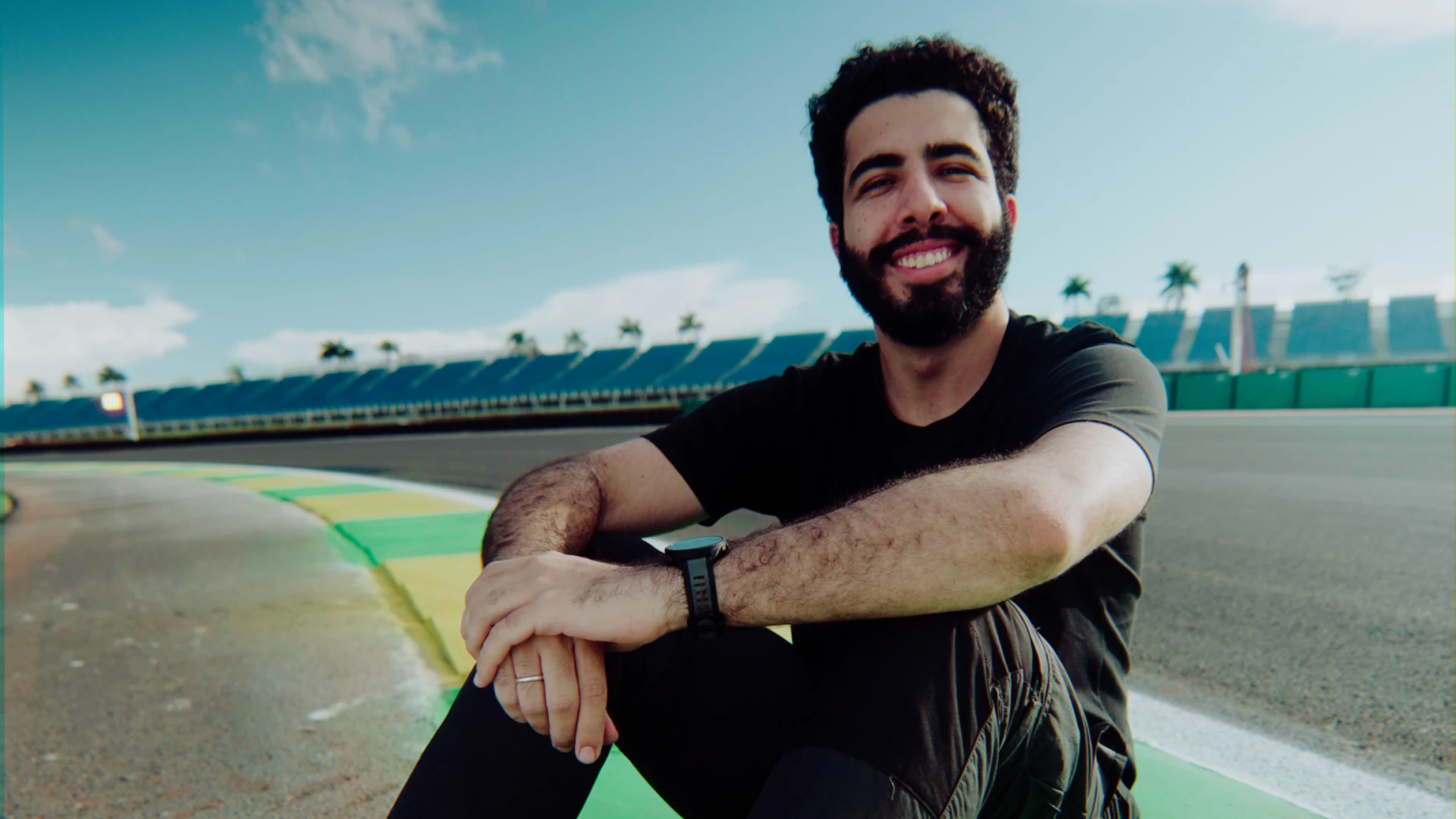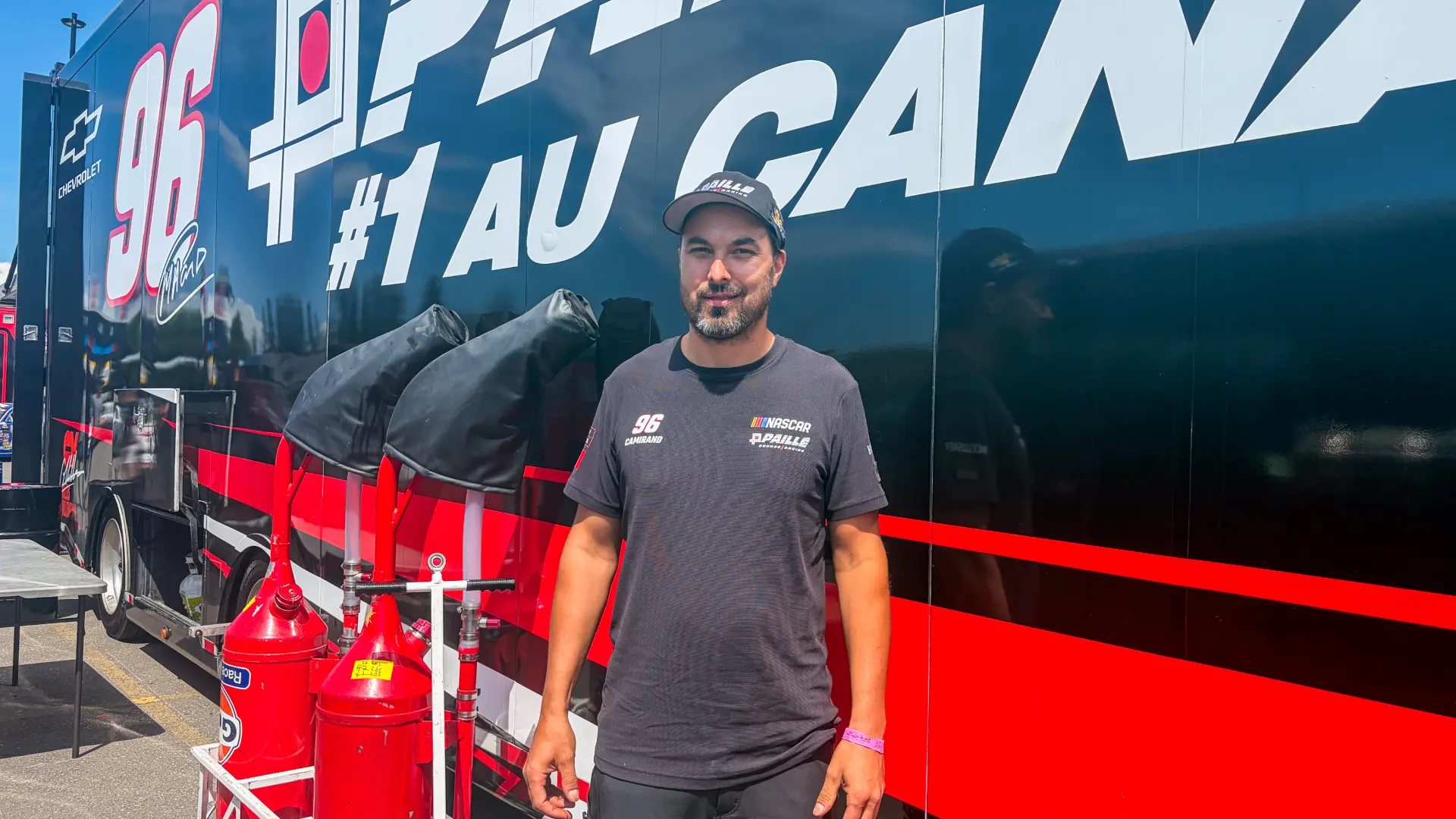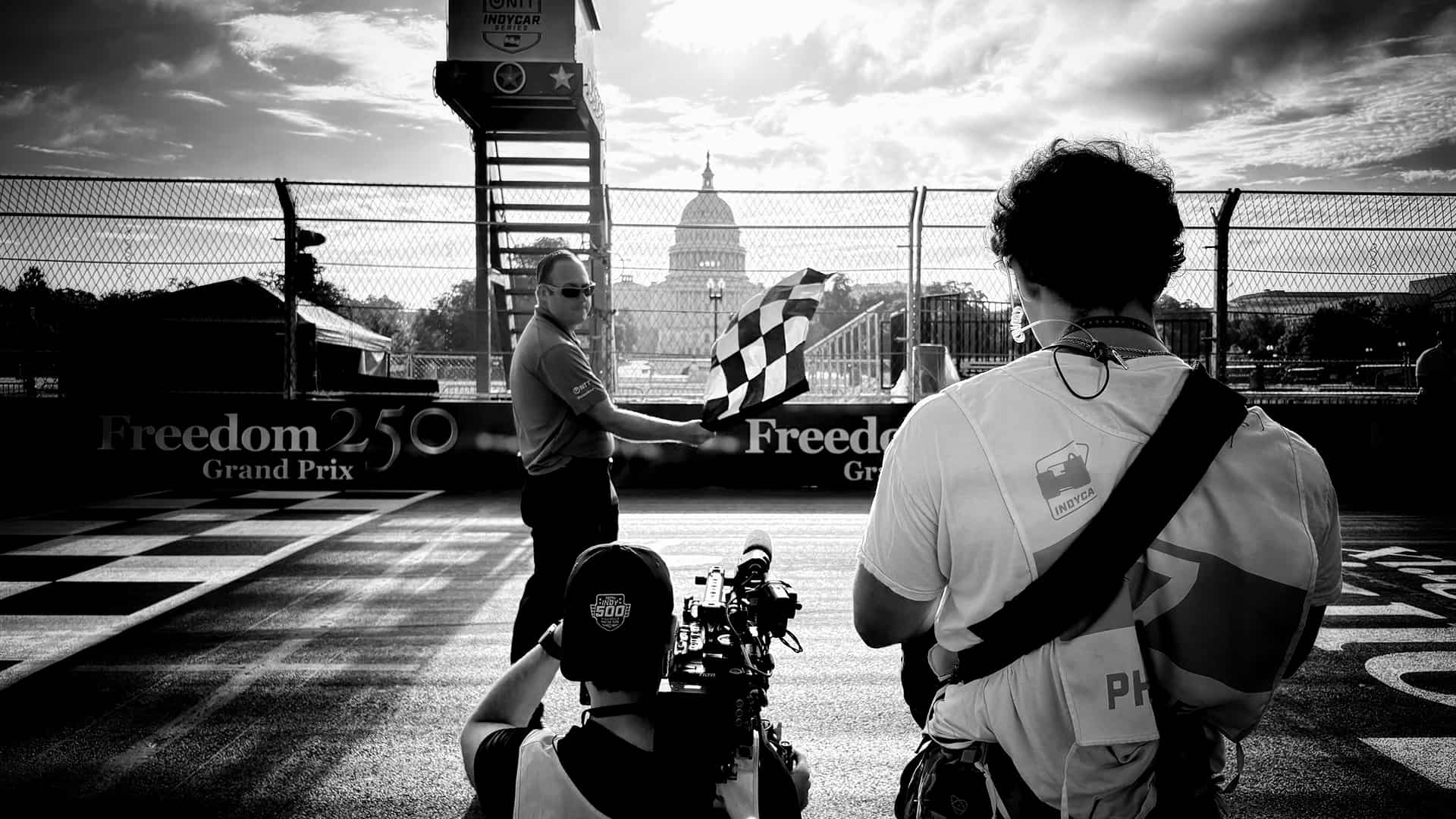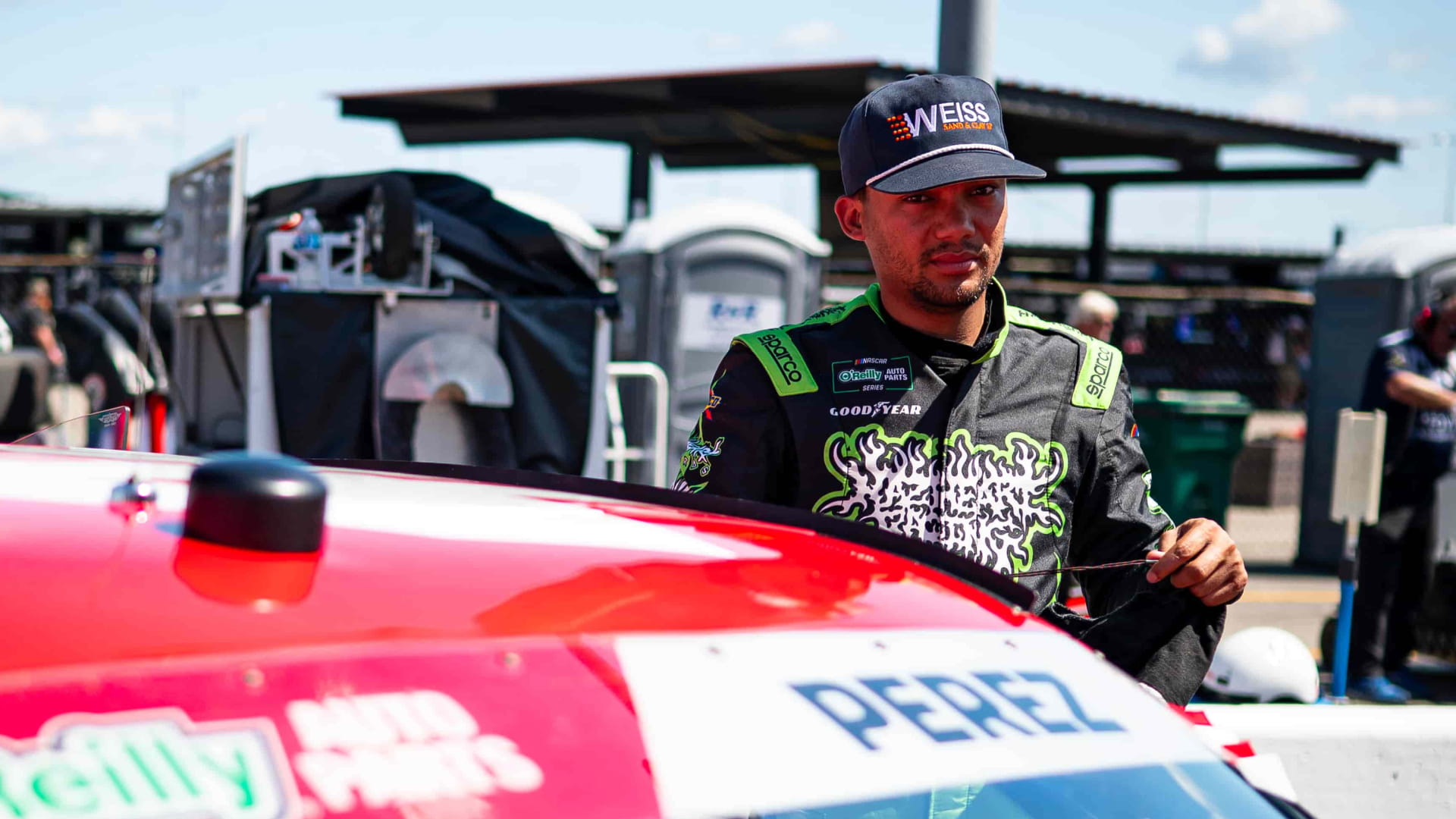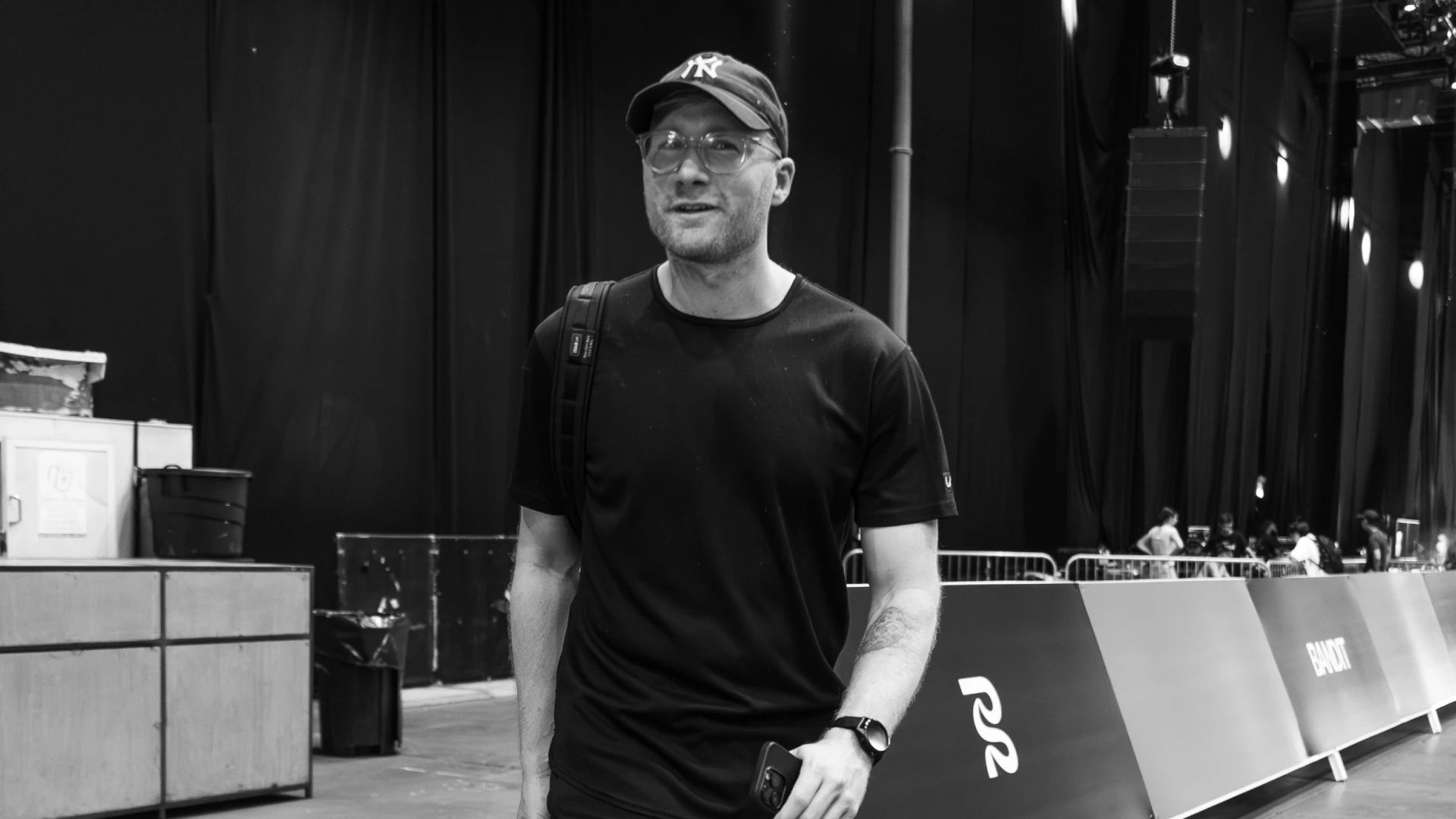


Jordan Bank spent his formative years exploring race shops and the now-extinct Lake Geneva Raceway, but it wasn’t until he grew up and got a full-time job in finance that he realized photographing sports was his calling.
Jordan isn't your typical sports photographer. A graduate in economics from the University of Wisconsin, he actually works full time as a Financial Planning & Analysis lead at one of the world's largest video game publishers, Take-Two Interactive, publisher of games like Grand Theft Auto.
But after teaching himself how to photograph sports, first with New York City basketball games and then at Major League Soccer matches, he’s successfully turned a hobby into paid freelance work with one of the most reputable agencies in the world, Getty.
Now, he travels nearly every weekend, photographing all kinds of sports—from football to basketball and motorsports—as he works to make a name for himself among sports photography greats.
So, how does he manage a day job in finance with the long weekends capturing top athletes and fast cars? Keep reading to find out!
Position: Part-time Freelance Sports Photographer and Editor, and Full-time FP&A Lead at Take-Two Interactive.
Day to Day: I spend 40 hours a week as a video game finance guy, and then typically every single weekend I’m working on any assignment you possibly think of depending on the season; any sport except hockey.


How Jordan Discovered Racing and Started His Career
What was the moment you discovered racing?
My dad and uncle raced stock cars at the local track in Lake Geneva, Wisconsin, before I was born. So, they spent a lot of time at the shop working on cars and things like that, and we were always connected to it from a very young age. I spent most of my youth at a race shop of some sort, which is super cool because, looking back on it now, you realize how unique an experience that is, especially back in the 90s.
Now, I get to talk about guys who are legends of the sport that used to just race short tracks in Wisconsin, and my dad happened to work with some of these guys. We're talking about guys like Matt Kenseth and Jimmie Johnson, people like that who are from Wisconsin or spent a lot of time there. So yeah, I probably spent most of my ages 2 to 13 at the race shop, and a lot of the free time at Lake Geneva [Raceway]. But it doesn't exist anymore.
What made you decide to photograph sports professionally?
It was a happy accident. I was largely a travel and landscape photographer for what I'd call my first seven years. I would just take a camera with me when I traveled for work.
Greg: Did you study photography, or is it something you picked up as a hobby?
I didn't study it. I have my degree in economics from the University of Wisconsin. When I graduated college, I rolled into a rotational program at a big healthcare company, and the core of the program was that you would switch locations every six months. I had not really traveled at all in my life.
So, I was like, “Hey, I should probably document some of this stuff because I don't know if I'll do them ever again.” My mom had a camera that she took pictures of me playing soccer growing up that she wasn't using anymore. I took that from her and started taking pictures at the local state parks with a buddy and eventually just took that camera with me when I moved up to California and then to Europe and then to Asia. I just fell in love with it and wanted to document everywhere I'd been.
I did that for like five years, and then I had that two-year lull before I moved to New York. About a year after moving, I got an email from a streetwear brand, ALD [Aimé Leon Dore]. They host an annual 3v3 basketball tournament in partnership with New Balance, and they just do it on Houston Street. They were just like, “Hey, come hang out,” like a normal marketing email. They had no idea I took photos.
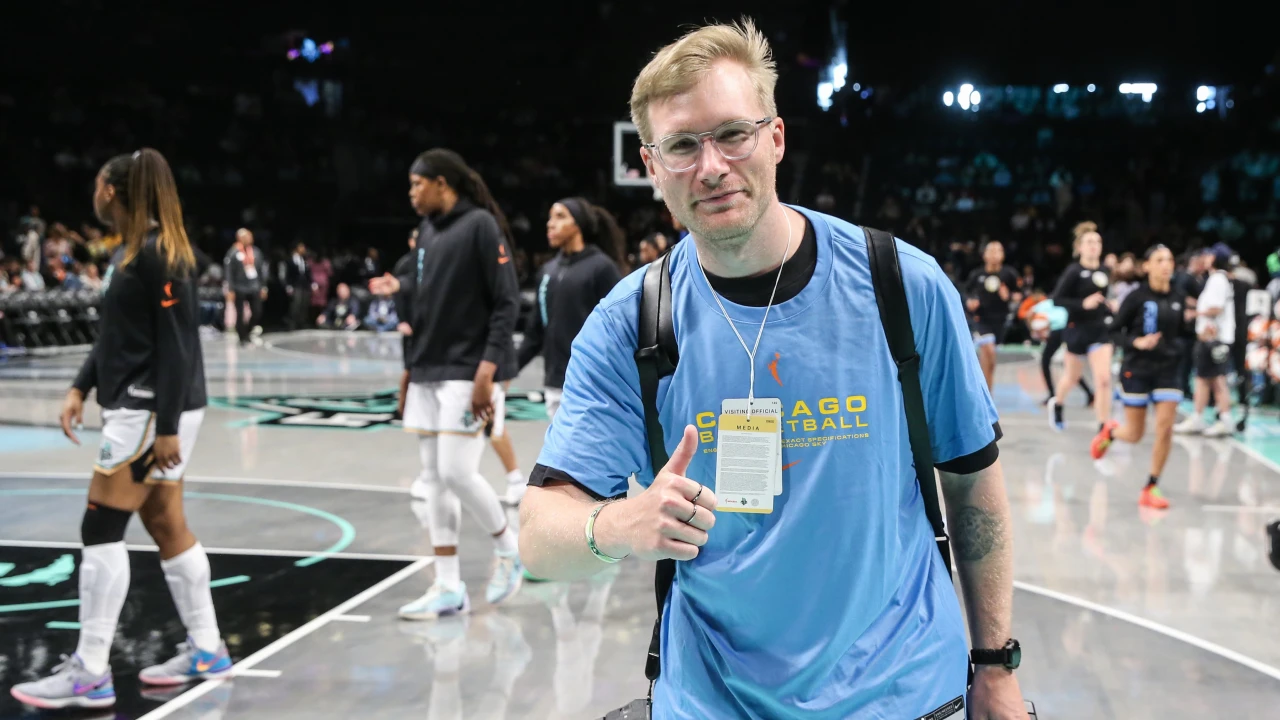
So, I go out there with a camera, and I just kind of wander around and take some photos. I have no idea what I'm doing for the most part. But I posted the pictures on social media, and one of the guys found the image of himself and reached out, and he asked me if I'd be interested in shooting some of their routine summer league games at the West Fourth Street Courts.
I was like, “Sure, if you think they're good, I'm more than happy to come take some photos, probably once a week after work.” And so, I just started going to the court every time they would play and then thought that that was cool. Eventually, I stopped going for just their games, and I would just go every single night that I was free, just to kind of get some repetitions in because I was enjoying it and I thought it was cool. The team I was shooting for was green, so I had a million photos of guys in green jerseys, but I wanted a variety of colors. So, I just started going to all the games, and that's kind of how I got my footing in sports photography.
Greg: So, you were self-taught?
Yeah, exactly. I actually came across a subreddit called Photoclass. I just did a quick search on how to learn photography. It turns out that they archive that Photoclass every year, and they do it on a website. So, there's a website called r-photoclass.com, and it's like a 10-minute lesson every single day for 30 days that teaches you the basics. So, I just followed the class, 10 minutes a day, and just tried to figure it out.
When did you make the jump from volunteering to shooting major sporting events and getting paid for it?
It was a very gradual thing. I got my first client, and it was the same exact guy who had asked me to come shoot the street ball courts. He happened to be a social media head at a sports company, and they were like, “Hey, sometimes we do events, or the basketball league we run comes to the city. Would you want to do it? We can pay you.” And I was like, “Yeah, sure, that'd be great.”
That's when I started to get familiar with what they call the quick turnaround workflow, basically, giving them images pretty much instantly. I wasn't doing any captioning or things like that which are super important in the editorial world, but that's kind of how I started to dip my feet into, "Oh, hey, I can do this, and I can get you images quickly."
Greg: For those who don’t know, what do you mean by a quick turnaround workflow?
I would say it's photographing an event, and during the event or very soon after the event, let's say within an hour, you're providing images to your client. For instance, during an event for Getty Images, typically before the game, we send a few images that are captioned and cropped and edited the way that they need to be.
Then we do the same thing at halftime, and then we do the same thing within 20 or 30 minutes of the game ending. You're basically allowing a client to post online in live time, whether that be on social media or editorially.
Greg: And what was the big break for you?
I would say it was when I did a full season of shooting MLS [Major League Soccer] for free, which to some might sound crazy, to some that might just be normal. So, after doing a complete year of that was when I started contributing to Getty.
Jordan’s Current Role
How would you define your current role?
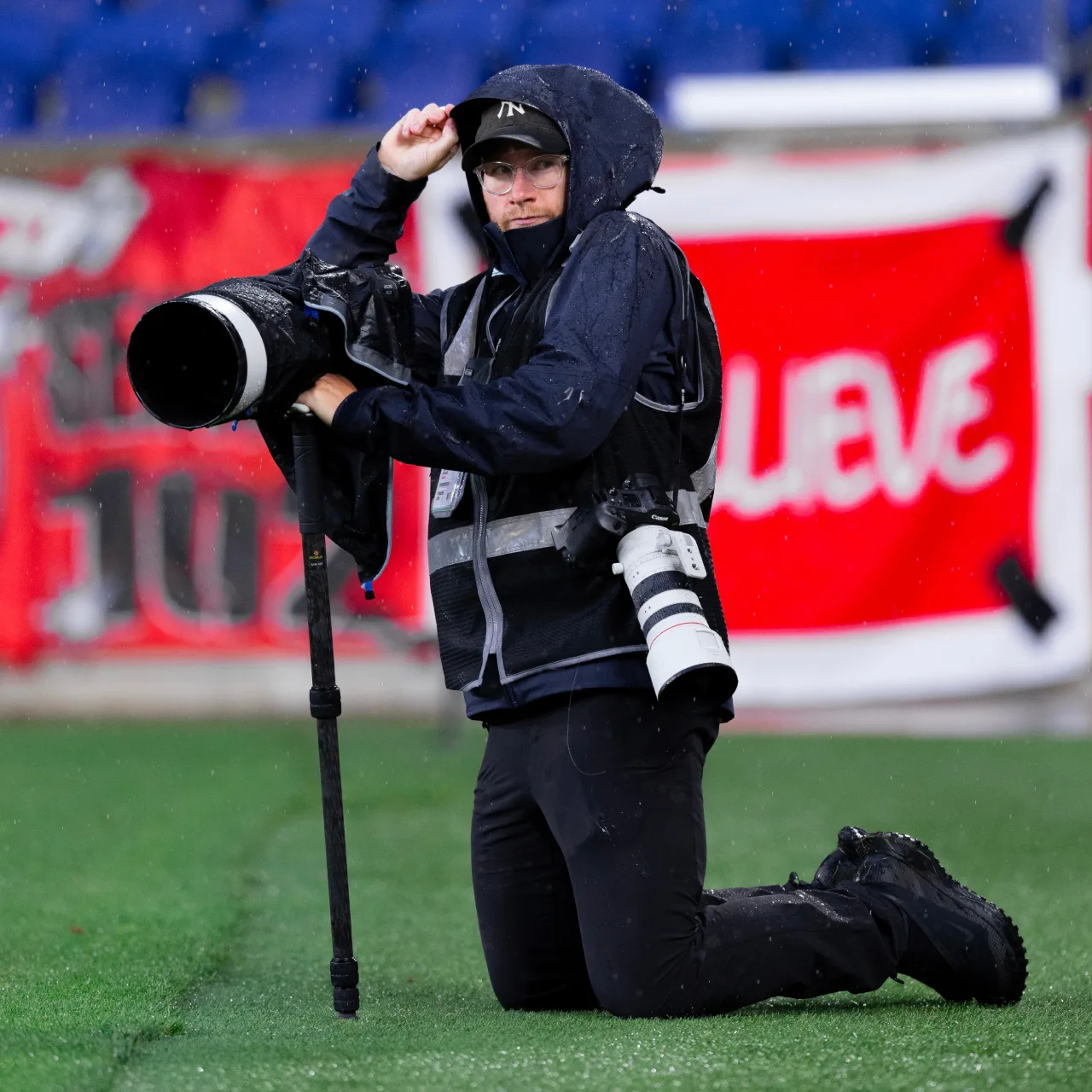
I've been a full-time finance guy for about a decade now, largely in the video game space. I spent a long time at Activision working on the studio side. Then about a year and a half ago, I started working at Take-Two as an FP&A lead, mostly working on the systems. So, that's how I spend 40 to 45 hours of my week. Then typically, every single weekend, I am working on any assignment you could possibly think of, depending on the season. So, I'm not limited to what sports I do. I'd say the only sport that I don't do is hockey, but I do just about everything else.
What have been the highlights from the races and motorsports events you’ve photographed?
I really like doing NASCAR. I did [the Bank of America Roval 400] last year, and that was a fantastic experience. I really think the road courses give you a nice mix-up of perspective rather than just the traditional oval stuff for NASCAR.
I think F1 would be cool too, just because from a challenge perspective, it's very different, especially with the acceleration and deceleration of the cars—it's absolutely crazy. There's a lot more space in F1 as well. You don't have cars bumper-to-bumper the whole time, like you do in NASCAR. Whereas IndyCar is more like NASCAR and F1 combined, right? You get the nice tight racing, there are more oval tracks involved.
I did IndyCar at the Milwaukee Mile, since that's kind of home for me. I do a lot of stuff whenever they do trucks at the Mile. I try to go. So, yeah, motorsports is like one of my favorites just because I grew up with it.
The other piece is the control aspect—just being able to have a little bit of agency in the frames you're creating. You get a lot of laps to create things, and I think that's cool because it just lets you find unique perspectives rather than just taking the generic stuff. It's not that I don't like being a reactive individual when it comes to photography. I think some sports are very reactive, but I just like the idea to put my own spin on things a little bit.
How do you balance your day job with all of this?
It can be difficult at times. But I have a very supportive boss, and I think that makes a big difference. He's a sports fan, so he gets it. Like the World Cup this summer. Every week, I was taking like a day or two off for the entire duration, just to go do something. He was like, “Look, I went to the World Cup in South Africa. I totally get it. This is like once in a lifetime. You do what you’ve got to do, as long as your work's done, it's not a big deal.”
And I'm always big on, if something's got to happen and I have to do it late at night or early in the morning, I'm willing to make it happen. I will say that doesn't happen that often, it does happen sometimes, but I think it's just more about being transparent and making sure your work's done and finding people who are supportive.
What are the most rewarding and the most challenging parts of being a sports photographer?
Challenging
Just coming to terms with the fact that sometimes things don't happen or things don't happen in front of you, and I think it can be really frustrating as a sports creative. A lot of the time you're going to do games, and there's just no big thing. That's totally fine, that's sports. If you were to watch every MLS game for an entire season, there's going to be a handful of really awesome moments. And the odds of you being at a game with a really awesome moment but also being in the exact spot where the really awesome moment happens—you don't have a lot of control over it. So, I think that that's one thing that you just have to let go of very early. Otherwise, you're kind of setting yourself up for a really frustrating experience.
Rewarding
I love sports. I played sports growing up. I followed literally every sport under the sun when I was a kid. I would watch SportsCenter for literally hours growing up every morning. So, now being able to just kind of be on the sideline for a lot of this stuff, you almost take it for granted sometimes. But there are moments where I just kind of sit there and I realize, "Oh man, I'm here, and I'm being paid to be here." I think it's such a cool aspect of it that I think is a huge privilege, and I try not to take it for granted.
What are the three qualities that have helped you succeed?
Grit
I'm a very driven and determined individual, and I think that is a large aspect of it. I've been doing [paid sports photography] for just over three years, and I would say over that period I've probably wanted to quit a lot of times. And that is probably weird to hear after what I just said.
But there comes a point where if you're not progressing, it feels weird. You're like, “Well, if I can't progress, then why am I doing this at all?” So, I think you kind of have to grit your teeth and get through it quite a few times, especially when you're frustrated.
Right mindset
Having the mentality to just not quit and just remind myself, “Okay, why are we doing this? What am I not doing right? Who can I talk to that can kind of help me break through this?”
I don't want to say creative block, but basically tell myself, “Hey, it's fine, this is normal. You're not on a rocket ship to the moon. It's going to be peaks and valleys.” Sometimes it's going to be good, sometimes it's going to suck, and that's just the reality of it.
Humility
When I look back on my work, there's a lot of stuff I've done this year that last year I could never have done. And I'm sure next year I'll be saying the same thing. I'll be looking back on this year and be like, as a photographer, I couldn't have made these images last year, but knowing what I know now after going through the process, I feel like I can make those images. So, I mean, you just have to stay humble and not get off the wagon and just kind of keep moving.
Jordan’s Advice as a Sports Photographer
If you could give advice to your younger self, what would you say?
If you let me go back to being a freshman in college, I definitely would have wanted to enroll in the athletic department and take photos, just because so much of my student experience at Wisconsin was going to basketball and football games. I absolutely love that. Getting to be on the field for that would have been so cool. At the same time, I don't really like to live with regrets, and I'm perfectly fine with my path. I still found my way.
I go back once a year to Wisconsin to do a college football game, just to get that experience, because I think it helps ground me to be like, okay, this is what it could have been, and it kind of completes the cycle for me. I think I'm largely very happy with who I've become as an adult and the path that I've taken. It's obviously not been perfect, but it's kind of like the same thing we talked about with the mentality, just always striving to be better, and self-improvement is something I've subscribed to, basically, since I was 21 or 22.
What advice would you give to someone looking to be in your position?
You have to shoot a lot for free, and I think that's a very touchy subject for a lot of people. I wouldn't charge anyone money until you're confident in what you do. At the same time, I take a lot of assignments that make me uncomfortable. So, it's kind of like a catch-22 in a sense.
I'd say just hone your craft and find a niche. I think if you aim too broadly, or go down a path that you're not that interested in, you can almost pigeonhole yourself into something you don't want to do, and I think that's really dangerous. Don't go down a path you don't want to go down, and if you do, it's hard to unwind, but you can do it.
Fun on the Job
If you could dream up a motorsports shoot, what would you want to capture?
One that I'm really mad I didn't do was Tyler Majeski winning the [NASCAR] Truck Championship. For context, my dad works for him, and he's worked for him for a decade. I wasn't able to make that work, but he won the Truck Championship two years ago. I thought that would have been really cool to be at. I think if he ever had a chance again, I would make it happen. That would probably be number one for me, just because it's a personal connection thing.
But if we're going pure prestige, I'd love to do the Daytona 500 at some point, just because that was such a big thing growing up. Indy 500 would also be cool, but I think the Daytona 500 is more interesting, given my background. And I'd love to do pretty much any F1 race. I'm not picky. I think all the circuits are really cool and all have very unique opportunities and viewpoints. Maybe the Singapore Grand Prix would be cool because I lived in Singapore.
How do you prepare for an event you haven't shot before?
The best thing you can possibly do is find somebody who's really good at it and study their work. What I do if I'm going to a track I've not been to, or if I'm shooting tennis and I don't shoot tennis, is I'll go on Getty’s site, and I'll look under the topics designation, which basically is all the images they push globally. And I'll just comb work. If it's a NASCAR track I've not been to, I'll look at the last seven years and just like, “What are the best images from the last seven years?”
And some of them are going to be purely circumstantial, like this thing happened in this very specific spot and they happen to be there. It's not going to happen again. Maybe it's a wreck or something, or like two people fighting in the pit lane or things like that. Things like that just don't happen.
But just do your research, whether it's the track or the sport. Go find photographers that inspire you and study their work. I honestly credit a lot of my photographic eye to just staring at images for hours every day. I spent disgusting amounts of hours on Instagram when I first started, and I would never do that now. It's super unhealthy, but back then I was trying to figure out how to shoot, and I think just looking at good images all the time is such a great habit to get into.
And from a packing perspective, I usually think about what I want the event to look like in my head. Like, you're going to need establishing shots, you're going to need photos of people. If it's a race, you're going to need long shots, wide shots. So, I think about how big the track is. What do the viewpoints look like? Am I far enough away where I need a 600mm lens? Do I only need a 400mm lens? Can I get away with something shorter? For sure, I'm always going to bring a wide lens for establishing shots. If I go to the Victory Lane [a place where post-race presentations happen], I'll want a wide.
So, in summary, I would say, think of a shot list that you want, and then think about what it takes to create that shot list, and then pack accordingly. That's probably the simplest way to put it.
Want to learn more about other professionals across racing series? Then check out all of our Fast Lane interviews, or jump right into one of these: