




Formula 1 is quite peculiar in that it is simultaneously a team and an individual sport. This puts drivers in a unique position where their teammate, the person they are supposed to be fighting alongside for the same goal, is also their biggest competition. Instead of feuding with other constructors, some of the biggest rivalries in F1 history have been forged in the same garage, between drivers in matching race suits.
Today we’re taking a closer look at four very different intra-team rivalries, each that came with their very own lesson about what it means to be both competing with and against the same person.


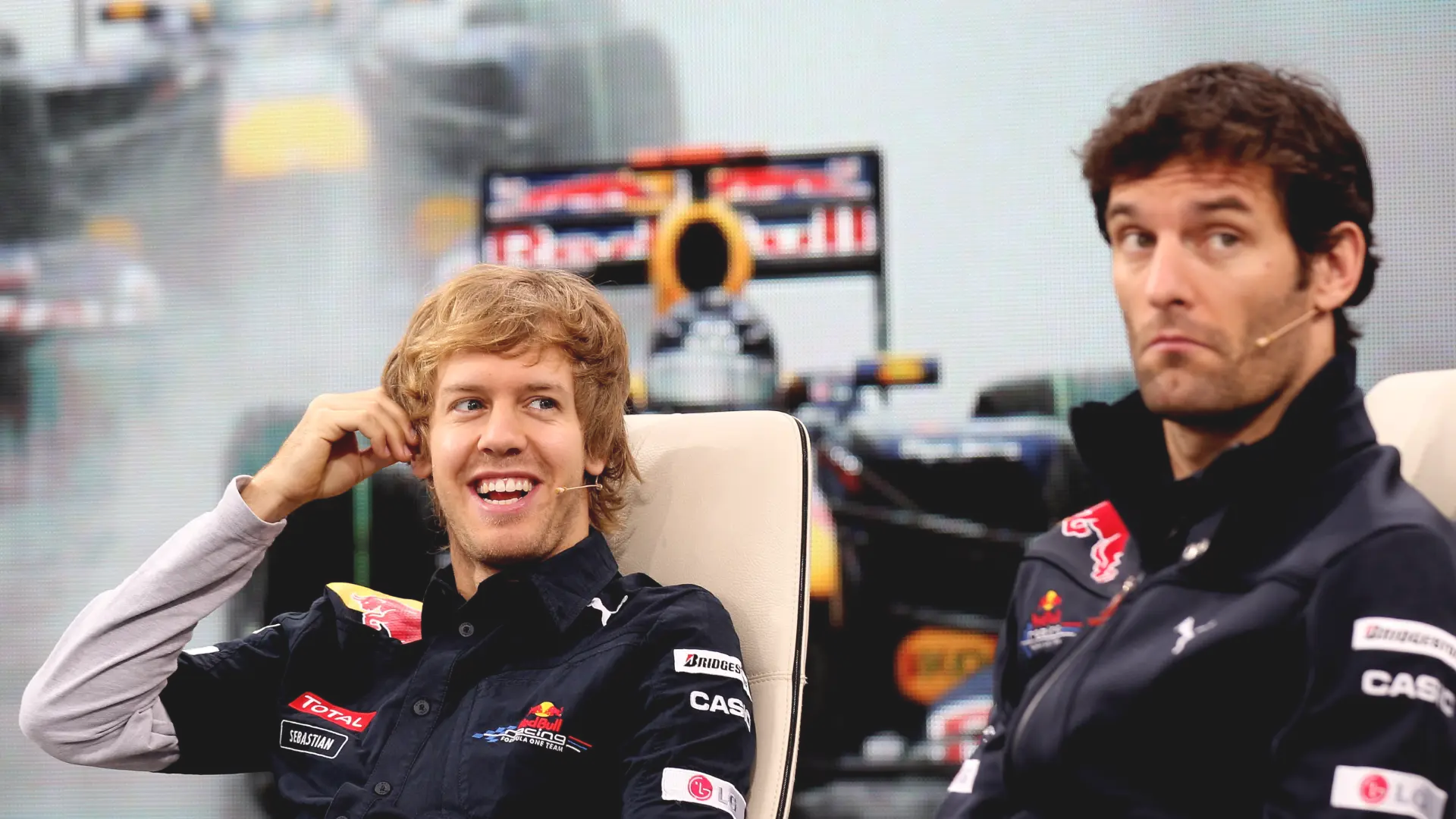
Sebastian Vettel vs. Mark Webber
Lesson: Team favoritism can fracture even championship-winning partnerships.
Every team has that one driver pair that stands out in their history, and for Red Bull that pair may very well be that of Sebastian Vettel and Mark Webber. The two spent five tumultuous years between 2009 and 2013 together, competing with and against each other and helping the Austrian outfit secure the Constructors’ Title in all but that very first year together. But at what cost?
Webber had already been at Red Bull for two years prior to Vettel’s arrival, and had established himself as a solid team leader, ready to challenge for Championships. But Vettel, being the racing prodigy that he was, threw a wrench in that plan and in his first year with the team was already outracing his senior teammate.
Naturally, this led Red Bull to favoring Vettel over Webber, as they looked to secure both the Drivers and Constructors’ Titles from 2010 onward. And Webber, in turn, made his feelings about the situation quite clear after winning the 2010 Great Britain Grand Prix, when he famously came on the team radio to say, “Fantastic. Not bad for a number two driver.”
Things only got worse over time, culminating in the team’s internal politics disaster that was the 2013 Malaysian Grand Prix. Now known as Multi-21, this was the day that Vettel overtook Webber to win the race, despite team orders establishing that Webber should finish ahead. This was yet another nail in the coffin for Webber’s motivations to stay in F1, and he retired from the sport later that year to pursue other forms of racing.
Lewis Hamilton vs. Nico Rosberg
Lesson: Your very best friend can quickly become your biggest foe.
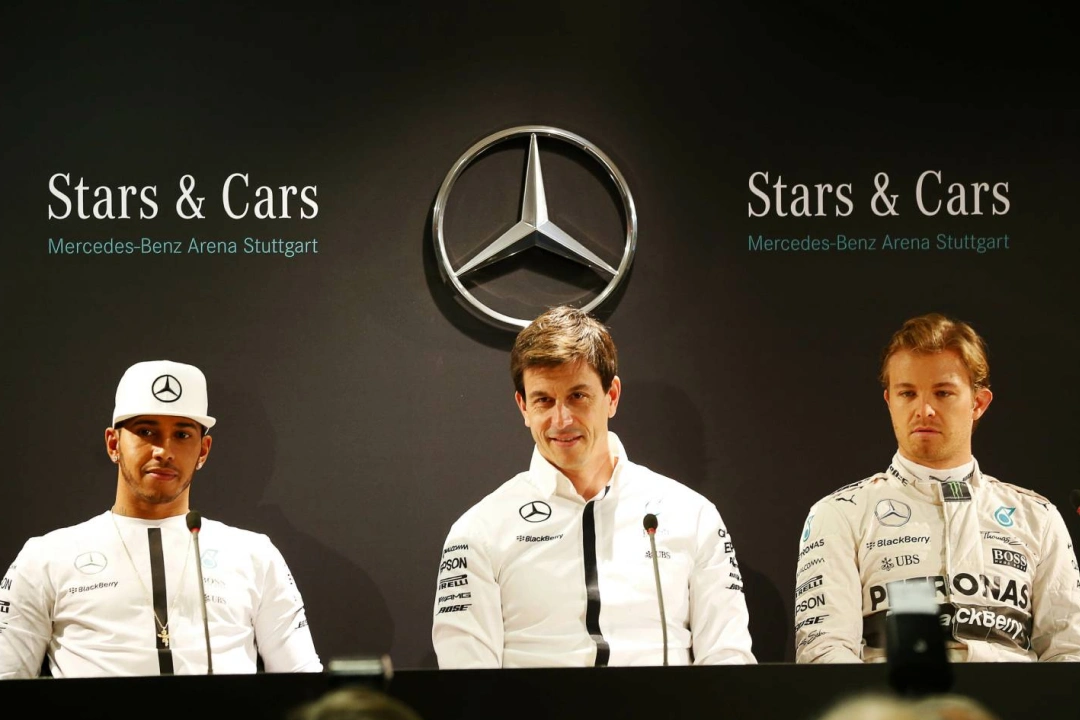
Imagine getting to spend every day with your childhood best friend, seeing each other all the time, working together as not just colleagues but teammates. It may sound like a dream situation to many of us, but for Lewis Hamilton and Nico Rosberg, it was a nightmare.
The two had grown up on the karting circuit, racing first for the Italian karting manufacturer CRG Karting, and then for Mercedes-Benz-McLaren (MGM), a team under CRG created specifically for Hamilton and Rosberg. Their families traveled together, sharing rental cars and hotel rooms where the two boys stayed up into the wee hours of the night eating ice cream and goofing off as any pair of best friends would. They raced in karting together for years, made their way into F1, and in 2013, they became teammates again at Mercedes.
And that’s when everything changed.
The excitement of racing on the same team together quickly gave way to bitter competition between the two that affected them on and off the track. From using banned engine modes to one-up each other at the 2014 Bahrain Grand Prix to the now infamous lap one crash at the 2016 Spanish Grand Prix that not only gave way to Max Verstappen’s first career win but also cost Hamilton and Rosberg €300,000 each to repair the damage they caused, the two became some of the fiercest rivals F1 has ever seen.
This continued until the end of 2016, when Rosberg clinched the Drivers’ Championship and swiftly retired from F1 once the year was over. Today they seem on cordial terms, but the days of their karting friendship remain well in the rearview mirror.
Ayrton Senna vs. Alain Prost
Lesson: Even the fiercest rivalries don't have to last forever.
If there was ever a rivalry to define F1, it is that between Alain Prost and Ayrton Senna. This was a battle that spanned nearly a decade, from 1985 to 1993, with the two sharing a garage at McLaren in 1988 and 1989.
It was these two years that saw some of the most intense psychological warfare and under- the- table fighting between two teammates in the history of the sport. During the 1988 Portuguese Grand Prix weekend, Prost set down a blazing lap to secure pole position at the halfway mark of qualifying and then proceeded to calmly change out of his race suit and watch Senna try to beat his time for the remainder of the session. Senna, in turn, tried to end Prost’s run for the 1989 Championship title by crashing into him during that year’s Japanese Grand Prix.
But for all their bitter fighting while they were racing, things took a turn for the better once Prost retired from F1 at the end of 1993.
"That’s when he started to talk. We talked about everything. He was calling me once or twice a week. We had long conversations,” recalled Prost on the Beyond the Grid Podcast in 2018.
“I can call that being a friend, because when you talk about your professional life and personal life, your worries and your problems, I always said I know some things I will never share. I never told anyone. So I can say yes, in this way, he was a friend.”
Jacques Villeneuve vs. Damon Hill
Lesson: Good sportsmanship can help a team thrive.
Just like Senna and Prost’s post-F1 friendship showed that rivalries don’t always have to end in bitter feelings, this next pair showed that not all rivalries need to be vicious in nature. In fact, respect between teammates can go far in pushing a team forward.
Jacques Villeneuve and Damon Hill were teammates at Williams in 1996, and went on to forge what might have been one of the healthiest rivalries between F1 teammates. They carried the team to a Constructors’ Championship by winning 11 of the 16 races that year, with Hill taking the Drivers’ title and Villeneuve being the runner-up.
Of note, there is one thing that sets them apart from the rest of this list: they are the only pair of teammates to not have any on-track incidents. Their racing was always fair and on the limit, but never over the line.
“He was great afterwards, absolutely brilliant,” Hill said of Villeneuve’s attitude following his title win to Motorsport Magazine, “a tremendous sporting attitude, no hard feelings at all. We went out to dinner and he was great about it. There was a good spirit within the team that year. There were two camps, yes, but we both knew that what will be, will be. I know the traditional relationship between teammates is one of wishing to see the other guy not only defeated, but also crushed. But that’s just not necessary. It’s enough to beat him on the track and Jacques had the same attitude.”
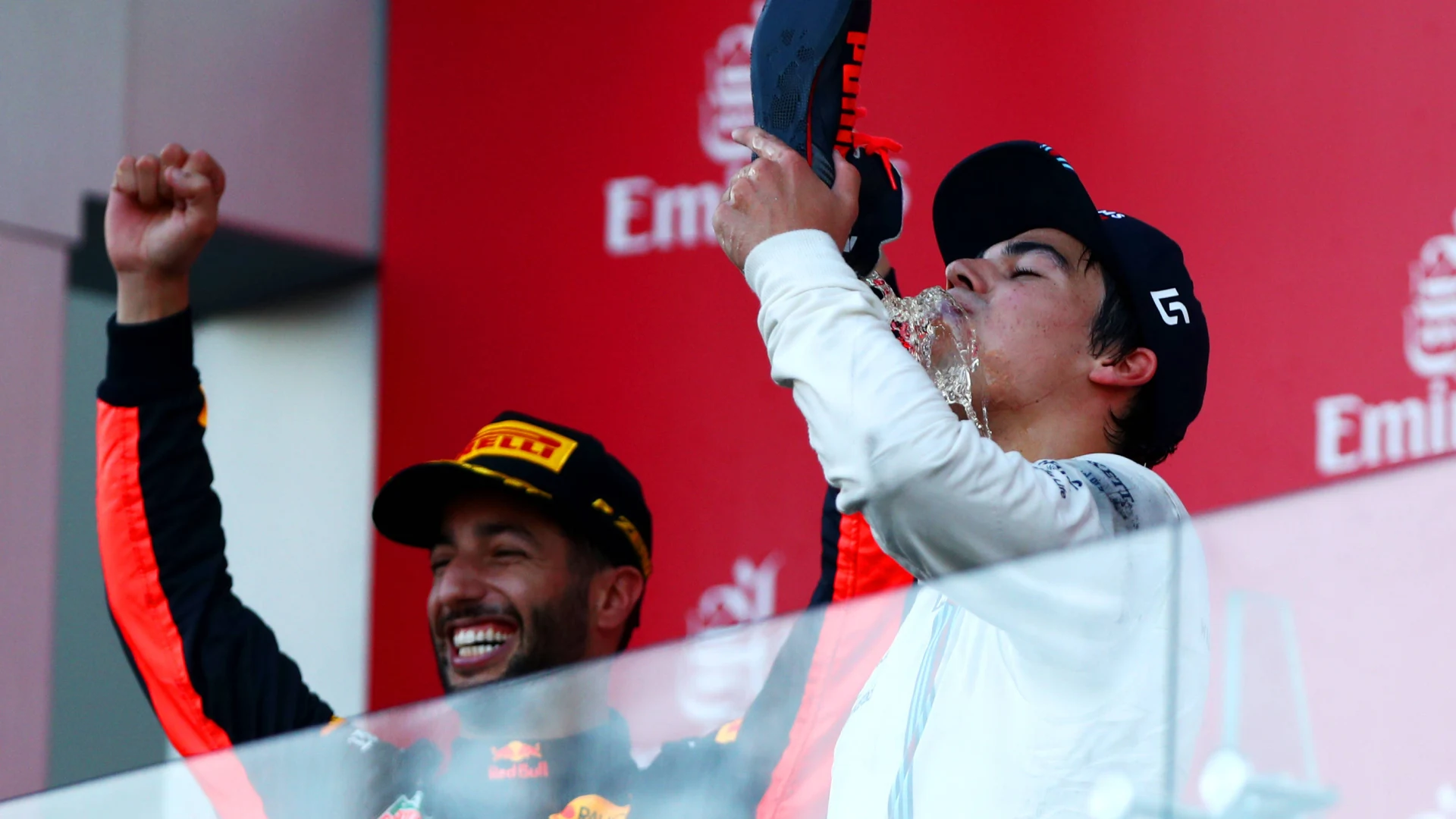
Cover image via Red Bull Content Pool
.webp)


.webp)
.png)
.png)