


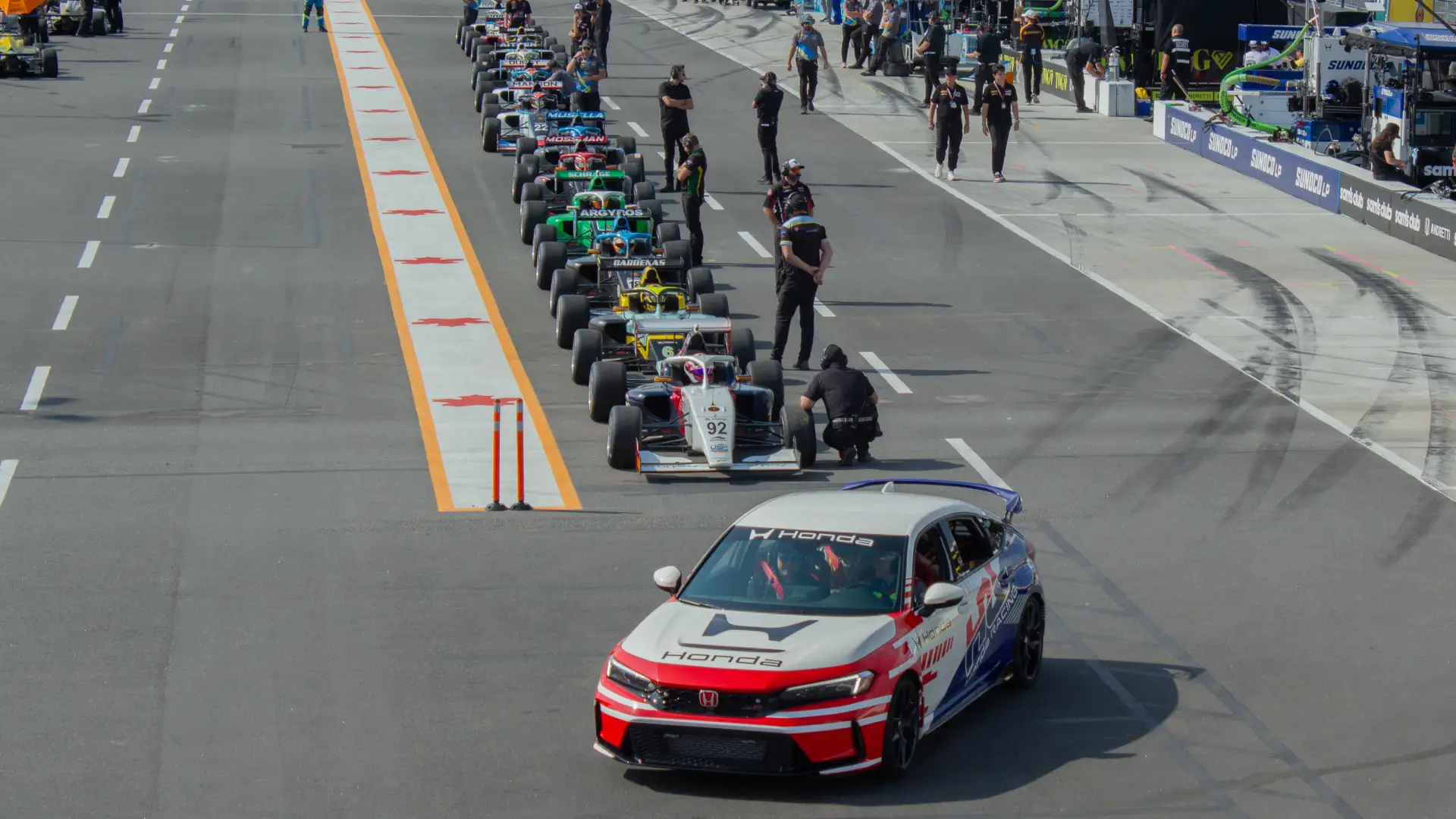



Everyone talks about the Road to Indy like it's a clean, simple ladder to top-tier IndyCar racing. But for young drivers climbing it, progress isn't just measured in race wins and podium finishes. It’s measured in late-night sessions searching telemetry for tenths of a second, hours logged in the gym, and levels of anxiety from pitching potential sponsors so funding lasts beyond the weekend.
Walk through the paddock at the Ontario Honda Dealers Indy at Markham and you’ll see the stresses of that ladder play out in real time. Tucked behind the polished multimillion-dollar IndyCar rigs they aspire to drive are the USF2000 and USF Pro 2000 drivers. They’re racing the same track, but they’re still living in a completely different world.
I sat down with five rising drivers—Turn 3 Motorsport’s Brady Golan, Tyke Durst, and Sebastian Manson, alongside Exclusive Autosport’s Ayrton and Gabriel Cahan—for an unfiltered look at what climbing this ladder actually feels like when the helmet comes off.


The Daily Grind: Roblox, High School, and Side Jobs
Off the track, life for a junior driver is a strange collision between high-performance athletic preparation and standard teenage life. Most fans picture drivers living at luxury training facilities, but the everyday reality is far more practical.
When I managed to drag Tyke Durst and Brady Golan away from a game of Roblox, they admitted their weekdays center on balancing high school homework with gym sessions and sim work. "As a race car driver, your day-to-day is pretty straightforward," Durst explains. "You only have two commitments: train physically and do something to improve your racecraft. Most of us also go to school, so that’s what our day-to-day looks like. But the real tough part starts when you get to the track."
For New Zealand native Sebastian Manson, clocking off means stepping into a completely different world. "I go to school and am finishing my last year of high school, and back in New Zealand, I work as a laborer on a construction site," Manson says. "Maybe not the most stereotypical race car driver, but I quite enjoy having a personal life outside of racing to decompress."
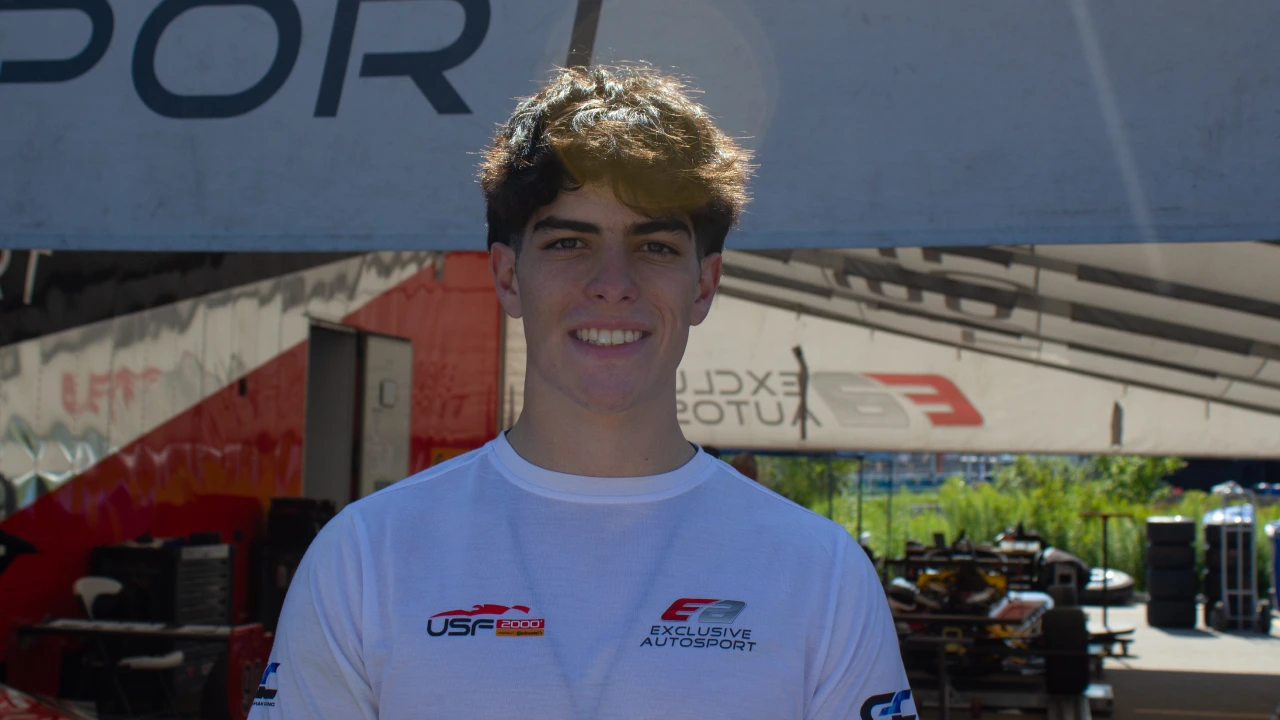
Between finishing high school and getting licensed in real estate, Gabriel Cahan is already managing adult responsibilities off the track. Yet despite lacking a racing paycheck, his approach to the sport remains relentless:"This is what I think about all the time. Even though I'm not getting paid yet, I'm a professional, and I don't go a day without thinking about it."
Money, Isolation, and Staying on the Straight and Narrow
Open-wheel racing is undeniably expensive, and the biggest lie in motorsport is that people usually assume every driver comes from a family with unlimited money. In reality, many drivers struggle with the relentless financial strain of pushing their families’ budgets to the limit to keep the car on track.
"A lot of people don't realize how much of a commitment it is financially for families," says Durst. "A lot of people go, 'Oh, it's a professional sport, IndyCar guys are getting paid.' A lot of IndyCar guys aren't even getting paid. You have to find a lot of sponsorship or have really good parents."
It’s not just bank accounts taking a beating, it’s social lives. Manson opened up about the hidden isolation of leaving home so young: "It is very lonely. Lots of us have moved here from different countries. Traveling by yourself from a young age means missing out on key events in your life, like rites of passage in high school."
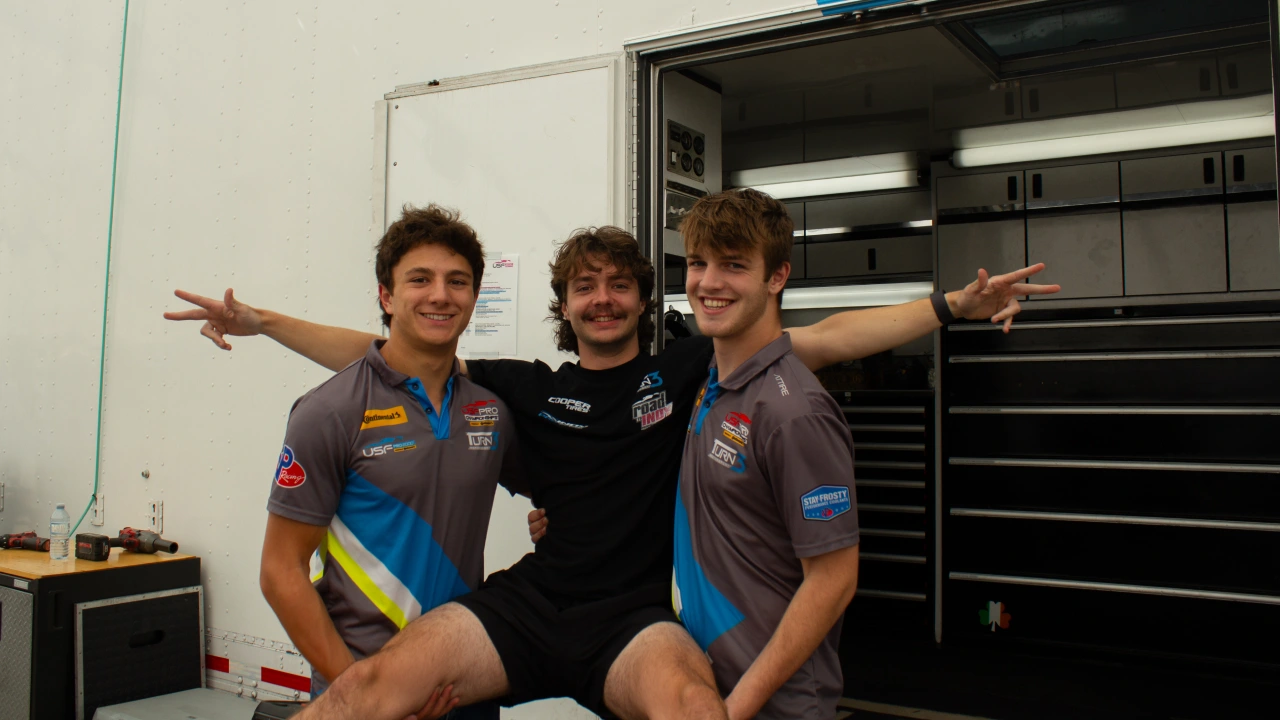
That kind of pressure forces you to grow up fast. While normal teens get to mess up in private, young drivers operate under a microscope where one bad choice can kill a career overnight. "Racing keeps you very much on the straight and narrow," Golan says candidly. "In high school, you see kids make mistakes. But if one of us gets into trouble or gets something like a DUI, we're not even allowed across the border into Canada to race. It’s super serious."
Checking Egos and Trusting the Data
When race weekend rolls around, any semblance of a normal teenage rhythm vanishes, leaving these drivers in an absolute pressure cooker. "Racing has the highest of highs, but also the lowest of lows at the same time," Golan notes. "Learning how to deal with those emotional swings is what really makes drivers better."
And once you hit the asphalt, you can't blame the machinery—spec series rules mean everyone sits in nearly identical setups. "Because this is a spec series, all the cars are super close," explained Ayrton Cahan. "Driver skill really has to shine through." To survive here, you have to leave your ego in the garage.
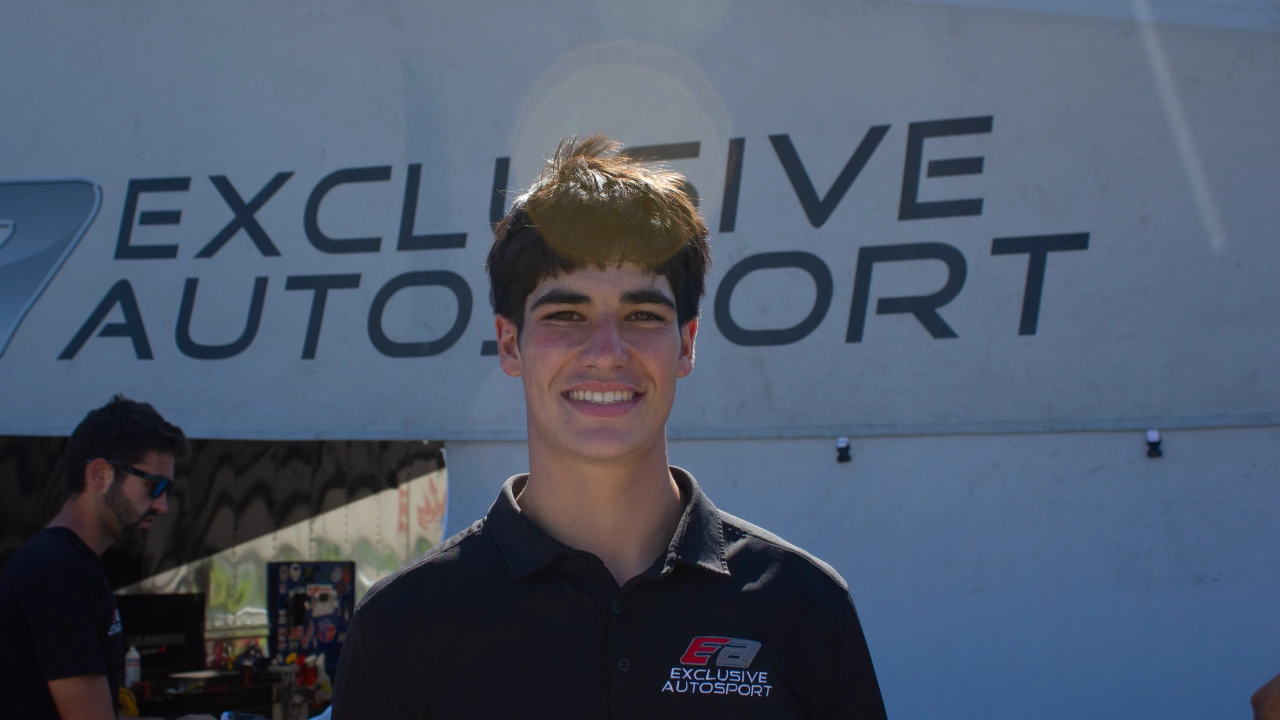
Ayrton Cahan credits his Exclusive Autosport engineer, Robert, with keeping him grounded: "He’s told me many times that we just have to work on consistency. Even if we're consistently bad, as long as we're doing the exact same thing every lap, we can work on it and fix it. It’s about being cognizant of what you’re doing in the car rather than driving aimlessly."
Golan takes an equally open approach to critiquing his own driving: "My teammates and engineers definitely changed my mind on things. Off track, they have a lot more insight than we do. I feel like I'm typically wrong, and if somebody else can show me how to be right, I want them to change my mind."
What "Winning" Actually Looks Like
When a single wreck can instantly wipe out your funding, winning isn't just about taking the checkered flag. It’s about survival and risk management.
"Success is doing as well as you can in the championship and bringing the car home in one piece," Durst says. "That financial commitment is huge, and you only make it bigger every wreck you have. You also have to know your limits. I want to drive 100% as well as Tyke Durst can drive today. Maybe Seb can drive at my 102%, but if I try to push to his limit, I’m going to wreck the car."
For Ayrton Cahan, the goal is clear: "Pushing through, finishing top 10 in the championship, and getting on the podium." His brother Gabriel echoes that target, having already secured a podium this season: "Finishing top 10 in points would be great. Helping the team in the team championship is huge."
Manson takes a broader perspective on the journey: "We are in the top 0.001% of the population getting to do such an amazing sport. A very small percentage actually become paid racing drivers. So for me, it's about performing as well as you can while enjoying every part of it."
Where Do We Go From Here?
I closed each conversation with a simple question: "If we sit down again in five years, where do you hope to be?"
Their answers were a blend of raw ambition, humor, and practical reality.
Brady Golan: "Either winning the Indy 500 or working completely outside of racing building things. Seb and I will be carpenters together," he jokes. "I like building things. —I'd freak out in an office job."
Tyke Durst: "On the Daytona 24 podium, or on an Air Force base. Just going as fast as I can in life."
Sebastian Manson: "I don’t even know what I’m doing next week, but I'd love to continue racing GT cars in Australia or the Carrera Cup Australia, I just want to continue racing, while maybe studying for a BCom degree at Auckland University."
Ayrton Cahan: "In the IndyCar paddock."
Gabriel Cahan: "Ideally in IndyCar, but the main goal is to be a professional paid driver, whether that's in WEC or IMSA, just sports cars—wherever I can make a career out of this."
Whether these five end up on the IndyCar grid, racing sports cars, or winning endurance races, one thing is clear: the Road to Indy isn't a neat ladder. It’s a high-stakes filter that talent and money alone won’t help you survive.


.png)
.png)