



.png)
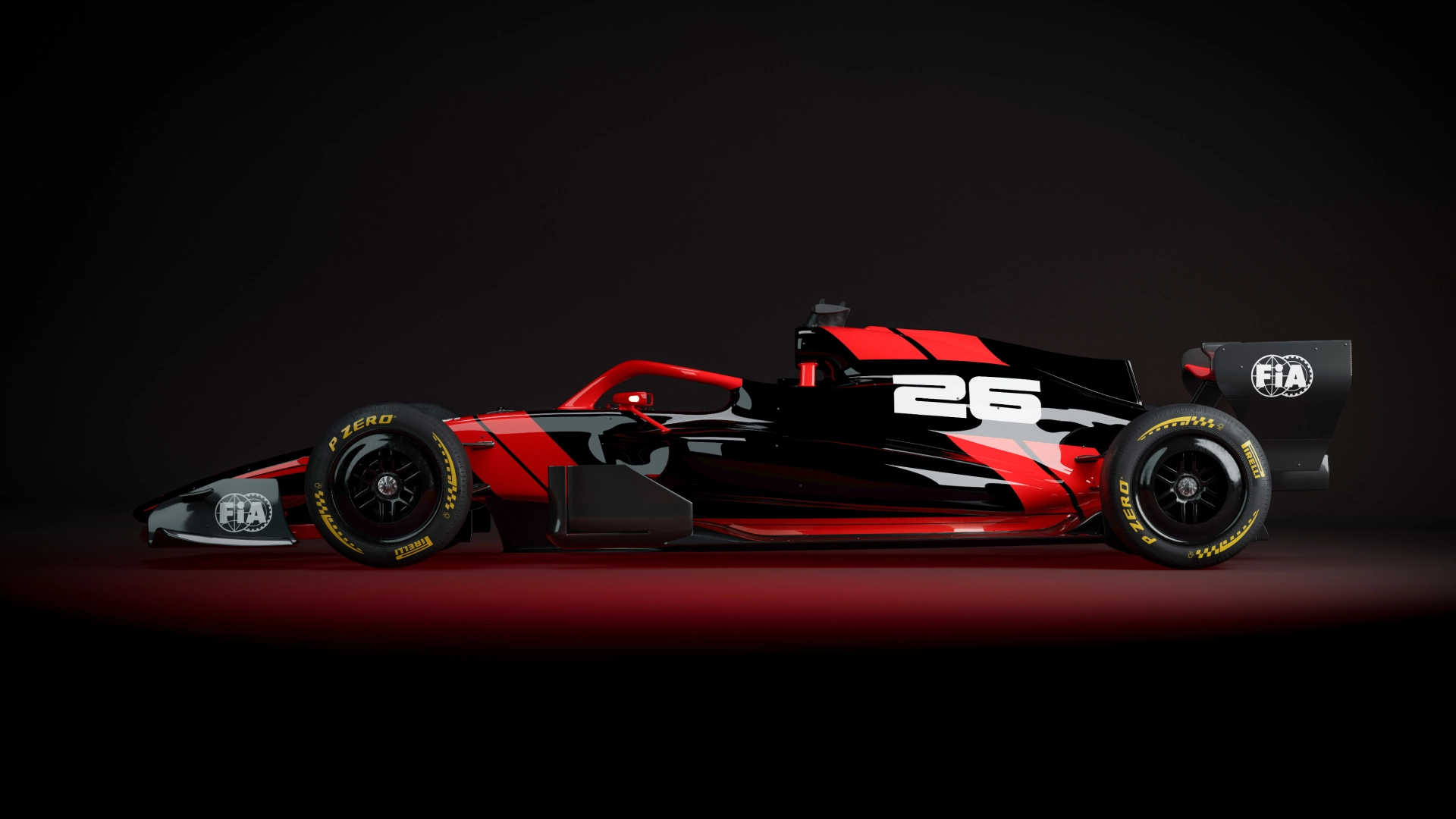
Undoubtedly, over the past 15 years, Formula 1 overtakes have become ingrained with the image of the Drag Reduction System (DRS) in action. And now, with new regulations coming in for 2026, DRS is being shelved as the thing to give drivers that final push through a prime overtaking spot on track.
But that doesn’t mean that the rear wing of an F1 car will stay shut for the entirety of a race. In fact, fans can expect quite the opposite to happen, as F1 brings in new changes to both aerodynamics and performance that puts more control in the driver’s hands when it comes to overtakes and on-track strategic moves.
What is happening with DRS in 2026?
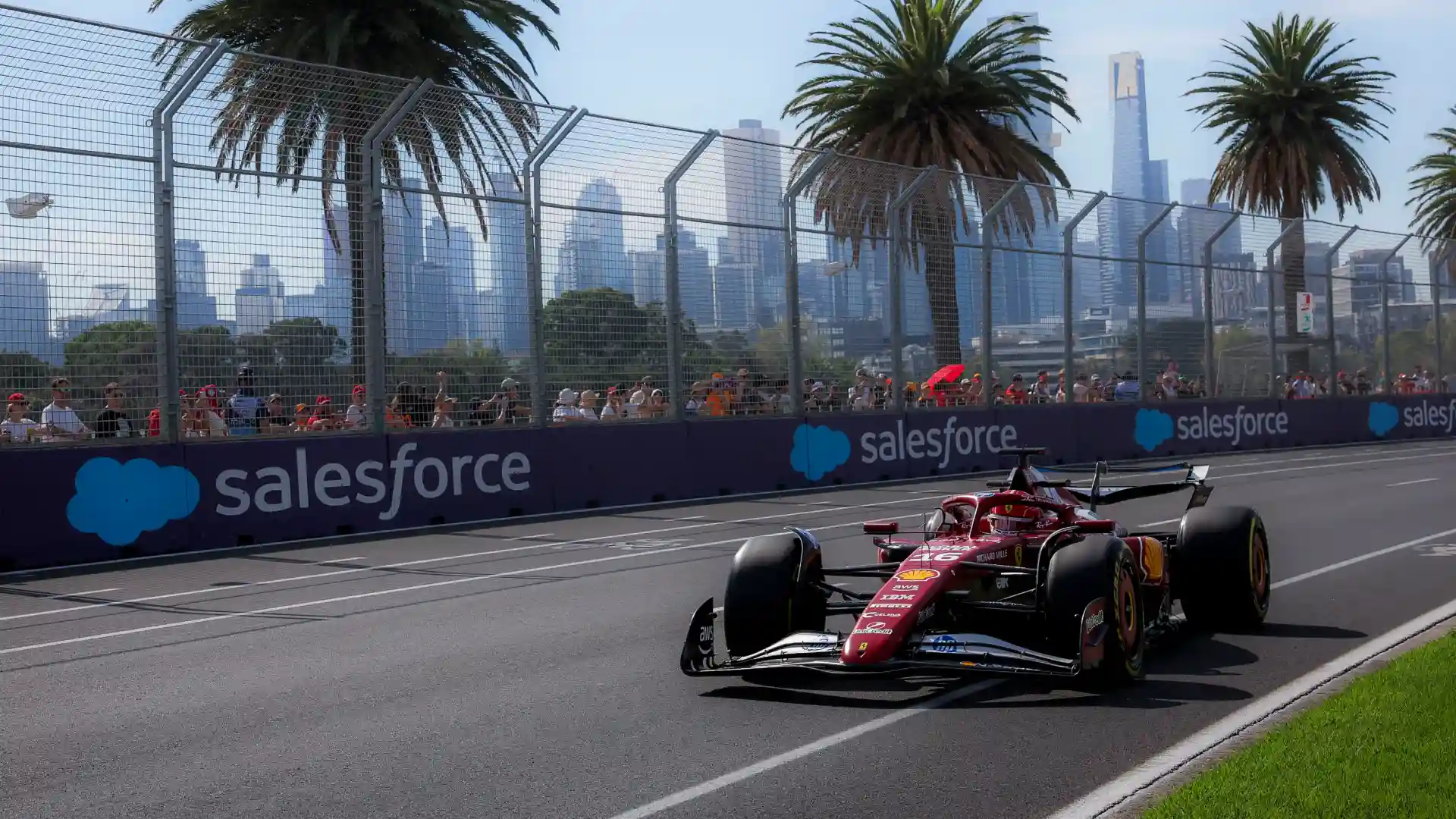
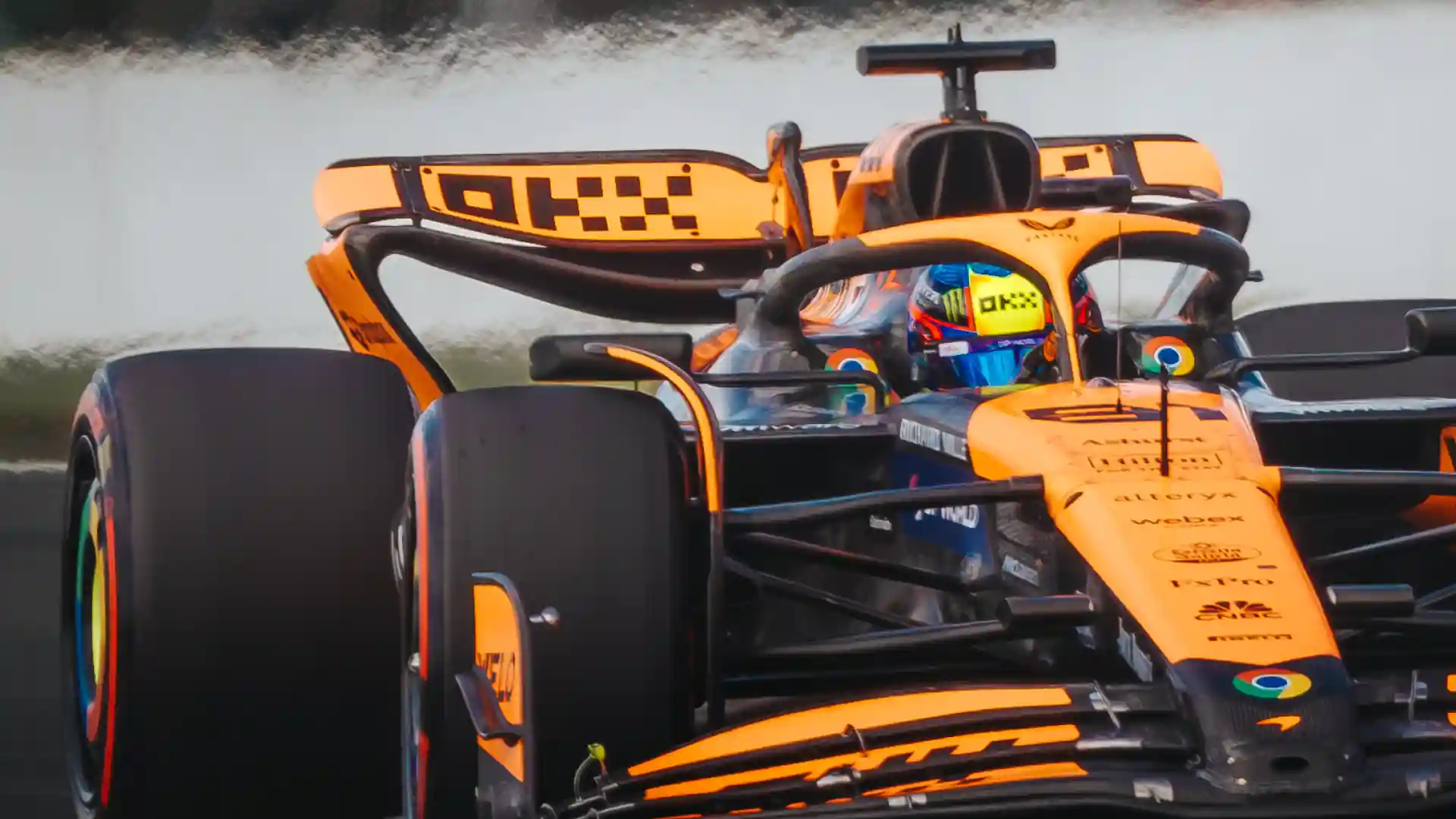
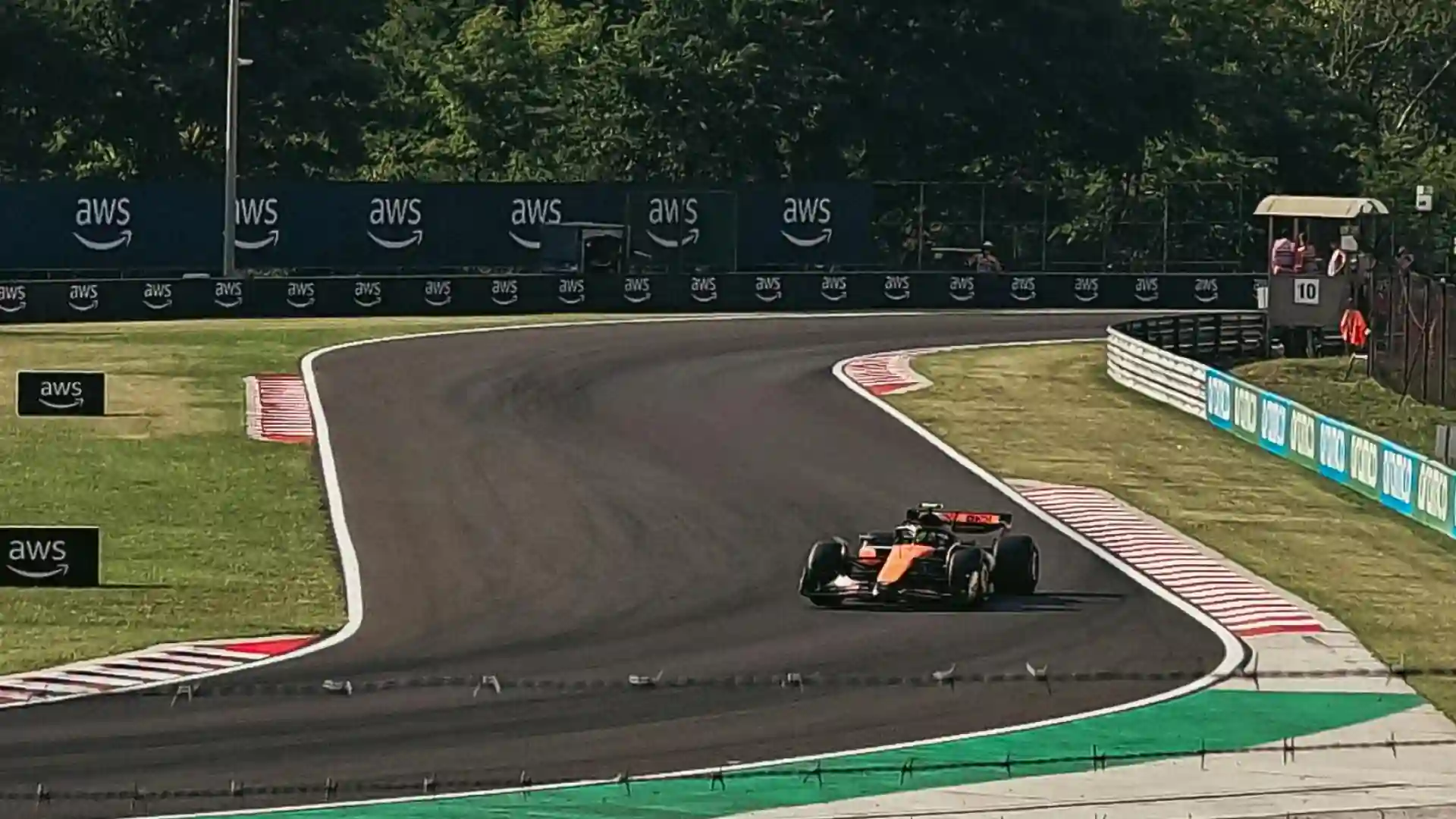
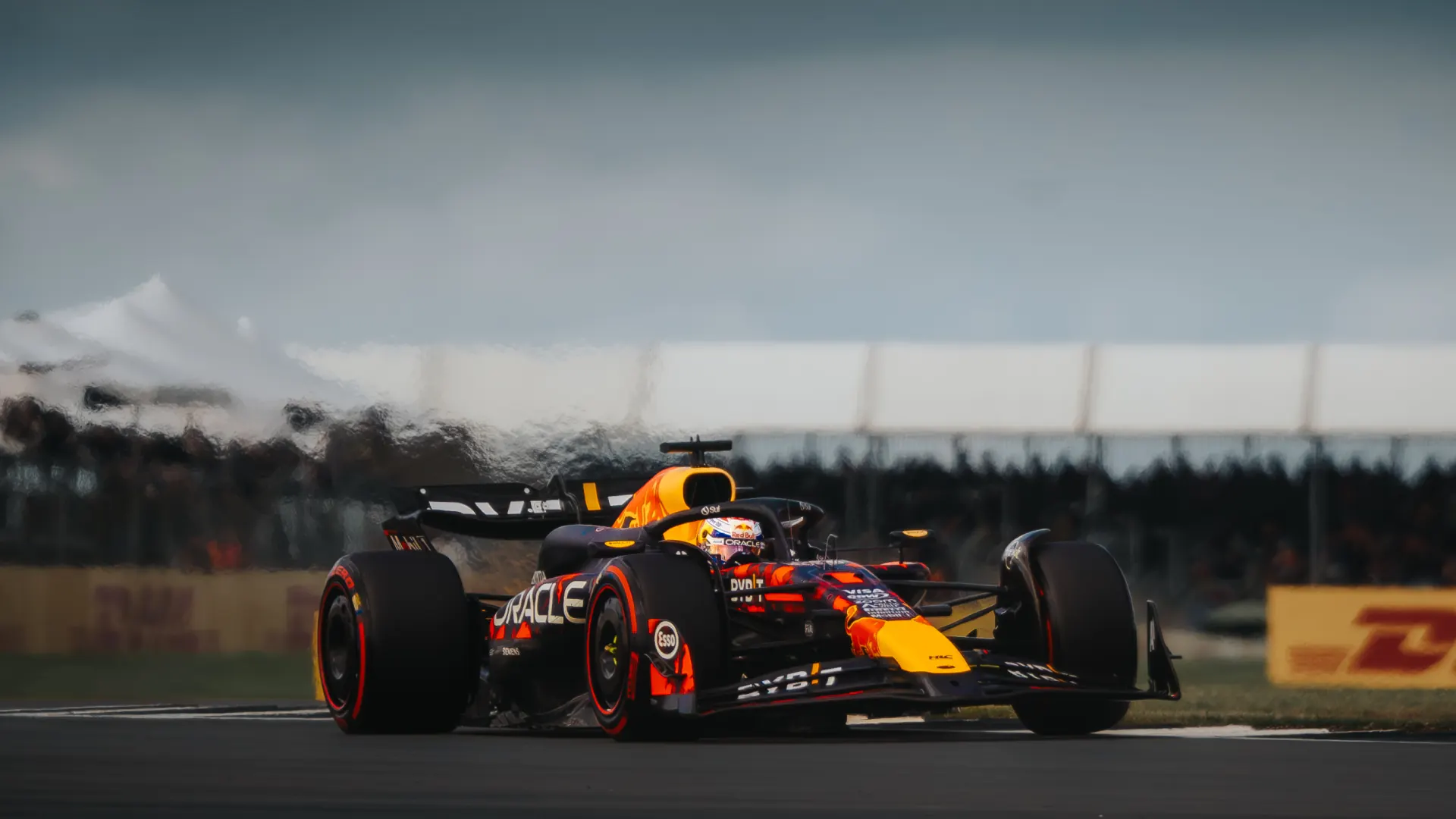
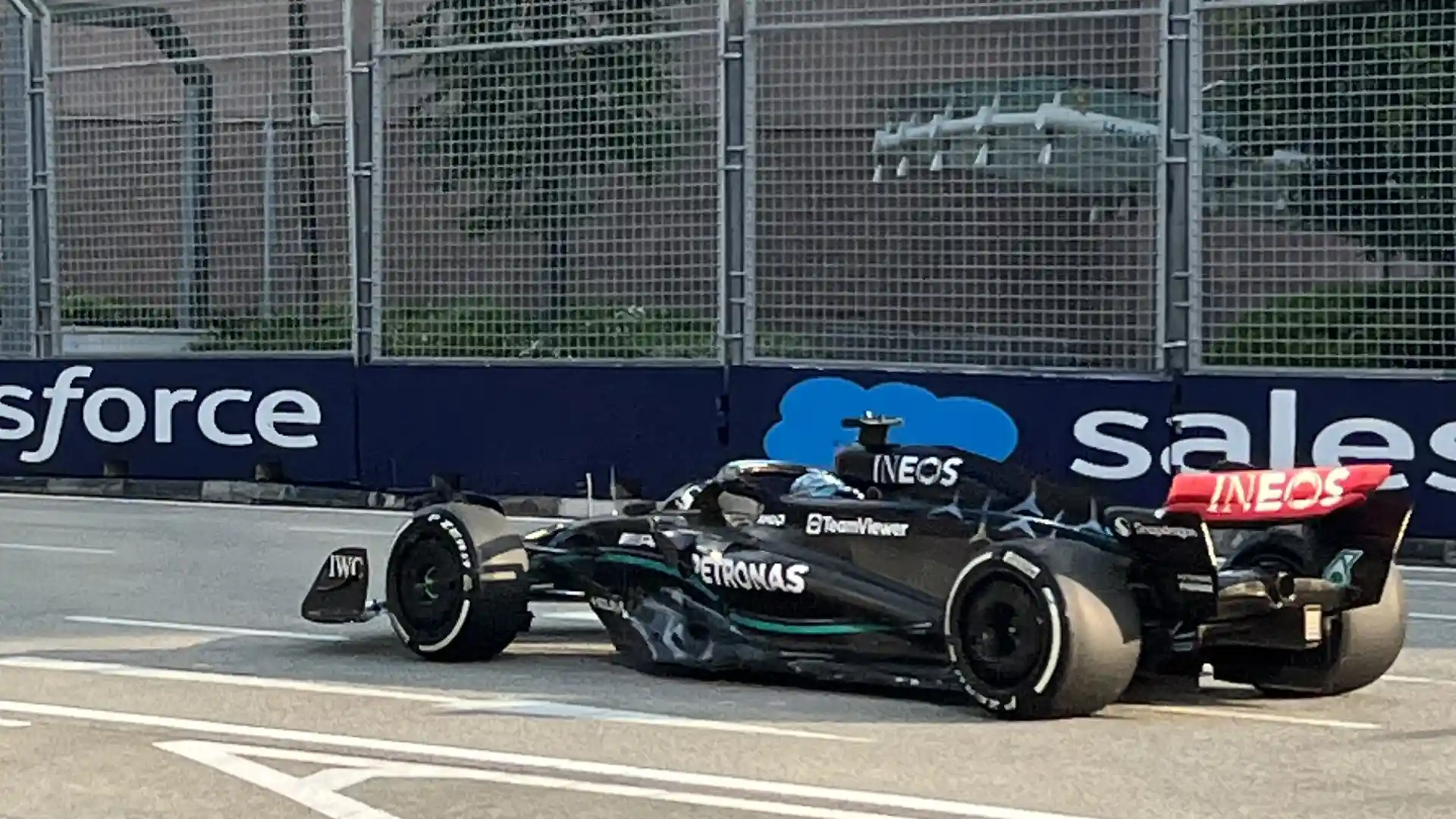
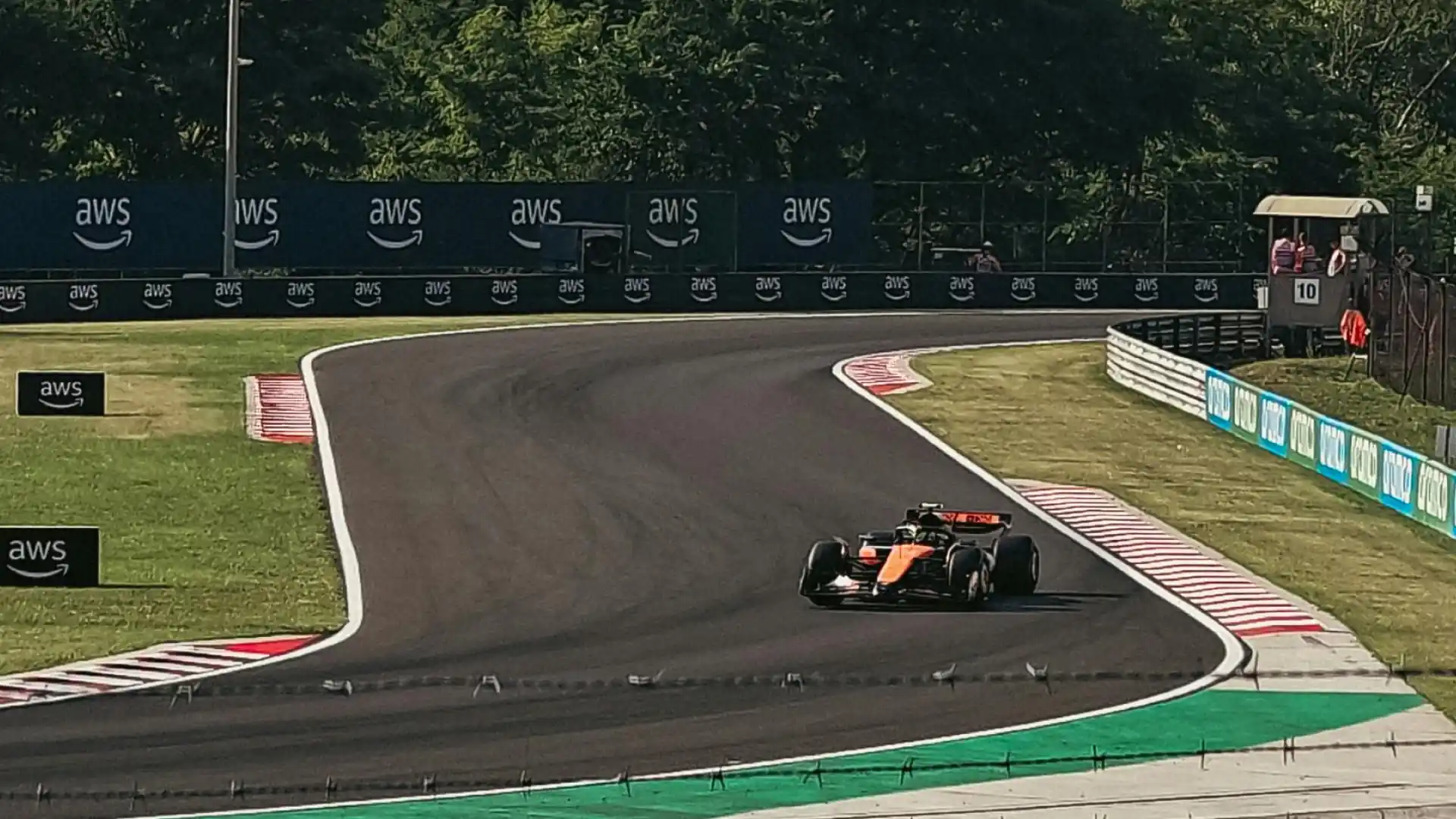
Drivers will still be able to open and close the rear wings of their cars in specific sections of an F1 track. In the corners, the wings will be closed, to increase downforce and provide the grip needed to get through the winding part of a track as quickly as possible. On straights, the wings will open to decrease drag and allow cars to reach top speeds.
What’s more, circuits will also have more DRS-like zones where rear wings can be opened, and cars won’t need to be less than one second apart to do so. This essentially means that we could see the rear wings of F1 cars open for everyone on every straight–much like what we see during Qualifying–plus a few more areas.
A similar mechanism will be applied to the front wing as well, and this system as a whole is being referred to as ‘active aerodynamics.’
So DRS isn’t really being put to rest. It’s just getting a massive upgrade that not only improves how it can be used, but also makes room for a new method of giving cars a boost in overtaking zones.
What is ‘overtake mode’?
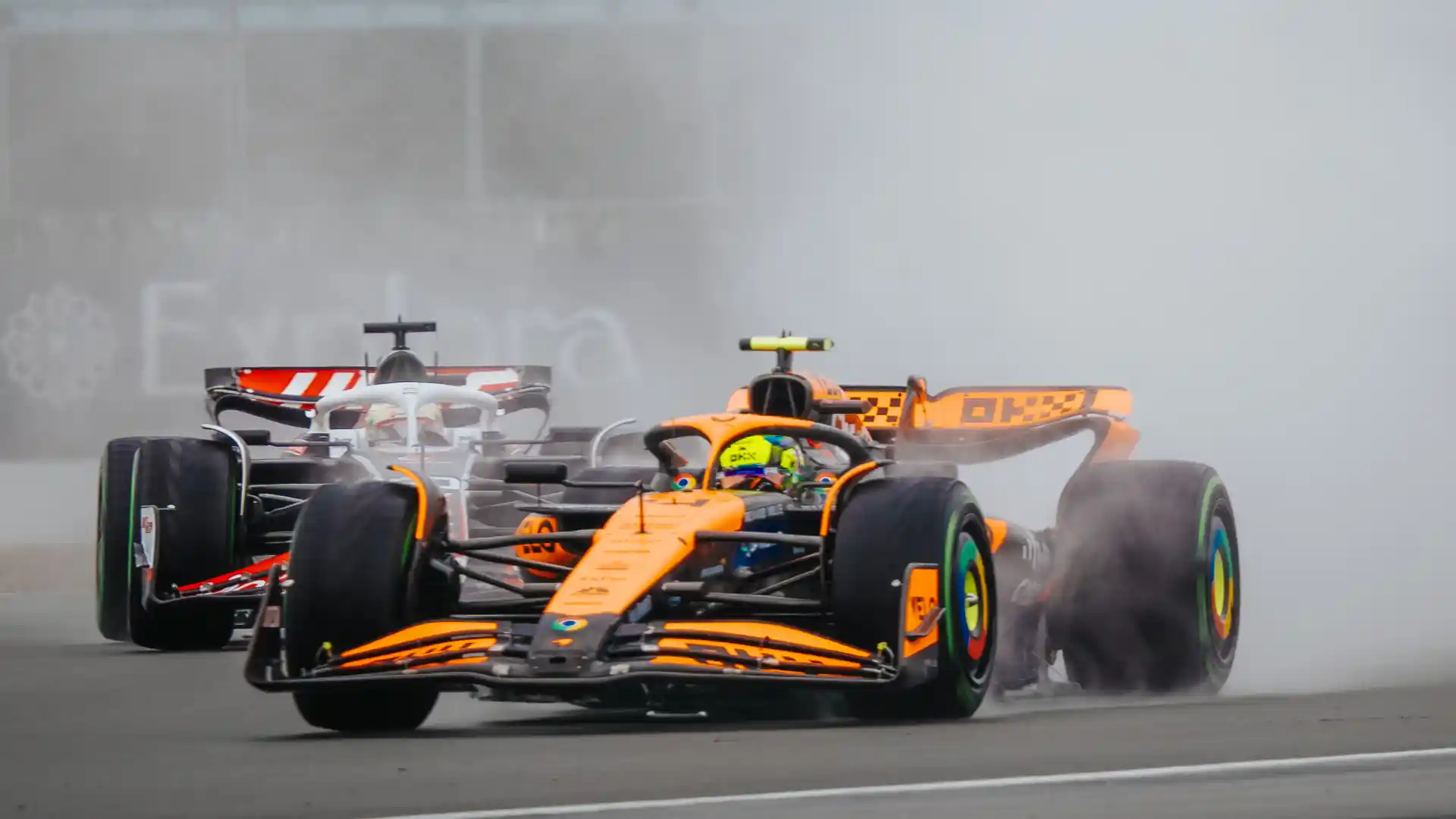
With DRS becoming a bit more universal as a part of active aerodynamics, the new ‘overtake mode’ is what will help one car pass another when chasing from next year on.
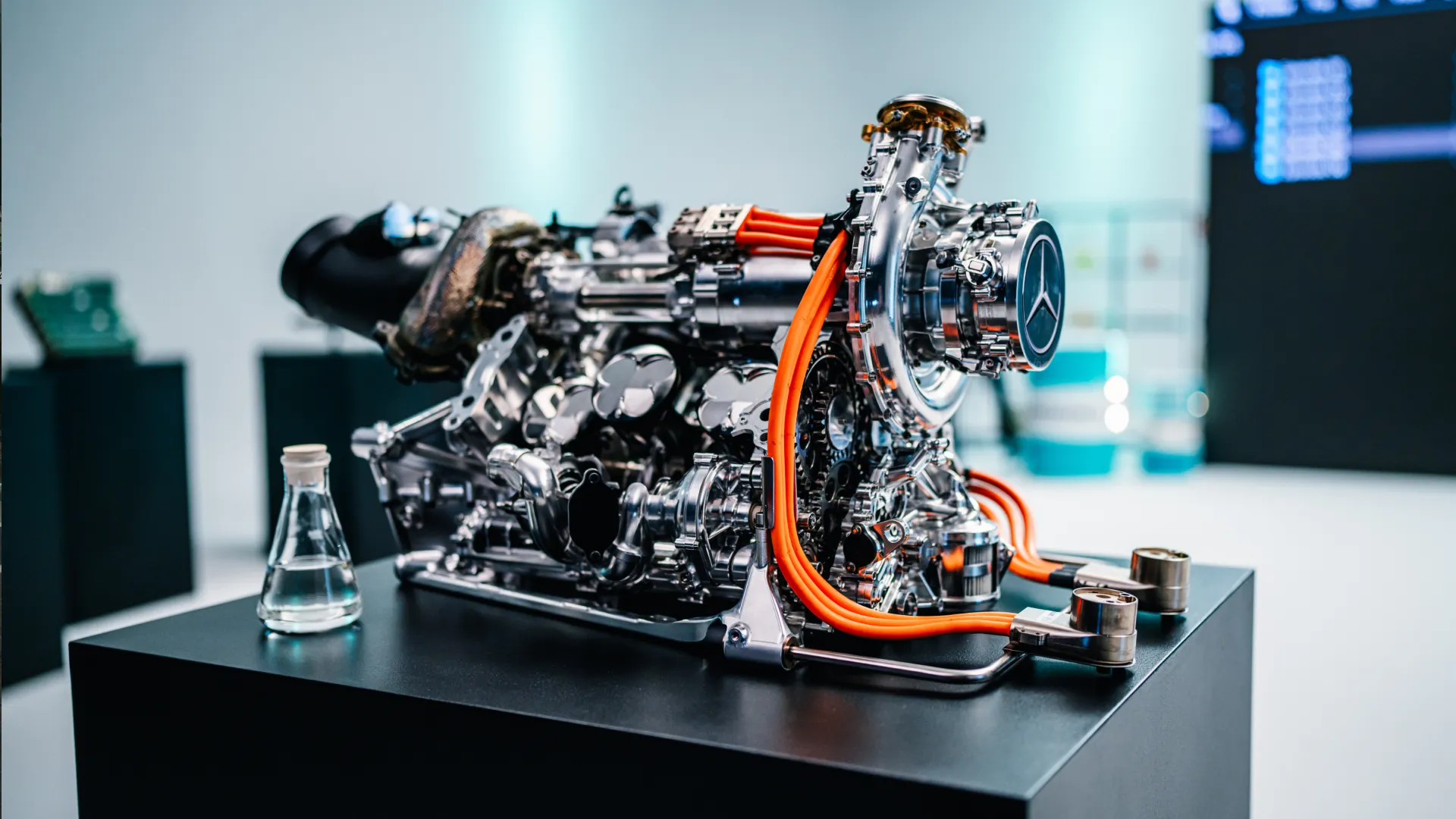
Previously known as ‘Manual Override Mode,’ or MOM, the overtake mode will take advantage of the new power units that F1 cars will use from 2026. These new power units rely on fuel through an internal combustion engine, as well as electricity through a battery three times as powerful as those of the previous regulations. These two types of energy will be in a 50/50 split up to a speed of 180 mph (290 km/h). But once that speed limit is hit, the energy drawn from the battery will steadily taper out as the car gets faster, until it is using fuel entirely.
But the overtake mode will allow the chasing driver to have an extra boost of electrical power (an additional 0.5 MJ, to be exact), letting them rely on even more electrical output up to a speed of 209 mph (337 km/h). And having this increased access to electrical power compared to the leading car means that the chaser will be able to maintain a faster speed for a longer period of time.
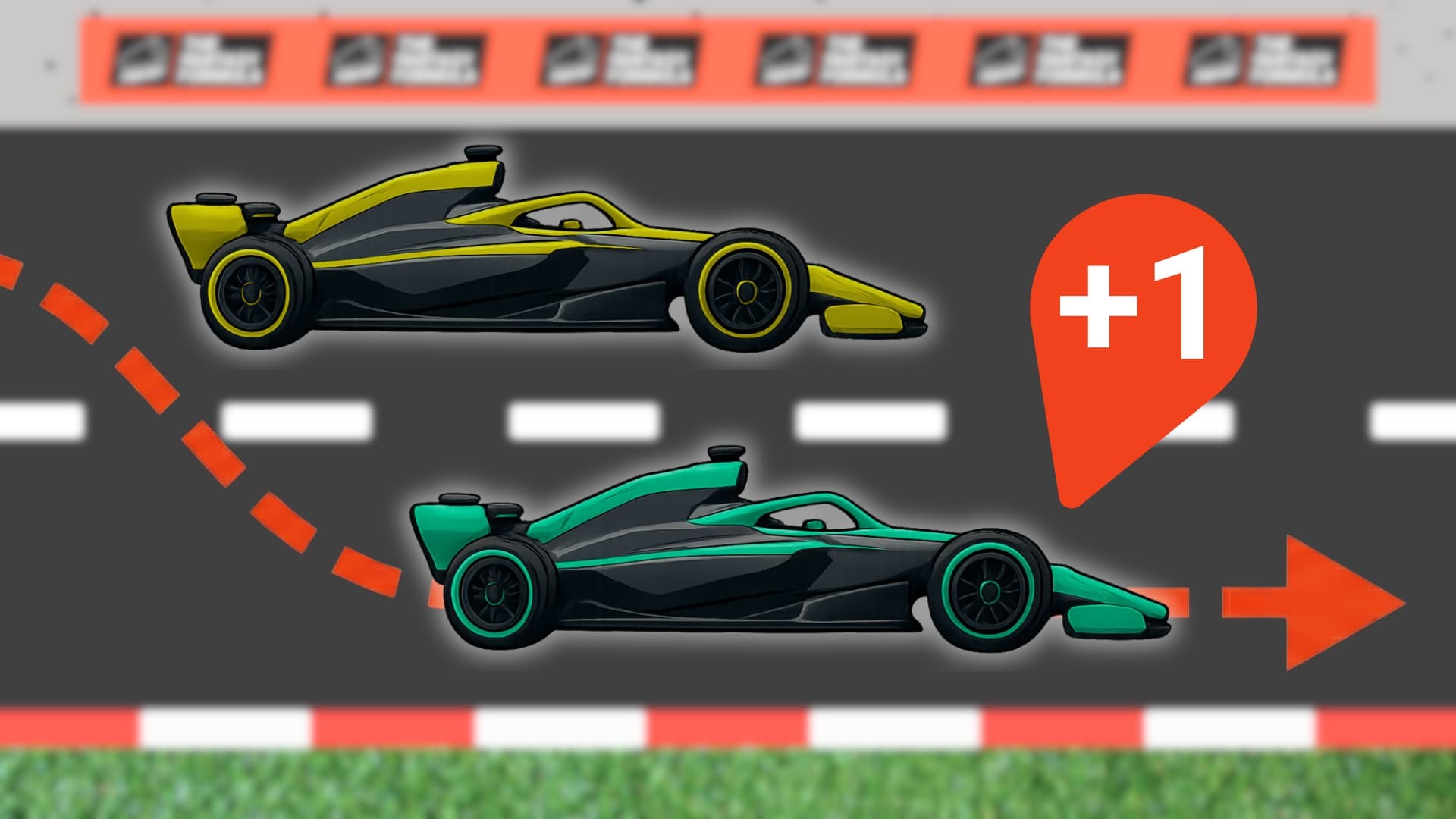
Much like with DRS, drivers will be able to use the overtake mode when within one second of the car ahead in a specific detection zone on the track. These zones will be around the final corner of a track, and make overtake mode available in specific areas of the track once the driver starts their next lap.
Having a single detection zone doesn’t mean that a driver has to use overtake mode right away. There is a strategic element in how this tool can be used, as drivers can choose to deploy it all at once or spread it out over the course of a lap. The biggest advantage will be felt on long straights, where the difference in speed will be most advantageous for the following car.
.webp)
What about boost mode and recharge?
One last thing that F1 fans should be aware of is the boost mode that cars will have.
Over the course of a race, cars will still harvest electrical energy via the Energy Recovery System (ERS), much like they have in the past. They will be able to deploy this stored energy, via a boost button, no matter where they are on track, meaning it can be used for either offensive or defensive purposes.
Electric energy for these purposes is harvested throughout a Grand Prix and can be used to recharge the battery of the car. This harvesting happens when a driver is breaking or when they lift off the throttle early, as they might during lifting and coasting. The process is largely automated, but drivers will have some control over it in Recharge Mode when lifting off the throttle only. The stored energy from this can then be used to provide electric power to the F1 engine.
What is the difference between overtake and boost modes?
Both overtake and boost modes give a driver access to extra electrical energy but there are some key differences.
First is who can use them. Overtake mode can only be used by a chasing driver when they are within one second of the car ahead. Boost mode can be used by any driver when they need an extra bit of speed to either catch up to or stay ahead of someone.
Second is the source of the extra electrical power. Overtake mode keeps the amount of electrical energy a power unit already relies on from dropping off as fast once a car hits a certain speed. For boost mode, on the other hand, drivers must use the ERS system to harvest and store extra electrical energy before deploying it for either defense or offense.



.webp)










.webp)










.webp)





.png)
.png)