


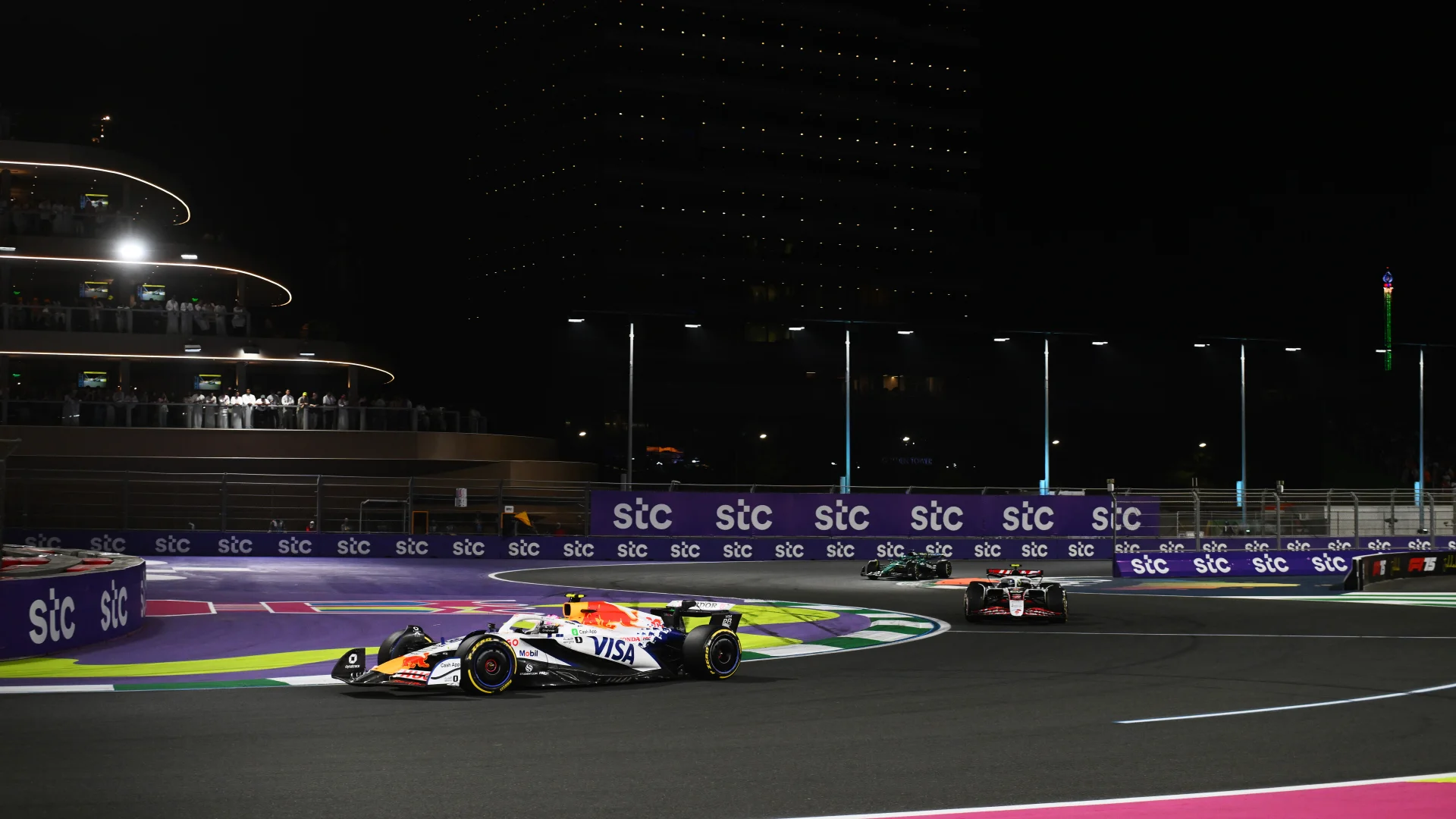


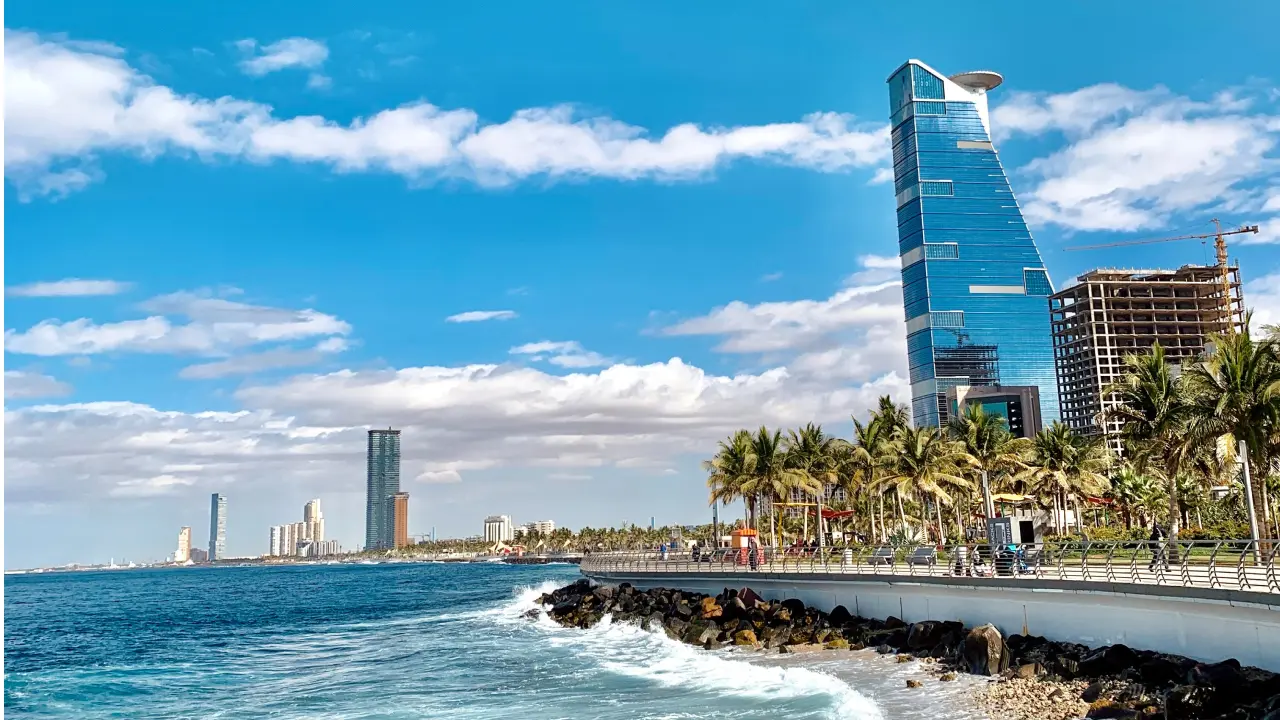
It may be a fairly young race, having just been added to the Formula 1 calendar in 2021, but the Saudi Arabian Grand Prix is already fascinating, putting drivers through one of the toughest tests of the season. From its unique arrangement of corners, to a World Champion-caliber record held by Lewis Hamilton, here are three things that you need to know about the Saudi Arabian Grand Prix.
Hamilton’s 31st win record
Did you know that Lewis Hamilton is the only driver in the history of F1 to record race wins on over 30 different circuits?
In 2021, the inaugural year of the Saudi Arabian Grand Prix, Hamilton added the Jeddah Corniche Circuit to the extensive list of tracks that he has conquered throughout his career. The penultimate race of the 2021 season, it brought us a chaotic showdown between Hamilton, defending World Champion, and his challenger, Max Verstappen.
It was a dramatic night, filled with safety cars, red flags and one of the most controversial race re-starts we’ve seen (second perhaps only to the now infamous ending of that year’s Abu Dhabi Grand Prix, which would take place just one week later). In the end, Hamilton and his Mercedes came out victorious, leaving the title to be decided in the season closer.
With that, Hamilton achieved his 31st win on a unique track in F1, an all-time record in the sport. Behind him in second place is Verstappen, with 26 different track wins, while Michael Schumacher is in third with 22. Hamilton will have a chance to increase his own record this year if he can grab wins at any of the Miami, Dutch, and Las Vegas Grands Prix, or at the brand new Madring for the Spanish Grand Prix this year.
The circuit with a deceptively large number of corners
The Jeddah Corniche Circuit has a total of 27 corners, making it the track with the biggest number of turns on the F1 calendar. In fact, for the original 24 race schedule this year, the average number of turns per track is just 17, putting Jeddah head and shoulders above the rest.
With so many corners and changes in direction, one might be expecting the Saudi Arabian Grand Prix to be wrought with many hard breaking zones that give it a turbulent “stop-go” feel. Yet oddly enough, this could not be further from the truth.
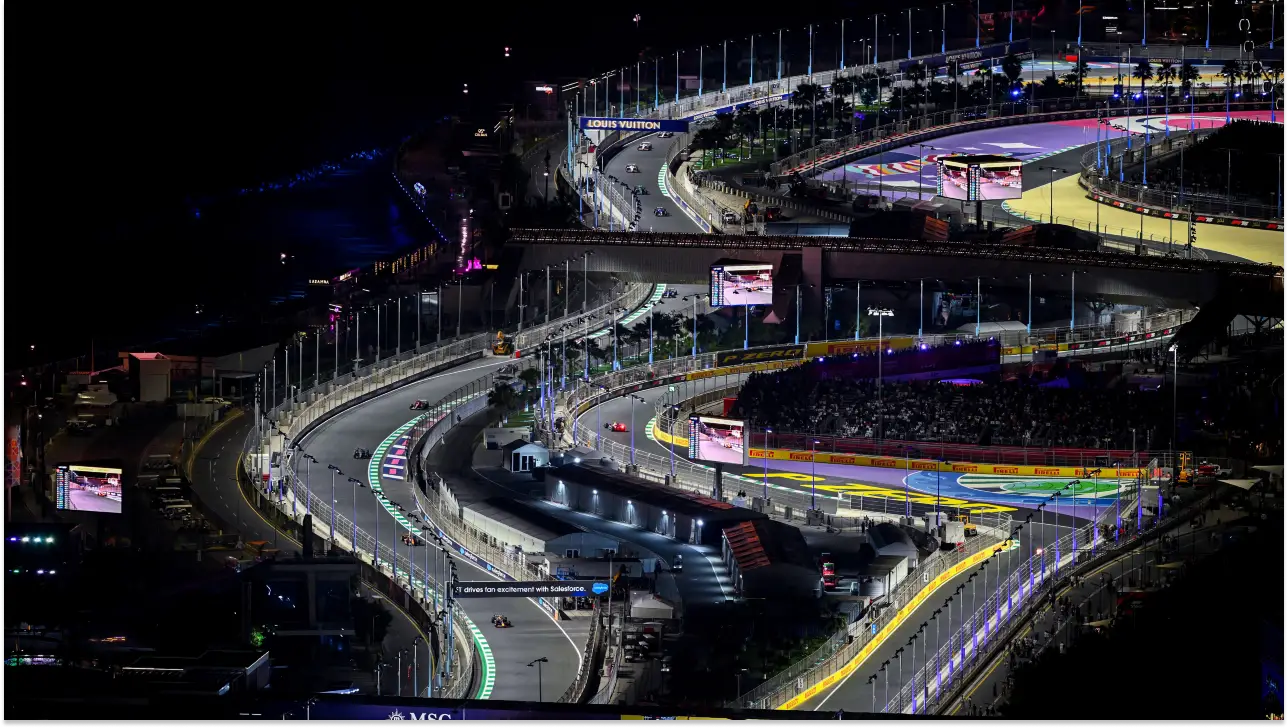
Jeddah is often described as a very fast and flowy circuit where drivers get to really put their cars on the limit. That is because many of the corners feel more like kinks or gentle curves on the road that drivers can take flat out on the throttle.
But high speed comes with high demand. As McLaren’s Lando Norris said, “You need so much concentration because it’s all so fast. On a street circuit like Monaco, a lot of the circuit you have to concentrate a lot but some of it is very slow. You can relax a little bit. It’s easier to judge where the wall is and so on.
“Here, it’s all high speed so judging distances to walls is so much more difficult, and that makes it a lot more difficult to concentrate.”
The race that happened despite a missile strike
In 2022, the world of F1 was shaken when a missile drone hit an oil facility just 6 miles (10 km) away from the Jeddah Corniche Circuit during the Saudi Arabian Grand Prix weekend. The incident happened midway through that Friday’s first practice session, with dark smoke rising through the sky, and drivers such as Verstappen reporting that they could “smell burning” on the track.
It was later revealed that the Yemeni Houthi rebel group had targeted the North Jeddah Bulk Plant on the outskirts of the city. The plant, which stores and supplies over one quarter of fuels such as gasoline and diesel used in Saudi Arabia, belongs to Aramco, the state-owned oil company that sponsors F1 on the series level and the Aston Martin team as title sponsor.
As a result of the attack, the second free practice of the day was delayed by 15 minutes, but went on nonetheless. Afterwards, extensive meetings were held between local authorities, the FIA and F1 president, Stefano Domenicali, to determine whether it would be safe to continue the rest of the race weekend. The drivers themselves also held a meeting to discuss the situation, which reportedly lasted over four hours. The result of the meeting was a statement by the Grand Prix Drivers’ Association confirming that the drivers have also agreed to continue with the race.
Despite the tense atmosphere that follows any event like this, the teams took to the grid on Sunday, culminating in a thrilling battle between Verstappen and Charles Leclerc. Verstappen ultimately took the win for Red Bull, with Leclerc coming in second, and his then teammate Carlos Sainz in third to get the double-podium finish for Ferrari.
Want more surprising facts about this year’s F1 drivers and race tracks? Check out our other Speed Reads:
- Speed Read: 3 Things You Didn’t Know About the Bahrain Grand Prix
- Speed Read: 3 Things You Didn’t Know About the Japanese Grand Prix
Images via Red Bull Content Pool






.png)
.png)