


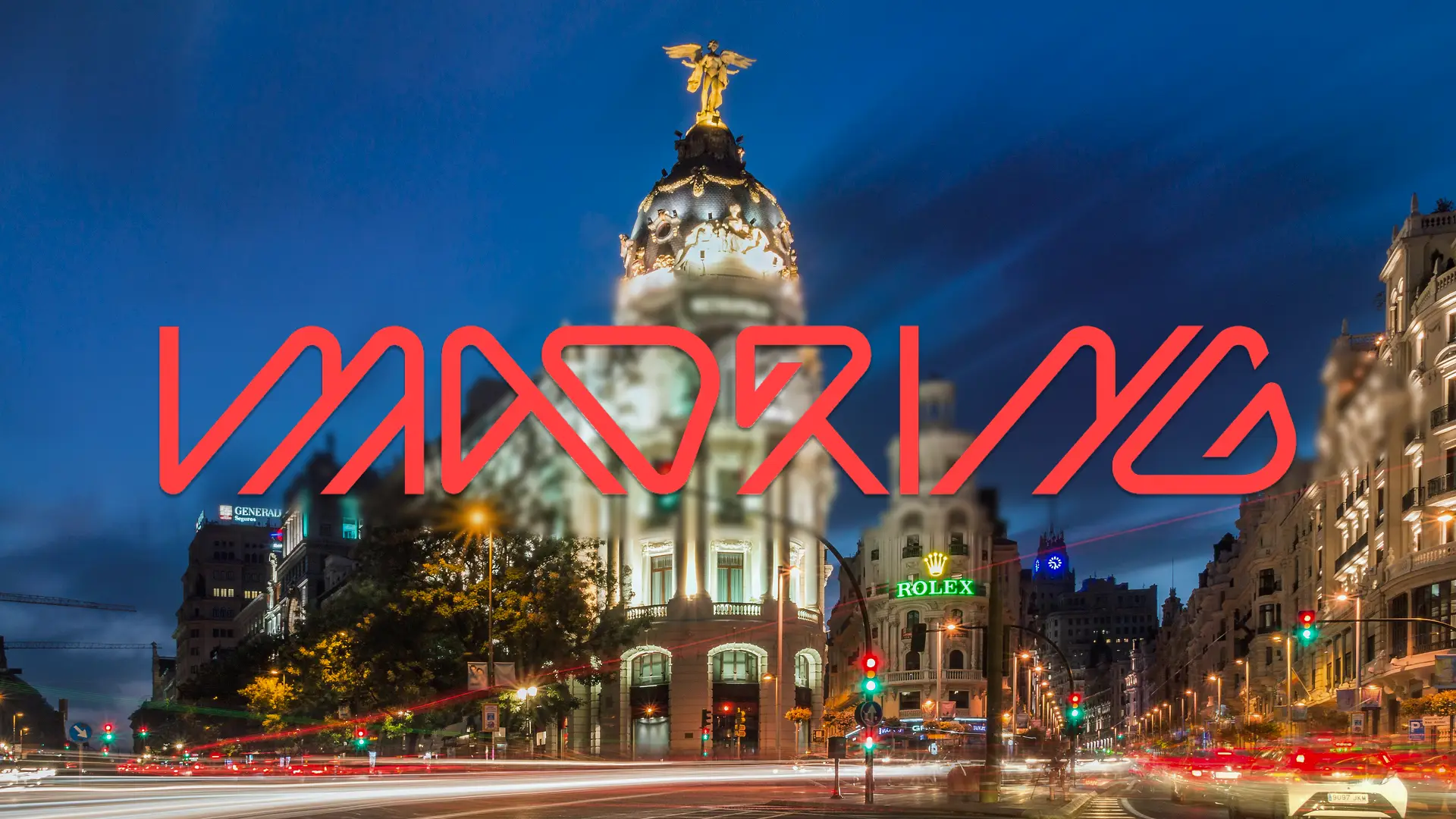



The return of Formula 1 to Madrid is both historically and strategically relevant for fans, marking the sport’s first race in the Spanish capital since 1981. Rather than reviving a legacy circuit, organizers opted to the introduce a brand-new track for Spain’s marquee Grand Prix, highlighting Formula 1’s broader strategy of positioning races in major, globally connected cities even as it sparks debate among fans who prefer more traditional, purpose-built venues like what Barcelona-Catalunya or Spa-Francorchamps offer.
The return to Spain comes with a new set of elements to factor for, such as where to stay so you’re in close proximity to the circuit, where to sit for the best views, and what weather will you encounter so you can pack accordingly? Thankfully, we’ve got fans like you covered with answers to these questions and more in this guide!


Location: Easy Access Throughout Madrid
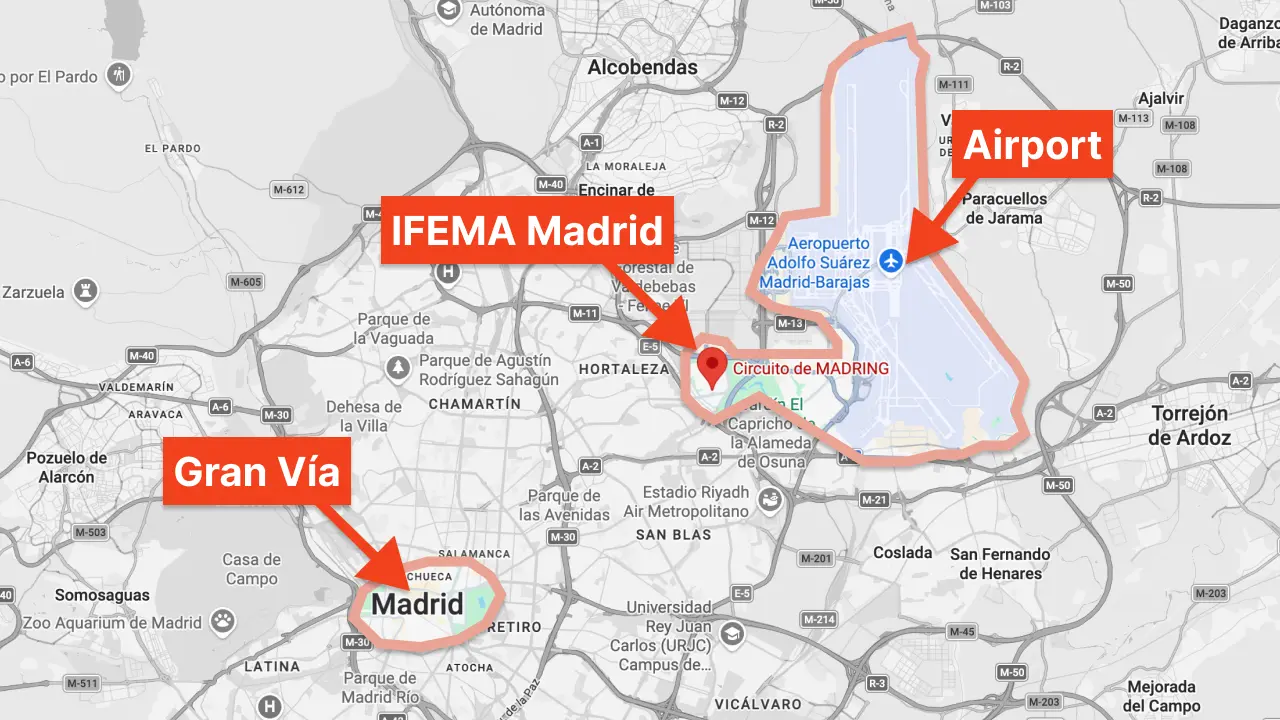
Location is a major selling point of the Spanish Grand Prix. The circuit is centered around the IFEMA Madrid exhibition center, a well-established venue that anchors the race within Madrid’s existing infrastructure. Its proximity to Adolfo Suarez Madrid-Barajas Airport and close distance to the city center make it one of the most convenient Formula 1 venues on the calendar. Fans will be able to reach the circuit easily via multiple transportation options, including Madrid’s metro system, Renfe commuter trains, as well as buses and taxis. If you are coming from downtown Madrid, it takes approximately 45 minutes on public transit to get from Gran Vía to the IFEMA Madrid exhibition center.
Seating: Which Rating Best Suits Your Preferred Experience and Budget
With 16 total grandstand options alongside general admission, the Madrid Grand Prix offers ticket options whether you’re looking for premium sightlines or more budget-friendly options. To help fans quickly understand what they’re paying for and compare views and value at a glance, seating options are classified on ratings scale, from bronze to gold.
Each seating tier reflects where you’ll be situated around the track and the type of experience you’ll have, from high-action corners and long straights to broader views of multiple sections of the circuit. All grandstands are designed with fan comfort in mind, including large screens and race coverings to ensure you don’t miss key moments, even when cars are out of sight.
Here’s a breakdown of the seating rankings according to the MADRING circuit:
Weather: A Summer-like Atmosphere
Weather conditions in Madrid in September are generally favorable for both racing and spectators. Average temperatures sit around 70 °F (21 °C), often climbing to highs of 82 °F (28 °C) in the early afternoon, creating warm but manageable conditions throughout the race weekend. Rain is infrequent in September, with Madrid receiving rainfall on average 3-6 days across the entire month, meaning wet sessions are unlikely. Most days see around seven hours of direct sunshine, meaning largely clear skies and bright conditions throughout the day that supports consistent on-track action and a comfortable, if not warm, viewing experience for fans.
Most days also see roughly seven hours of sunshine, making for a bright, summer-like atmosphere.
Making Your Way to the Spanish GP
With Madrid entering the Formula 1 calendar for the first time in over four decades, the focus now shifts from announcement to experience. Knowing where the circuit sits within the city, how seating tiers compare, and what weather to expect gives fans a real advantage when planning their weekend. If this race is one you’re set on, then access our other Spanish GP guides and buy your tickets and travel. You can also browse all our race guides and tickets for Formula 1, IndyCar, and more to make every race weekend effortless and special.


.png)
.png)