


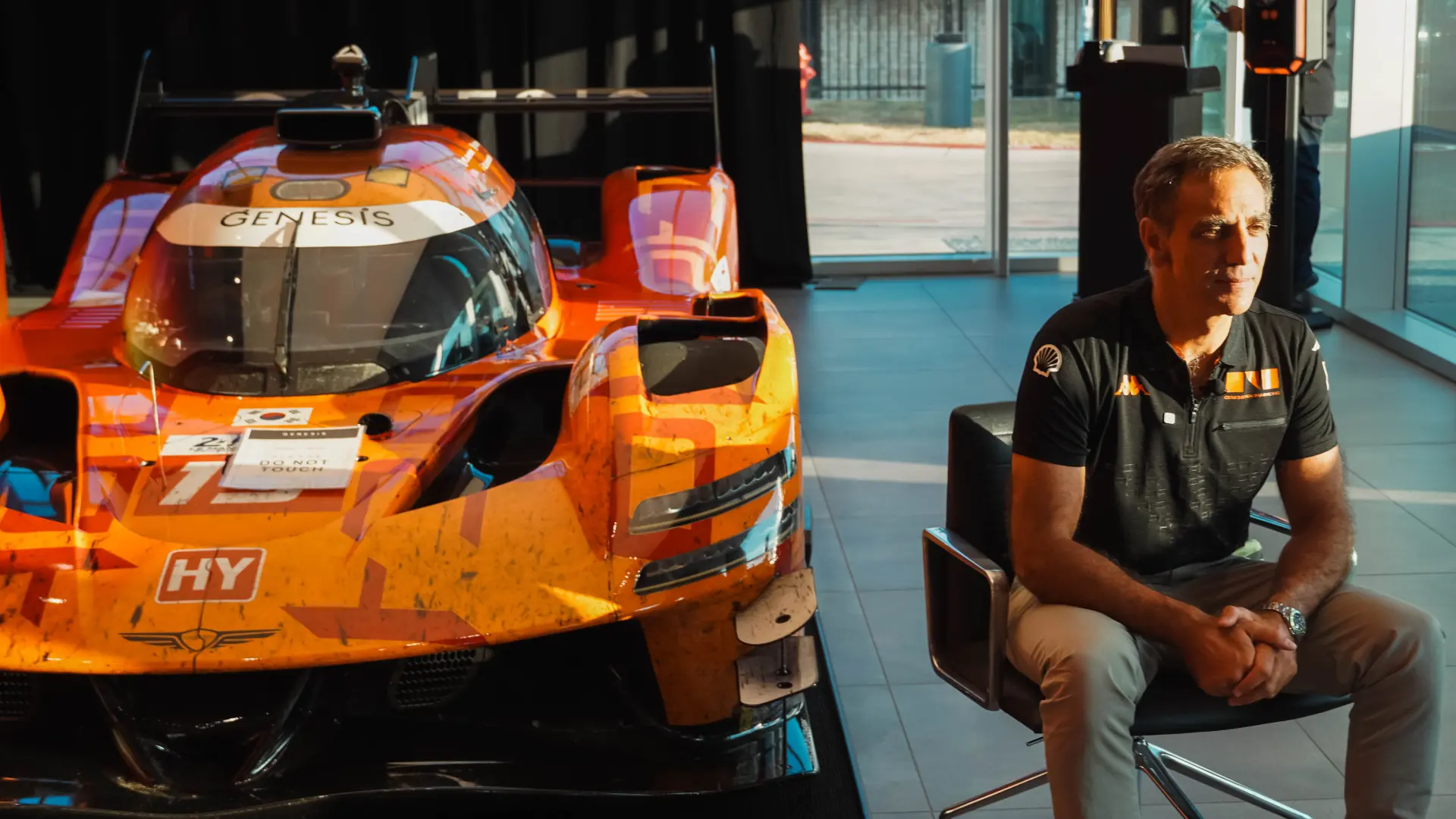



When Cyril Abiteboul announced to his family and friends that he'd be joining Genesis Magma Racing as team principal, they had one question: What is Genesis?
“Where I come from in France, [Genesis does] not exist,” Abiteboul told me during a preview event for the World Endurance Championship's (WEC) Lone Star Le Mans weekend at Circuit of The Americas, which I attended on behalf of FanAmp. That’s a problem he — and the entire Genesis marketing team — hope that they'll be able solve through motorsports.
The issue? They don’t know how, exactly.
Not for lack of research or a plan, but because the answer to the age-old motorsports question — what, exactly, does a manufacturer get from racing? — isn’t straightforward. What is straightforward, however, is the Genesis team’s conviction that Le Mans and the WEC series are the key.


New kid on the block
Founded in 2015, Genesis is Hyundai's luxury vehicle brand, and its goal is to expand the Hyundai Motor Group's global reach by appealing to an audience distinct from its usual buyer base. In the same way that Acura is Honda's luxury arm, or that Lexus is Toyota's, Genesis aims to provide a higher-end experience than what's on offer in Hyundai's more affordable core lineup.
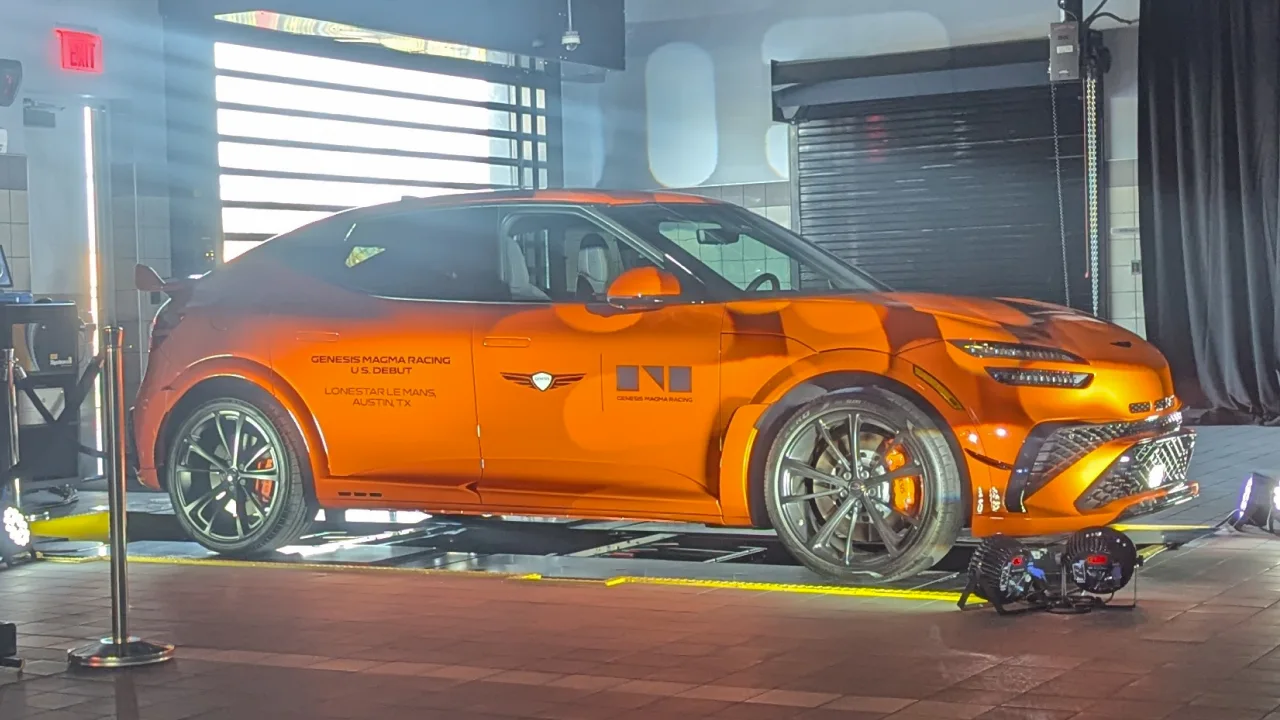
But where Acura and Lexus have had decades to establish their reputation, Genesis is still in its infancy.
While Genesis debuted in 2015 and began selling cars in America at the end of 2016, its first European models didn't hit the market until 2021. Sales figures reflect the brand's youth: according to Forbes, Genesis sold just 82,331 cars in the US in 2025, but only 2,476 in Europe during that same period. Compare that to Lexus, which sold 80,686 vehicles in Europe alone over that same period. As a result, Europeans have exponentially fewer opportunities to encounter a Genesis in the wild than an American, and that means motorsports is likely to facilitate those first introductions.
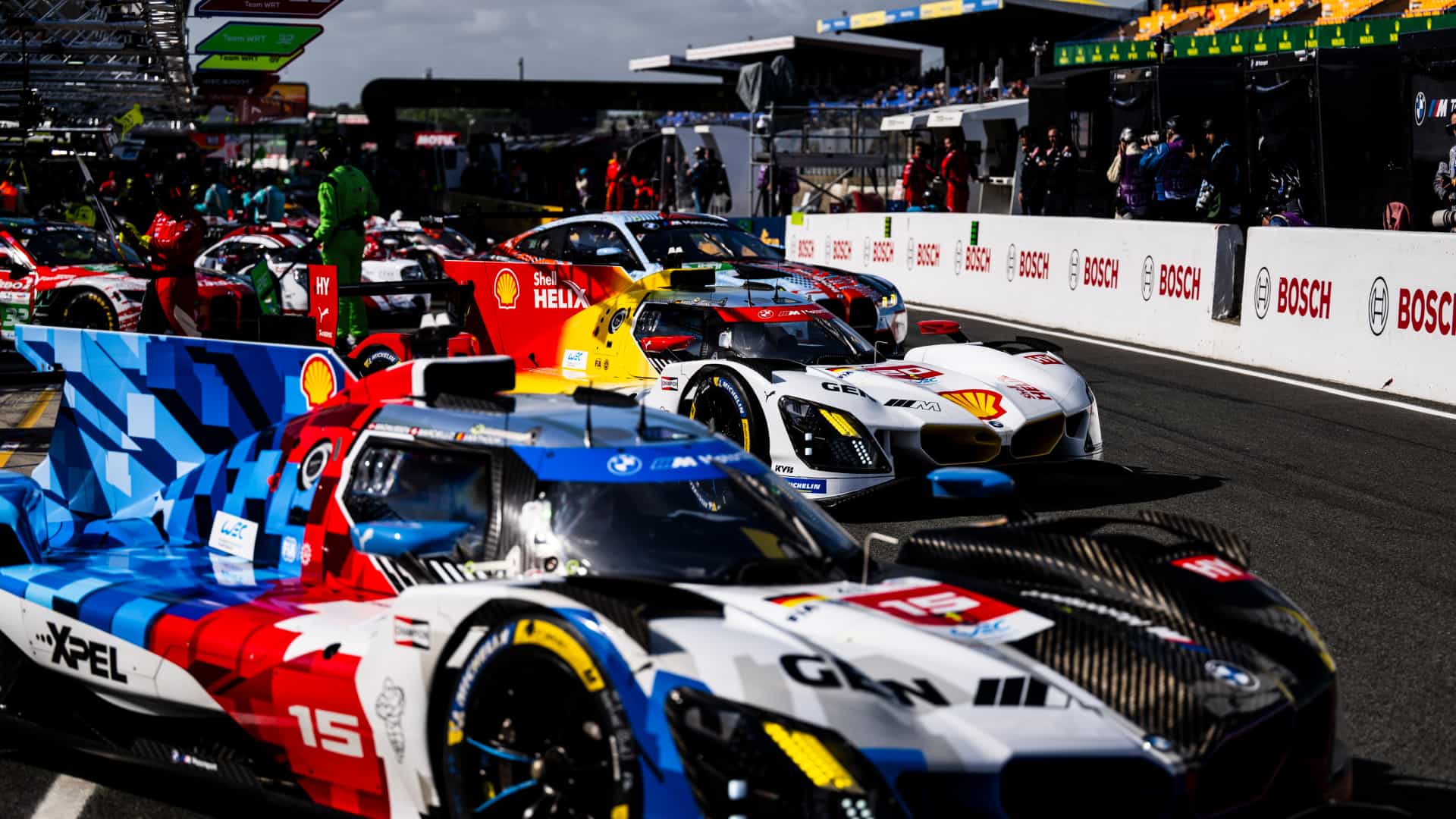
The race team is even younger. Officially announced in December of 2024, Genesis Magma Racing had fewer than 500 days from that moment to build both a team and an LMDh prototype, called the GMR-001, to take on the best that the World Endurance Championship had to offer — legacy manufacturers like Ferrari, Porsche, Cadillac, and Lamborghini. The global stage would allow Genesis to introduce itself to brand-new markets, while the combination of the World Endurance Championship’s (WEC) prestige and difficulty would immediately demonstrate what the brand could do.
For Abiteboul — and for all of the Genesis Magma Racing team — the goal of the program is not just to compete and win, but to understand exactly how critical motorsports can be in building a global reputation for an automaker and then apply what it learns.

“Win on Sunday, sell on Monday”
For years, motorsports operated on the “win on Sunday, sell on Monday” motto. The thinking was that if, say, a Ford Mustang won a major race, fans would flock to dealerships to purchase that very vehicle. An automaker's investment in racing would then have a tangible impact on sales.
Of course, the reality has always been different, and a racing event's direct influence on consumer purchases has been hard to track. Instead, the decision to enter motorsports is generally more about building specific brand associations that will ideally influence purchases.
Let's revisit the Mustang: when it was introduced in 1964, the car was just one part of Ford's growing effort to appeal to a younger consumer base that prioritized attractive, affordable, and stylish cars over the larger, more practical sedans that dominated the market at the time. In order to begin associating the Ford nameplate with speed and style in the minds of buyers, the company simultaneously invested in global racing programs. Whether it was a Ford Mustang winning the Trans-Am Championship in America or the GT40 prototype winning overall at the 24 Hours of Le Mans in 1966, the whole point was for prospective buyers to associate Ford with excellence, endurance, and success. Then, when it came time for those buyers to spend their money, they'd be more likely to opt for a Mustang.
What often confuses modern race fans is the direct correlation that the “win on Sunday, sell on Monday” phrase implies. It's easy for us to imagine that someone could go out and spend $2,500 on a brand-new Ford Mustang the Monday after the 1966 24 Hours of Le Mans (nearly $26,000 by today’s standard), but how many of us are actually going out to buy a Ferrari just because the Scuderia snagged a couple of victories?
Immediate sales, though, have never really been the point. The true purpose of motorsports marketing is rooted in consumer psychology: automakers want you to crave what they have to offer, and they do so by reinforcing specific attributes in your subconscious. I may not be buying a Ferrari because it won Le Mans, but I'll still aspire to purchasing one because of what owning a Ferrari will say about me.
And for Genesis, motorsports is the perfect avenue in which to begin creating those associations in the first place.
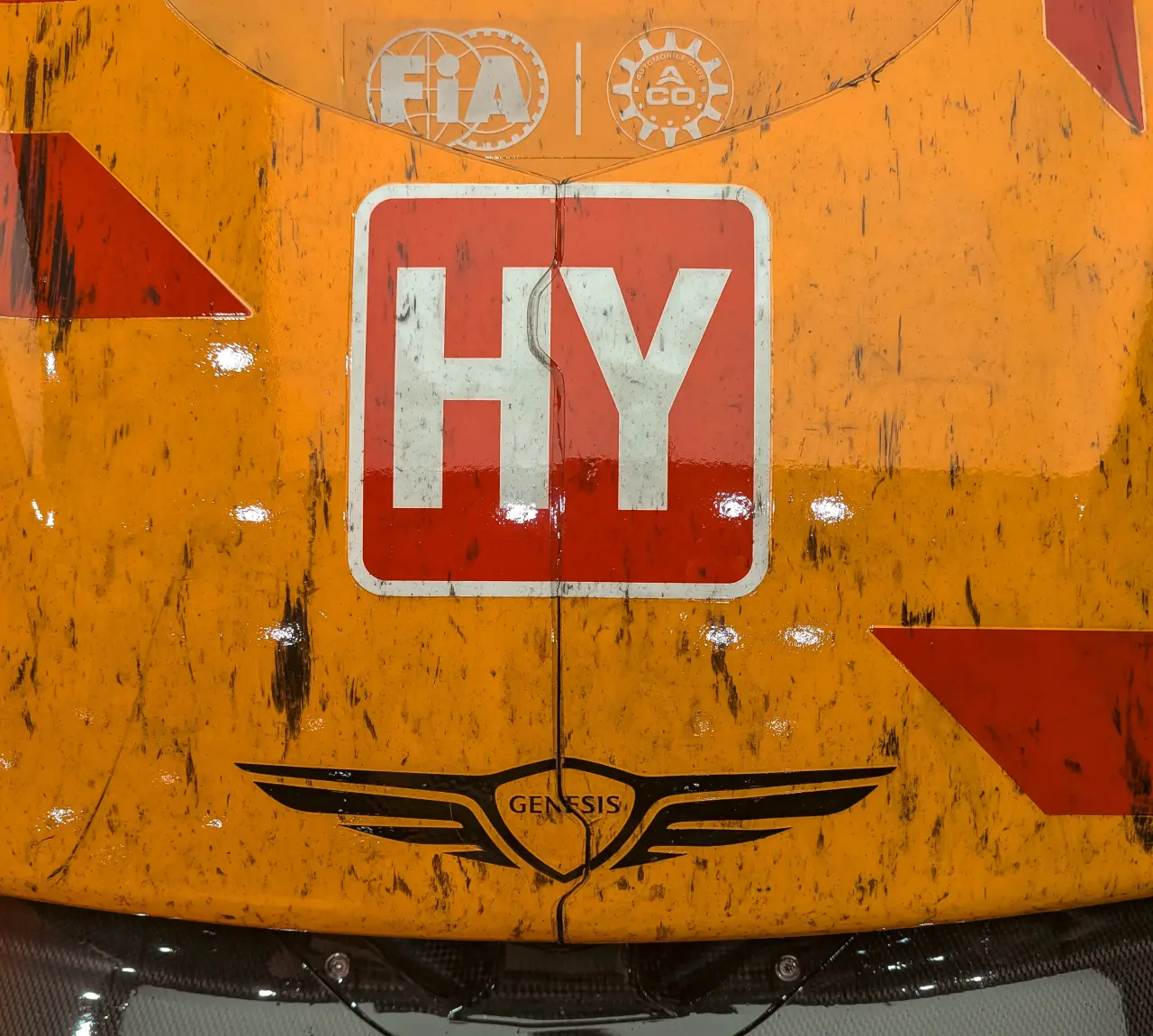
Genesis Magma Racing: Building a case for motorsports overall
For countless numbers of Europeans who know the Genesis name, they've likely learned it from one of two places: from the Genesis showrooms that have opened in countries like France and Germany over the past few years, or from Genesis’ participation in the 2026 24 Hours of Le Mans.
While Abiteboul maintained that it's still too early in the Genesis Magma Racing program's existence to be able to produce hard data regarding its impact on sales of Genesis road cars, he did point out to me that the anecdotal data signals a transformation.
“A year ago, no one heard of Genesis. Now, when I talk about [it] to people that I meet, people have heard of it.”
That's good for Genesis, of course, but Abiteboul is just as interested in what the racing program can tell us about the overall importance of a brand's motorsports participation in developing its reputation.
France, for example, is “the best market for endurance racing” as a result of Le Mans — but the country's two Genesis dealerships have been only open for a few months. For Abiteboul, it means that Genesis has “a great opportunity to directly measure the impact of motorsports on that market.”
More than that, though, it's an “opportunity to almost — like in a lab — properly test what motorsport can do. [...] It's super interesting for this program and for any other motorsport program.”
For over a century, automakers have utilized racing as a way to tell consumers what their brands mean: Ford wanted you to know it was youthful, while Ferrari has always signaled aspiration. The way we think about both of those companies today has everything to do with their accomplishments on the track, but we can absolutely take that recognition for granted because most race fans today weren't alive to see exactly how those legacies were built.
Genesis’ road business and its racing program are still only scratching the surface of what Genesis set out to build. But talk to Abiteboul for just a few minutes and it sounds like his answer to that age-old motorsports question is starting to take shape — one new showroom and race fan at a time.

![Ryan Hunter-Reay: 'I Came [to McLaren] Wanting to Contribute, Not Just Occupy a Seat'](https://cdn.prod.website-files.com/61b372525d9e220633140352/6a447e20dd744d236ef4d5f3_Ryan-Hunter-Reay-Cover.webp)
.webp)


.png)
.png)