


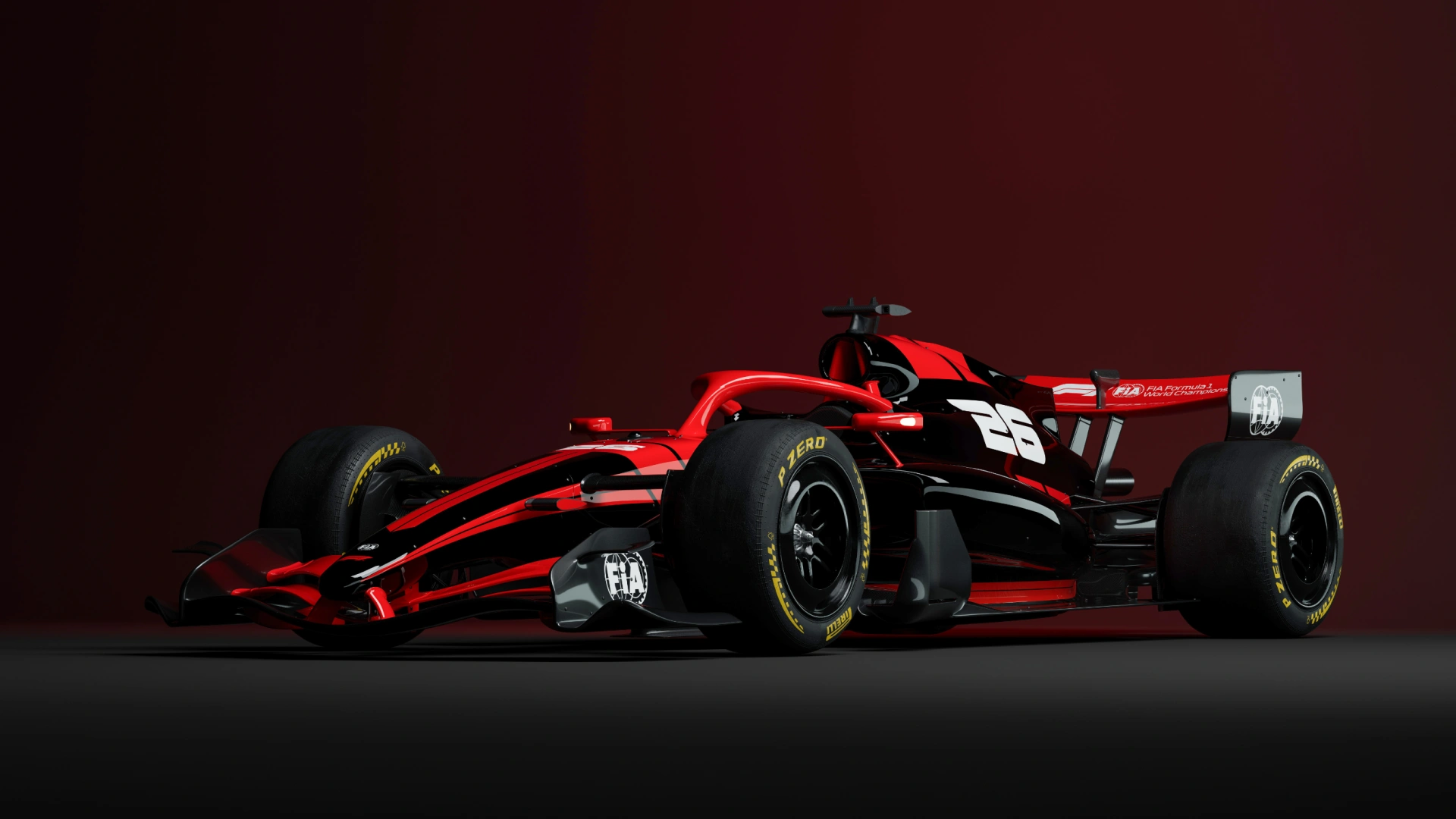


Formula 1 is in the midst of a major overhaul this year, with many describing 2026 as the year with the biggest changes to the sport yet. This includes leaving the ground effects era behind us, slimming down the size of the cars and simplifying certain elements, brand new engine designs for everyone and an even bigger focus on sustainability, among other things.
And if that sounds like a lot, well… it is. But don’t worry, because we’ve put together the ultimate guide to take you through the biggest changes of the year, so you’ll know exactly what to look out for when cars hit the track.


Moving away from the ground effect era
The previous set of F1 regulations ushered in the ground effect era, with a heavy focus on the floor design and the tunneling that guided airflow underneath the car. And in 2026, one of the biggest shifts is the movement away from this concept, as the floors become much flatter and the ride height increases, among other new elements of the design, which are described below.
With all of these changes to the overall design of F1 cars being made, we will see several aspects of driving and racing evolve. One such example is that there should be much less porpoising, or bouncing, of the cars. Another is that the amount of drag cars generate will decrease by roughly 30%, while downforce will get cut by more than half, at 55%. These factors will ultimately allow for more versatility in driving styles, thus evening out the competition and making racing all the more exciting.
Decreased car size
One of the most visually obvious differences F1 fans can expect is the size of the cars.
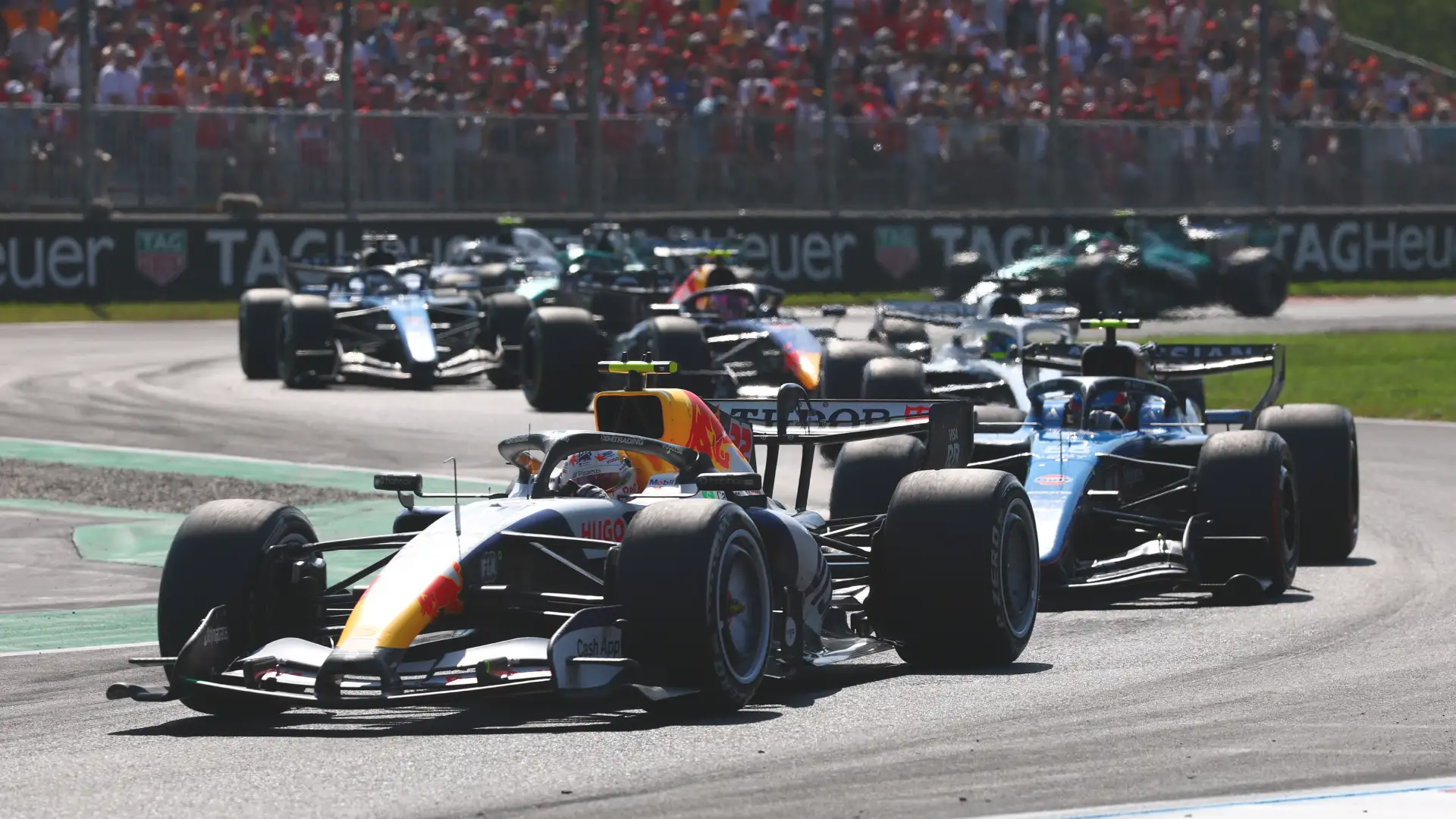
F1 cars will slim down a bit this year, becoming about 7.9 inches (20 cm) shorter–about the length of a toothbrush–and 3.9 inches (10 cm) narrower–about the width of a hand–compared to the previous era. This will give them a wheelbase of 11 feet, 1.8 inches (3.4 m) and an overall width of six feet, 2.8 inches (1.9 m). The width of the floor itself is likewise decreasing by 5.9 inches (15 cm).
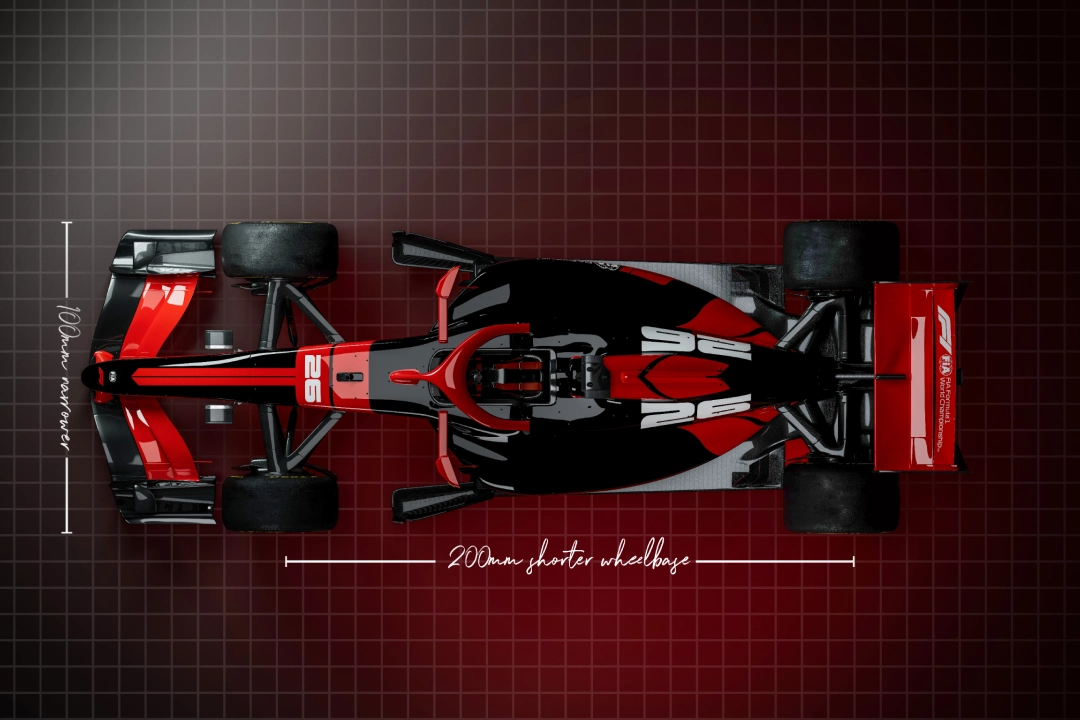
Tire size is also shrinking. The front tires will now be about one inch (2.5 cm) narrower, while the rear tires will be 1.2 inches (3.0 cm) narrower. Both sets will still have an 18 inch diameter, but the new dimensions in addition to the new compounds Pirelli is developing will provide a new challenge as teams must re-learn the degradation characteristics of the tires.
With the smaller car size also comes a smaller minimum weight, decreasing from 1,759 lbs (798 kg) to 1,693 lbs (768 kg). The driver weight allocation, which includes the driver, their suit, helmet, HANS device, and seat, will stay the same, at 180 lbs (82 kg).
These smaller cars should be more agile on the race track compared to their predecessors, which will hopefully make passing, particularly on narrower circuits like Monaco, a little bit easier.
Updated front and rear wing designs
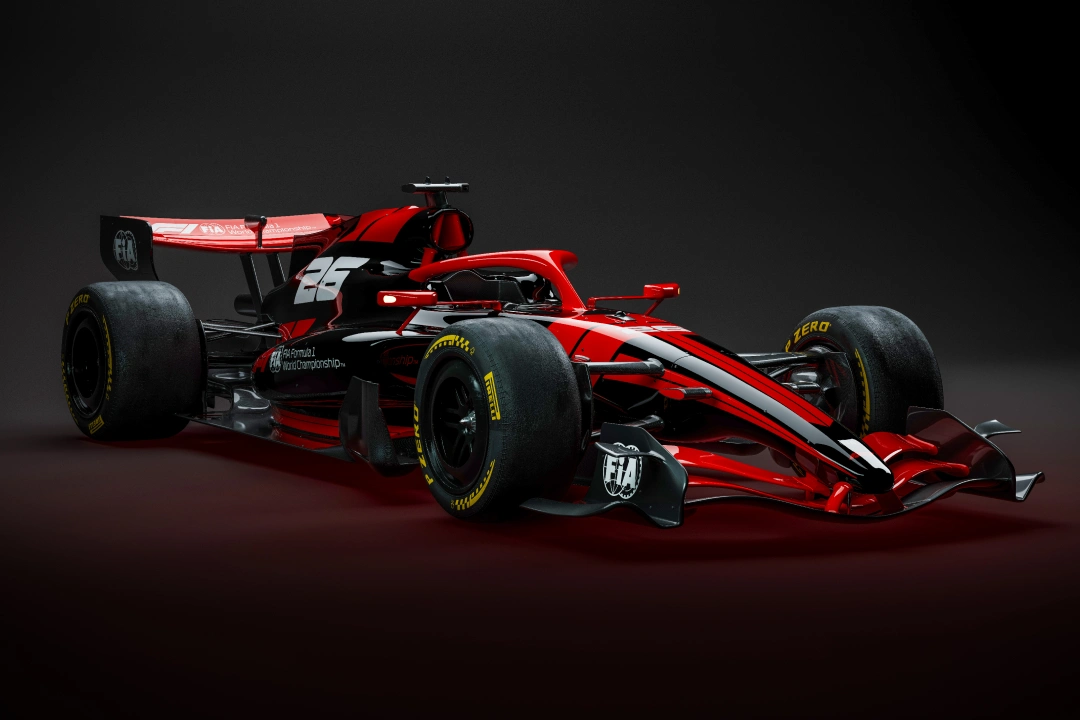
Another big change that fans will likely notice right away is the simplification of both the front and rear wings. Both will have fewer elements, with the rear losing its beam wing, and getting a pared down end plate, while the front wing will become slimmer. The arches over the front wheels will also be disappearing.
Together these changes will have a big impact on the aerodynamics of F1 cars. Both downforce and drag will be significantly reduced, meaning that cars will move slower through the corners of a track, but they should be able to pick up speed faster on the exit. The new wings and floor configurations will also mean cars should generate less dirty air, which will make chasing and racing much more dynamic and interesting for both drivers and fans.
DRS is out. Active aerodynamics are in
Along with physical changes to the wings, we will be seeing functional changes as well, in the form of ‘active aerodynamics.’ Essentially, this will allow both the front and rear wings of F1 cars to take on different configurations to maximize drag in the corners and boost their top speeds on the straights.
If this reminds you of DRS, that’s because the concept is very similar. But there are some key differences. For example, while DRS was accessible only to those who were less than one second behind the car ahead of them, active aero can be used by every driver on every lap.
In place of DRS, drivers will be able to use ‘overtake mode’ which gives the car an extra boost of electrical power, giving them an edge when they are on the attack. Be sure to check our full breakdown of what is happening to DRS, what overtake mode is and more for all the details on this.
Power units are getting an overhaul
By far the biggest update that the FIA’s new regulations are bringing in will be to the engines of F1 cars and the way they are powered.
While they will still be 1.6 L V6 turbo hybrids, from this year on they will be relying on electric power more than ever, moving from an 20/80 to a roughly 50/50 electric-fuel split. On top of that, the amount of electrical power they will be able to produce will nearly triple. Cars will still use the Energy Recovery System (ERS) to harvest electrical energy, like they have in the past.
This increase in electrical power will come in handy in several different ways. First is during the overtake mode mentioned above. Second is in boost mode, which allows drivers to deploy an extra bit of electric energy when defending or attacking at any point in the race (see here for a full explanation of the details). Together, these modes will give drivers a wider variety of tools to use when on the offense or the defense, making racing much more strategic and exciting.
Another big difference in the power units from this year on is the loss of the MGU-H, which previous iterations of F1 cars used to convert heat into electrical energy. From 2026, this component is no longer being included because it was quite complex to design and build, and was not particularly road-relevant.
Overall, these changes have opened up the playing field in F1, making entering the sport a bit more accessible, as evident by the entries of both Audi, who is debuting with its own power unit this year, and Cadillac, who is preparing a power unit development program.
An increased focus on sustainable fuels
Coming hand-in-hand with the increased reliance on electrical power is the use of fully sustainable fuels. All F1 cars will be running on fuels made of Advanced Sustainable Components (ASCs), described by the FIA as fuels that are made of, “non-food biomass, renewable feedstock of non-biological origin or municipal waste, and meet stringent greenhouse gas emissions thresholds.”
This is part of the Net Zero 2030 initiative, through which F1 aims to eliminate its carbon footprint entirely within the next four years. As part of this initiative, sustainable ASC fuels have already been tested and used in F2 and F3 since last year.
Increased safety protocols
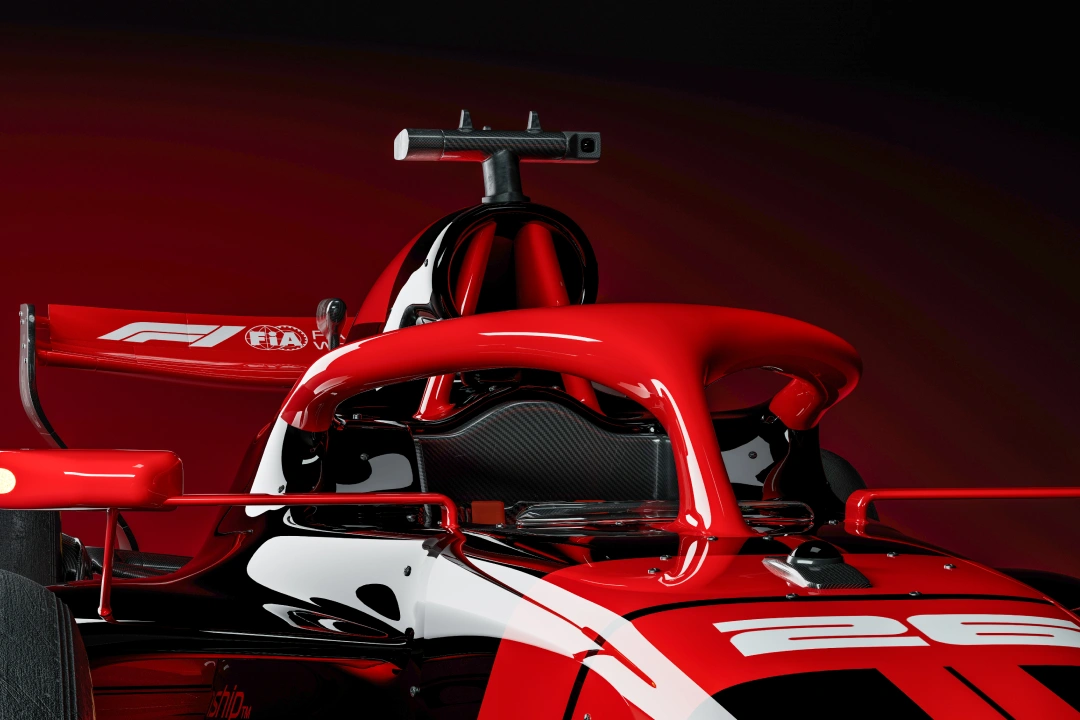
F1 strives to improve its safety every year, and 2026 is no different, with two components being the target for improvements in this department. First is the monocoque, or the survival cell protecting the drivers, which will have its front impact structure revised and be put through more rigorous safety requirements during testing. Second is the roll hoop, the structure just behind the driver’s head, which will be able to take up to 20 Gs of load, an increase from the previous limit of 16 Gs.
The budget cap increases
From 2026, the budget cap for F1 teams is increasing from $135 million USD to $215 million USD. This is because the cost of making and developing F1 cars has increased, and with the new regulations in place, teams will surely appreciate the extra bit of spending money as they prepare for the start of the race calendar.
Other sporting changes
F1 fans may note a few more visual changes to the cars this year, particularly with all of the car launches and livery reveals that are coming up.
First is that cars will now have to have a majority of their surface area covered by either livery paint or stickers. Specifically, 55% of their carbon fiber surfaces must be covered. Previously, teams tried to minimize how much paint or stickering was used, primarily in an effort to cut down even the tiniest bit of weight wherever possible. But this led to many teams leaving large amounts of exposed carbon fiber, which sometimes made cars difficult to differentiate on track. The FIA is hoping that by increasing the covered bodywork they will also make cars more easily distinguishable from one another.
A second visual rule change that will definitely catch the attention of fans pertains to driver numbers. Drivers were first allowed to pick their own numbers in 2014, but could only stick to the one they chose, with only the reigning World Champion being able to drive with the number ‘1’ so long as they held the title. From 2026, all drivers will be able to change the number that they race under. Max Verstappen will be the first to take advantage of the new privilege, and will be using the number ‘3’ instead of the standard ‘33’ he was racing with before earning his Championships.
And that covers the confirmed changes we will be seeing this year. A few other things might be on the horizon, such as potential updates to the cooling systems drivers use, and potentially mandating multiple pit stops during races, but nothing has been confirmed as of yet. We’ll be sure to update you as soon as they take effect. Nonetheless, with all of these incoming updates, 2026 is promising to be a rather intriguing year of on-track action.
.webp)




.webp)
.png)
.png)