




.png)
How does a broke teenager doing whatever he can to raise money for a race car go on to become the billionaire leader of one of the most successful racing teams in motorsport?
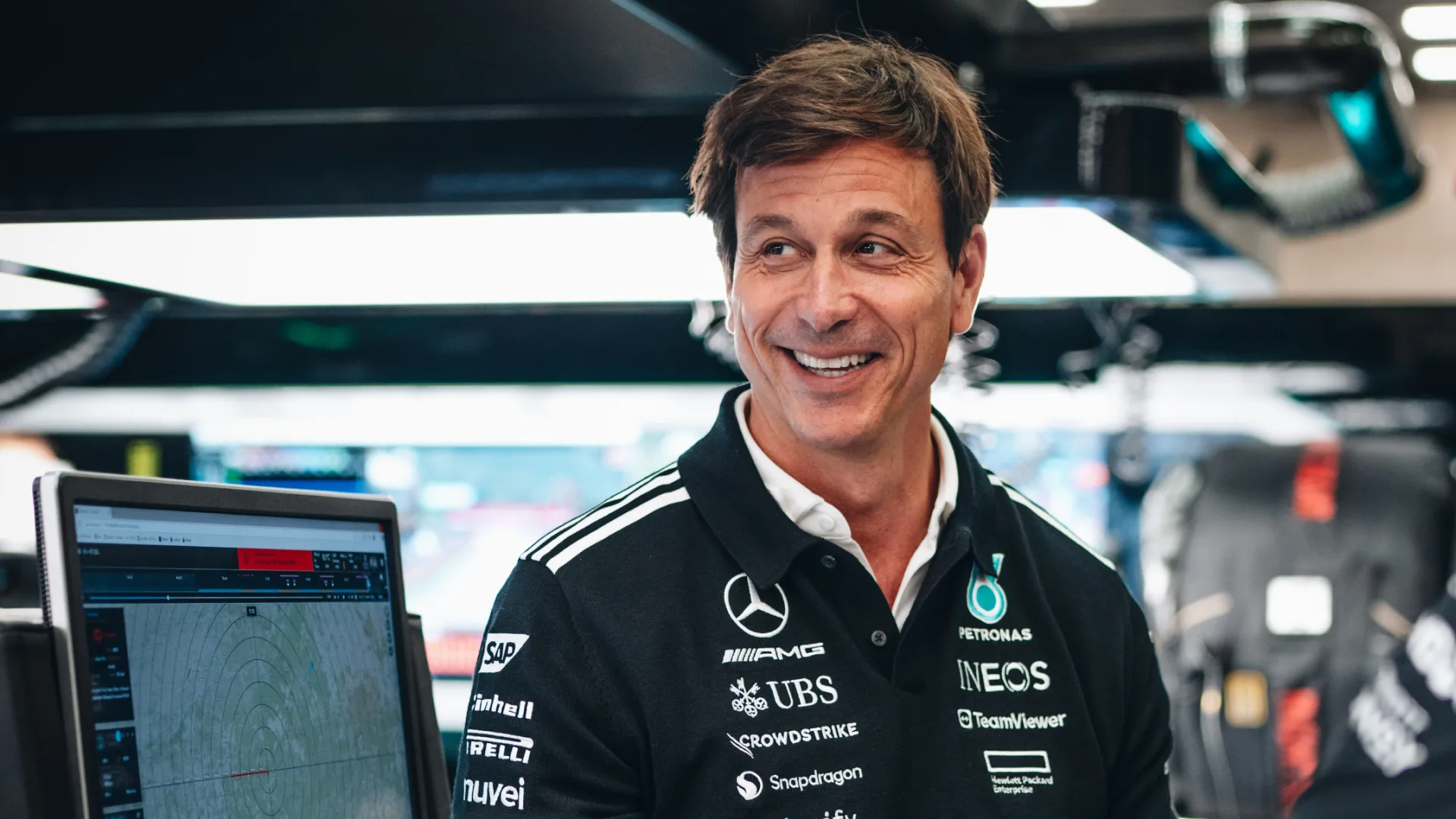
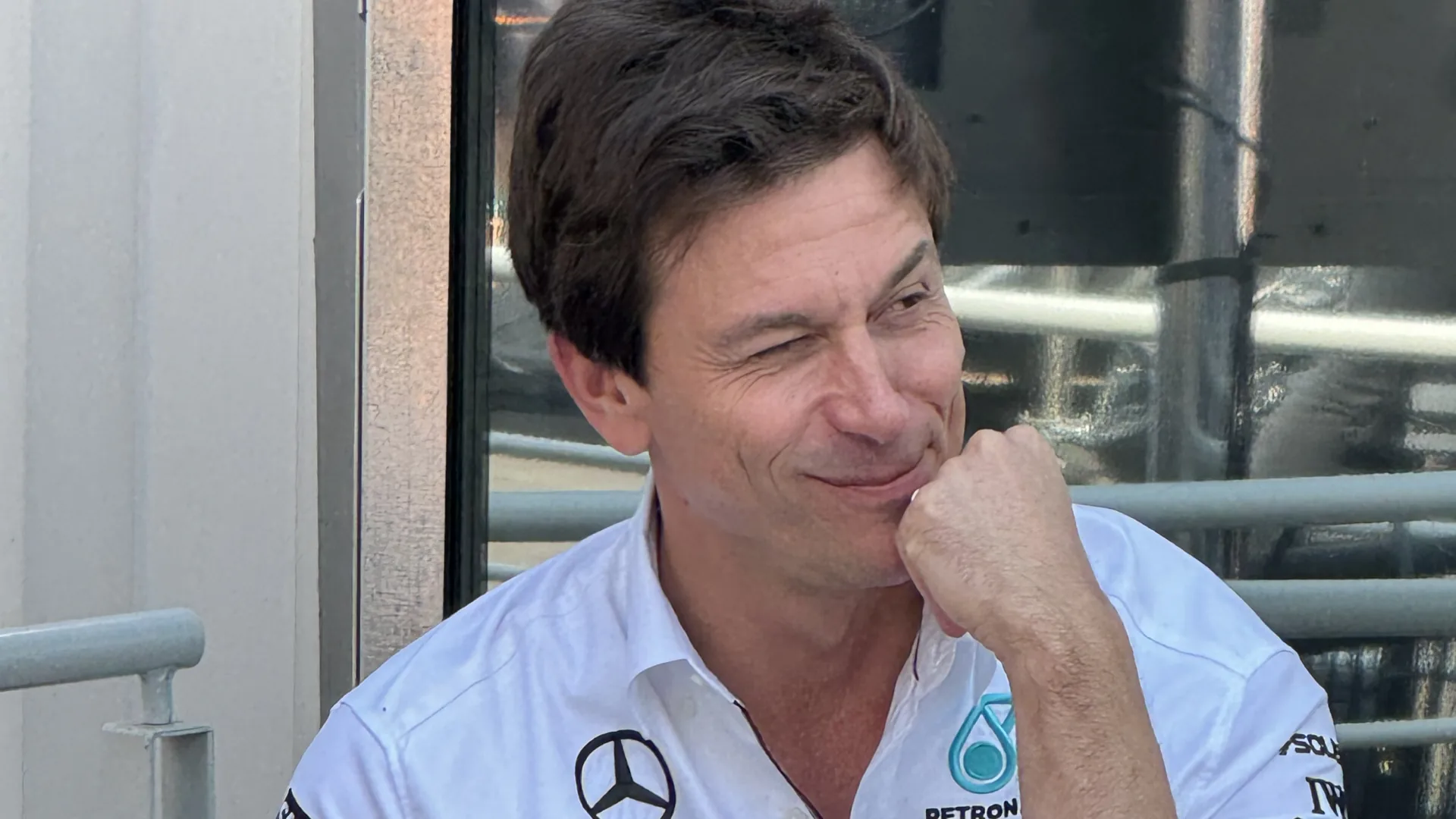
Mercedes team principal and CEO Toto Wolff has the answer to that question, precisely because he has lived it.
Wolff’s early years: Hustling to fund a racing career
Wolff was first inspired to dip his toes into the world of motorsports while he was in high school by a friend who raced in Formula 3. Yet, like so many who long to jump behind the wheel of a single-seater, he faced a massive and fairly universal barrier to entry into motorsports: the cost of buying and maintaining a race car.
Because while Wolff may be a billionaire today, he did not start that way. As a teenager, he scraped up money from wherever he could, from putting together presentations to show to the parents of his friends from school, to working at an electronics shop during Christmas.
That latter one he described as the worst job he’s ever had.
“I had to wear a golden cape,” he told the Sun. “I painted my face gold and I had to give away leaflets for the local electronics shops.
“It was so embarrassing because people recognized me. I remember that was really bad, but I pushed through, I really needed the money.”
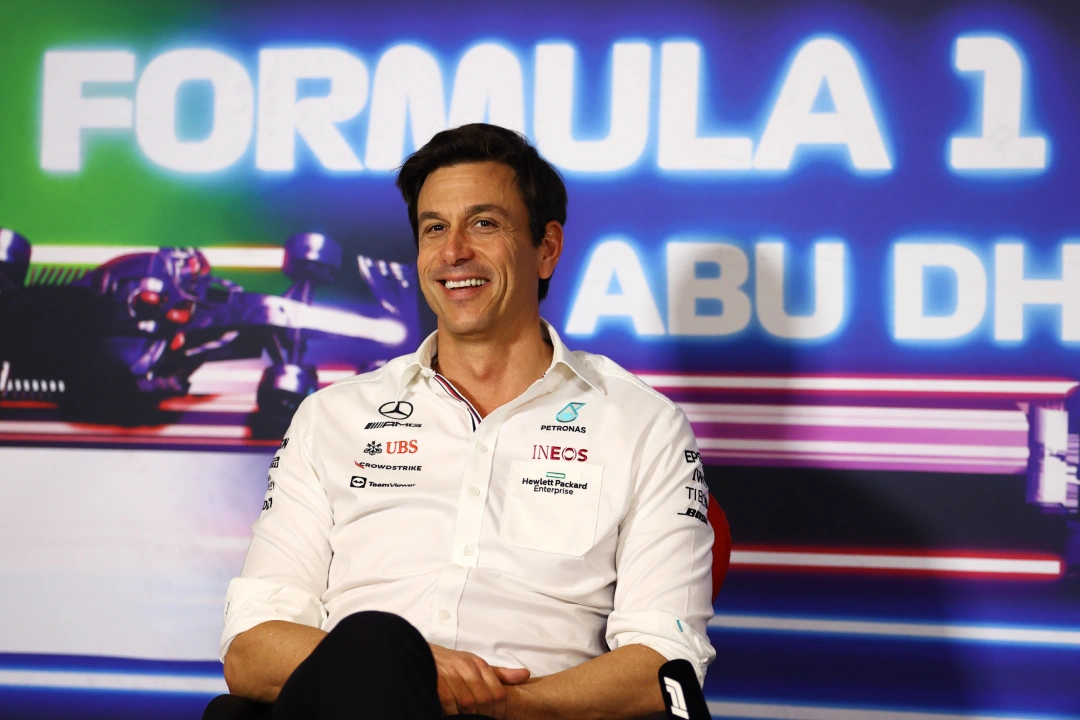
Little by little, he did reach his goal, and was able to start racing competitively. Wolff took part in the Austrian Formula Ford Championship from 1992 to 1994, while concurrently studying at the Vienna University of Economics and Business. Unfortunately, his career was fairly short-lived. A combination of his own lackluster results and sponsors pulling out due to the dangers of the sport led to Wolff stepping away from his racing seat in the mid- 1990s.
And from there, he pivoted.
Changing gears: from the classroom to the real world
Tired of relying on sponsors and others for financial support, Wolff decided to drop out of his university program around the same time that he stopped racing.
“I wanted to earn my own money, not be dependent on anybody anymore,” he said in an interview with The Race. “And then my business life started.”
His first major step towards his massive success in business came in the form of an internship at an investment bank. It wasn’t glorious work (Wolff himself described it as “terrible” and “boring” to LinkedIn CEO, Ryan Roslansky on Roslansky’s show, The Path), but it helped give him some of his first real-world experiences with investment banking.
From there began a strategic journey through numerous positions at various companies, each of which helped him pick up a vital skill he would later use to rise to where he is today. Whether it was learning how large-scale production works at a steel manufacturing plant, how to keep a dying business afloat by buying out a paper manufacturer through his own consulting start-up, or investing in tech at the height of the .com era, he steadily built up the leadership skills and business acumen of a top tier venture capitalist.
Returning to motorsports, as an investor
Around 2007, in his mid-30s, Wolff bought stake in HWA AG, a company responsible for providing Mercedes-Benz with Formula 3 engines, with the goal of expanding it even further. His success with HWA caught the attention of none other than Sir Frank Williams himself, who reached out to Wolff to join Williams Grand Prix Engineering Limited as an investor in 2009, bringing him officially back into the world of racing, and into F1 for the first time.
And with Wolff as the Executive Director of the team, Williams F1 saw an incredible improvement in not just their finances, but in their performances on track over the next few years. The highlight of this era was a first place finish by Pastor Maldonado at the 2012 Spanish Grand Prix, which remains their latest win to date.
Yet while this was great for Williams, being outperformed by a customer team was not something that the Mercedes F1 team was willing to swallow so easily. So they turned to the one person who they thought would have the answer to this conundrum: Wolff himself.
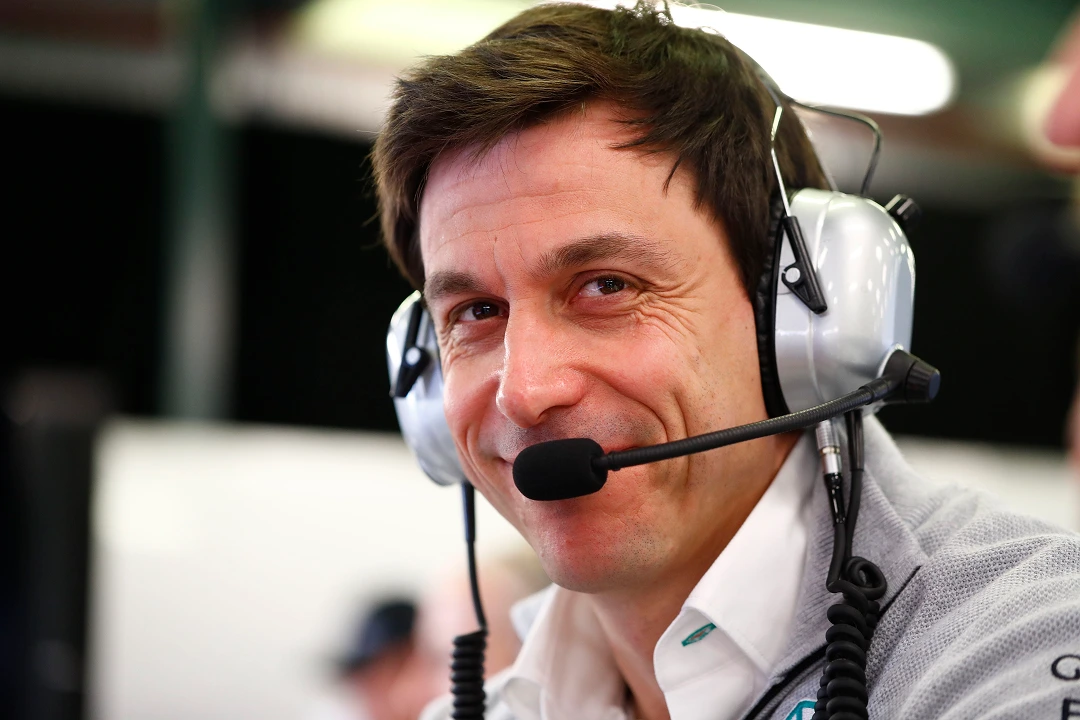
Mercedes asked Wolff for an assessment of where their struggles were, and why they, as a constructor, were failing to make the same gains as Williams. What’s more, they wanted him to join Mercedes and be directly involved in solving the issues he identified.
But Wolff had his reservations. Holding a stake in Williams made him hesitate to jump on -board with helping a competitor, even if it was one with close ties to the team he was already working with.
This did little to deter Mercedes, however, who offered Wolff a stake in their own team. And thus came one of the most powerful moves of his career.
In 2013, Wolff purchased 30% of the Mercedes F1 team for roughly $30 million, and eventually became an equal owner, with him, the parent company Daimler AG and the chemical company INEOS each owning 33%. (Note: Wolff recently sold 15% of his shares, equalling roughly 5% of the company, to CrowdStrike founder, George Kurtz, for approximately $300 million.)
Re-building Mercedes into a world class team
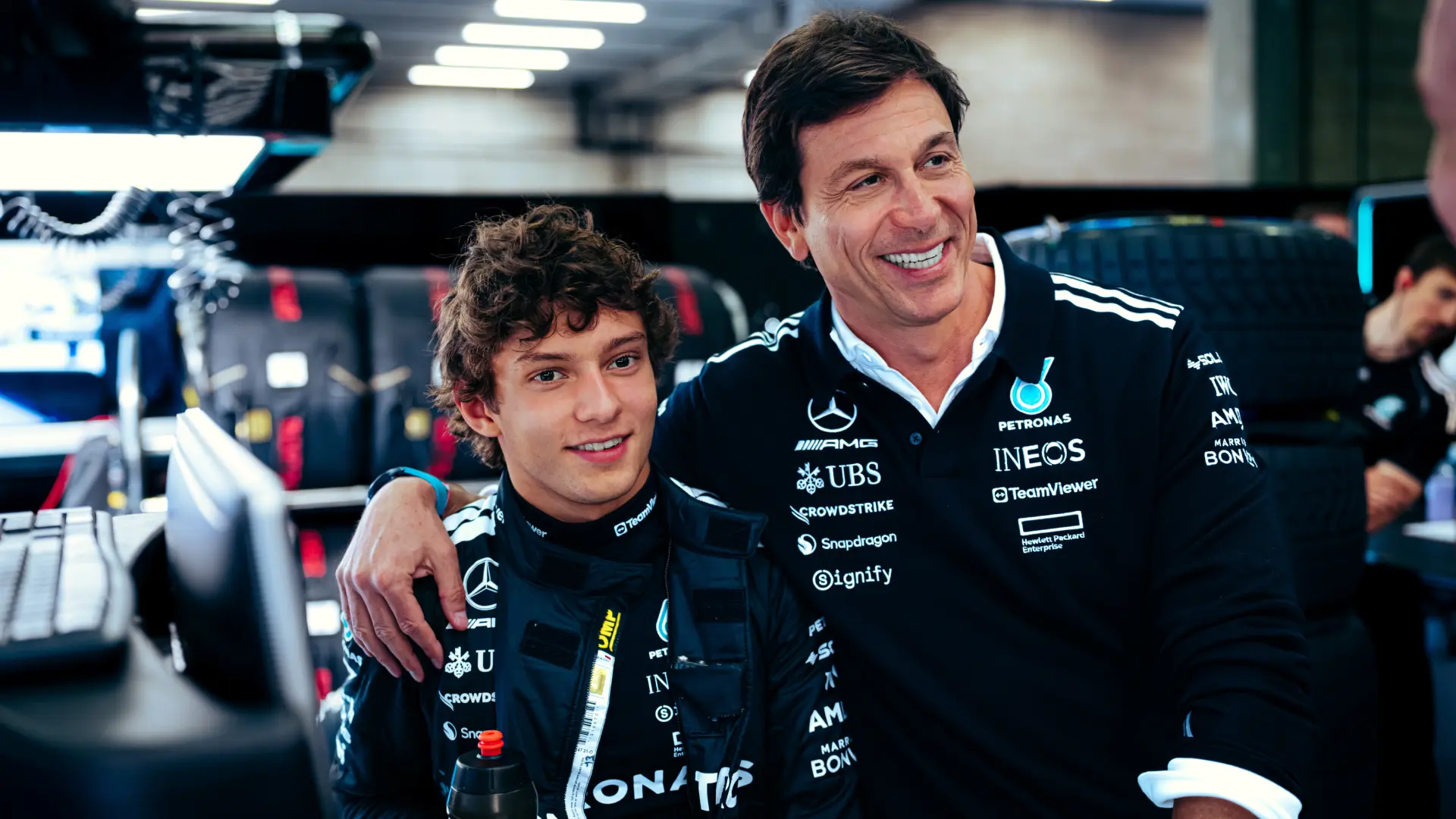
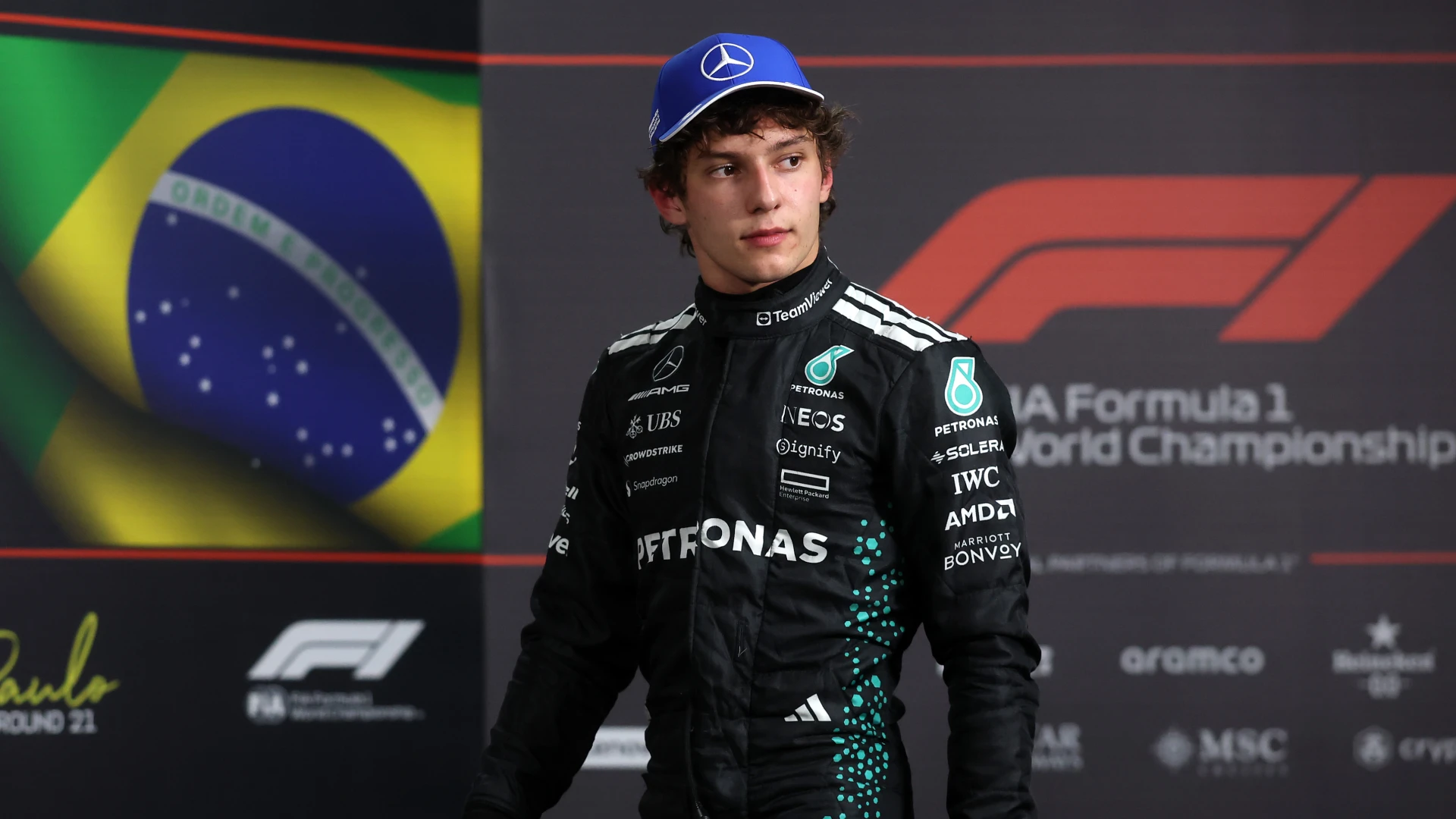
From there began a massive shift in the team. Wolff tackled every aspect of the company, from its culture to its goals. He pushed for marketing and partnership with fashion brands (think Tommy Hilfiger), and golf tournaments (The Masters and The Open). He set up a driver development program to hone young talent, eventually giving us the likes of George Russell and Kimi Antonelli. And he ensured that the team and its facilities looked and felt like a first class institution: clean, pristine, and professional.
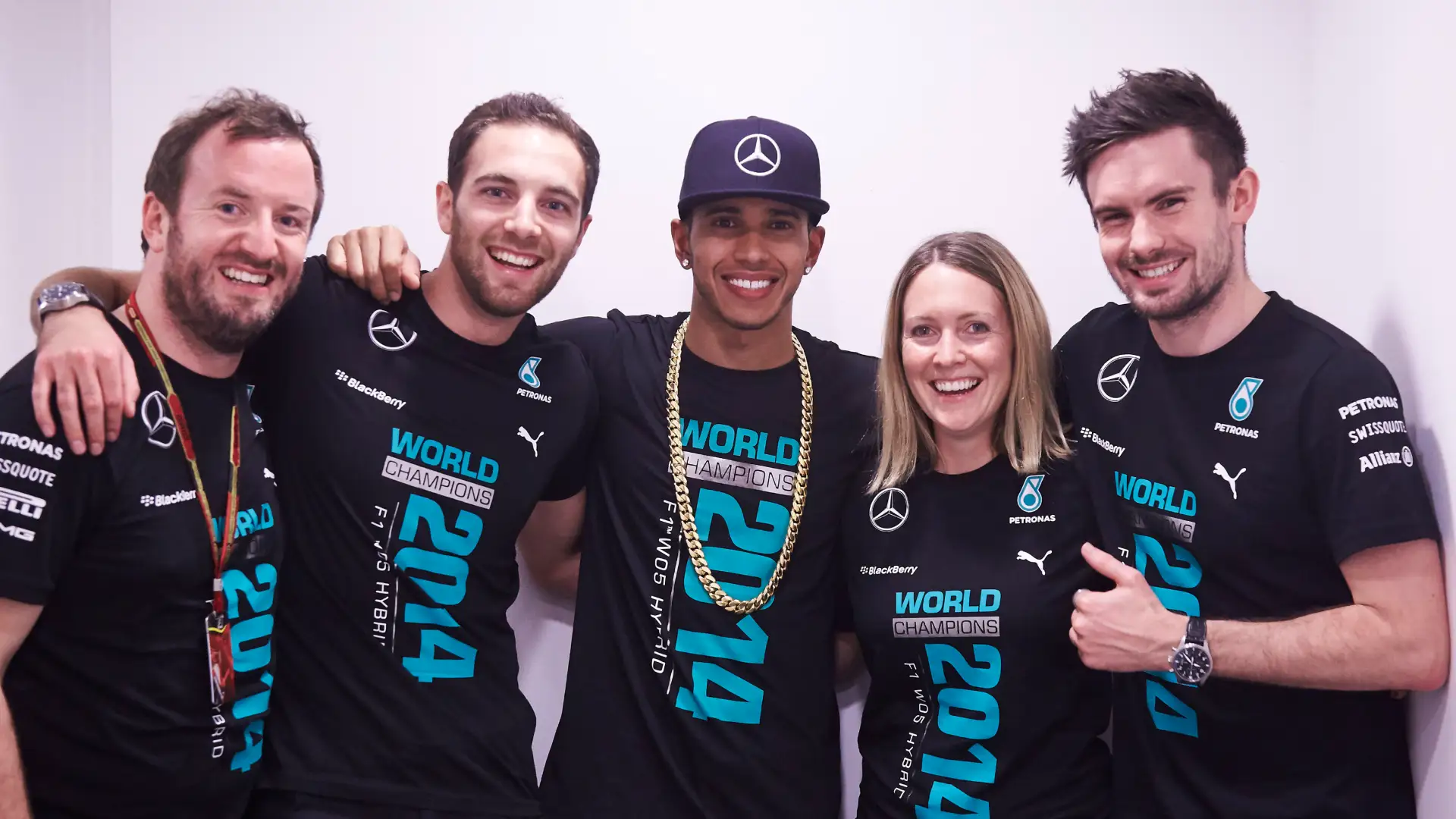
These were all changes that had a trickle-down effect, ultimately impacting the racing and making Mercedes into one of the most powerful teams in the history of F1. With Wolff at their helm, they won every single Constructors and Drivers Championship between the years of 2014 and 2020, and to this day they continue to be one of the most powerful teams on the grid. They’ve expanded from a team of 600 staff to over 1,000 today, and are valued at a whopping $6 billion.
For Wolff, this means that, thanks to his stake in the team as well as several other investments, he is now earning a yearly salary of roughly $20 million. And it is all thanks to the winding path that he took, picking up the know-how for everything from how to turn a struggling business into a success to how manufacturers are able to run massive productions quickly and efficiently.

How taking the long way around shaped Wolff’s perspective of success and talent
Speaking with Roslansky on The Path, Wolff recounted a conversation he had with the Mercedes Chief People Officer, Paul Mills, on the type of people the team was looking for. “We went through the skill set that was needed and what we were looking [for] as an organization,” Wolff recalled.
“And he said, ‘Well, we're looking at the top universities.’
“So, I said to him, what about someone that hasn't been great academically, been a student drop-out, set up various tiny businesses?
“And Paul said no chance. Wouldn't even go through the first round of applications.
“So I said, so that's me. I would have never qualified for a job here in Mercedes. And what does it say?”
It says that talent, resilience and lived experience don’t come from just a university degree. It says that looking beyond the conventional trajectory is sometimes needed to push forward and reach the heights of success. This is written in Wolff’s own story, in the way that his path took every imaginable twist and turn before returning to the world of racing that he so loved in his youth, and in the way that it took an unconventional figure like himself to turn Mercedes into the racing powerhouse it is today.
From a broke teenager to a billionaire, Wolff’s path was anything but straightforward. And that may be exactly why it’s the one that took him the furthest.
All images via Mercedes-Benz Media.




.webp)


















.webp)












.webp)


.png)
.png)