


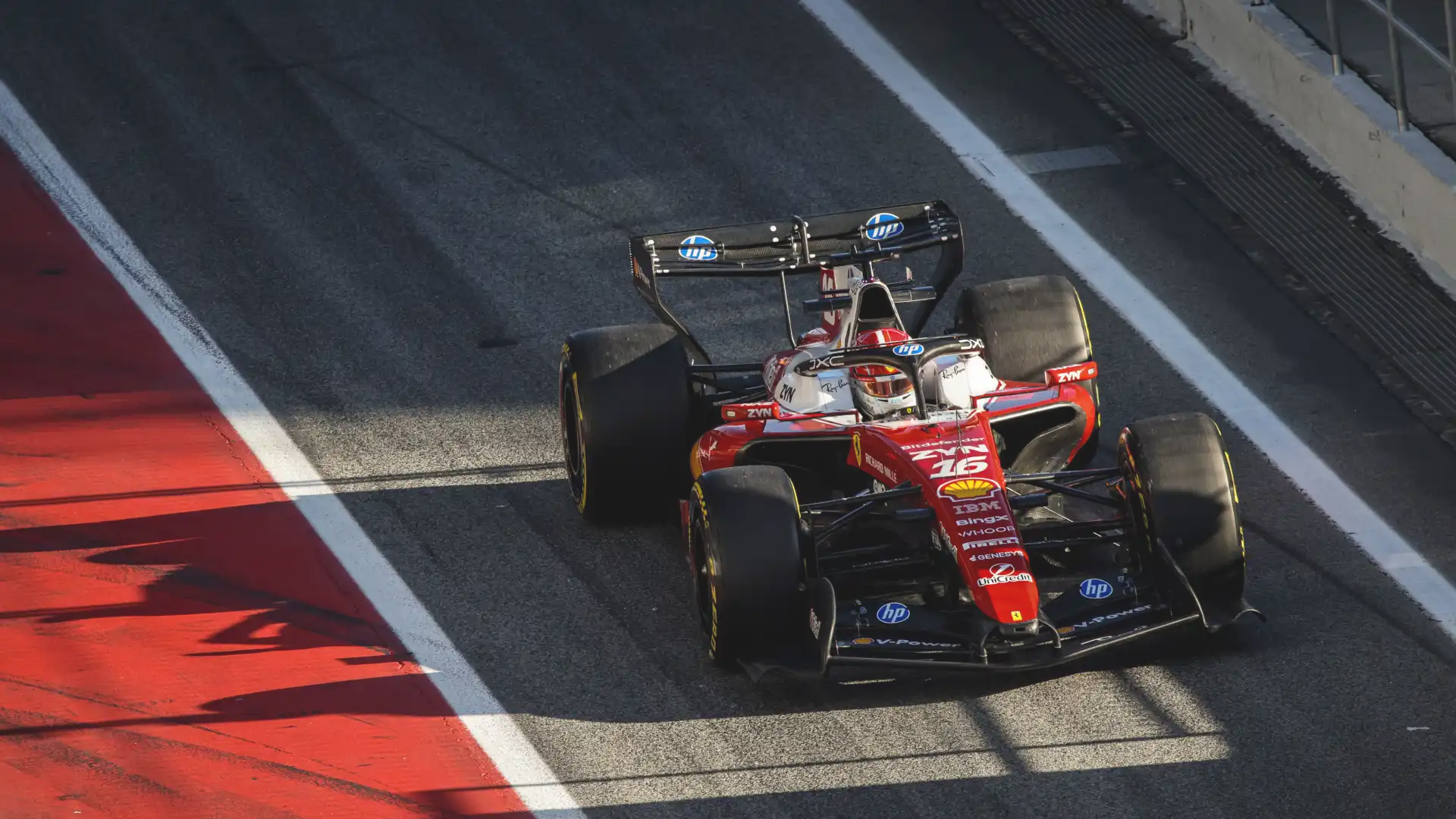


The 2026 Australian Grand Prix is still more than a month away, but Formula 1 cars are already back on track for their first run of tests. The Barcelona shakedown may be a private test, meaning no media access, but that doesn’t mean news of early team performance hasn’t trickled out.
With all five days finally in the books, here are three big things you may have missed from the teams’ first outing under a new set of regulations (with a little bonus at the end).


Williams: Missing in action
The team, as a whole, was missing.
Just three days before the testing session in Spain was set to take place, Williams put out a statement saying, “Williams F1 Team has taken the decision not to participate in next week’s shakedown test in Barcelona following delays in the FW48 programme as we continue to push for maximum car performance.”
It went further to say that they would instead be doing a Virtual Test Track program during the week of the shakedown as they prepare for public testing in Bahrain in February and the start of the season in Australia.
On what caused the delay, Team Principal, James Vowles, was upfront about the issue. "The car this year that we've built is about three times more complicated than anything we have put through our business beforehand," he said
“It means the amount of load going through our system is about three times what it used to be. And we started falling a little bit behind and late on parts.”
But Williams fans should not necessarily start worrying because of this. By opting out of the shakedown, Williams is making sure they give themselves the time they need to get the best car they can instead of rushing through production and testing a half-baked product. Whether the extra week of time will be enough to give them the performance they want, however, will be revealed at the start of the season.
Big lap numbers signal big reliability
The overhaul of regulations that F1 has gone through for 2026 has been repeatedly touted as the biggest change of its kind in the sport’s history. And with such a massive pivot, one thing on many people’s minds was what the reliability of the cars would be like at the start of this new era.
Yet those fears seem to be going down, as teams have been pumping out massive lap numbers during their outings. The new power units seem to be holding up quite well on long runs, particularly those of Red Bull and Racing Bulls, who debuted the Ford Powertrains, and Mercedes, who is rumored to have the strongest engine of the field.
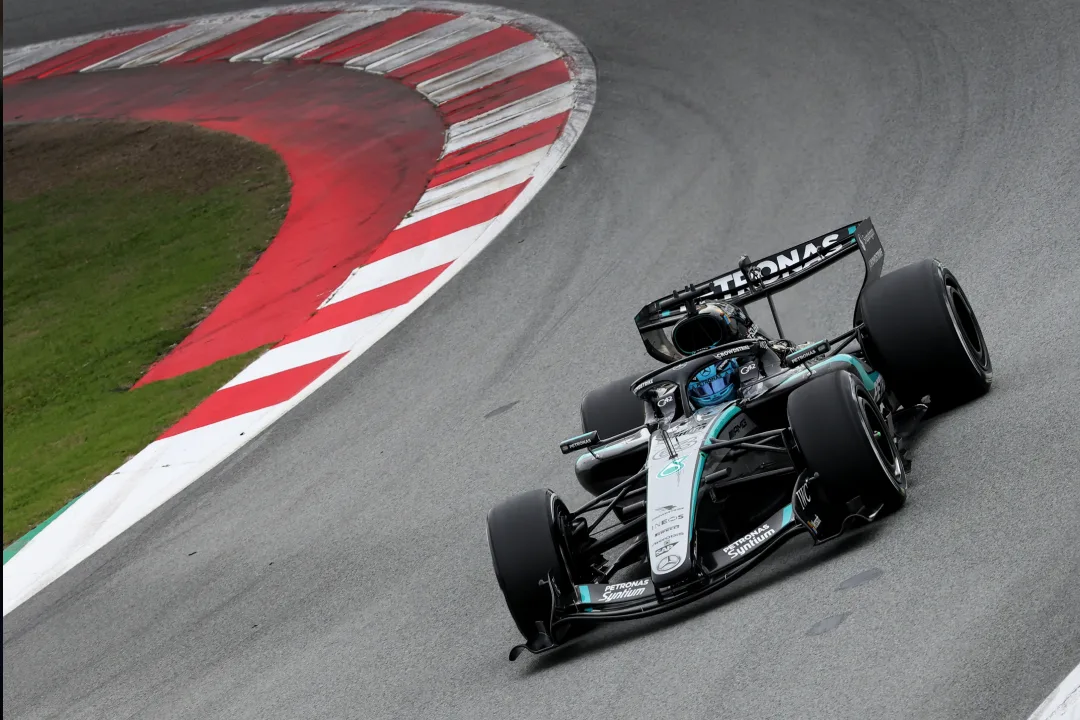
During the first day of testing, the Ford Powertrains got to run 107 laps from Isack Hadjar’s Red Bull, and 88 from Liam Lawson’s Racing Bull, putting them at a solid 195 turns around the Circuit de Barcelona-Catalunya. Just for reference, the Spanish Grand Prix is 66 laps around the same circuit, so Hadjar and Lawson together ran more than three race-lengths.
“It was pretty productive,” said Hadjar on his first run with the new power unit. “Surprisingly we managed to do a lot more laps than expected. Everything went quite smoothly. We only had minor issues, so it’s quite impressive considering this was our first day with our own engine.”
Meanwhile Mercedes continues to look like a front-runner, as they set the record for laps done by a single team. During the third day of the shakedown, Kimi Antonelli put down 91 laps, and George Russell ran 92, for a grand total of 182. All in all, that these power units are surviving this demand already is certainly a good sign for teams and for fans in terms of the quality of racing to expect.
Newey’s aggressive Aston Martin design
Aston Martin has been turning heads since they hit the track with a car sporting design decisions unique from everyone else. This is, perhaps, of little surprise, as they are led by engineer extraordinaire Adrian Newey, who is stepping into the role of team principal for the first time this year.
Specifically, the car has extremely thin side pods that look ready to funnel air down and out. This could be a means of generating more downforce, giving them an edge when cornering.
The suspension, too, looks quite different from what we have seen on the other cars so far, with many pointing out the distance between the upper and lower wishbones. The extra space between the components is thought to allow more air to cleanly pass through, providing an aerodynamic advantage.
Yet how these extreme design decisions will play out remains to be seen, as the team had a delayed start to their testing in Barcelona. They arrived late on Wednesday night and were only able to get five laps in on Thursday before their session was cut short when Lance Stroll caused a red flag. Friday was a bit smoother, with Fernando Alonso managing a solid race simulation of 49 laps during the first half of the day.
Bonus: Only Red Bull and Ferrari preview wet conditions
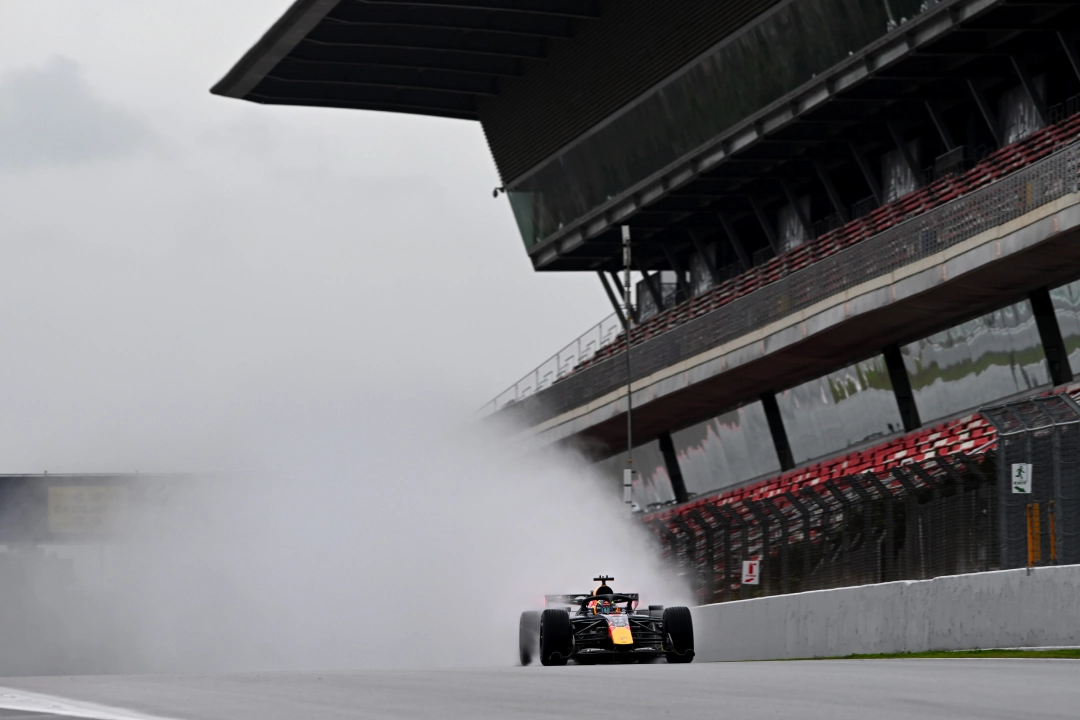
Day two of testing was a particularly rainy one, with most teams opting to sit the session out. The only ones to hit the track were Red Bull and Ferrari, who both chose to give their drivers a run in the wet conditions.
Max Verstappen and Charles Leclerc went out first, while Hadjar and Lewis Hamilton drove later in the day when the rain picked up. The effects of the weather were evident in their lap times, with both Hadjar and Hamilton running about 12 seconds slower than their teammates.
Yet while rain is certainly not the ideal condition to be running in, there are benefits to getting this experience early during testing. It gave both Red Bull and Ferrari some real-world data about how their brand new engines behave in the wet. This could become particularly useful information when it comes to how the extra time spent braking on a slippery track can affect energy recovery, as Anthony Davidson pointed out on the Sky Sports coverage of the shakedown with Ted Kravitz.
It also gave the drivers some preliminary experience on how their cars handle in the wet. This is particularly useful for the likes of Hadjar, who is making his Red Bull debut this year. And while all the drivers of the grid will eventually amass a roughly equal amount of time in tricky conditions such as these, any early advantages a team can get (like some extra time in the rain) will help them hit the ground running once the season starts.
Cover image via Ferrari Media Centre
.webp)




.webp)
.png)
.png)