





What makes Formula 1 unique is its reach. It is a sport that spans continents and cultures, reaching a worldwide audience in a way few others can match. That global footprint is part of its identity — and part of its appeal.
But it also means Formula 1 is never operating in a vacuum.
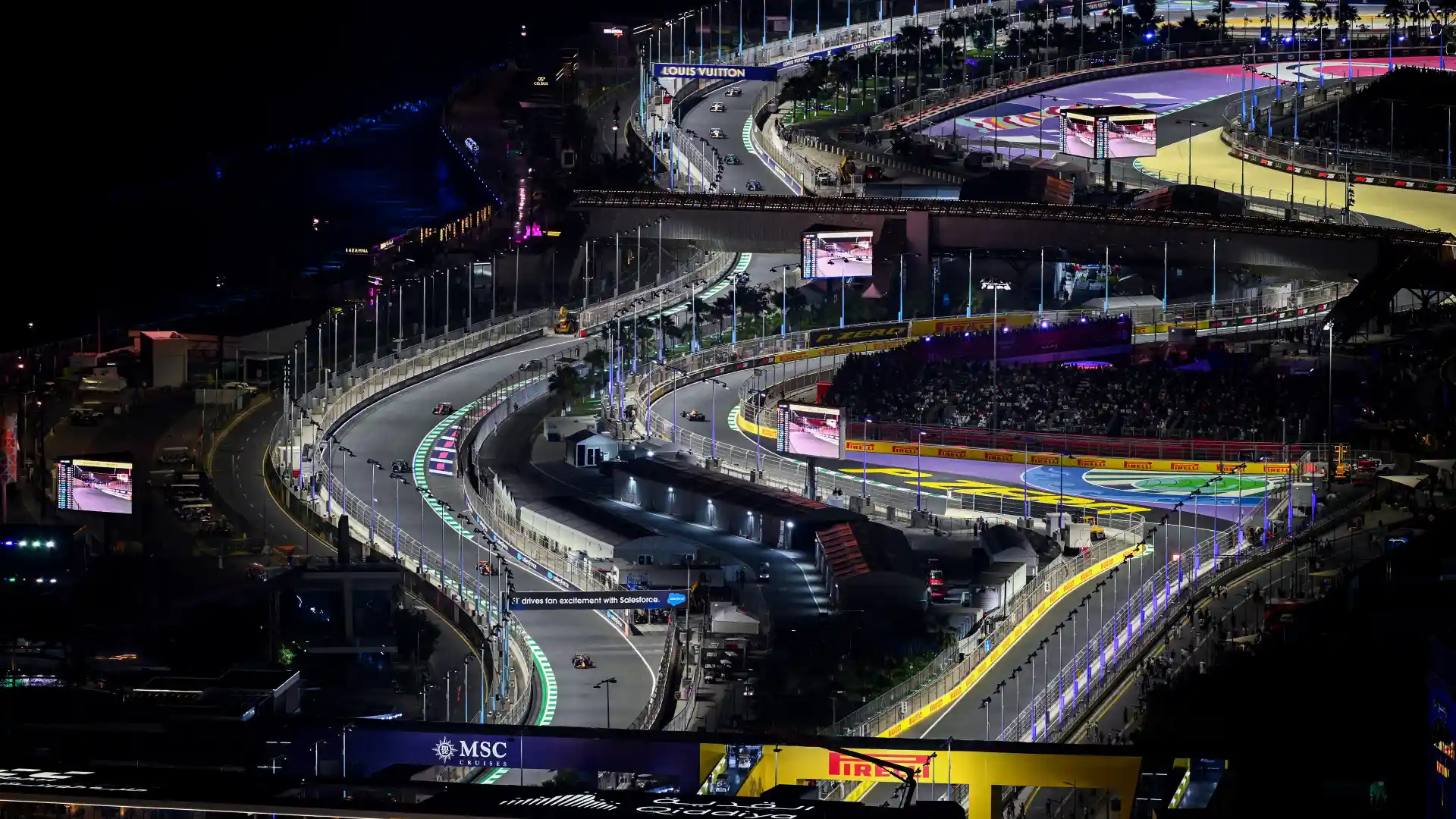
When global events shift, the sport shifts with them. The recent cancellations in Bahrain and Saudi Arabia are a reminder of that reality. Two races off the calendar means two fewer weekends to score F1 Fantasy points and build budgets, forcing new decisions upon players. And with rumblings of reschedulings, as well as the continued risk of further cancellations, it’s important to assess what all of this means for the sport and especially for F1 Fantasy players like you and I who monitor every practice lap, every car upgrade, and every other opportunity for data to feed our decisions.
Before anything else, it’s important to remember that all those race calendar decisions are about safety. Teams, drivers, staff, and fans come first. That has to be stated, because none of the talk that follows matters if everyone isn’t racing safely.


A moving finish line
With Bahrain and Saudi Arabia canceled, the 2026 schedule currently is down to 22 races from its record 24. That matters because technically, there is room to add.
There is already discussion about moving the finale in Abu Dhabi to create space for Saudi Arabia to return to the calendar. If another race is added back into that same window, the final weeks of the season could become compressed with less margin for error.
For teams, that’s a logistical challenge. For drivers, it’s a physical and mental grind. For F1 Fantasy players, it’s where things get complicated. It’s one more weekend for high-budget teams to score points late in the season.
The other nightmare scenario to consider is not Saudi Arabia returning, but potentially more cancellations with Abu Dhabi and Qatar if there are still safety concerns in the region.
Again, “nightmare” is not the racings being canceled. This is a sport, and we are talking about fantasy games. Any decisions that are tied to safety are necessary. The nightmare, strictly in a game sense, is the uncertainty that comes with it. Losing two more races late in the season means fewer races to score points with meta teams and could alter chip strategy and impact.
The best F1 Fantasy players succeed because they plan. Managers have their chip usage mapped out, they know when to target budget or points, and change drivers with plans for future lineups multiple races in advance. They do most of this early in the season and expect to reap rewards in the final portion of the year.
Now we are talking about variables, like a race being added late and more races being canceled.
That planning window starts to shrink.
When do fantasy players make the move from budget building to meta teams? For those saving chips like Limitless or 3X Boost, is it smarter to deploy those sooner in the season?
The rumor about Saudi Arabia is interesting, but is it actually possible? From a regulatory standpoint, there is room to maneuver.
The championship is defined by a total number of races rather than fixed dates, and the calendar itself can be updated. Events obviously can be postponed, rescheduled, or even reintroduced, provided they fall within the allowed structure of the season.
There is also flexibility in how operational windows adjust around any new schedule. Those elements are designed to move with the calendar, not restrict it.
But there is one date that matters. The season has to be decided before the official FIA prize-giving ceremony.
The ceremony is currently scheduled for the middle December, and it is the formal conclusion of the Formula 1 season. The winners are expected, more accurately required, to attend, and the titles must be settled at that point.
If the calendar is pushed too far — for example, if the finale is moved beyond that date — it creates a direct conflict. The championship cannot conclude after the trophies are handed out.
Could the ceremony be moved? Yes, maybe. In practice, it is tied to a broader week of FIA meetings and events that extend beyond Formula 1. Adjusting it would require coordination across multiple championships and governing bodies. It’s complicated.
What does this mean when thinking of the final stretch?
The biggest question isn’t whether changes can happen. It’s when and how clearly they are communicated.
Given the global environment, whatever decisions are made will most likely come at the last minute. As we sit in April, planning for November or December seems like a waste of time.
For F1 Fantasy purposes, that uncertainty shifts managers' decisions:
- Flexibility becomes more valuable than long-term planning
- Saving chips for the final stretch carries more risk
- Assuming the worst, making moves early, may pay off or leave you short
The game is always about optimizing your plan, but the best are great at reacting in real time. Each player will have to make their own choices.
A team that has been fairly active with chips already probably continues that aggression and gets out of budget-building and into a meta lineup as soon as possible. Teams that have been more patient and have that budget-building advantage should continue to do so, looking for the right time to strike with chips. Limitless users in China already have a huge advantage, so anyone holding on to that chip can afford to be patient until the best chance to minimize the damage arises.
The balance between sport and reality
This is the tension that comes with a global sport.
Formula 1’s ability to move around the world is what makes it compelling. It brings different circuits, different conditions, and different fan bases into a single championship. Every race is more than a race. It’s an event with unique pageantry and traditions.
But it also means the sport is connected to everything happening beyond the track.
As the 2026 season moves toward its conclusion, that connection is impossible to ignore. The calendar may shift again. Races may return, move, or disappear entirely.
And while that creates a fascinating and chaotic scenario for teams and fantasy players, the priority remains unchanged.
Safety comes first. Everything else, including how the championship is decided and how fantasy leagues are won, follows after that. We can have these conversations, but context matters.
With uncertainty, lean into what is working
So, what should you do with this possible shakeup at the end of the schedule? More than likely, stay your course. If you have budget building early in the season then follow through on your original plan, otherwise you’re wasting your initial strategy. If you’ve been aggressive to start the year, and it’s been working, follow through.
We don’t know what the field will look like come fall and winter, but right now Mercedes and Ferrari are clearing the field. With possibly less races at the end of the year to catch up, you should want to get into the top two constructors with Kimi or George as soon as possible. If you can’t get into that lineup and don’t have the ideal budget building lineup, using wildcard to reset is a no brainer.
Either way, don’t panic. The potential chaos is worth keeping in the back of your mind, adding some urgency could help, but there’s no need to make a drastic move. Especially if what you have done already has you in a strong position. That position can only get stronger.
Cover photo courtesy of Getty Images / Red Bull Content Pool.
%20(1).jpg)


.jpg)
.jpg)
.png)
.png)