

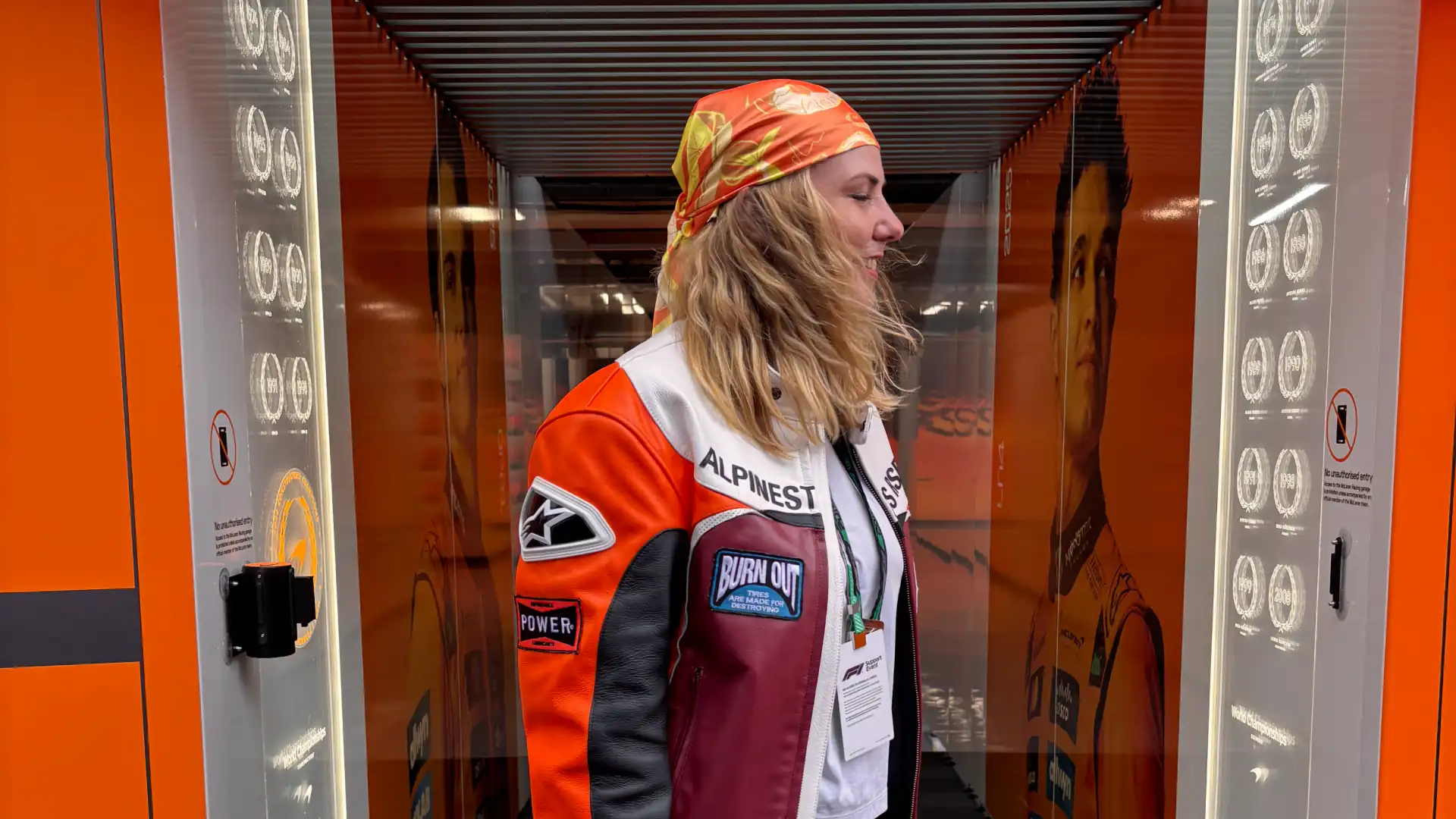


Who would have thought a photoshoot with Laura Winter would start of a fashion-forward motorsport publication?
From rediscovering her love of racing after binging Drive to Survive, to filling a gap in the Formula 1 market, Esme Buxton’s journey proves that there is always room for a new perspective. After an enlightening conversation with F1's Laura Winter, Buxton was inspired to bridge the gap between fashion and racing. Buxton opens up about the reality of building a self-funded startup, and why staying humble and setting firm boundaries is the secret to surviving this fast-paced industry. In only a year, The Paddock Journal has excelled in the elite world of F1 and they’re only just getting started!
Position: Paddock Journal Founder & Head of Creative
Day to day: I build and manage relationships and partnerships while reaching out to brands to continue the growth of The Paddock Journal and working towards our second edition!


Esme’s start in motorsports
What was the first moment that you discovered racing?
I discovered racing in three ways. I first discovered it when I was younger and F1 was being shown on Channel 4 in the UK. And my dad would put it on on Sundays and would watch it, and that was the Michael Schumacher era, Jenson Button era, and we would watch it. But I don't remember falling in love with it at that point, I just knew it was there. And then there was a time when I was listening to Radio 1 as I was getting ready for school one morning, and they were talking about Lewis Hamilton and something to do with the strategy around his race at the time. It wasn't a good strategy. I remember listening to it thinking, ‘actually, that's really interesting. I can't believe I haven't heard about this before. I'm actually enthralled and interested in what is going on in this sport.’ And then more time passed, and it was my grandma's 90th birthday and there was a bit of a lull between celebrations, and my cousins and I put on Drive to Survive for something to watch. And then I was completely hooked because I got the strategy part from earlier in life, and now the storytelling, and the drama, and the narrative around it. I was like, okay, I think this is my sport. I can't imagine anything else.
When did you decide that the racing industry was where you wanted to build your career?
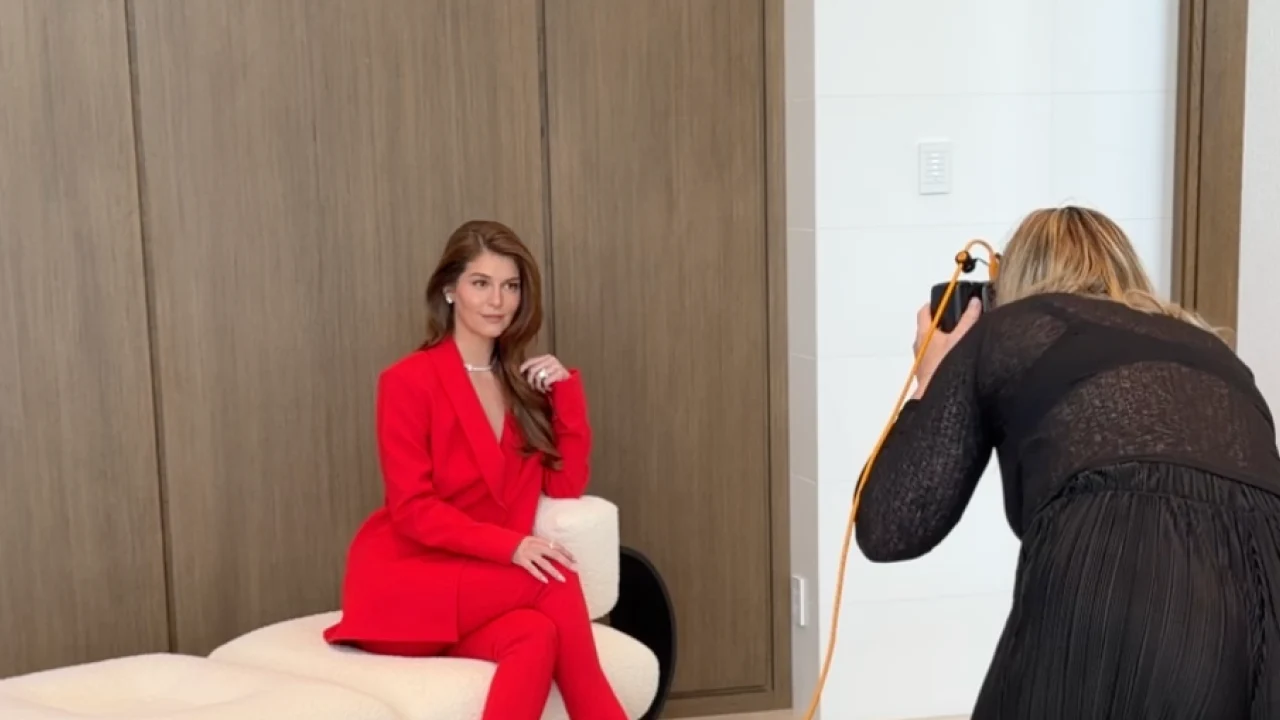
It was when I started working with people in motorsport. I know Laura Winter, the F1 TV presenter, and we did a headshot session together, which was fantastic. She's just one of the nicest people in the world. And being a fashion photographer, I wanted to shoot an editorial with her, and commission a larger publication to publish the images. We were looking at the Sunday Times, the Guardian, that kind of avenue. And no one was that interested in what she had to say or what was going on in that world. And I found that really fascinating because to me, it's so exciting; there's so much to say, there's so much going on. And so that was kind of the turning point for me like, do you know what?
There is a real sweet spot here, where fashion and editorial photography—and that kind of storytelling—should be in motorsport. So why is no one talking about it? Why are there no publications making that connection? And that was the moment that I thought, well, maybe with my background, I'm the person to do it.
What was the first step that you took to launching this idea and making it a real thing?
I approached some friends who work in publishing and marketing, and came to them with the idea and they all agreed that actually it's fantastic and needed, because we noticed that soccer or football, basketball, NFL—they've all got similar places to talk about that cultural aspect of the sport. And the fact that F1 didn't, when I was looking, was really baffling. We were all like, hang on, there can't be this hole in the market. It's ridiculous. So, what I did then was think, okay, you know, I understand photography, how to make a magazine, marketing, so why don't I create a digital presence to start with? I looked at Substack and Instagram. I just did it. I had a bit of a plan of how I wanted it all to look—I wanted to bring that fashion esthetic to the motorsport space, and gave it a go to see what happened. And honestly, I couldn't imagine where we'd be now.
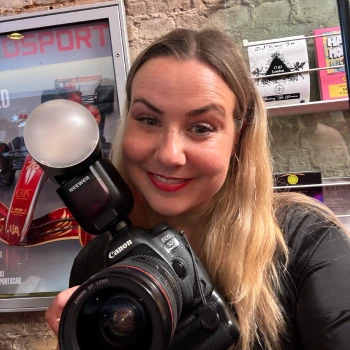
My advice to people that feel similarly and want to just do it is, yeah, just do it! As simple as that sounds. But always think about what you're bringing to the table; for example, if I wanted to be an engineer, I can't just do it like I don’t know any of that background. So, work within what you know, and you'll fly.
Esme’s current role
What does a standard day in your life look like?
We're still in the building stage of The Paddock Journal, we're a startup. We're all self-funded, so we don't have any investors or anything at the moment. We're talking with a lot of partnerships, a lot of brands, getting our name out there. We have quite a few events coming up this year that we're focusing on. We're just building those relationships, that's what we're doing at the moment. Just a lot of meetings.
Logan: How would you summarize your current role?
My role splits into a few parts. I'm part manager. I have a team of people now that I manage and look after, which is the first time in my life, so, it's a big step up. But I think it's going well. I'm also part relationships and community manager as well. I've got the relationships that I'm building within the industry, but then also the relationships we're nurturing online as well with our community. So, looking after that. And then, coming to the table with ideas and the creativity of it all, and I'm still a photographer, I still take the majority of the images.
What was the biggest hurdle for getting this off the ground?
I think the biggest thing was feeling like there wasn't space for me or that I'm coming into a sport that is 75, 76 years old. It's very established. And there's players that have been in that arena since the beginning, some of them. And so, it's coming in as a new voice, feeling like I don't know enough or I'm going to get things wrong, that sort of imposter syndrome side of it. I'm just a girl from the UK, what do I know about this billion-dollar sport? But I think I quickly learned that that's just complete rubbish. There is literally space for everybody here. And what you don't know, you can learn. And what you do know, someone else doesn't know. So, you're always bringing something to the table. So, that feeling didn't last long, thankfully. And also realizing that everybody that works in this industry is doing it because they bloody love it. No one's doing this because they have to. So, if you're coming with passion, ideas and enthusiasm, then everyone's going to love that as well.
What would you say are the most rewarding and the most challenging parts of your job?
Challenging
I think the most challenging thing is trying to move things along. We're having lots of amazing conversations, but it's like getting things to the next step. Everyone's so busy, it's such a fast-paced sport. So, it's just trying to keep it ticking along.
Rewarding
But the most rewarding thing is seeing how people are receiving us. And we're creating the content that we want to create. And seeing that as an entire community of men and women of different ages that have approached the sport from different places, they all love what we're doing. That's incredibly rewarding. I've been very lucky in this first year, our hate comments have been pretty low.
What are the top three qualities that have helped you succeed in your role?
Being kind
The top three qualities are being a kind person and not dismissing anybody. I think when you're starting something new and a lot of people think what you're doing is amazing, it can get to your head and you can think, oh, well, I'm better than so-and-so or, I'm better than you, but it's realizing that you're not, stay humble, kind. Everyone has something to offer and to always take the meeting.
Set boundaries
But also, to have really good boundaries as well and not let people take advantage of you. It's quite easy for you to get swept away in the hype of it all because everyone's going to want a piece of what you're doing.
Value your time
So, be boundaried as well, and look after your time; really important, time is your best asset. So, be strategic in how you spend it.
Esme’s advice
If you could go back and give advice to your younger self, what would it be and why?
I think it would be to not lose that magic. I think when we're younger, we all have a bit of magic in us and we all feel like the world is open to possibilities and we can achieve anything. I felt I got quite jaded as I got older, and had poor relationships, and got my confidence knocked. And it's not since I started The Paddock Journal that I've had that confidence come back and thought, you know what? What I'm doing now is where I should be in life and I'm doing the right things. And so just try not to let the world jade you too much. You know, there's a lot of goodness in this world and you can be part of it, just be confident.
Logan: Sometimes it's easy to get caught up in all of it. And there's tons of race weekends when it's exhausting and you're like, why am I even here? And then you have to think, okay, I remember being a fan on the other side of the fence and wishing I could do anything to get there. So, it's changing your perspective.
Exactly. And especially with F1 or anything you do, there will be other people doing the same thing that you do, right? They will never do it the way that you're doing it because they lack your perspective. So don't look at the space and think, oh, there's no room for me because if you want to do a fashion and lifestyle publication, oh, there's loads already, but there's no one doing it the way you want to do it. So, just do it, man!
What advice would you give to someone looking to be in your position?
Go do it! Don't be afraid. But also, don't be afraid to ask for advice. Something that I've heard recently on a podcast is if you want to start something, reach out to the people that are doing it and ask them for their advice, but don't ask for a meeting. Don't ask to get coffee. Send them a message on LinkedIn and just ask them the question there. And then you'll get a response. You won't get a response if you say, ‘oh, I'd love to pick your brains. Can we get a coffee going or something?’ Because they've got no time. Don't be afraid to ask questions. Don't be afraid to not know things. And learn as you go. Like no one's going to think you're a loser if you don't know the answer, but you're asking the questions, you can learn as you go.
My advice to people that feel similarly and want to just do it is, yeah, just do it! As simple as that sounds. But always think about what you're bringing to the table; for example, if I wanted to be an engineer, I can't just do it like I don’t know any of that background. So, work within what you know, and you'll fly.
People in motorsport are busy people. There's a lot going on, there's 24, 22 races that they're attending, plus everything else around it. So, be kind and ask the questions, but don't be disheartened if you don't get a response either because it's not personal.
Esme’s career highlights
What has been your most memorable moment since starting The Paddock Journal?
It's been like honestly the craziest year of my life. Getting to go to the Dutch Grand Prix with Alpinestars Reserve. That was unbelievable. It was my first time in the paddock and I'll never forget that. Getting to hang out with the team and learn about how they operate has been really amazing. And then getting to go to Miami to photograph Cassidy Towriss and learn about what they're doing with Cadillac. That was unbelievable. I got to photograph the Autosport Awards at the beginning of this year. I met Lando Norris and Isack Hadjar, all these people that I never in my life thought I would be in the room with. Now they're my peers. So, things like that have been unbelievable.
Do you have someone in mind that would be a dream to do a feature on or someone you'd love to photograph?
Gosh. Yeah, that's a very long list. Top three would be Susie Wolff, would love to talk with her, that would be incredible to shoot her. Daniel Ricciardo. I would like to talk to Daniel and talk to him more about his fashion side of everything, Enchanté and what he's doing over there, that'll be really amazing. And then Lewis [Hamilton]. Lewis is the number one, could you imagine? We could talk about fashion and culture, everything. It would be the best. And get some really good photos of him.
Do you have a dream race that you'd want to go to?
My dream race was Monaco and I went last year, but I think I'd like to go to Monaco with a paddock pass. That would be my dream. Go do it properly. Have a yacht, do the whole thing.
Logan: That’s like a motorsport right-of-passage, wanting to do Monaco the ‘right way’.
Exactly yes! And also, I'd love to do Abu Dhabi and see the season finish, and see whoever wins the world championship and do it that way.
Do you want to tease anything that The Paddock Journal has coming up?
We're heading to the Miami Grand Prix, which is really exciting. We've also got a couple of really exciting things at the Monaco and Silverstone Grands Prix this year as well. We're putting on an atelier, which is going to be a fashion showroom and concierge service so people can actually shop the brands that they see online, which is really exciting. We've got TPJ [The Paddock Journal] edition two coming out at the end of this year as well. Starting to work on that. So, lots going on.
Want to learn more about other professionals across motorsport series? Then check out all of our Fast Lane interviews, or jump right into one of these:
From sleeping in his car to leading Mercedes' F1 content and a 50-person agency with Ben Cowley
From Instagram posts to Formula 1 races with motorsport photographer Jonny Rogers

%20(1).jpg)

.webp)
.png)
.png)