




Formula 1 made nearly $3.9 billion in revenue in 2025. That is a massive amount of money that could easily buy you an NBA team like the Charlotte Hornets of the Detroit Pistons, according to Forbes. But have you ever wondered where exactly all of these dollars come from?
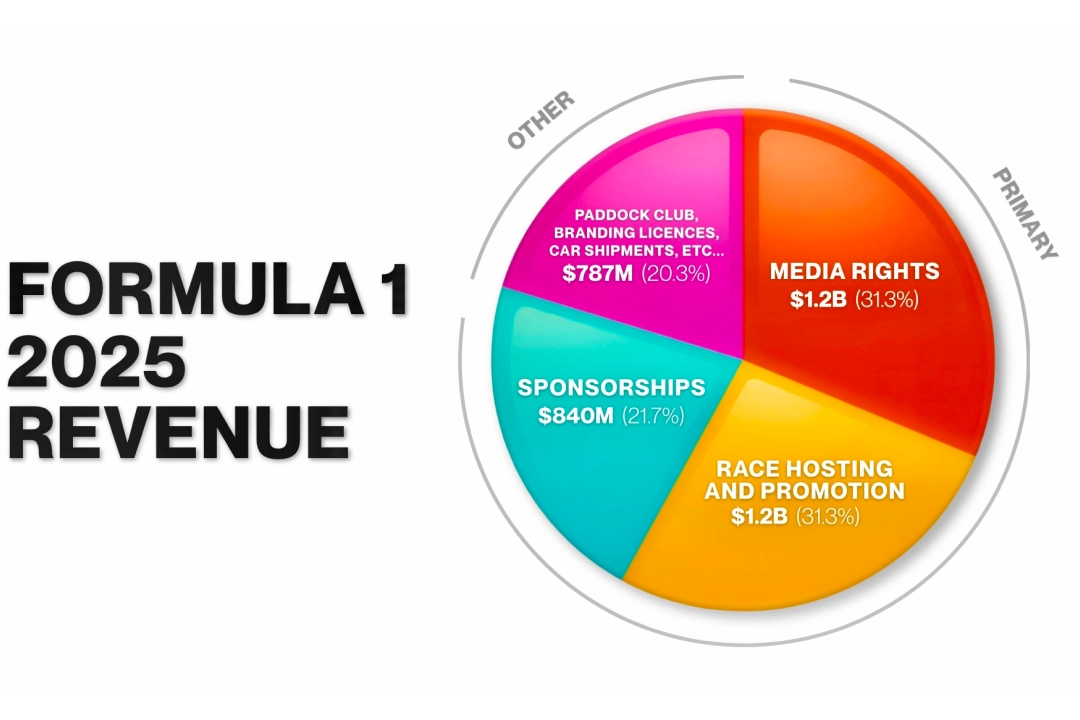
The quick answer to this question is that there are two main types of revenue for F1. Primary revenue is where the vast majority of F1’s income comes from and includes media rights, race hosting and promotion fees and sponsorships. In 2025 this alone accounted for almost $3.1 billion, or roughly 80% of that year’s earnings.
The remaining 20% comes from other revenue, such as support series, Paddock Club experiences, additional licensing and so on. In 2025, this translated to a solid $787 million.
We set out on a mission to fully understand how this all breaks down and how much of a part each of these streams plays in F1’s full financial picture. So buckle up, because in this article we’ll be giving you a thorough answer to the question: how does F1 make its billions?


Media rights are F1’s biggest revenue stream
By far the biggest single source of revenue for F1 comes from media rights. Think F1 TV subscriptions, fees from contracts with major sports broadcasters such as Apple and Sky, and so on. According to the financial reports for Liberty Media–F1’s parent company–in 2025, media rights accounted for a whopping 31.3% of F1’s total earnings. That’s $1.2 billion!
This is a slight jump up from 2024, in which media rights brought it $1.1 billion, attributable to several factors.
The first is the increase in broadcasting fees. According to Forbes, between 2023 and 2025, ESPN paid anywhere between $75 and $90 million annually for US broadcasting rights (though the exact numbers and if or how they’ve changed over that time remain unknown). Of note, F1 and Liberty Media were reportedly looking to increase these fees to the $150-180 million range from 2026 onward. As for its British audience, F1 recently announced a five-year extension to their contract with Sky Sports–originally scheduled to end in 2029–until 2034, with the deal costing roughly $272 million per year.
2025 also saw increased media rights revenue due to the continued rise in F1 TV subscriptions. In their mid-year review for the 2025 season, published in late August of that year, F1 reported that streaming subscriptions increased by 20% year-over-year in the US alone. That’s like if the F1 grid went from 20 drivers to 24 between seasons.
And lastly, with so many of us flocking to theaters last summer to catch Brad Pitt and Damon Idris behind the wheel for F1: The Movie, the media rights bucket saw a big one-time boost While it is unclear how much of its revenue was paid to Liberty Media, the film brought it $634 million worldwide, making it the ninth-highest grossing film of the year.
Race hosting and promotional fees are a key source of revenue
The second biggest source of primary revenue for F1 comes directly from the races themselves. In general, F1 races are run by independent promoters, which organize everything from marketing and ticket sales to the venue set-up and infrastructure (this is true for all F1 races except one, but we’ll get to that in a bit).
Each year, the promoters of participating grands prix pay millions of dollars to F1 for the right to host their race. The investment makes perfect sense from their perspective: each race draws hundreds of thousands of attendees from around the world who buy race tickets, merchandise, and more trackside. Of course, they ultimately help to maintain the local economy as well.
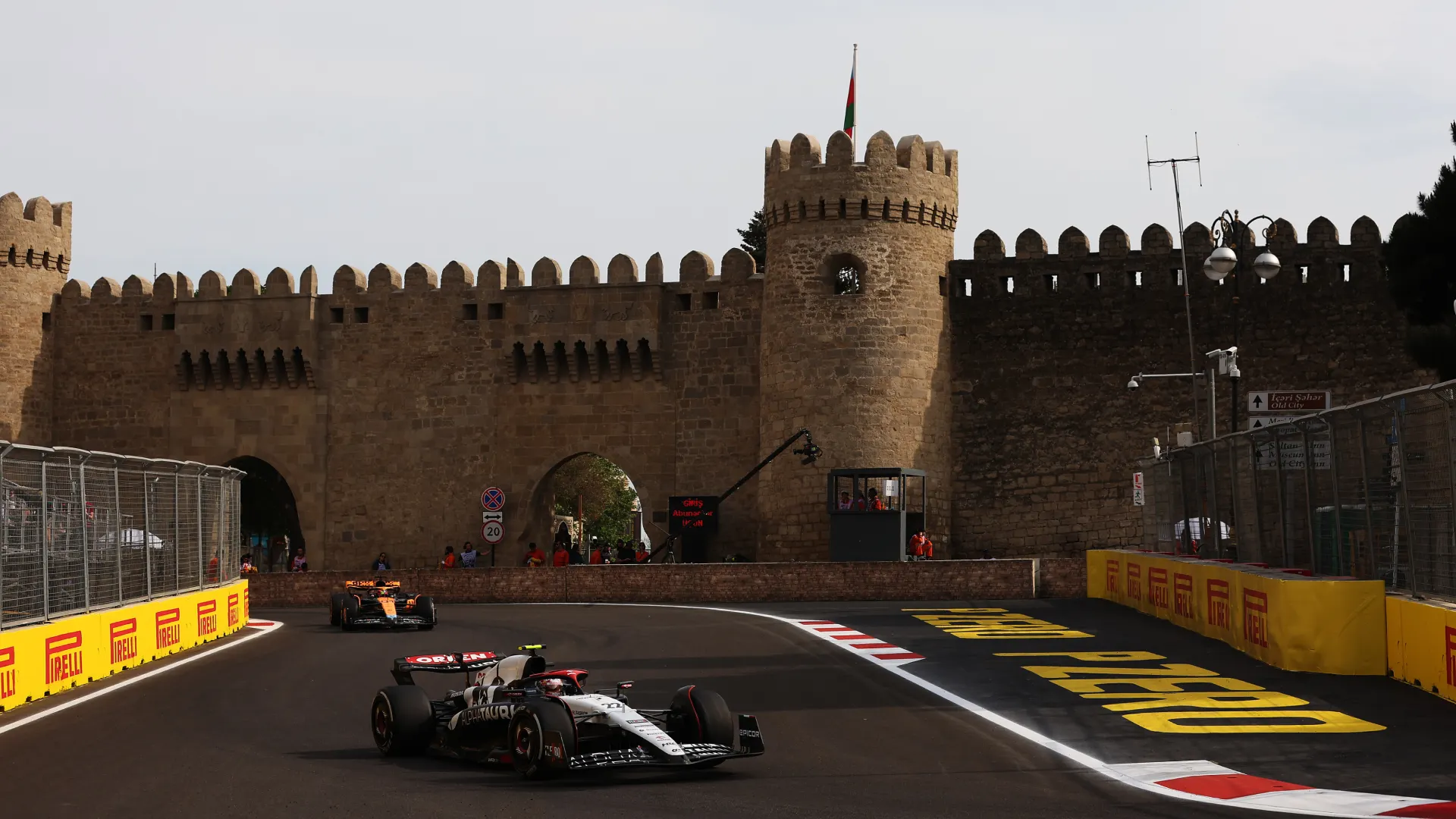
In 2025, the race hosting and promotion fees that each venue paid made up over one quarter (26.7% to be precise) of F1’s total revenue, or $1 billion. The hosting fees vary by race and their specific contract with Liberty Media. The Monaco Grand Prix, for example, pays about $20 million, while others like China, Saudi Arabia and Azerbaijan shell out an estimated $50 million or more each year.
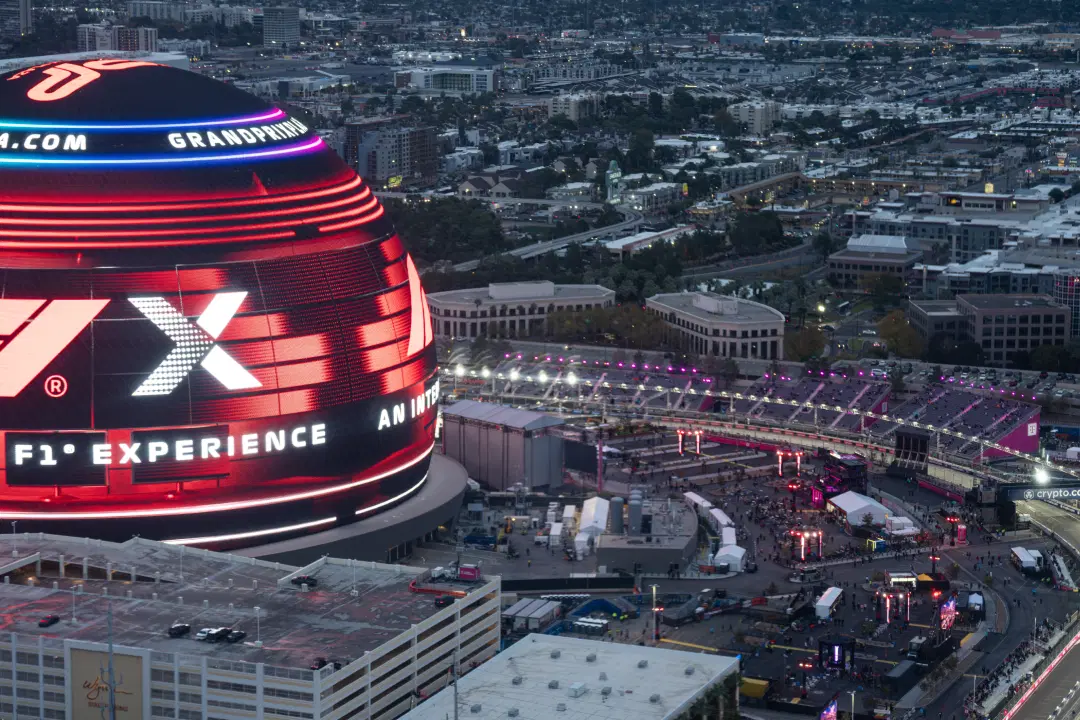
One race, however, stands out among the rest: the Las Vegas Grand Prix. Liberty Media themselves has been directly involved in the financing, hosting and promotion of this race since its addition to the F1 calendar, investing hundreds of millions of dollars into the project. They even went as far as buying 39 acres of land next to the Las Vegas strip to build the Grand Prix Plaza, which houses the paddock building as well as various other amenities like F1 X: An Immersive F1 Experience, a full karting track for F1 Drive: The Official Karting Experience, as well as shops, restaurants and more. As a result, ticketing and commercial revenue the race promoters would typically earn now goes to Liberty Media and its partners, like Live Nation, instead.
Sponsorships with major brands
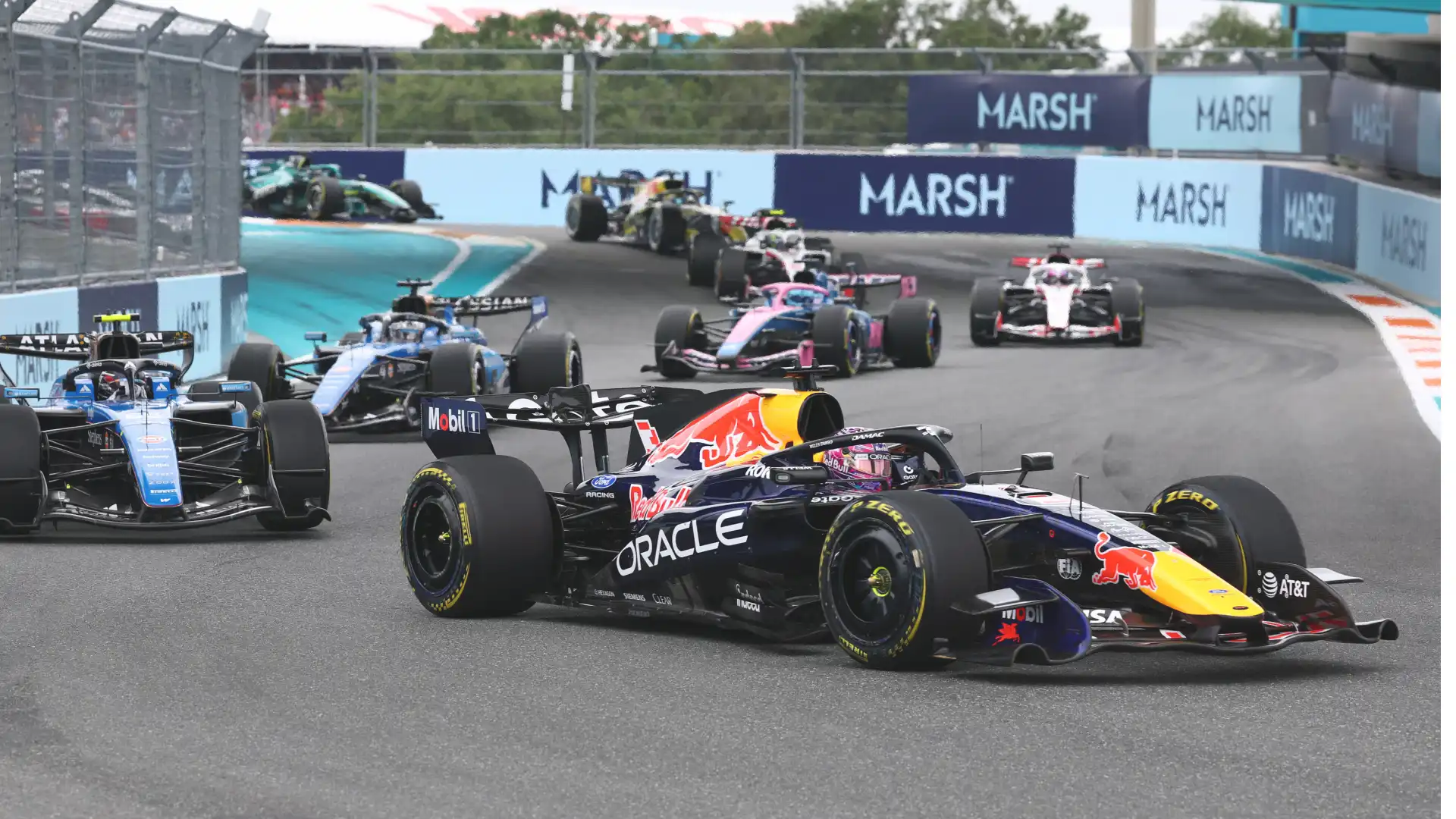
F1’s final primary source of revenue comes from sponsorships with major brands worldwide. From luxury watches and champagne to major tech giants and even toy companies, the identity of the sport is closely tied to the types of brands that it is associated with. After all, few sports flaunt their sponsorships as proudly as F1 (the Miami 2025 drivers’ parade being a perfect example).
In 2025, these brand sponsorships brought in $840 million for F1, making up 21.7% of total revenue. As F1 CEO Stefano Domenicali pointed out on Liberty Media’s most recent earnings call, much of this stems from the league’s success partnering with widely recognizable B2B brands such as Oracle, Lenovo, and Salesforce and an increasing number of B2C brands such as Disney, LEGO, Pepsi, and Apple.
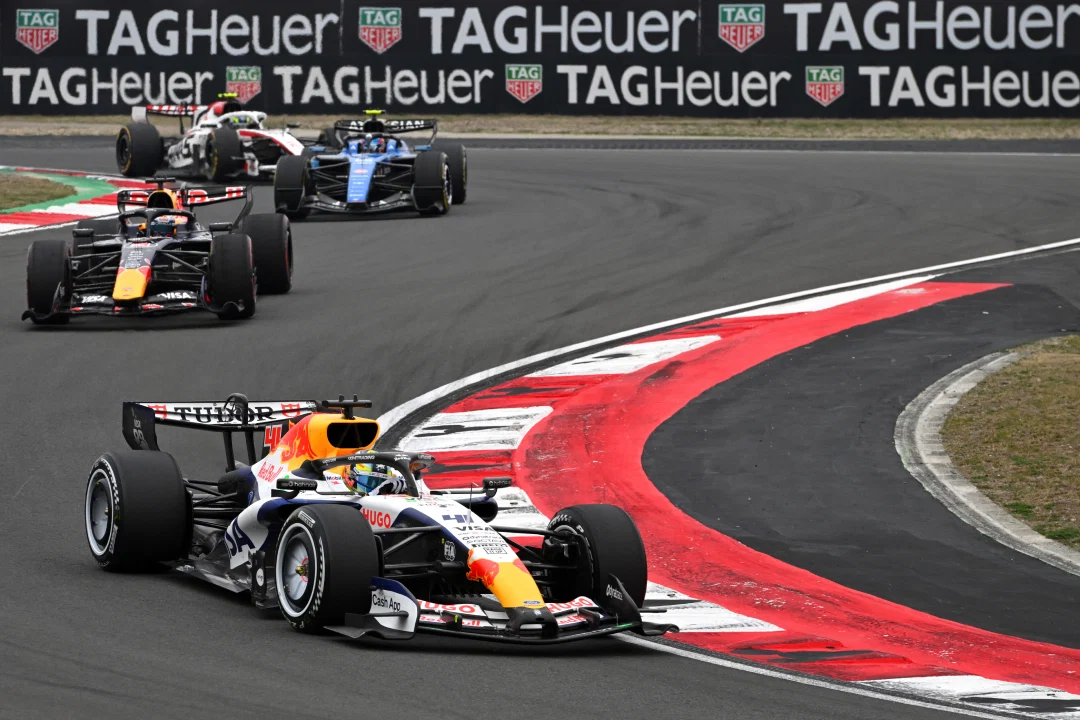
Of note, in 2025 Liberty struck a major deal with LVMH as a global partner that will see the two powerhouses working together for the next 10 years. LVMH is home to several major maisons actively involved in the partnership, including none other than Louis Vuitton, Moët Hennessy and TAG Heuer. While the exact numbers remain ever elusive, according to Reuters the deal is estimated to be worth over $100 million annually, totaling over $1 billion across the 10-year period.
F1’s other revenue streams: Paddock Club, branding licences and more
The final portion of F1's revenue comes from streams other than the three main sources we talked about above. This includes everything from Paddock Club ticket sales at most F1 races across the calendar and hospitality ticketing for the Las Vegas Grand Prix, as well as support races for F1, including F2, F3, and F1 Academy. Car and equipment shipping to and from non-European races, several television productions beyond the broadcasting partnerships, and other licensing agreements factor in, as well.
In 2025, this amounted to 20.3% of Liberty Media’s total revenue, or $787 million, up from the $654 million the prior year. Liberty Media attributed the rise to increased hospitality sales, especially in Las Vegas, as well as rising licensing and freight fees.
So, where is Liberty Media going from here?
All in all, F1–and Liberty Media–have set themselves up with a range of revenue streams that feels as diverse as the racing calendar itself. As the sport continues to grow, each of these categories is also likely to evolve and expand, further cementing F1 as one of the most dominant forces in global sport.
This is exactly what Liberty Media is hoping to do. “This year, we remain focused on sustaining F1’s momentum,” said Derek Chang, Liberty Media President & CEO, in a February 2026 press release detailing the company’s 2025 earnings.
So far, we’ve seen this in the addition of Madrid to the F1 calendar, the expansion of their collaboration with Disney to include the eyewear giant Gentle Monster for 2026, and the most recent announcement of their partnership with Marsh, a global insurance brokerage firm.
All of this goes to show that Liberty Media and F1 have no intention to slow down any time soon. And with the way things have been going over the past few years, F1’s future is certainly looking bigger, brighter and worth many more billions.
Cover image via Red Bull Content Pool
.webp)




.webp)
.png)
.png)