


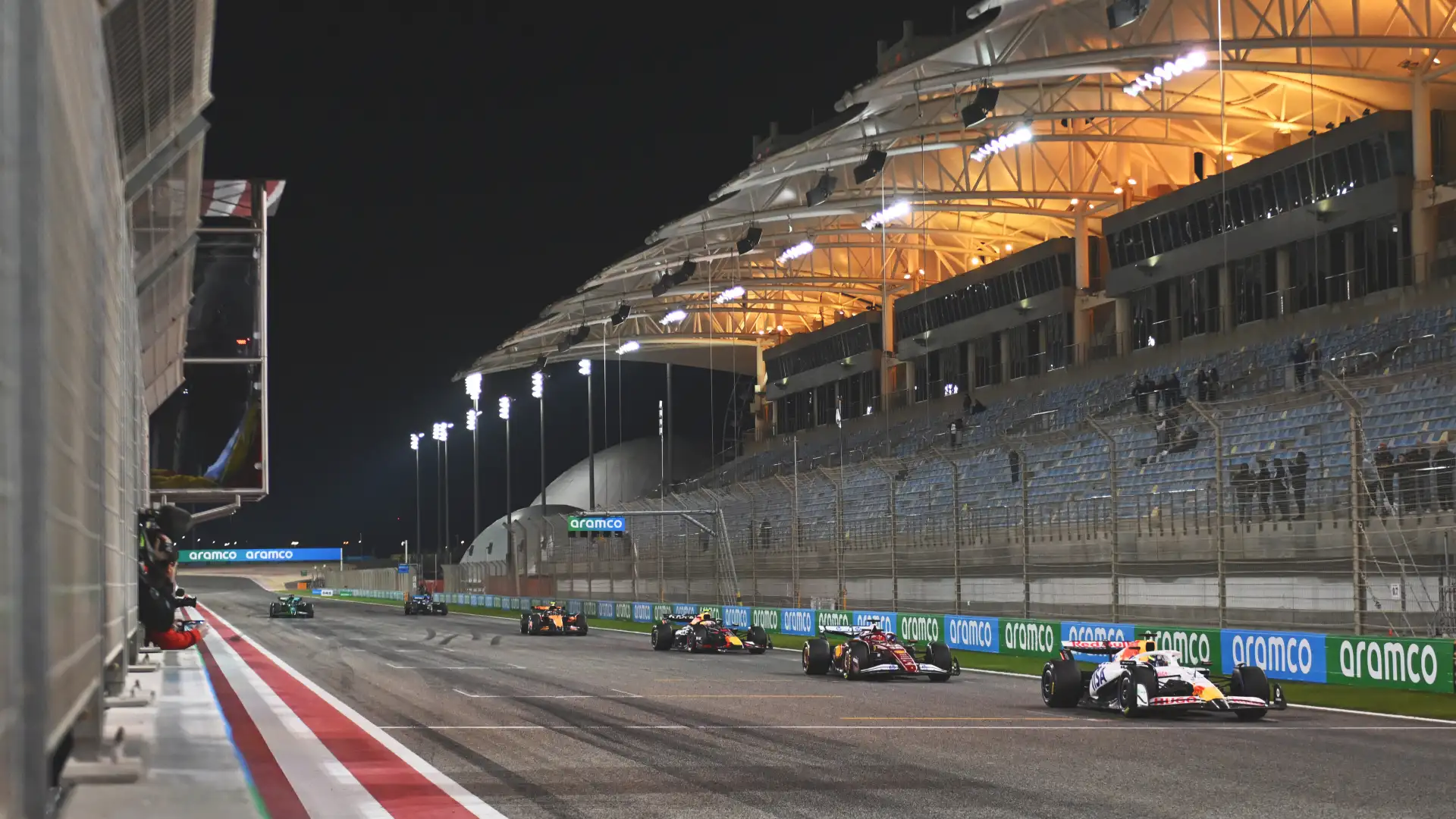


The first official pre-season test for the 2026 Formula 1 World Championship is just around the corner. As teams prepare to hit the track and try out their challengers, we’ve prepared a guide to make sure you know everything there is to know about the next few days of racing action.
What is pre-season testing?
This is the grid’s opportunity to see how their cars behave on an F1 circuit before official racing begins. Of note, this is one of the only times teams are allowed to run their cars in real-world settings before the season starts. Otherwise, when they are in the factory, simulators are the biggest source of information engineers and drivers have to assess the performance of their car, and as good as simulators may be nowadays, they still don’t compare to the real thing.
What’s more, with the massive overhaul in regulations, teams will be looking forward to getting some crucial on-track data and understanding where their design stands as the start of the season approaches. It’s also a great time for drivers to get some direct experience in their car, as opposed to running a simulator.
The teams will have 24 hours spread across three days to run, examine and compare various set-ups, configurations, fuel loads, and more. But there are a few limitations when it comes to gathering all of this data. Each team can run only one car at a time. That means each driver will get about 12 hours of driving, and teams will have to think carefully about how they’ll split driver time on track.
When and where is pre-season testing?
Typically, there is just one pre-season test before the F1 calendar kicks off, but 2026 is a big year with lots of in-coming changes, so teams will be given two three-day test sessions to make sure their cars are in working order before the Australian Grand Prix commences just two weeks later.
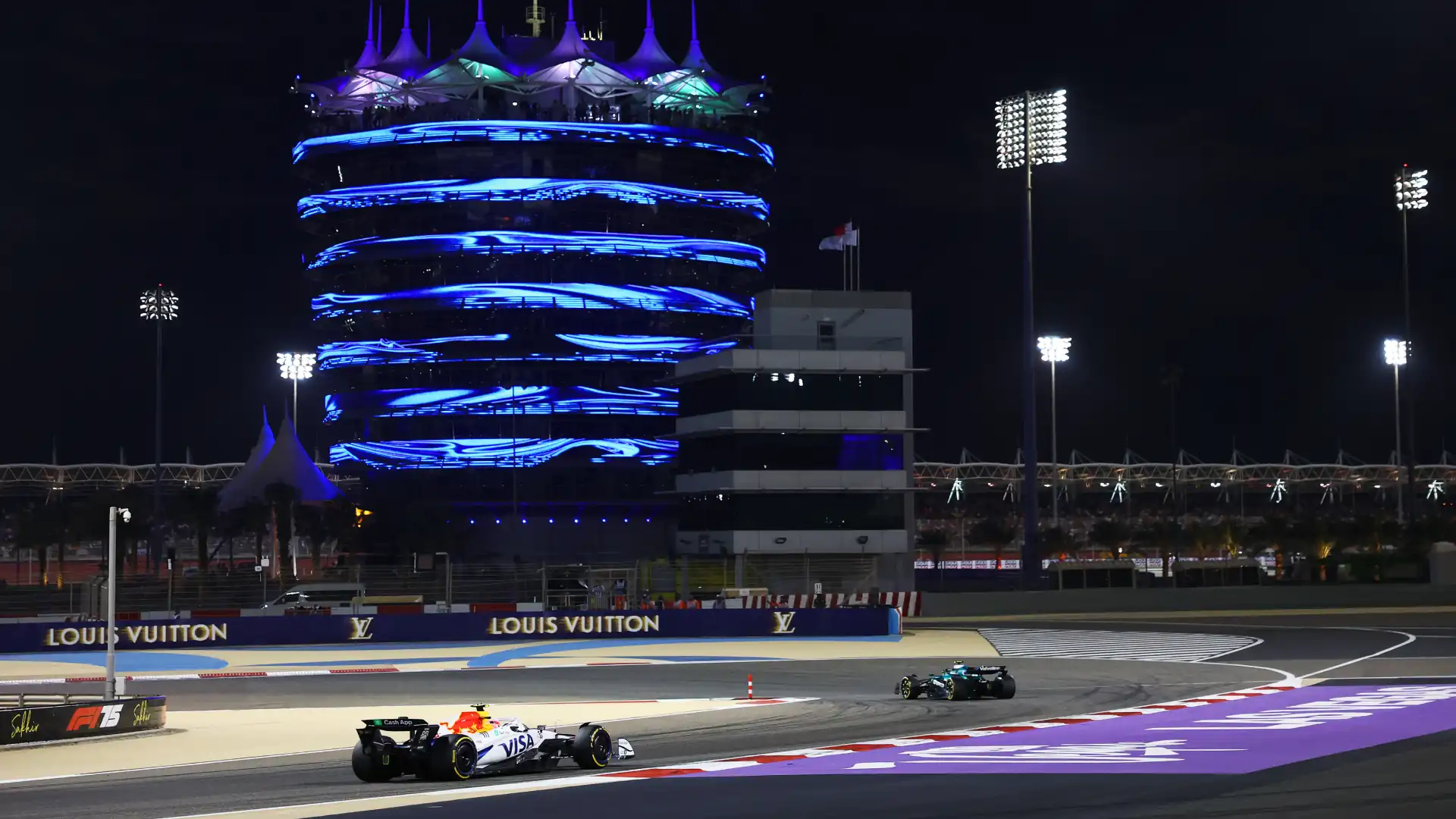
Both pre-season testing sessions this year will be held at the Bahrain International Circuit. The first test is set to take place from February 11th to 13th, and the second from February 18th to 20th. Cars will be on-track for two four-hour sessions from 10:00am to 7:00pm local time with a one-hour break in between.
How is pre-season testing different from the Barcelona Shakedown?
The Barcelona Shakedown was the first time that participating teams ran their cars on an F1 track. It was a time to familiarize themselves with the slew of new technology and components on this year’s designs, including the active aero on the front and rear wings, overtake mode, boost, recharge and more.
And with the massive changes that the power units have gone through between the current and previous era of F1, Barcelona was all about testing the reliability of those brand new engines. In other words, the lap count was the key number many teams were looking at, as opposed to top speeds and lap times.
Now that they have a better understanding of how their cars function in the real world, the pre-season tests give the teams an opportunity to see how far they can push their cars, test various set-ups for both qualifying and race days, and get an even better feel for how things like tires might behave this year.
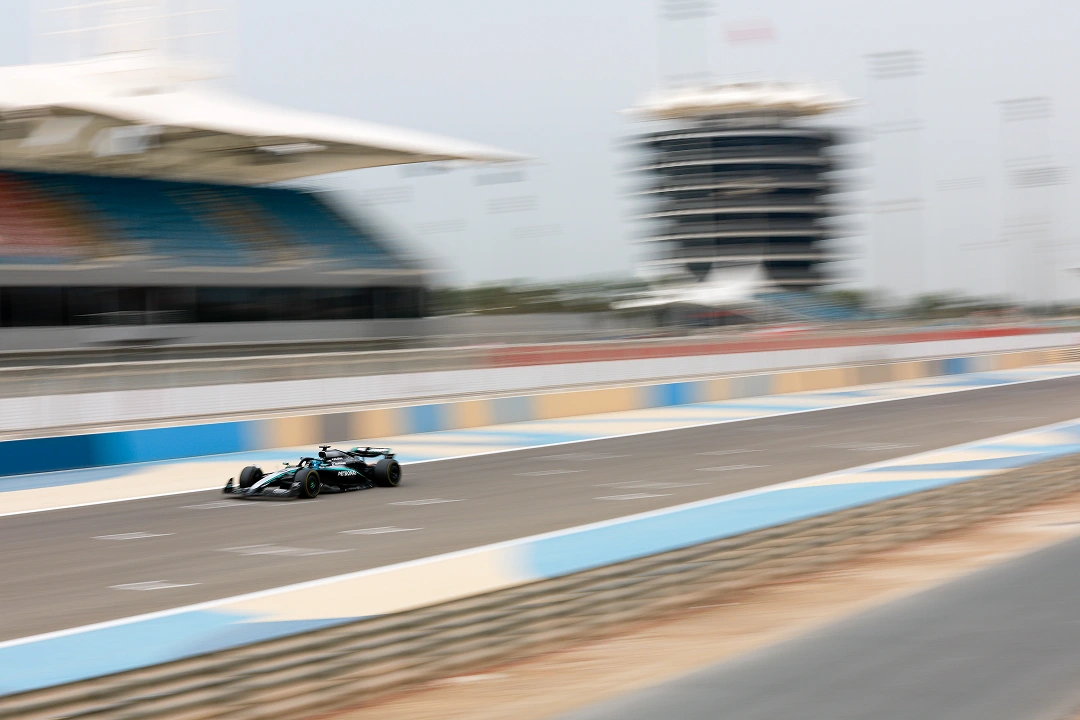
What will F1 teams look to accomplish during pre-season testing?
In general, teams are going to want to identify their strengths and, more importantly, their weaknesses during pre-season testing. They’ll be trying out engine modes, component variations, tire compounds and so on to see how each factor affects their performance. The sooner they can find out where their weaknesses are, the sooner they can address those weaknesses. Ultimately, the goal is to get their cars in the best shape possible for Australia's season opener and the first handful of races before any bigger car updates start rolling in.
Positive signs generally include things like a high lap count and minimal stoppages. This means that a team has a fairly reliable build that allows them to gather a good amount of data to analyze afterwards. On the other hand, frequent breakdowns or returns to the garage might be a sign of trouble, and that the engineers and mechanics have some long days ahead of them.
That said, it will still be difficult for us to say where exactly teams stand relative to one another after pre-season testing. Lap times should also be taken with a grain of salt at this point in the game, as they can still vary vastly based on things like fuel load, tire compound, set-up and so on.
Where can I watch what happens during pre-season testing?
For the first pre-season test, only the last hour of running on each of the three days will be streamed live for fans to watch. This will be followed by an hour of analysis in which experts take fans through the significant moments of each day’s runnings.
The second test will be streamed live in its entirety. All eight hours on all three days. Once again, expect plenty of analysis at the end of each day.
You can catch these streams on official F1 platforms, including F1TV, Apple TV and SkySports F1. For more detailed information about which platforms are available to you based on your location, check out our guide on where to watch F1.
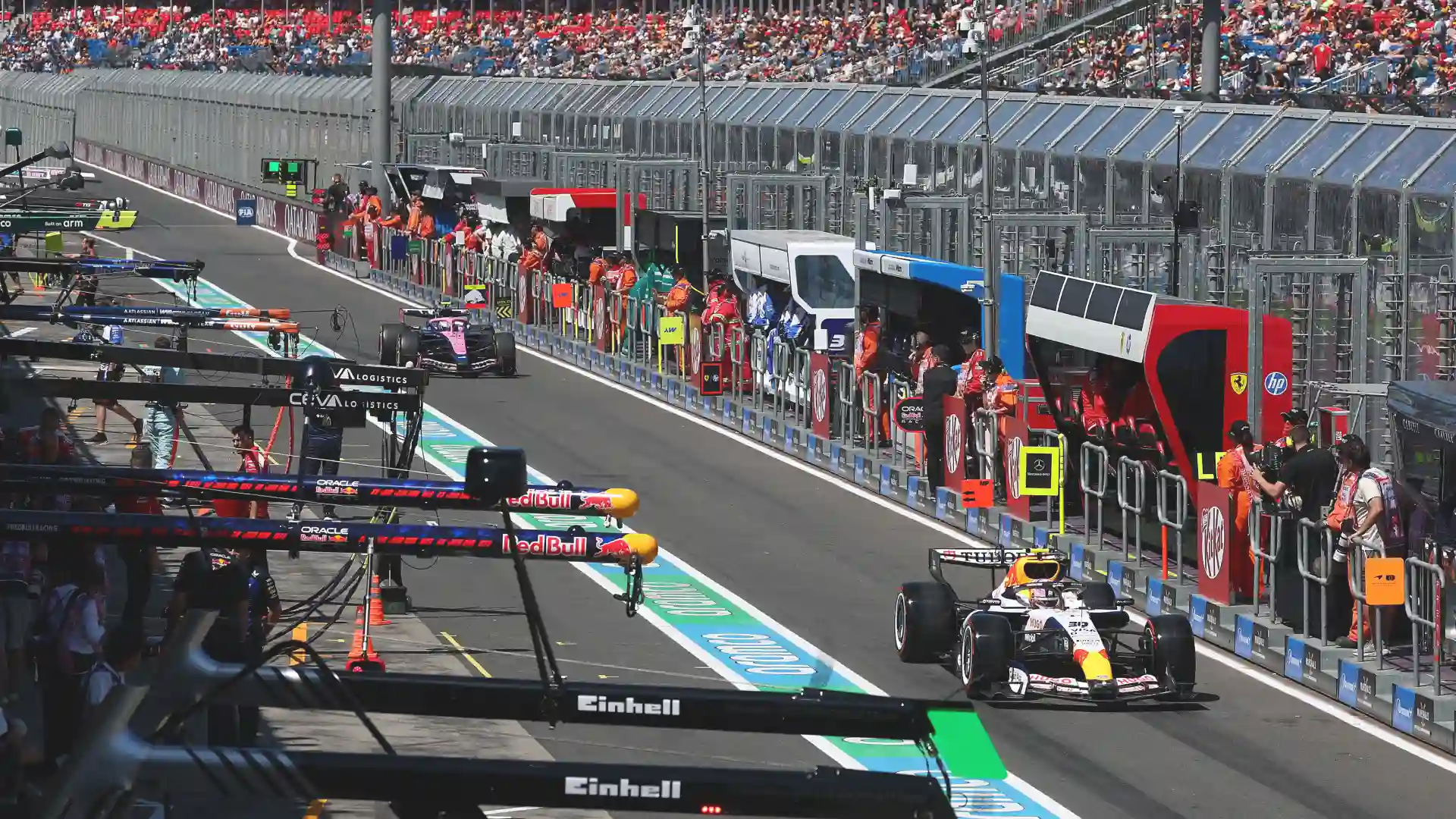
Cover photo via Red Bull Content Pool









![Ryan Hunter-Reay: 'I Came [to McLaren] Wanting to Contribute, Not Just Occupy a Seat'](https://cdn.prod.website-files.com/61b372525d9e220633140352/6a447e20dd744d236ef4d5f3_Ryan-Hunter-Reay-Cover.webp)





























.jpg)
















.webp)

.webp)










.webp)





.png)
.png)