



.png)
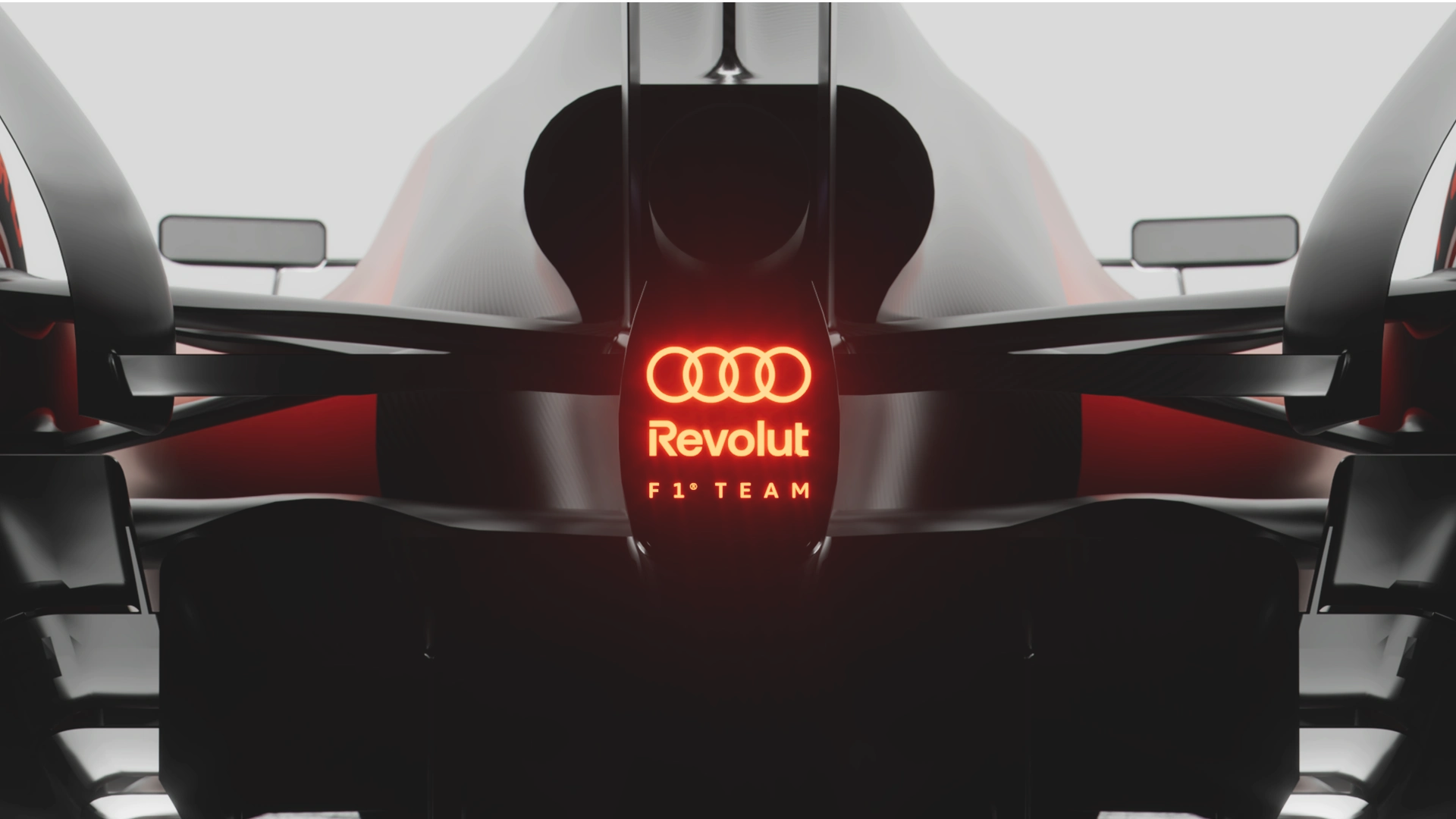
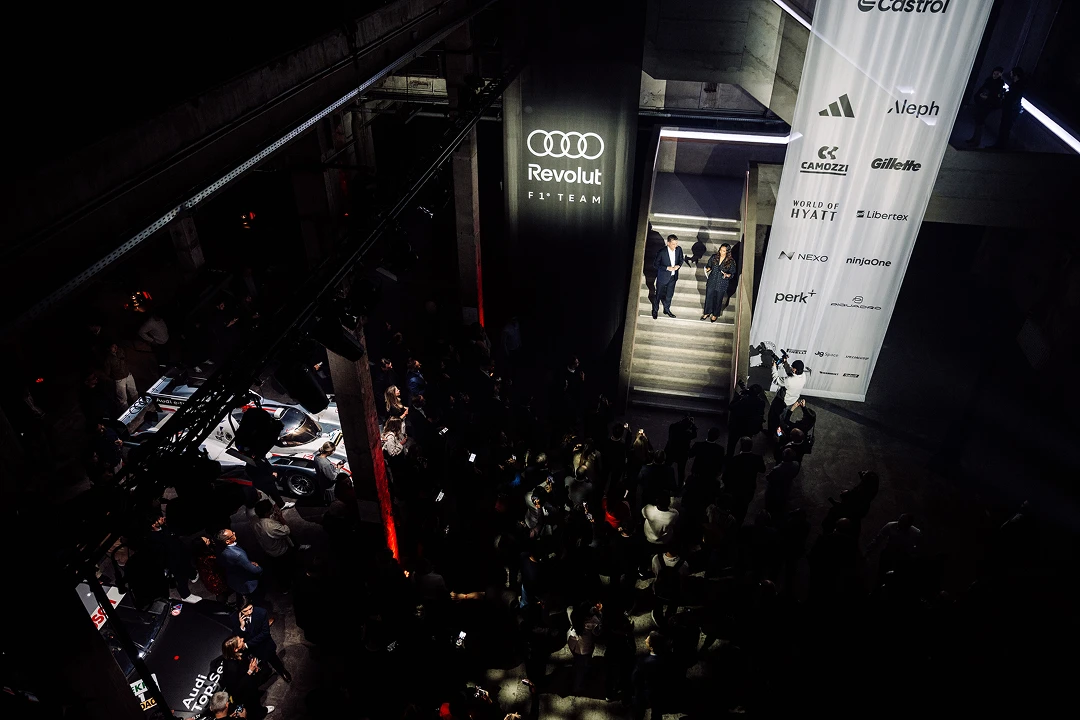
When the Audi Revolut F1 Team car hits the track at the start of this year’s Formula 1 season, it won’t simply be a Sauber in new colors. Instead, it will be a brand new challenger team that represents the current momentum and appeal of F1.
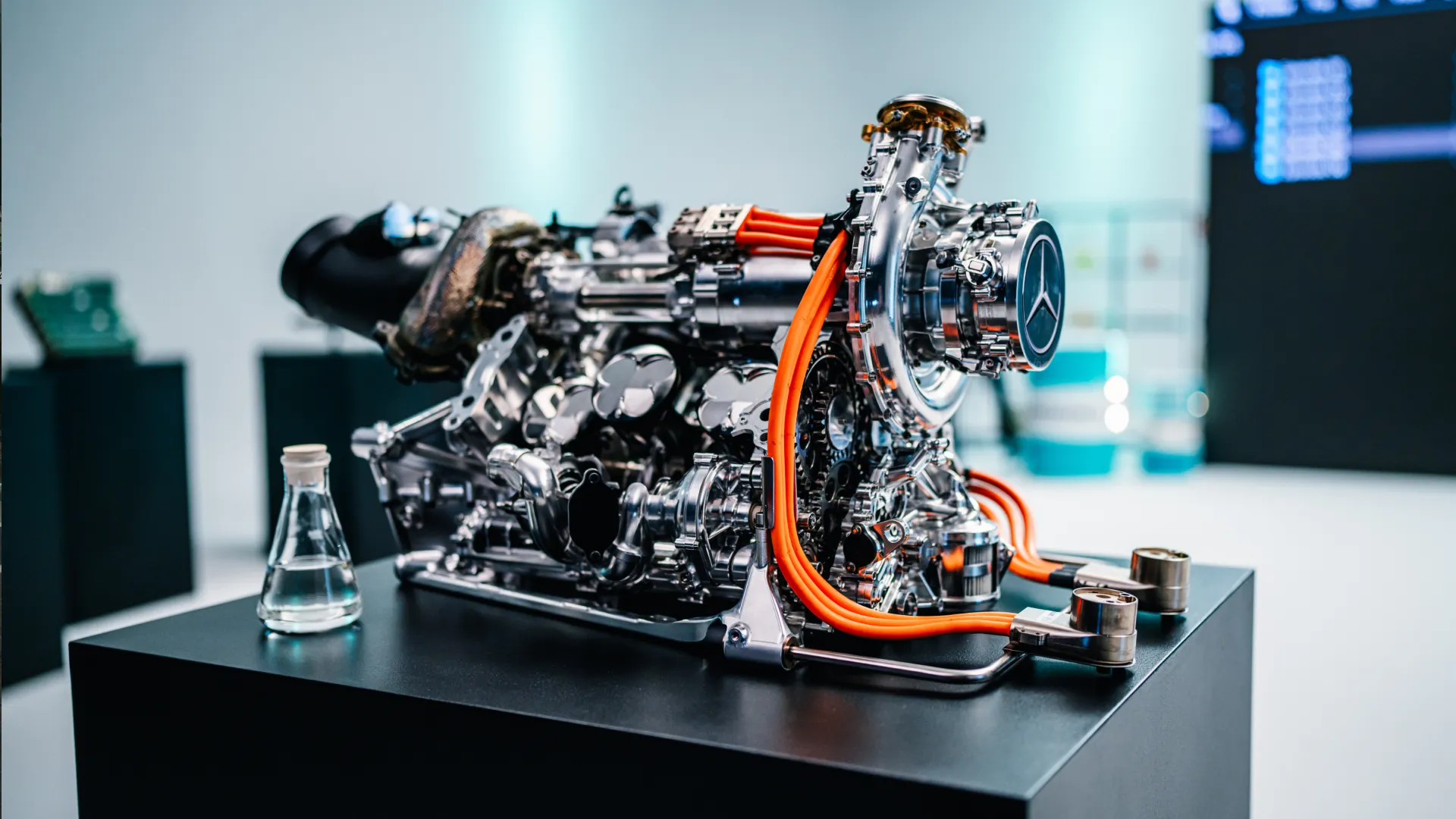
It starts with the proprietary engine
Much like anything that has gained significant momentum, the arrival of Audi to the grid has been building steam for quite some time now. The initial waves started in 2022, when Audi first announced that it intended to join F1 through a partnership with Sauber, which was still operating as Alfa Romeo at the time.
The partnership was set in stone in January of 2023, with Audi CEO Markus Duesmann stating that the company had officially registered as an F1 power unit manufacturer. This engine would be developed at Audi’s Motorsport Competence Center in Neuburg an der Donau, and–along with the branding switch from Sauber to Audi–would debut on the track in 2026.
In other words, F1 is gaining a brand new constructor in their league rather than a re-skin, and a pretty significant one at that.
Audi’s extensive history of success in motorsports
“Racing, motorsport, is in the DNA of Audi,” Duesmann said back in August of 2022, when the partnership was initially announced. “Audi has always been active and been successful in motor racing. If you think about Le Mans, Dakar, DTM, Formula E, we have always been very active and very successful and we want to continue this success story now in Formula 1.”
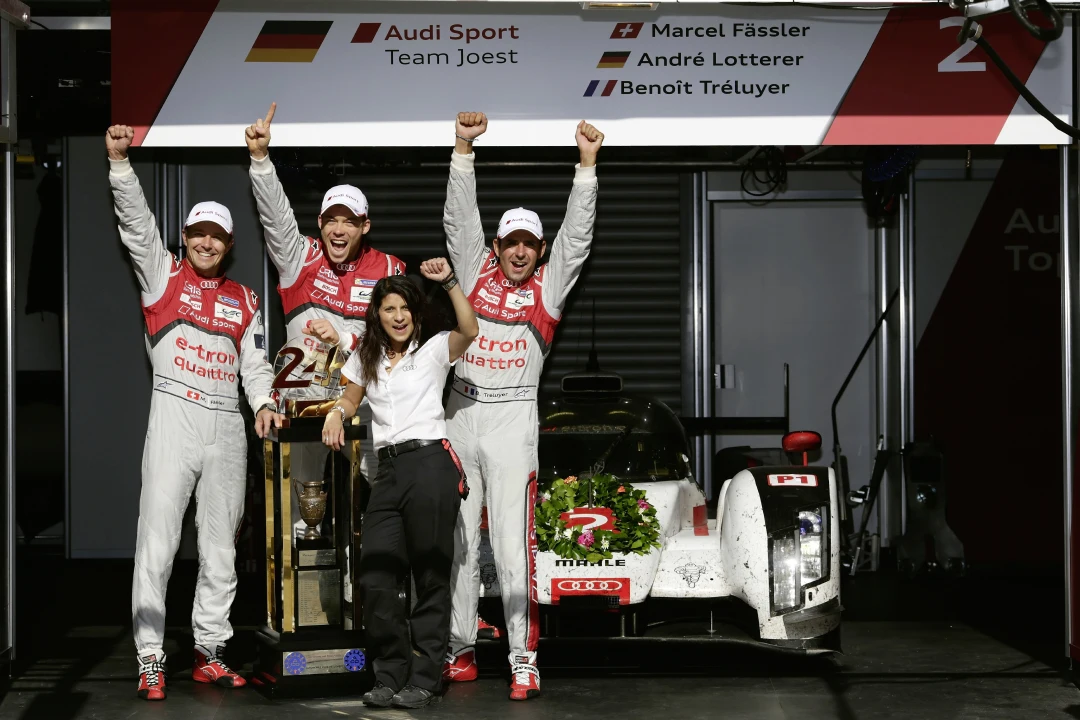
Indeed, Audi reigned supreme in the 24 Hours of Le Mans, amassing 13 victories between 2000 and 2014 to become the second most winning manufacturer in the series, behind only Porsche.
Their Formula E team, Audi Sport ABT Schaeffler, is among the most successful in the series with 14 victories and 47 podiums across the 84 races they participated in between 2017 and 2021.
And in 1985 they revolutionized the whole of rally racing with the Audi Quattro, which introduced all-wheel drive to the sport and saw it quickly replace the rear-wheel drive system that dominated before.
Now, this powerhouse manufacturer is finally stepping foot into the world of F1, where they hope to make the same types of waves they have in other motorsport series.
“This is the most exciting project in motorsports, if not in all sports,” said Head of the Audi Formula 1 Project and former Ferrari Team Principal, Mattia Binotto, last November. “The goal is clear: to fight for championships by 2030. That journey takes time, the right people and a mindset of continuous improvement.”
Audi is prioritizing sustainability
While their trek to the top may indeed take some years, the timing of its start is very deliberate. Unlike some of the more recent additions to the F1 grid who joined F1 in the middle of a specific set of regulations–such as Haas in 2016 and HRT, Lotus and Virgin in 2010–Audi is joining at the very beginning of a new era focused on sustainability and hybrid power.
“I think it’s perfect timing due to the new rules that are established now, for us to enter F1,” said Duesmann. “And there are many aspects of F1. We have decided to become a full electric car manufacturer and F1 changed the rules in a way that we can enter with a high electric part of the powertrain, with renewable fuels, and Formula 1 have installed a cost cap that makes it very attractive for us to enter now.”
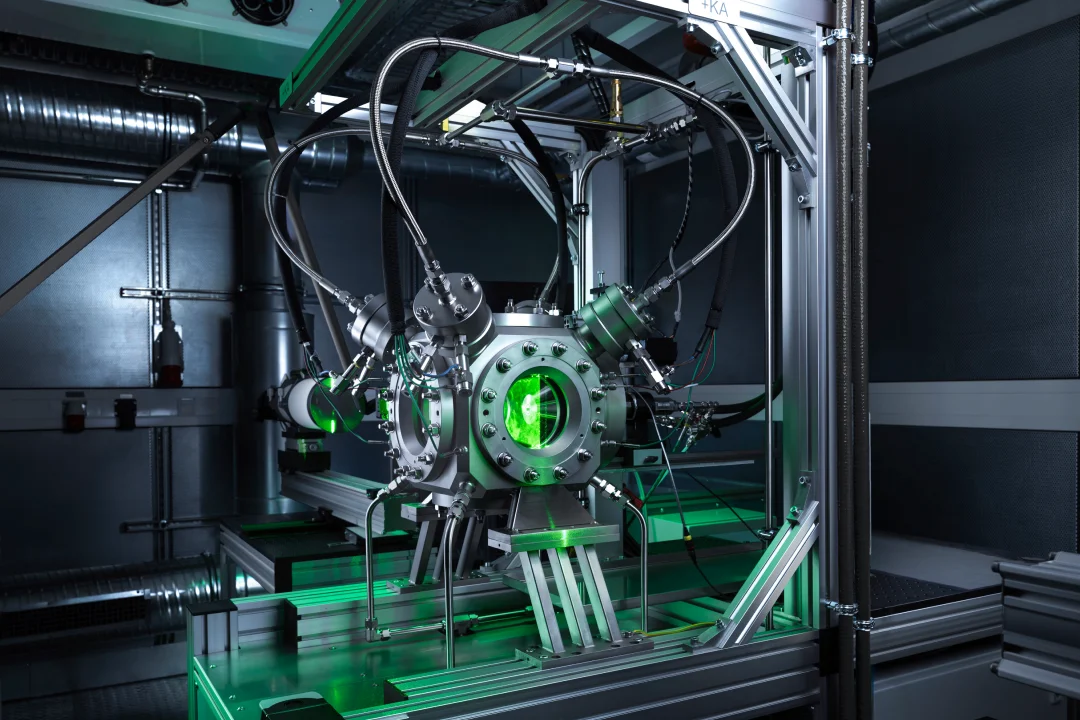
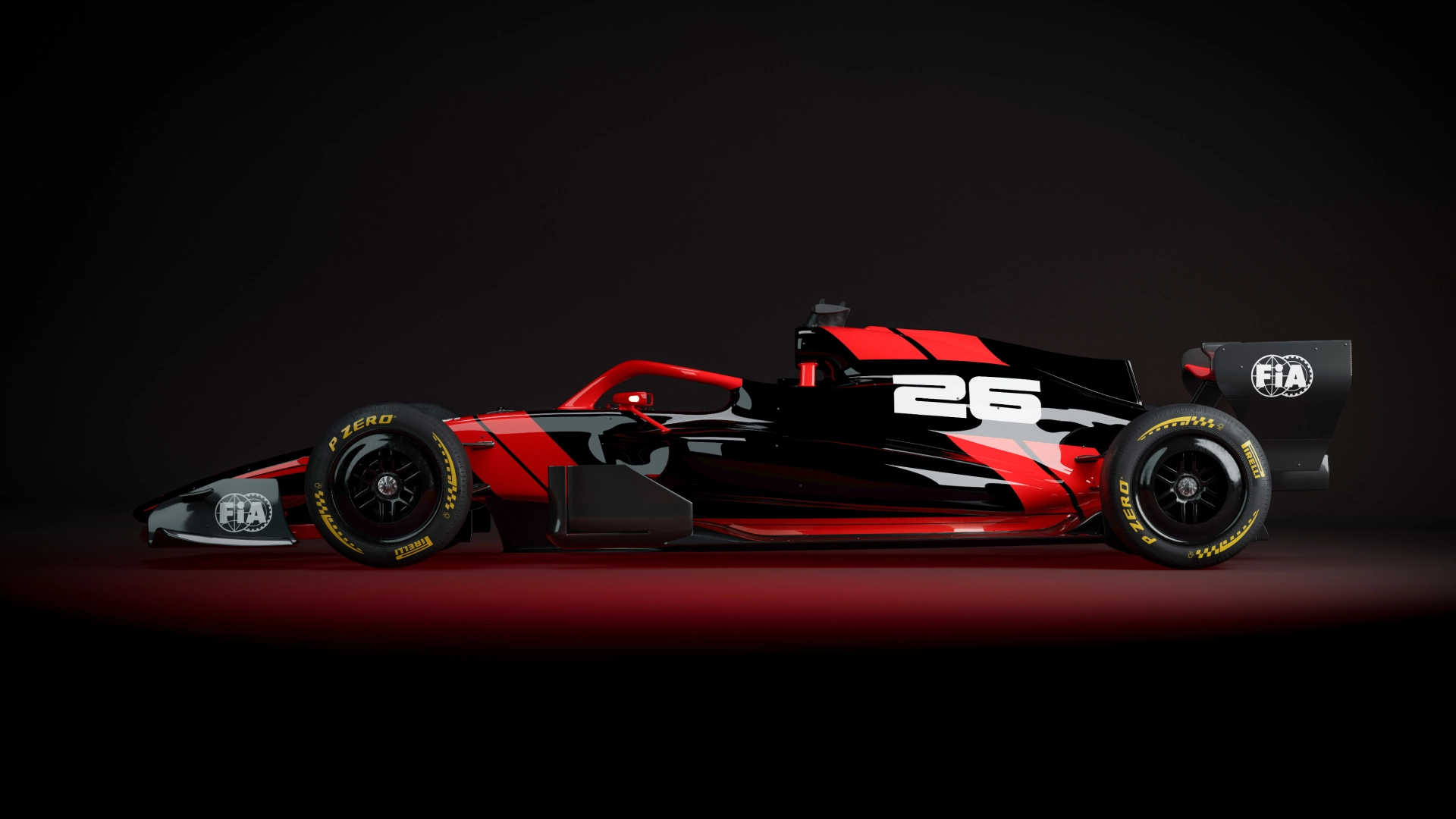
The 2026 regulations will see F1 relying on electric power more than ever before, with power units that will use fuel and electricity in equal parts (compared to a roughly 80/20 split that defined the previous hybrid generation of engines). What’s more, this will be the first year that 100% sustainable fuels will be used by the teams, as the series aims to reach a net zero carbon footprint by 2030.
These changes played a critical role in Audi’s decision to not simply put their name on another team, but join the fray as a contender and constructor themselves. This, in turn, shows that F1 is becoming a major player in how major electric and hybrid car manufacturers, such as Audi, market themselves and display what they are capable of.
The impact of F1’s global market
But sustainability and electric power is not the only marketing draw F1 has for Audi. With the explosion of the sport’s popularity in recent years, F1 has become a worldwide magnet for massive brands from industries such as fashion, technology, entertainment, and more. Such a broad reach speaks to the extensive relevance of the series, and the global network of fans that it has built and now caters to.
Audi Chief Commercial Officer, Massimo Frascella, spoke about the importance of this in Audi’s decision to enter F1, saying, “We want to shape a brand capable of making a deep emotional connection that forges new partnerships with like-minded brands and inspires a global community – one that not only consists of F1 fans, but also people who appreciate courage and sophistication.”
All in all, this speaks to the extensive relevance F1 has garnered in recent times, making it a conduit for marketing to audiences that automotive brands might have had limited access to before. The growth the sport has seen particularly with younger and female fans, as well as its massive increase in popularity in North America to the point that Cadillac is joining the grid as well this year is further evidence of how far F1’s presence in newer markets has expanded.
This makes it a perfect target for Audi, who has already established themselves as a partner in other major sports that resonate with younger audiences from around the world. The company is part of several soccer leagues, and is the Major League Soccer Official Automotive Partner and Title Sponsor of the Audi MLS Cup Playoffs. They’ve also had several collaborations in the world of e-sports, with their most recent partnership being with TOP Esports organization. TOP team members sported the Audi logo on their jerseys during the 2025 League of Legends World Championship in Shanghai, which reached a peak of 6.7 million live viewers.
Given Audi’s history of investing in global, youth-facing platforms, entering F1 now feels like a natural progression for their commercial strategy. Becoming a manufacturer embeds them in yet another sporting league with massive cultural dominance and opens the door to partnerships with brands that have extensive reach thanks to the recent explosion in popularity F1 has seen.
What Audi’s arrival says about the future of F1
So, while on the surface, it may seem like Audi is simply buying out Sauber, that this move is happening now is a reflection of the health of the sport. F1’s focus shifting towards environmentally conscious technology and their community and influence peaking the way it is shows that it is aware of current trends in both the automotive industry and the audience that it is reaching.
Audi now hopes to be part of what shapes the direction of this ever-growing momentum, and they're bringing their resources, and know-how, to the table to see that happen.
As Team Principal, Jonathan Wheatley, put it recently: “Our project is more than building a team. It is about shaping the future of F1 – with talent, visionary partners and the transformation of the Audi brand.”











.jpg)















.webp)

.webp)








.webp)















.webp)
.png)
.png)