



From manifesting a job in Formula 1 to making it a reality, Loes Klinker is now the creative mastermind behind Alex Albon’s social media presence.
By vocalizing her F1 dreams during a Red Bull internship, Loes Klinker transitioned from intern to managing Alex Albon’s global brand, social media, merchandise and iconic helmet designs.
Loes shares the reality of navigating a fully remote role and details the strategy behind creating content that fits Alex’s voice and narrative. She also talks about the rewarding moments behind the camera and how the public’s responses to things makes everything worth it.
Now, after three years of shaping Albon’s social presence at Williams, Loes reflects on how building a personal network, mastering remote communication, and staying patient can help aspiring creators break into the racing industry.
Position: Head of Creative for Alex Albon
Role in one sentence: I manage Alex's social media, his brand, and also special helmet designs and merchandise.


Loes’ start in Motorsports
What was the first moment you discovered racing?
My dad was really into F1 and he'd been watching racing for a while. He was a really big Ferrari fan because he used to work for Shell, so, it was always the red merch and stuff in the house. And then I started watching when I was 15, because of Max [Verstappen]. Being Dutch, I was like, let's go, we've got to support our local driver!
So, that was in 2015, and then I just got hooked. I just got really into the sport, got really invested, and started following it every weekend. And then I knew quite quickly, I was like, oh, I think I want to work in that realm, in that industry, but I was like, I'm not an engineering gal, we're not going down that route. I knew I definitely wanted to do something creative. I think as well that the understanding of what roles are in the sport is very limited in the sense that it's a huge network and I think this specific job, I didn't even know existed until I got a little bit older and realized, oh wait, these athletes are actually not managing their own socials or managing their own brands. And I think that once I got older and graduated, I thought this is a niche I think I want to try and get into.
When did you decide the racing industry is where you wanted to build your career? Was it sports in general or specifically the F1 industry you wanted to work in?
I think sports in general, but I think if I looked at all the sports I watch, I love tennis, I love watching football as well. And I think out of all the sports I watch, and my whole family are sport watchers as well, I thought F1 is the one that feels the most international in the sense that it's global, it's not just one type of person working there. So, I think that's why it attracted me, but there wasn't a specific turning point in that sense. It was more as I got older and I was thinking, What are the jobs out there? I mean, it's such a small bubble, but so I thought, You know what? This seems like an almost unattainable goal, but let's start it and then see how far we can get. So, that's kind of where that started.
What was the first step you took to launch your career in racing? How did you build your portfolio?
When I was younger, I knew I wanted to, in my own time, learn how to edit, learn how to photograph, learn all these creative skill sets, because I actually enjoyed it. And then I was like, oh wait, you can monetize this as well, so let's try it.
I think in terms of my first step that I took, I think I spoke it into existence. I applied for an internship during my study at Red Bull Netherlands, so I did that for seven months. And then I knew, because Red Bull's an international brand, and there's obviously a whole racing team. So, I just told all my superiors and people in my team and I'd be like, “I want to work in F1”. I think I just repeated that so often that people just remembered me for that, which was kind of where I got this job. Apparently, Alex [Albon]'s manager reached out to the Red Bull office because someone else had applied and they were kind of checking their references. And then very nicely, one of the team members I'd worked with was like, “I can also recommend someone else”, and they dropped my name, which I thought was so nice.
So, that's kind of how that started, in the sense that I just told everyone I wanted to work in F1. I do honestly believe that, if you tell people enough and they associate you with that, they'll remember you once these kinds of opportunities arise, I think, if you leave a good impression.
Loes’ current role
What’s your current role and what does a standard day look like?
So, a remote day is…that's kind of a tricky one. It honestly varies so much, so there's not a standardized day-to-day, but I basically connect with Alex's management, kind of see what there is to do in terms of social activation. I also connect with his web and app team to have regular updates on what we're putting up there. And then, mostly, we'll work independently on what we are posting in the next couple weeks, and then connect with the necessary people on what we need to get sorted. So, let's say like his helmet painter, helmet designer, sponsor, contacts, and the list goes on, there's a lot of people. There's a whole network that we work with directly, creatives but also just management people. And then I support creatively on that side, so that's my job remotely.
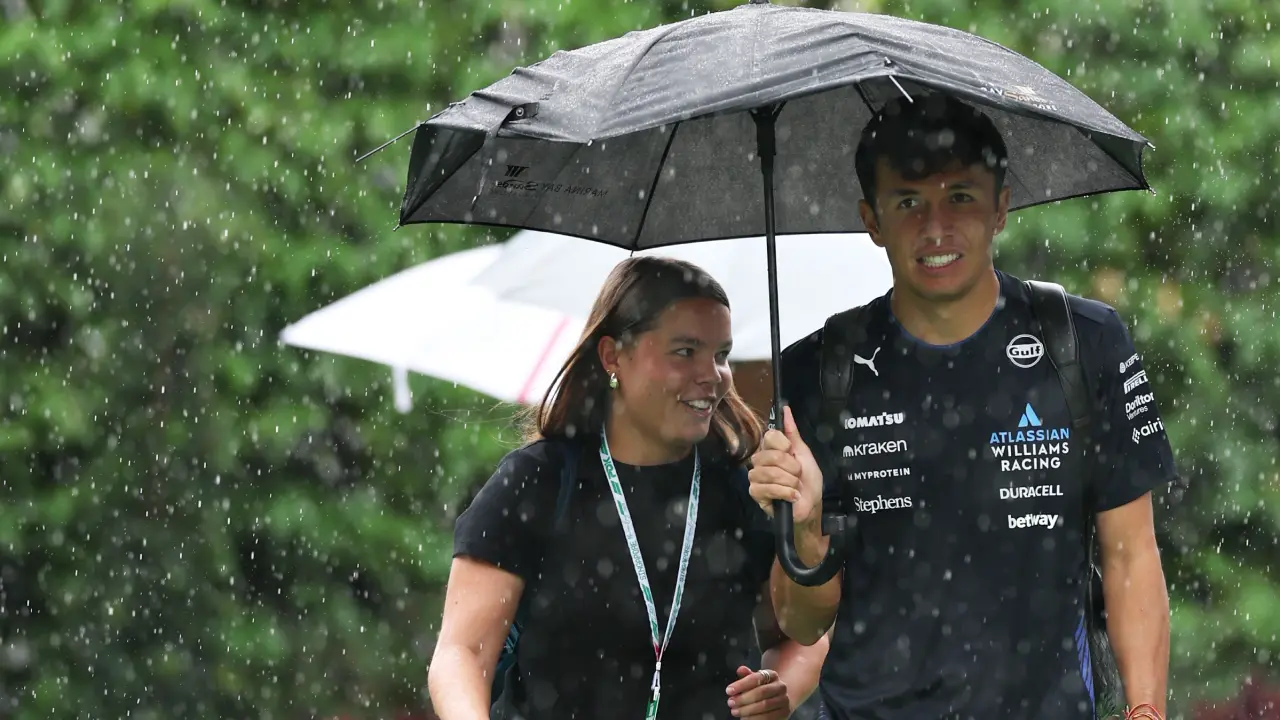
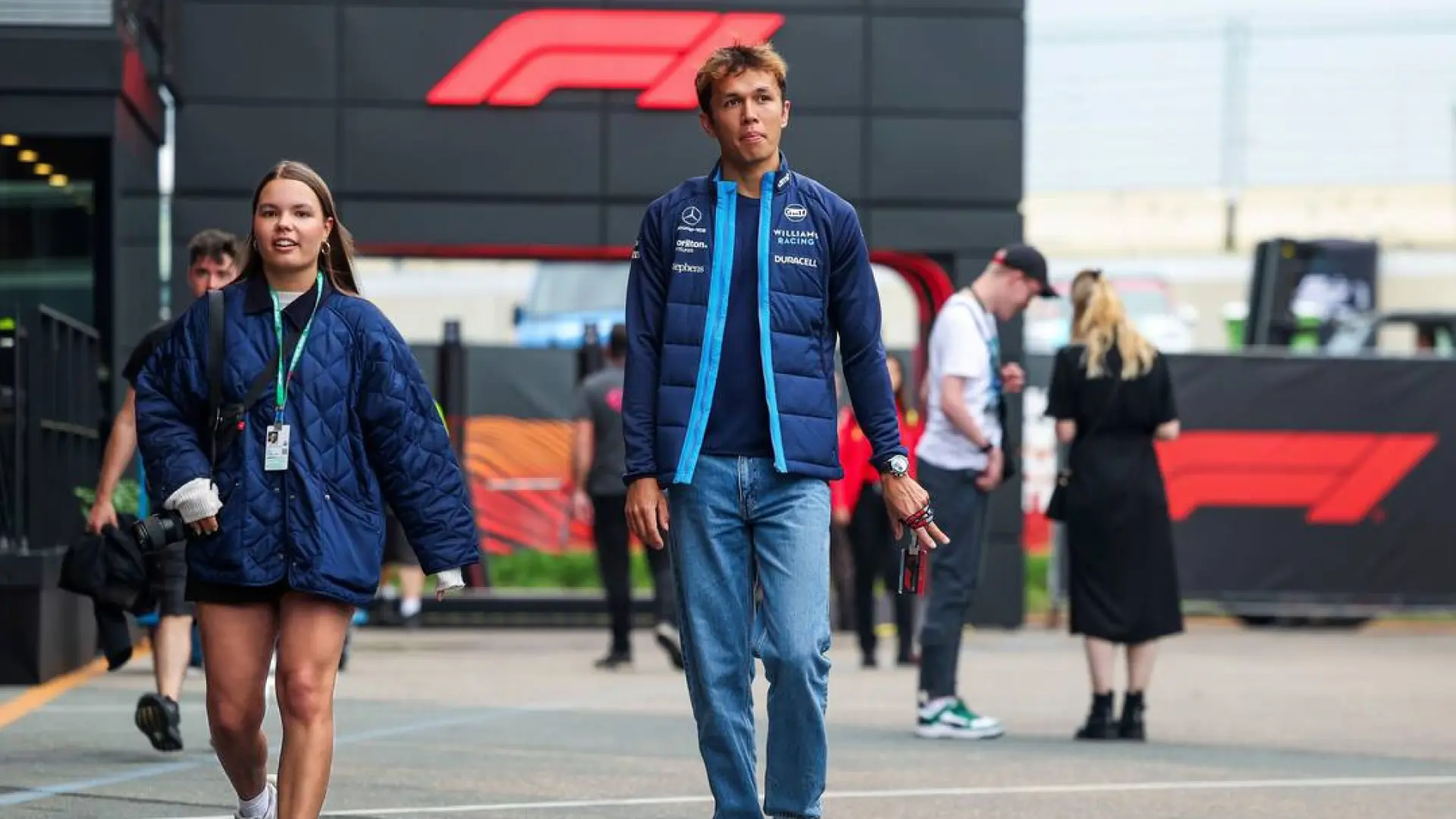
At the track, honestly, I try to follow or shadow Alex as much as I can. So, when I am on track, I'll travel to the track with Alex, and with Patrick [Harding], and usually his manager, and then Lily [Muni He] sometimes as well, and then try and capture content as well. Obviously, there's a ton of photographers at Williams and at the track, so we usually get photos from them, but when I'm at track, I like to also expand my portfolio, so I bring my camera. And then I will just shadow Alex, see what I think is necessary for social, in terms of stories and posts, and just kind of help curate his photo dump, which he also helps quite a lot with.
That's kind of my day at track and wherever you see Alex, I will try and be there. Because we don't see each other often, it's a good way to get a sense of where his head is at, and also in terms of messaging and the narrative we're trying to push, you don't get a lot of one-on-one time to talk about stuff, so observing at track as much as I can is really useful to get a better understanding of what he wants to say and how he feels, and I think that is useful when you're there in person.
What are the most rewarding and the most challenging parts of your role?
Rewarding
I think the most rewarding thing is when you do something that you really hope will resonate with people, and then you see the positive responses to it. One of the examples we've had this year is Alex's new helmet, his standard helmet design. It took, honestly, me and his manager, Jacques [Heckstall-Smith], being like, “Alex, you really should go white and chrome, I think it would look so good”. It was a big change, so he took a bit of convincing, but once he was agreed, and then you get the photos, find the photographer, mood board the whole shoot, and those photos come up, and then people respond in the way that they did, I think it's our best helmet reveal ever in that sense. So, seeing that is super rewarding. I think that when you do something that you hope will resonate with people and it does, the payoff is really cool.
Challenging
I think the most challenging is the remote aspect of it. I'm not with them on track often, so trying to manage your communication is very important. I think communication is something that we are constantly trying to improve but I think working remotely, you're trying to guess things and estimate stuff. And I think that's the tricky part of it. I've been doing this job for three years, so you get a sense of what works and what doesn't, but I think the challenge in it is learning, how do I phrase this message in our group chat so that I get a response right away on this? Alex's time is so important and he needs to focus fully on driving and on performance, you really need to figure out how to phrase your messages as well, so that you just don't ask unnecessary questions or waste any time. In terms of that, I've become really efficient in the way I work and been really very productive in figuring out how to communicate, because every person's different, there's not a handbook in that. So, I think that's been the most challenging, but again, it's also something that you improve through the years.
What are the top 3 qualities that have helped you succeed in your role?
Discipline
I want to say discipline is a big one, because before this job, I had a physical, non-office job—a video production job. So, you're running about all the time, you're in an office with colleagues. And I think switching to, basically, a full-time remote job, that was a big shift for me, and then being disciplined helped me massively in learning not to wait until the last minute. I've never been that person, but I think remote really challenged me in the sense that I was like, I need to almost preemptively message people about this and really make sure I manage my own time effectively. Also, for me, a big challenge is that working remotely, it’s very easy to then go past the full time. So, your job kind of slips and it falls into your free time and your weekends, even when it's not a race weekend, and that's definitely something I've learned to manage over time, and discipline helps in that.
Creative motivation
Motivation, but I feel like it's more creative motivation, in the sense that you are creatively motivated to keep leveling up. I don't know if there's one word for that, but it's basically like, I don't want to just do the same style special helmets or creative projects every year. I want to have people, every year, be like, “Oh my God, that's so cool”, or “That's crazy,” and I think that's part of who I am as a person.
Patience
Patience. I feel like the sport is so fast-paced, you kind of want to just do everything now, but I think what some people don't realize is that the drivers—most of them just really want to focus on driving and on performance. So, even if you have the most incredible idea or sponsor idea or pop-up, pitching it, you sometimes just have to be patient, in the sense that there's a time and place for things. You have to find the right window.
Finding the right time and place to do these big projects and kind of pitch them as well. And also, you kind of hold on to it. There's stuff that I came up with at the start of the year or in 2023, for example, that now I've come up and realized maybe there’s a window for this. So, I think that's tricky as well, because I feel like you don't know how long drivers’ careers are, so there's a lot of uncertainty in that area as well.
Loes’ Advice
If you could go back and give advice to your younger self, what would it be and why?
I would definitely say to post more. Grow your own network more, because I think I only, this year or at the end of last year, I have started posting more on LinkedIn and building out my portfolio page. I honestly think, and I’m a raging perfectionist, so that's my own fault, but sometimes I wasn't happy with photos I’d taken or campaigns I'd built, so then I wouldn't post about it.
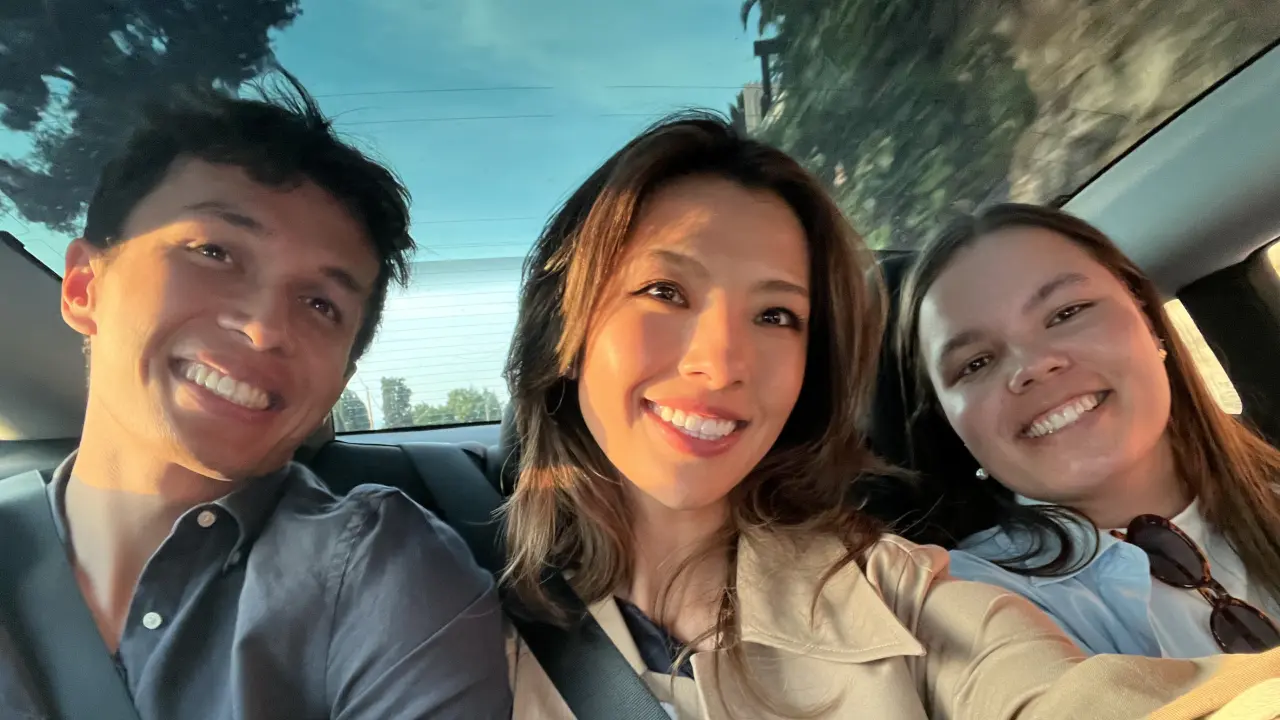
But my advice to my younger self and to anyone trying to get into F1 would definitely be; build out your network, add all these people on LinkedIn, post on LinkedIn, build a portfolio, post on Instagram, and interact with people. I think the more you interact in that community, the more you can grow your own opportunities and you have full control of that yourself. And I definitely don't think I did that enough. I was very overwhelmed by just being in that sport, because as I said, I wanted to work in it since I was 15, and then suddenly my first job is right next to a driver and I should have definitely done more, in terms of growing my network and my portfolio.
What advice would you give to someone looking to be in your position?
I guess what I said before is a big one. A girl recently reached out to me on LinkedIn to ask for advice on that as well, and I think it's unfortunate that my career trajectory is very… I got lucky in that sense. I got recommended, so I didn't really have to apply to the role. Obviously, I had to do a case study for Alex, but the way I found it was just someone saying, by the way, I mentioned your name here. And that makes it hard for me to be like, this is a concrete step-by-step process. But I do think that keeping your eye out, again, connecting to the relevant people on LinkedIn is a big thing, because they'll like posts and job opportunities that are in motorsport and then that'll show up on your feed.
Logan: Do you think it's important to be building your personal brand too or to have a specific niche?
When we try to find photographers that we want to work with, we are looking at people's Instagrams and looking at what their vibe is, but I do think we always try and customize it to Alex's preferred filter and look and his aesthetic. I definitely think that building your own brand is super important, because the more followers you also have, the more reach you'll have, and that'll also just help you, again, grow your network, even if it's your own brand.
And that's the tricky thing, I personally don't have a niche, I don't see myself as a photographer, but I am a content creator, so I'll take photos and I'll take TikToks, but I'm also strategizing and creative directing. So, I do think that's hard to visualize in a portfolio. So, what I've kind of been telling myself to do recently is, there's photography and videography, those are very tangible things you can put on your portfolio, and if that's the direction in terms of creativity you want to go in, that's something easy that you can share on your socials and your brand. Then I think the creative, like the bigger element of it, that's where I think a job, just building your network and then getting a job that's relevant, helps you go in the right direction.
Loes’ Career Highlights
What has been your most memorable moment working in motorsports?
I want to say last year in Thailand was really memorable. We had the fan meet and greet with Alex, and I had not gone to one before. So this was my first time being there and seeing a huge group of fans. Honestly, seeing that and experiencing that in person was so… I was so impressed and just so overwhelmed.
What’s been your favorite project you’ve worked on since being a part of Alex’s team?
That Singapore helmet was huge, but also just even the technical side of it, because we worked with an artist, she was an illustrator, and I gave her a template, but she wasn't actually the one that assembled it. So, she drew this beautiful landscape and then I sent it to our very talented helmet painter, Massimo [Dante]. And he was like “Oh my God, Loes, how am I going to do this?” I had consulted him on the shape of the helmet and what things are going to get cut off, but I didn't realize how difficult it would be.
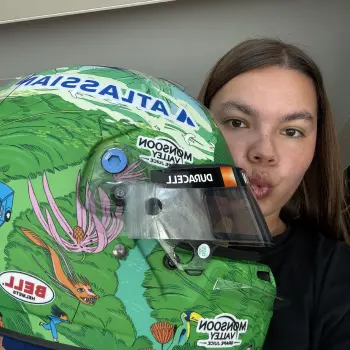
Basically, what happened was he had to print it as one big sticker, and then I think he did it with a friend because he had to use two pairs of hands. You really fight-wrap it over this shell, this helmet shell. And so, even if you look at the helmet now, a lot of stuff was cut off. But it was such a battle, and when I saw that in person for the first time I was so happy with how it turned out.
And even one of the cool things was that me and the photographer at Williams at the time, we were taking photos of it on the track just by itself. And I was carrying it and I was walking through the Williams garage, and then all these mechanics were all like, “This is our favorite, this one's so good.” So, that was also just super nice to have people really recognize that. That's definitely my most proud, recent one.
Want to learn more about other professionals across motorsport series? Then check out all of our Fast Lane interviews, or jump right into one of these:
How an NHL intern ended up managing Indy NXT communications with Emma Brodbar
From Pit Stop Performance to Building Champions with Sarah Harrington

.webp)
%20(1).jpg)
.png)
.png)