



Formula 1 is quickly becoming one of the biggest sporting spectacles in the world, and at the center of it all are the 22 drivers lining up on the grid each race week to bring us to our feet. And as the top athletes in the sport, these stars of the show are undoubtedly earning their worth, be it through their salaries or their own individual side projects.
Not too long ago, we broke down all the different ways that both F1 as a whole and the teams themselves bring in money. Now it is time we turn to the last piece of the puzzle: the drivers. This is a particularly intriguing topic as, beyond just their jobs as athletes on a team, drivers have the option of wearing a few additional hats–that of the public figure and the entrepreneur–to bring in some extra cash. And while the specifics will vary among each individual, in this article we’ll look at each hat and how they contribute to the way that F1 drivers make money.


As athletes, drivers earn a base salary and bonuses from their team
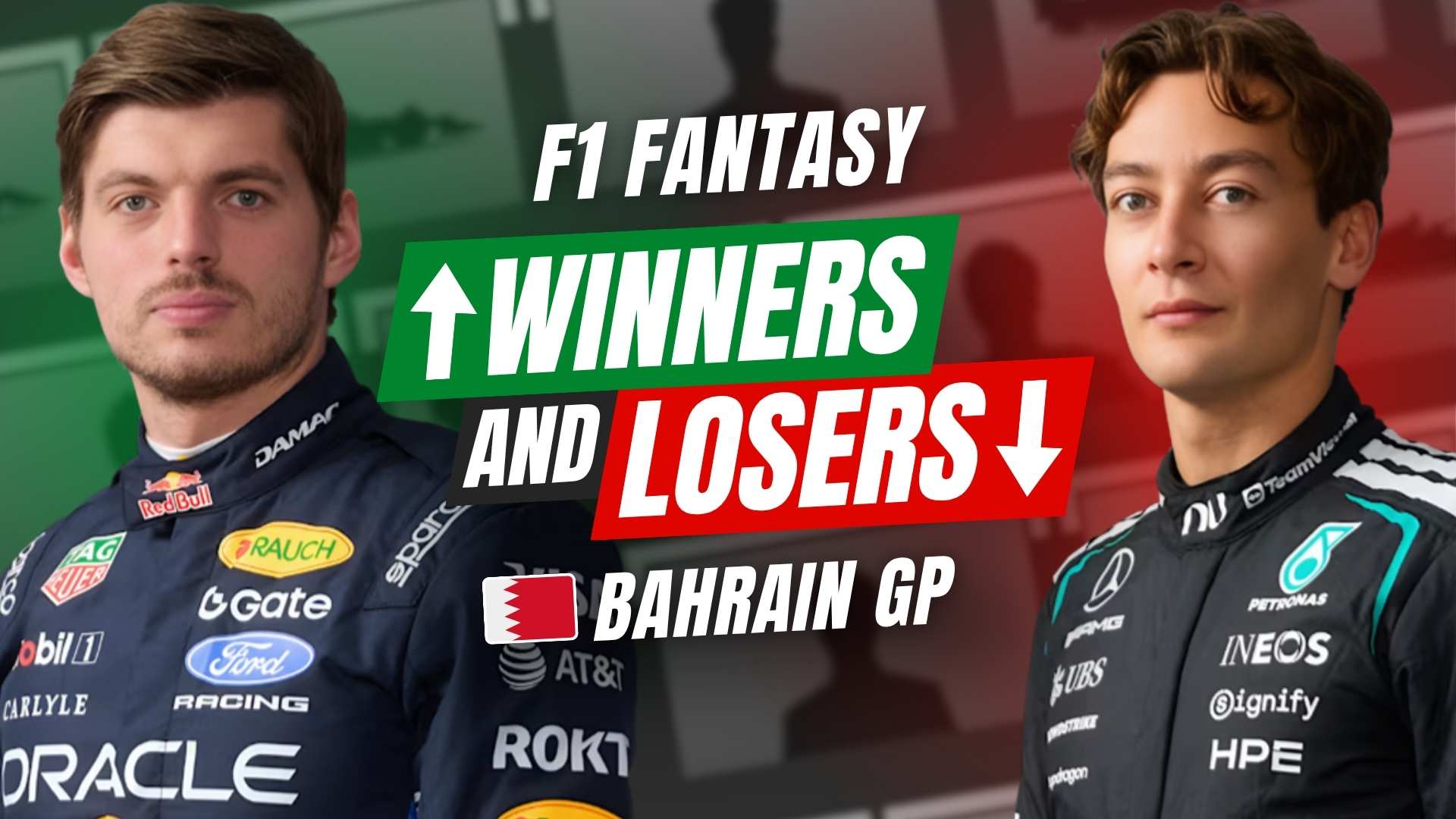
Given their role on their team, every single F1 driver is an athlete (a high performance athlete, one might even say). And as athletes, F1 drivers earn a base salary from the F1 team they drive for and represent. That salary will vary depending on factors like experience, achievements and so on. So in a team like Red Bull or Mercedes, for example, one can expect the veterans Max Verstappen and George Russell to have higher base salaries than their much younger, less experienced teammates, Isack Hadjar and Kimi Antonelli, respectively. And while the numbers remain confidential, with his track record and four World Champion titles, Verstappen in particular is one of the highest salaried drivers on the current F1 grid.
In F1, the athletes are also awarded bonuses for their successes. These are often based on how many points they have been able to score over the course of an F1 season, with the exact amount varying from team to team. A front-running team, for example, may provide a smaller bonus to their athletes for lower point-scoring positions compared to a team that is in the middle or back of the field and much more likely to be fighting for something like a P10 or P9. Instead, the front-running team is more likely to offer a higher bonus for higher positions such as the top five, or even the podium, where they are more likely to be competing during the season.
That said, sometimes the points stack up just a bit too high. Such was the case for Kimi Raikkonen in 2012, with a contract reported to include a base salary of €8 million as well as a €50,000 euro bonus per point scored. As a mid-tier team that had accumulated a total of just 73 points between their drivers in 2011 (a year in which they raced under the name Lotus Renault GP), needless to say Lotus were not quite expecting Raikkonen alone to rack up a massive 207 points equaling a hefty paycheck of about €18.35 million. This was well beyond any driver salary that the team had budgeted for and they were ultimately unable to pay the full amount they owed, contributing to Raikkonen’s decision to leave Lotus and return to Ferrari in 2014.
The public figure leans into sponsorships and partnerships
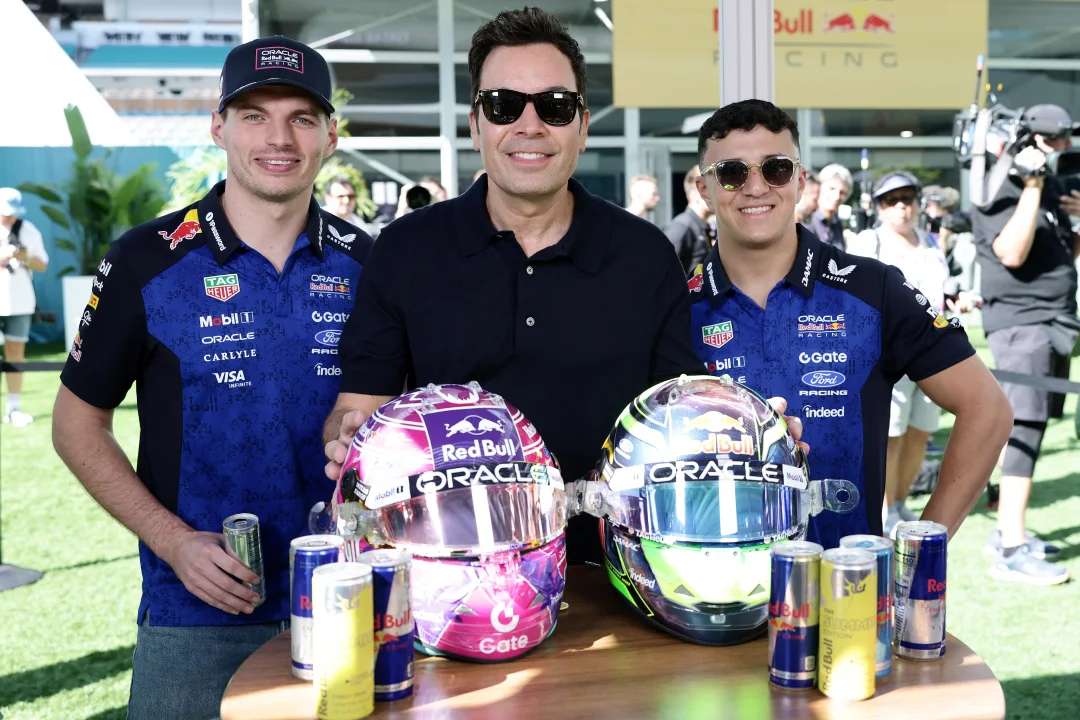
Thankfully for Raikkonen, sporting performance is not the only means of income most drivers have. Being the faces of one of the most popular sports means that many drivers are able to get lucrative sponsorships with high-profile brands through their role as public figures. From Lando Norris posing for luxury luggage brand Tumi to Verstappen starring in commercials for 0.0% Heineken, as brand ambassadors and partners, the drivers earn a certain amount from each of these deals.
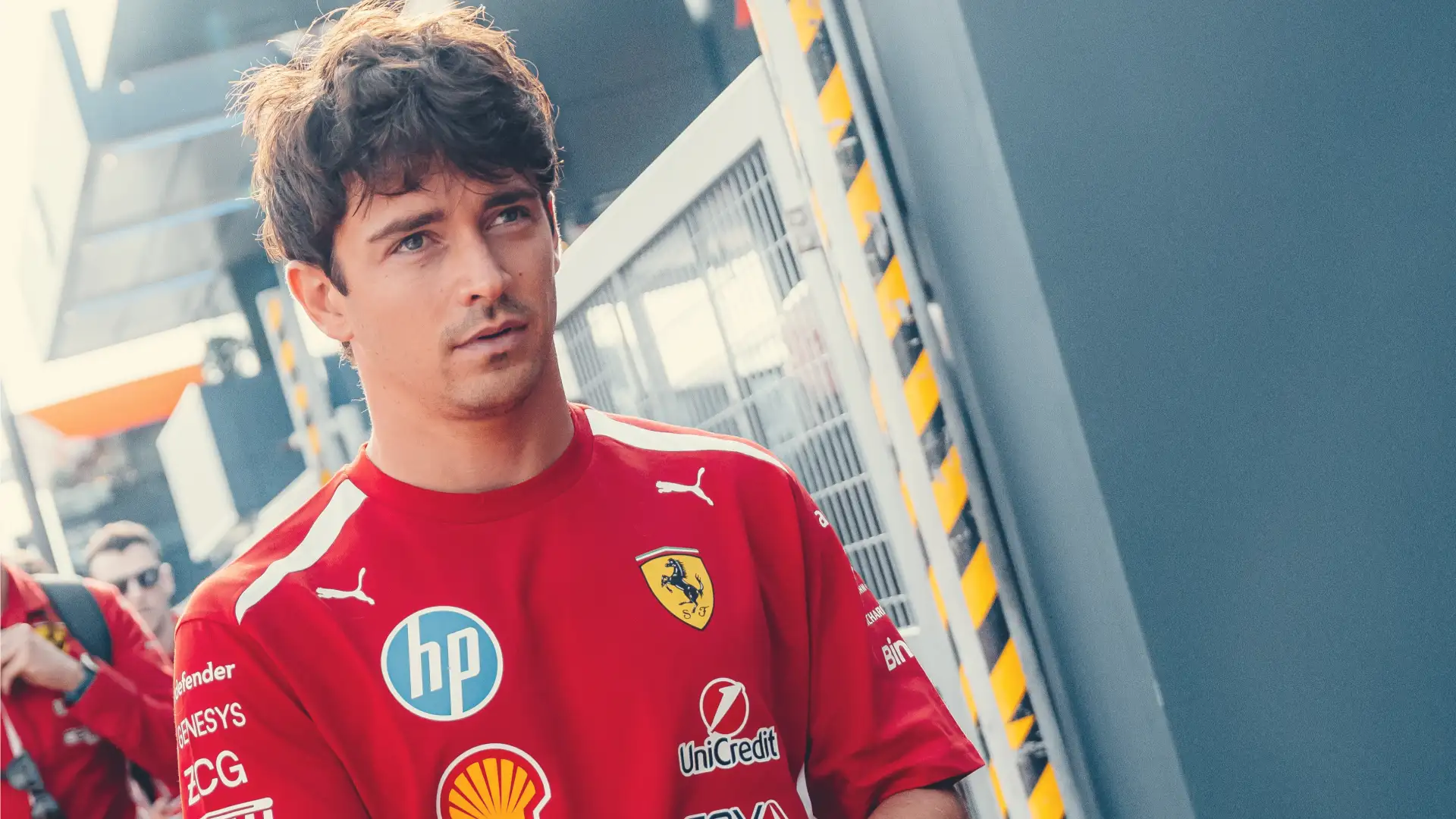
The number of sponsorships a driver has often depends on several factors. Newer drivers with smaller followings may only have one or two, while those who are more high-profile often have several independent sponsorships running at the same time. A quick scroll through Charles Leclerc’s personal website, for example, shows that he is currently partnering with several brands. Some, such as the athletic powerhouse Puma and premium beverage provider Peroni Nastro Azzuro, are undoubtedly through his role as a Ferrari driver. But others, including sleep health brand Eight Sleep and luxury jeweler APM Monaco, are exclusive deals between himself and these companies.
The flip-side of the sponsorships and collaborations coin is licensing. Drivers can license their name or image to be featured on things like clothing, toys and models, or in video games and in turn earn a part of the revenue generated by the products that are sold. After all, F1 fans are much more likely to buy a Funko-Pop of Lewis Hamilton than one of a generic figure in a Ferrari or a Mercedes suit. It benefits both the brand and, in turn, the driver who has given the brand license to use their image.
The entrepreneur is all about those business sidequests
The final role that F1 drivers can take on to earn their income is that of the entrepreneur. Whether it is selling merchandise or starting a side hustle, the entrepreneur seeks to try new things and get directly involved in the production and marketing of goods and services for which they own the business (or at least a stake).
One of the most common examples of this is merch sales. Most, if not all, drivers on the F1 grid have their own personal branding, and many have used this to create their own merchandise. Verstappen, for example, has an incredibly extensive selection for sale on his personal website including everything from t-shirts, hats, bags, water bottles, gloves, pajamas and so much more featuring his lion’s head logo and even his now trademarked catch-phrase, “Simply lovely.” Other drivers like Leclerc and Yuki Tsunoda took the merchandise idea one step further and created their own clothing lines, CL16 and Venti Due respectively, which are also available for purchase online.
But it doesn’t stop at clothing lines. Side hustles and other business ventures are not uncommon among those on the grid. From Leclerc’s LEC ice cream and his aptly-named creative agency, SIDEQUEST, to Hamilton’s plant-based burger chain, Neat Burger, F1 drivers starting side-businesses is nothing new. As entrepreneurs, drivers directly earn from the revenue that their personal business generates.
So when it comes to how F1 drivers make money, it is clear that they aren’t simply drivers. While they earn a base salary as athletes, they can also leverage the roles of public figure and entrepreneur to supplement their income. The specifics vary from individual to individual, particularly how much each driver leans into each of these two additional roles, but one thing is for certain: earning money as an F1 driver is a multifactor formula.
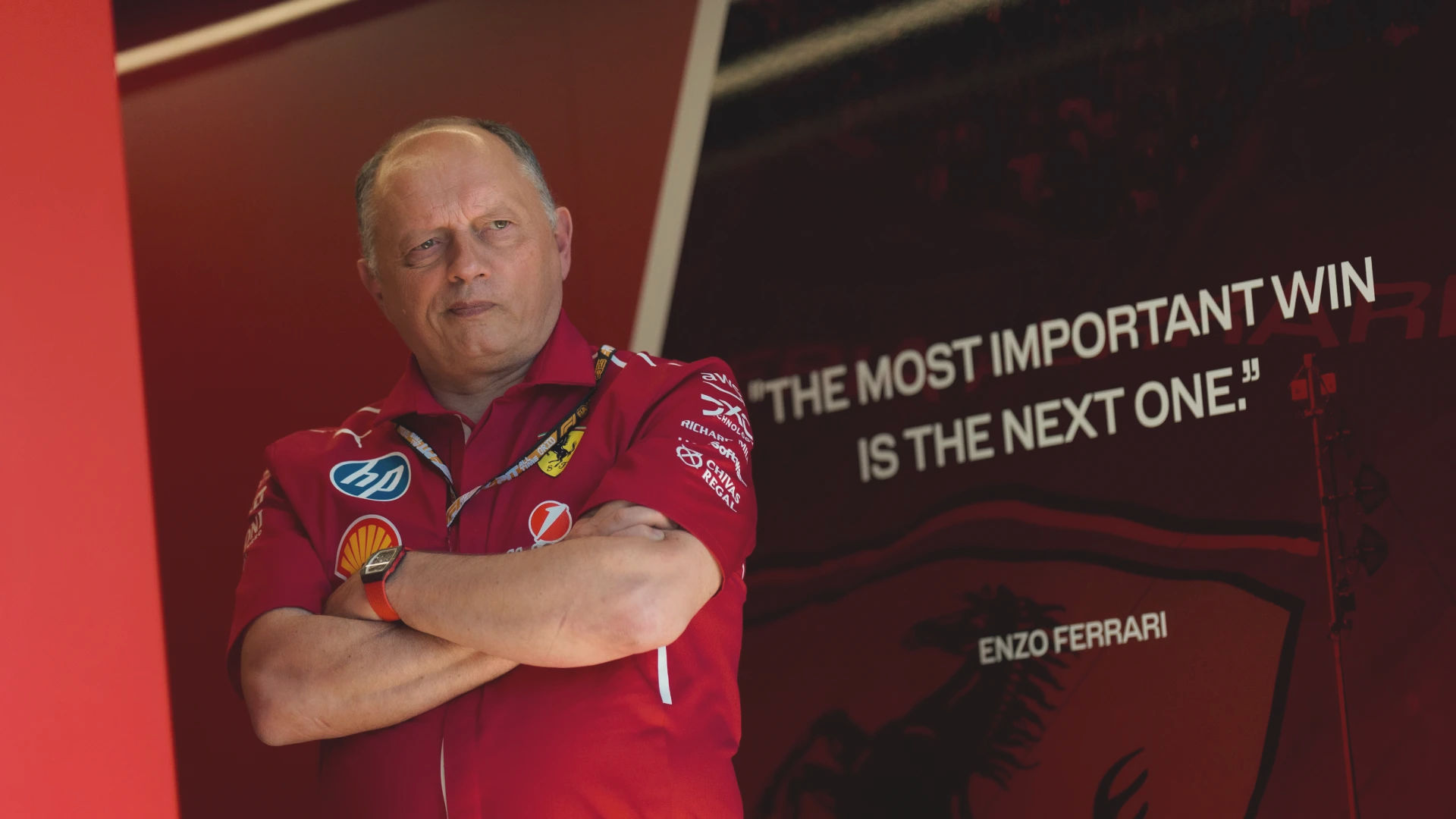
Cover image via Ferrari Media Centre.

.jpg)

%20(1).jpg)
.png)
.png)